
What Is a Hydroelectric Power Plant? Types, Working & Benefits
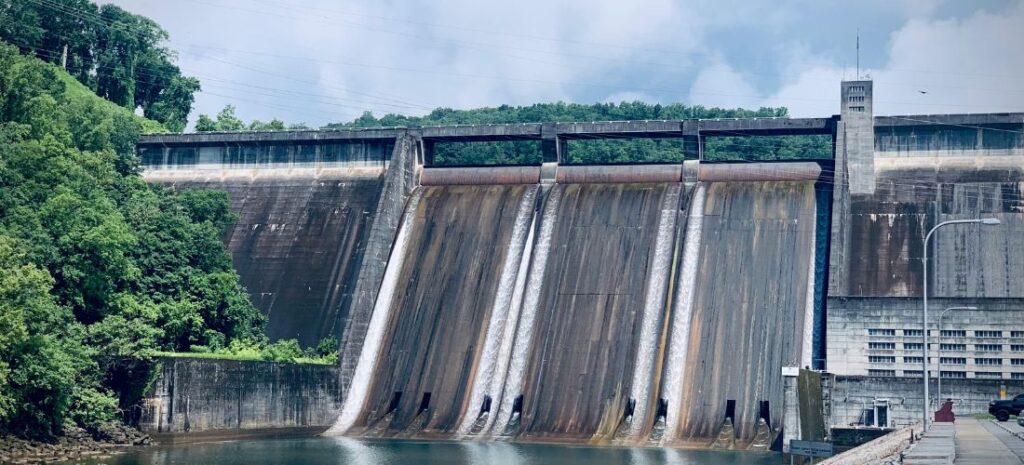
Water has been used for centuries to do useful work, from turning old wooden mills to producing electricity for modern cities. Today, a hydroelectric generating plant plays a major role in producing clean and renewable energy across the world. These plants use the force of flowing or falling water to generate electricity without burning fossil fuels. A hydroelectric power plant is one of the most reliable renewable energy systems because it can generate large amounts of electricity with low pollution. Countries like China, India, Brazil, Canada, and the United States use hydroelectric plants to meet growing electricity demand while reducing carbon emissions. According to the International Energy Agency (IEA), hydropower still produces around 15–16% of the world’s electricity, making it the largest source of renewable electricity globally. In this guide, you’ll learn how hydroelectric plants work, their major types, advantages, limitations, components, costs, and why they are important for the future of clean energy. What Is a Hydroelectric Power Plant? A hydroelectric power plant is a facility that converts the energy of moving water into electrical energy. It uses water stored in dams, rivers, or reservoirs to spin turbines connected to generators. The process is simple: Water flows through turbines Turbines rotate due to water pressure Generators convert this movement into electricity Electricity is sent through transmission lines to homes and industries This system is considered renewable because water is naturally replenished through the water cycle. Hydroelectric plants are also known as: Hydroelectric power station Hydrogeneration plant Hydroenergy plants Power plant hydroelectric systems Hydroelectric energy plant facilities Even though the names differ, the working principle remains the same. Quick Overview of Hydroelectric Power Plants Feature Details Energy Source Flowing or falling water Type of Energy Renewable energy Main Components Dam, turbine, generator, penstock Fuel Required No fossil fuel needed Pollution Level Very low Efficiency Around 85–95% Lifespan 50–100+ years Main Use Electricity generation Common Locations Rivers, dams, mountainous areas History of Hydroelectric Power The use of water energy is not new. Ancient civilizations used water wheels for grinding grains and irrigation. The first modern hydroelectric energy power plant was built in the late 19th century. Some important milestones include: 1878: First hydroelectric project demonstrated in England 1882: First commercial hydroelectric plant built in Wisconsin, USA 1902: Large hydro projects started growing worldwide Modern Era: Mega dams now generate thousands of megawatts India also has a long history of hydropower development. States like Himachal Pradesh, Uttarakhand, Kerala, and Sikkim have many hydroelectric plants because of their rivers and hilly terrain. How Does a Hydroelectric Power Plant Work? The working process of a hydroelectric generating plant is based on converting water energy into mechanical energy and then into electrical energy. Let’s understand it step by step. 1. Water Storage in Reservoir Most hydropower plants use a dam to store water in a reservoir. The stored water contains potential energy because of its height. The higher the water level, the greater the energy available. 2. Water Flows Through Penstock When electricity is needed, gates open and water flows through a large pipe called a penstock. The fast-moving water creates pressure as it moves downward. 3. Turbine Rotation The water strikes turbine blades and makes them spin rapidly. This converts water energy into mechanical energy. Different turbines are used depending on water pressure and flow speed. 4. Electricity Generation The turbine is connected to a generator. As the turbine spins, magnets inside the generator rotate and create electricity through electromagnetic induction. This is the core process inside every hydel power station. 5. Voltage Transformation The electricity produced is sent to transformers. Transformers increase voltage so electricity can travel long distances efficiently. 6. Transmission to Grid Finally, electricity moves through transmission lines to homes, offices, factories, and industries. The used water then returns to the river downstream. Main Components of a Hydroelectric Plant Understanding the parts of a hydroelectric plant helps explain how the entire system operates smoothly. Component Function Dam Stores water Reservoir Holds water at height Intake Gate Controls water flow Penstock Carries water to turbine Turbine Converts water energy into rotation Generator Produces electricity Transformer Increases voltage Powerhouse Contains turbines and generators Tailrace Returns water to river Types of Hydroelectric Power Plants Different hydroelectric plants are designed based on geography, water availability, and electricity demand. 1. Impoundment Hydroelectric Plant This is the most common type of hydroelectric energy plant. It uses a large dam to store water in a reservoir. How It Works Water is stored behind the dam Water is released through turbines Electricity is generated as turbines spin Advantages Large electricity production Water storage capability Flood control benefits Disadvantages Expensive construction Environmental impact on nearby ecosystems Example The Three Gorges Dam in China is one of the world’s largest hydroelectric plants. 2. Run-of-River Hydroelectric Plant This type uses the natural flow of rivers without large reservoirs. How It Works River water is diverted through turbines Water returns back to river flow Advantages Lower environmental impact Less land flooding Disadvantages Electricity generation depends on river flow Lower power generation during dry seasons This type is becoming popular in environmentally sensitive areas. 3. Pumped Storage Hydroelectric Plant A pumped storage hydroelectric generation plant works like a giant battery. How It Works Water is pumped uphill during low demand During high demand, water flows back down through turbines Advantages Stores excess electricity Supports grid stability Disadvantages High setup cost Requires suitable terrain These systems are useful for balancing solar and wind energy fluctuations. Read More: solar-power plant 4. Micro and Mini Hydroelectric Plants These are small-scale hydroelectric power plants designed for villages, farms, or remote areas. Features Small electricity output Lower construction costs Minimal environmental impact Many remote Himalayan villages use mini hydel power stations for local electricity supply. Types of Turbines Used in Hydroelectric Plants Different turbines are selected based on water pressure and flow conditions. Turbine Type Best For Pelton Turbine High head, low flow Francis Turbine Medium head Kaplan Turbine Low head, high flow Each turbine design improves efficiency under
Top 10 EV Charger Manufacturers in India 2026
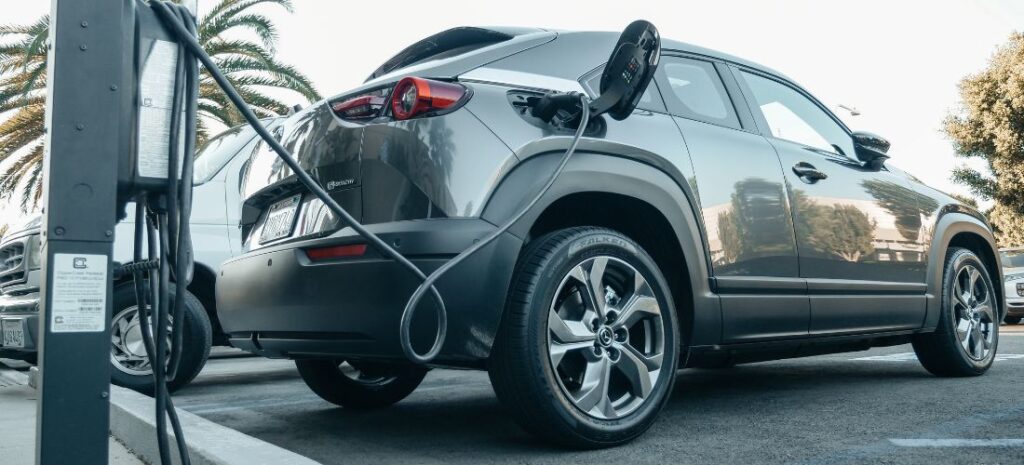
India’s electric vehicle market is growing faster than ever, and the demand for reliable charging infrastructure is rising alongside it. From highways and malls to office campuses and residential societies, EV charging stations are becoming a common sight across the country. As a result, the role of electric vehicle charger manufacturers has become extremely important in building a strong EV ecosystem. In 2026, the Indian EV charging market is expected to expand rapidly due to increasing EV adoption, government incentives, and rising fuel prices. According to industry reports, India’s EV charging infrastructure market could cross billions of dollars by 2030. This growth has encouraged many electric car charging station manufacturers and electric vehicle charger suppliers to invest in advanced charging technology, smart software, and faster charging networks. Today, India has several trusted companies manufacturing AC chargers, DC fast chargers, smart charging systems, and commercial EV charging stations. Some focus on residential charging, while others specialize in highway charging corridors, fleet charging, or large public charging networks. In this blog, we’ll explore the top 10 EV charger manufacturers in India [2026], their products, strengths, charging technologies, and why they are leading the future of electric mobility in India. Why EV Charging Infrastructure Matters in India Electric vehicles are only practical when charging is easy and accessible. A strong charging network helps: Reduce range anxiety Improve EV adoption Support commercial fleets Encourage long-distance EV travel Lower fuel dependency Reduce carbon emissions India is also pushing EV growth through initiatives like: FAME II subsidies State EV policies Tax benefits Smart city infrastructure projects Because of this, the demand for EV charging station manufacturers is increasing in cities like Delhi, Mumbai, Bengaluru, Hyderabad, Pune, Chennai, and Ahmedabad. Types of EV Chargers Used in India Before looking at the manufacturers, it’s important to understand the main types of EV chargers available in the market. Charger Type Power Output Best Use AC Slow Charger 3.3 kW – 22 kW Homes, apartments, offices DC Fast Charger 30 kW – 360 kW Highways, commercial stations Ultra-Fast Charger 200 kW+ Fleets, premium charging hubs Bharat AC001 Low power AC Small EV charging CCS2 Charger Fast charging standard Cars and SUVs CHAdeMO Japanese standard Select EV models Most modern electric car charger manufacturers now focus heavily on CCS2-compatible chargers because many new EVs in India support this standard. List of Top 10 EV Charger Manufacturers in India [2026] 1. Bolt. Earth Company Overview Founded in Bengaluru, Bolt.Earth has become one of India’s biggest EV charging companies. The brand has installed over 100,000 charging points across thousands of locations in India. It focuses on both private and public charging infrastructure. Among all electric vehicle charger manufacturers, Bolt.Earth is known for its smart software ecosystem and large charging network. Main Products AC home chargers DC fast chargers Chargers for two-wheelers and four-wheelers Smart charging management systems Key Strengths Strong app-based charging ecosystem Large public charging network Partnerships with EV brands and businesses Focus on interoperability Real-World Advantage Many apartment societies and cafes now prefer Bolt.Earth chargers because installation is simple and users can track charging through the mobile app. 2. Tata Power EZ Charge Company Overview Tata Power EZ Charge is among the most trusted electric car charging station manufacturers in India. Backed by the Tata Group, the company has installed thousands of charging stations nationwide. The company operates in residential, commercial, highway, and fleet charging segments. Product Range 3.3 kW home chargers 7.4 kW AC chargers 30 kW to 240 kW DC fast chargers Fleet charging solutions Why Tata Power Stands Out Strong nationwide presence Reliable after-sales support Trusted brand reputation Compatible with multiple EV brands Practical Insight One reason Tata Power became popular quickly is its partnership with Tata Motors EV buyers. Many Tata EV customers install Tata Power chargers directly at home during vehicle delivery. 3. Ather Energy Company Overview Ather Energy started as an electric scooter manufacturer but later built one of India’s best two-wheeler charging networks called Ather Grid. Today, Ather is also recognized among growing EV charging manufacturing companies in India. Main Charging Solutions Home charging systems Fast chargers for scooters Public charging points Major Benefits Excellent user experience Fast charging for urban commuting Smart mobile integration User Experience In many metro cities, Ather chargers are installed near cafes, malls, and offices. Riders often charge while working or shopping. 4. Jio-bp Pulse Company Overview Jio-bp Pulse is a joint venture between Reliance Industries and BP. It is one of the fastest-growing electric vehicle charger suppliers in India. The company focuses heavily on fast and ultra-fast charging infrastructure. Charger Portfolio AC charging units 60 kW to 480 kW fast chargers Commercial charging hubs Why It’s Growing Fast Massive infrastructure investment Charging stations at fuel pumps Highway corridor expansion Fast charging focus Industry Observation Many new EV highway routes now feature Jio-bp charging stations because the company is aggressively expanding along major travel corridors. 5. Delta Electronics India Company Overview Delta Electronics is a global power electronics company with a strong manufacturing presence in India. It is one of the most technically advanced electric vehicle charger manufacturers operating in the country. Product Line AC chargers 25 kW to 350 kW DC chargers Smart energy management systems Main Highlights High-efficiency charging systems Smart grid integration Renewable energy compatibility Manufacturing Strength Delta manufactures many charging components locally in Tamil Nadu, supporting India’s Make in India initiative. 6. Servotech Power Systems (Incharz) Company Overview Servotech entered the EV market through its charging brand Incharz. It has quickly become a recognized name among electric car charger manufacturers in India. Products AC chargers DC fast chargers Fleet charging solutions Key Advantages Focus on commercial charging Smart monitoring systems Competitive pricing Real-World Usage Several logistics companies are now using Incharz chargers for cargo EV fleets in Delhi-NCR. 7. ABB India Company Overview ABB is one of the world’s biggest industrial technology companies and a premium player in EV charging infrastructure. Its Terra charging series is popular globally and in India. Product Range AC
List of Top Lithium-ion Battery Manufacturers in India
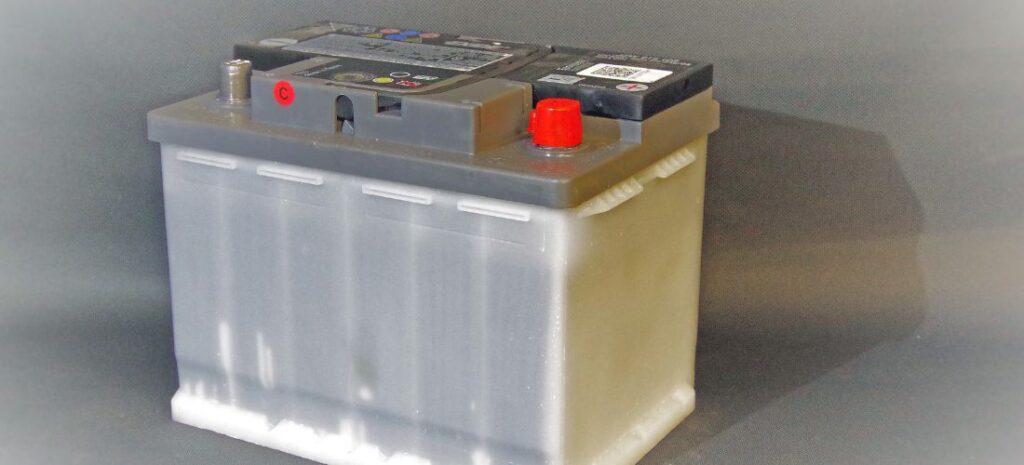
India’s battery industry is growing fast, and the demand for electric vehicles, solar systems, and energy storage solutions is increasing every year. Because of this, the manufacturers of lithium ion battery in India are expanding their production capacity and introducing advanced battery technologies for different industries. Today, lithium-ion batteries are used in EVs, home inverters, telecom towers, medical equipment, solar power systems, laptops, and industrial backup systems. With government support for clean energy and electric mobility, many Indian companies are investing heavily in lithium battery manufacturing plants. In this guide, we will explore the top lithium ion battery manufacturers in India, their products, applications, strengths, and what makes them stand out in the market. If you are planning to buy batteries for commercial, industrial, or personal use, this article will help you understand the Indian lithium battery industry in a simple way. What is a lithium-ion battery? A lithium-ion battery is a rechargeable battery that stores energy using lithium ions. These batteries are widely used because they are lightweight, charge quickly, and provide better efficiency compared to traditional lead-acid batteries. Inside the battery, lithium ions move between two electrodes during charging and discharging. This process helps store and release electrical energy efficiently. Lithium-ion batteries are commonly used in: Electric vehicles Solar energy systems Inverters and UPS Telecom equipment Consumer electronics Medical devices Industrial machinery Because of their long life and high energy density, lithium batteries are becoming the preferred choice for modern power backup systems. Why Lithium-ion Batteries Are Growing Rapidly in India India is witnessing a massive shift toward renewable energy and electric transportation. This has increased the need for reliable battery storage systems. Here are some major reasons behind the growth: 1. Rise of Electric Vehicles EV sales in India are increasing every year. Electric scooters, bikes, cars, and buses all require lithium-ion batteries. 2. Solar Energy Expansion Solar installations in homes, offices, and industries need efficient energy storage solutions. 3. Government Support The Indian government is supporting local battery manufacturing through various initiatives like: FAME Scheme Production Linked Incentive (PLI) EV subsidies Renewable energy projects 4. Better Performance Lithium-ion batteries offer: Faster charging Longer backup Lower maintenance Higher efficiency Read More: solar for electric car Advantages of Lithium-ion Batteries Before choosing a battery manufacturer, it is important to understand why lithium-ion batteries are preferred over traditional options. Advantage Benefit Long Life Cycle Lasts much longer than lead-acid batteries Fast Charging Charges in less time Lightweight Easy to transport and install High Efficiency Better energy output Low Maintenance Minimal servicing required Eco-Friendly Lower environmental impact Compact Design Saves installation space Deep Discharge Capacity Provides longer backup List of Top Lithium-ion Battery Manufacturers in India Below are some of the most trusted li ion battery manufacturers in India known for quality, innovation, and strong market presence. 1. Exide Industries Exide Industries is one of the oldest and most trusted battery brands in India. The company has expanded its focus toward lithium-ion technology to meet the growing demand from EV and energy storage sectors. Exide manufactures batteries for: Automotive applications Industrial backup systems Solar systems Electric mobility The company has also partnered with international firms for advanced lithium battery technology. Why Exide Stands Out Strong nationwide distribution network Trusted brand reputation Advanced R&D facilities Wide product range Best For Home inverters Commercial backup systems Automotive batteries 2. Amara Raja Energy & Mobility Amara Raja Energy & Mobility is another major name among li ion batteries manufacturers in India. Earlier known mainly for lead-acid batteries, the company is now investing heavily in lithium-ion technology and EV battery solutions. The company is focusing on: Energy storage systems EV batteries Telecom batteries Industrial power solutions Amara Raja is also building giga-scale manufacturing facilities in India. Key Highlights Strong R&D capabilities Modern manufacturing plants Focus on EV ecosystem Reliable battery performance Popular Applications Telecom towers Data centers Electric vehicles 3. Tata AutoComp Gotion Tata AutoComp has partnered with Gotion High-Tech for lithium battery manufacturing in India. This company focuses mainly on: EV battery packs Battery management systems Advanced lithium technologies Tata AutoComp plays an important role in India’s EV supply chain. Main Strengths Strong automotive experience Advanced battery pack solutions Growing EV market presence Suitable For Electric buses Electric cars Commercial EVs 4. Loom Solar Loom Solar is known for solar products and lithium battery solutions for residential and commercial use. The company offers: Lithium inverter batteries Solar energy storage systems Portable power solutions Loom Solar batteries are especially popular among homeowners looking for efficient solar backup systems. Why Customers Choose Loom Solar Compact battery design Fast charging support Good solar compatibility Easy installation Best Use Cases Homes Small offices Solar systems 5. Okaya Power Group Okaya Power Group is a fast-growing lithium battery company in India with a strong focus on EV batteries and energy storage products. The company manufactures: Lithium batteries for e-rickshaws Inverter batteries Solar batteries Industrial battery systems Important Features Strong after-sales network Affordable battery solutions Focus on electric mobility Ideal Applications E-rickshaws Home power backup Solar projects 6. Livguard Livguard has become a popular name in the power backup industry. The company offers lithium battery solutions for homes and businesses. Their product lineup includes: Lithium inverter batteries Solar batteries Automotive batteries Livguard focuses on smart energy storage systems with modern battery management features. Major Benefits Smart battery technology Compact designs Reliable performance Recommended For Residential users Small businesses Solar installations 7. Reliance New Energy Reliance New Energy is investing aggressively in battery manufacturing and clean energy technologies. Reliance aims to become a major player in: Battery giga factories Energy storage systems EV battery production The company is expected to contribute significantly to India’s future battery ecosystem. Key Focus Areas Large-scale battery manufacturing Renewable energy integration Advanced battery research 8. Ola Electric Ola Electric is not just an EV company anymore. It is also entering lithium battery manufacturing through large-scale battery cell production projects. The company is building battery manufacturing facilities to support: Electric scooters EV ecosystem Advanced battery
Beginner’s Guide to Solar Marketing: 4 Strategies to Jumpstart Your Marketing
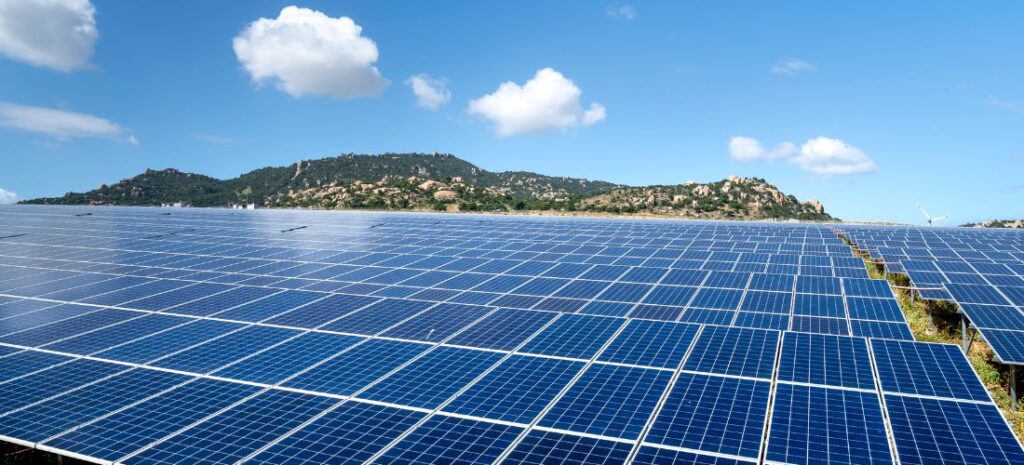
The solar industry is growing fast, but so is the competition. If you want your business to stand out, advertising solar services the right way is no longer optional. Whether you sell rooftop systems, solar panels, or complete energy solutions, smart marketing can help you generate quality leads, build trust, and increase conversions without wasting money. Many new solar businesses focus only on products and pricing, but customers also want education, trust, and proof that your company is reliable. That is where good solar marketing makes a huge difference. Why Solar Marketing Matters Today People are becoming more aware of electricity costs, environmental concerns, and government subsidies. Because of this, interest in solar energy has increased in both residential and commercial sectors. But here’s the challenge: customers usually do not buy solar systems instantly. They research online, compare brands, read reviews, and ask questions before making a decision. That means your business needs to stay visible during every stage of the buying process. Good solar power advertising helps you: Build brand awareness Generate local leads Educate customers Increase trust Improve conversion rates Compete with larger brands A strong marketing strategy can even help smaller solar businesses outperform bigger companies in local markets. Understanding the Solar Customer Journey Before jumping into strategies, it is important to understand how people buy solar solutions. Most customers go through these steps: They notice high electricity bills They search online for solar solutions They compare prices and benefits They look for trusted local installers They request quotes They finalize after checking reviews and support Your marketing should support every step of this journey. For example: Blog content helps during research Google ads help people discover your company Reviews build trust Social media keeps your brand memorable This is why random marketing rarely works in the solar industry. You need a structured approach. Strategy 1: Build a Strong Local SEO Presence One of the best ways to grow a solar business is by targeting local customers. Most people search for installers near their city or area. For example: “Solar panel company in Gurgaon” “Best rooftop solar installer near me” “Affordable solar setup in Noida” If your website is not optimized for local searches, you may lose customers to competitors. Optimize Your Google Business Profile Your Google Business Profile is extremely important for local visibility. Make sure you: Add correct contact details Upload real project photos Collect customer reviews Update business hours Add services and descriptions Solar companies with active profiles often get more calls and website visits. Use Location-Based Keywords Instead of targeting only broad terms like “solar panels,” include local keywords naturally. Examples: Solar installation in Delhi Solar rooftop systems in Gurgaon Commercial solar setup in Noida This helps your website rank for local searches with buying intent. Publish Helpful Blog Content Educational blogs work very well in the solar industry because customers research heavily before buying. Topics could include: Cost of installing solar panels Government subsidy guides Maintenance tips Solar myths Residential vs commercial solar systems Helpful content improves trust and supports long-term SEO growth. You can also internally link related pages such as: Rooftop solar services Commercial solar installation Solar maintenance packages This improves website structure and helps users navigate easily. Strategy 2: Run Smart Google Ads for Solar Leads Paid advertising is one of the fastest ways to generate solar leads if done correctly. However, many companies lose money because they target broad audiences without strategy. Focus on High-Intent Keywords Instead of targeting general terms only, focus on keywords that show buying intent. Examples: Solar panel installation cost Best solar company near me Rooftop solar for home Commercial solar installers Keywords related to solar panels advertising often perform well because they attract users already searching for solutions. Create Landing Pages Instead of Sending Traffic to Homepage One common mistake is directing ad traffic to the homepage. A dedicated landing page converts better because it focuses on: One service One location One clear call-to-action A good landing page should include: Benefits Pricing information Testimonials Project photos Lead form Phone number Simple and focused pages usually perform better than overly designed ones. Use Call Extensions and WhatsApp Buttons Many solar customers prefer direct communication. Adding: Call buttons WhatsApp chat Quick quote forms can improve lead generation significantly. One solar installer in North India improved inquiries simply by adding a “Get Free Solar Consultation” WhatsApp button on mobile ads. Retarget Website Visitors Most people do not buy solar solutions on their first visit. Retargeting ads help bring them back. For example: A visitor checks rooftop pricing Leaves the website Later sees your ad on YouTube or Facebook This keeps your brand visible and improves conversions over time. Strategy 3: Use Social Media to Educate, Not Just Sell A lot of solar businesses use social media incorrectly. They only post product photos or sales messages. But solar marketing works better when you educate people. Share Real Installations Customers trust real project photos more than stock images. Post: Before-and-after installations Rooftop transformations Client testimonials Installation process videos This builds authenticity. Even simple mobile photos from actual projects can perform well. Create Short Educational Videos Short videos are highly effective for explaining solar concepts. Ideas include: “How much electricity can solar save?” “How net metering works” “Top myths about solar energy” “How long do solar panels last?” These videos help people understand solar benefits without feeling pressured to buy. Use Regional Language Content In India, local language content can perform surprisingly well. Many people search terms like: solar advertisement in hindi solar energy advertisement in hindi Creating Hindi content can help you connect with a broader audience, especially in Tier 2 and Tier 3 cities. You can create: Hindi reels Explainer videos Carousel posts FAQ graphics This improves engagement because people understand the message more easily. Post Consistently Consistency matters more than perfection. A simple posting schedule could be: Monday: Solar tips Wednesday: Project photos Friday: Customer testimonial Sunday: FAQ video Regular posting keeps your business active
How Many Watts Does a Refrigerator Use?
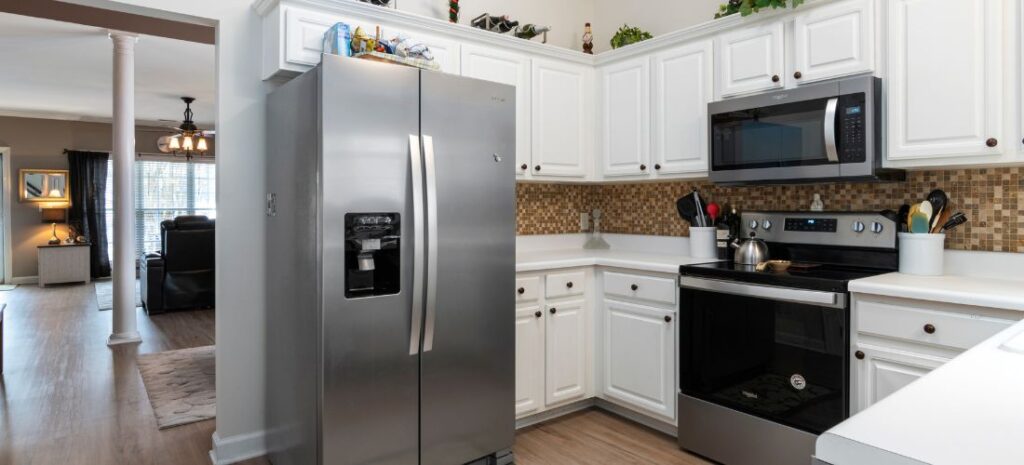
The refrigerator wattage of a home fridge depends on its size, technology, and usage habits. On average, a modern refrigerator uses between 100 and 800 watts, but the actual power consumption for refrigerator models can vary based on cooling settings, compressor type, and how often the door is opened. If you have ever checked your electricity bill and wondered how much your fridge contributes, understanding the wattage of refrigerator models can help you save energy and reduce monthly costs. In this guide, we will explain refrigerator power usage in a simple and practical way. What Is Refrigerator Wattage? Refrigerator wattage means the amount of electrical power a fridge uses to operate. It is measured in watts (W). Every refrigerator needs electricity to run the compressor, fans, lights, and cooling system. When people search for terms like refrigerator in watts fridge watt watt of fridge refrigerator wattage wattage for refrigerator They are usually trying to understand the following: How much electricity their fridge uses Whether their appliance is energy efficient How much it costs to run monthly What size inverter or generator is needed The wattage of a refrigerator directly affects energy consumption and electricity bills. Read More: how much electricity does an air conditioner use? Average Refrigerator Wattage by Type Different refrigerators use different amounts of power. Here is a general idea of common refrigerator wattage ranges. Refrigerator Type Average Running Watts Mini fridge 50–100 watts Single-door refrigerator 100–250 watts Double-door refrigerator 200–500 watts Side-by-side refrigerator 500–800 watts Commercial refrigerator 800–2000 watts A standard home refrigerator in India usually consumes around 150 to 400 watts during operation. However, refrigerators do not run continuously. The compressor turns on and off throughout the day, which reduces actual energy usage. How Many Watts Does a Refrigerator Use Per Day? Many people confuse running watts with total daily consumption. For example: A refrigerator with a 200W rating does not consume 200 watts all day continuously. The compressor cycles on and off depending on temperature. A typical refrigerator runs about 8 to 12 hours per day in cooling cycles. Example Calculation If your fridge uses 200 watts and runs for 10 hours daily: 200 \times 10 = 2000\text{ watt-hours} = 2\text{ kWh} That means your refrigerator uses about 2 units of electricity per day. If electricity costs ₹8 per unit: 2 \times 8 = 16 Your fridge may cost around ₹16 per day to operate. Read More: https://www.klkindia.com/how-much-electricity-does-an-air-conditioner-use/ Factors That Affect Refrigerator Wattage The actual energy consumption of refrigerator models depends on several important factors. 1. Refrigerator Size Larger refrigerators need more electricity because they cool a bigger space. For example: Small mini fridge: 70 watts Medium family fridge: 250 watts Large side-by-side refrigerator: 700 watts If you buy a fridge larger than your actual need, you may waste electricity every month. 2. Compressor Technology Modern inverter refrigerators are more energy efficient than traditional models. Normal Compressor Runs at fixed speed Turns fully ON and OFF Uses more electricity Inverter Compressor Adjusts speed based on cooling needs Saves power Produces less noise In many Indian homes, switching to an inverter refrigerator reduces electricity usage noticeably over time. 3. Temperature Setting Lower temperature settings increase refrigerator wattage. If the thermostat is set too cold: Compressor works harder Cooling cycles increase Energy usage rises For regular home use: Refrigerator section: 3°C to 5°C Freezer: around -18°C These settings are usually enough for safe food storage. 4. Frequency of Door Opening Every time the fridge door opens, warm air enters inside. This causes: Longer compressor operation Higher power consumption Increased cooling load In busy households where the refrigerator is opened repeatedly, electricity usage naturally becomes higher. 5. Room Temperature A refrigerator in a hot kitchen uses more electricity than one placed in a cooler room. During Indian summers, especially in cities with high temperatures, refrigerators consume more power because the compressor runs longer. Keeping the fridge away from: direct sunlight gas stoves ovens can improve efficiency. Starting Watts vs Running Watts This is one of the most misunderstood topics. Running Watts These are the normal watts used during operation. Starting Watts When the compressor starts, the fridge briefly needs extra power. For example: Refrigerator Type Running Watts Starting Watts Small fridge 100W 300W Medium refrigerator 250W 800W Large fridge 700W 2200W This is important when choosing: inverter size generator capacity solar backup systems Many people only check running watts and forget about startup power requirements. How to Find Refrigerator Wattage There are several easy ways to check your refrigerator’s wattage. Check the energy label. Most refrigerators have a label showing: voltage amperage wattage yearly energy consumption You can usually find it: inside the fridge behind the refrigerator near the compressor Use the formula. If wattage is not mentioned, you can calculate it. Formula: \text{Watts} = \text{Voltage} \times \text{Current} Example: If your refrigerator uses: 230 volts 1.2 amps Then: 230 \times 1.2 = 276\text{ watts} Your fridge uses approximately 276 watts. Use a Power Meter A plug-in energy meter gives the most accurate reading. It can show: real-time power usage daily electricity consumption monthly energy cost This is useful if you want to monitor appliance efficiency. Refrigerator Energy Consumption Per Month Let’s understand monthly electricity usage with a practical example. Suppose your refrigerator uses: 2 kWh per day Monthly usage: 2 \times 30 = 60\text{ kWh} If electricity cost is ₹8 per unit: 60 \times 8 = 480 Monthly operating cost = approximately ₹480. Actual bills may vary depending on: refrigerator age weather cooling settings family usage habits Does an Old Refrigerator Use More Electricity? Yes, older refrigerators usually consume much more electricity. Reasons include: outdated compressor technology weak insulation worn-out seals inefficient cooling systems A 15-year-old refrigerator may use almost double the power of a modern energy-efficient model. Many homeowners notice reduced electricity bills after upgrading to a newer refrigerator. How Star Ratings Affect Refrigerator Wattage In India, refrigerators come with BEE star ratings. Higher star ratings mean: lower electricity consumption better energy efficiency reduced operating cost General
How Much Electricity Does an Air Conditioner Use?
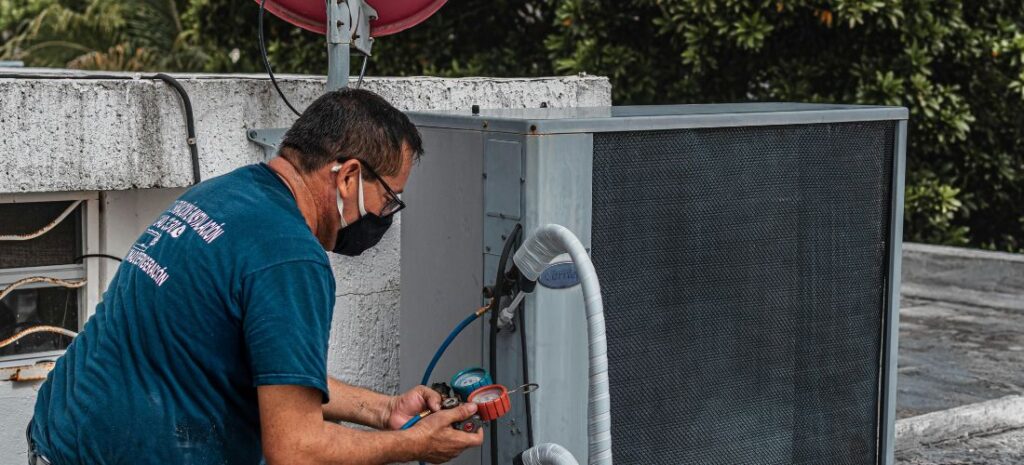
Air conditioners are now a basic need in many homes, especially during hot summer months. But one question that most people ask before buying or using an AC regularly is: how much electricity does an air conditioner use? Understanding the wattage of AC units helps you manage your electricity bill, choose the right appliance, and avoid unnecessary power consumption. Whether you use a window AC, split AC, or central cooling system, knowing the air conditioner watt usage can save money in the long run. In this guide, we’ll explain everything in simple words — from AC wattage and power consumption to calculation methods and practical energy-saving tips. What Is AC Wattage? The term wattage of AC means the amount of electricity an air conditioner uses while running. It is measured in watts (W) or kilowatts (kW). For example: A small window AC may use around 800 to 1200 watts A 1.5-ton split AC may consume around 1400 to 2200 watts A large central AC system may use over 3000 watts The actual air conditioner watt consumption depends on: AC type Ton capacity Energy efficiency rating Room size Temperature settings Usage hours Simply put, the higher the cooling capacity, the higher the electricity usage. Average Wattage of Different AC Types Here’s a simple table showing the estimated aircon wattage for different air conditioner types. AC Type Capacity Average Wattage Window AC 1 Ton 900 – 1200 Watts Window AC 1.5 Ton 1400 – 1800 Watts Split AC 1 Ton 1000 – 1500 Watts Split AC 1.5 Ton 1400 – 2200 Watts Inverter Split AC 1.5 Ton 1200 – 1800 Watts Portable AC Small Room 700 – 1200 Watts Central AC Whole House 3000 – 5000 Watts These numbers are average estimates. Actual electricity usage can vary depending on brand, weather, maintenance, and daily usage habits. Read More: types of solar panels Air Conditioner Kitne Watt Ka Hota Hai? Many people in India search for “air conditioner kitne watt ka hota hai” before buying an AC. The answer depends mainly on tonnage and technology. Here’s a quick breakdown: AC Capacity Approximate Watt Usage 0.8 Ton AC 700 – 900 Watts 1 Ton AC 900 – 1200 Watts 1.5 Ton AC 1400 – 2200 Watts 2 Ton AC 2000 – 3000 Watts An inverter AC generally consumes less electricity compared to a non-inverter AC because it adjusts compressor speed automatically. For example: Normal 1.5-ton AC → around 1800–2200 watts Inverter 1.5-ton AC → around 1200–1700 watts That difference can reduce your monthly electricity bill significantly. What Is the Difference Between Watts and kWh? Many people confuse watts with electricity bill units. Here’s the simple difference: Term Meaning Watts (W) Instant power usage Kilowatt-hour (kWh) Electricity consumed over time 1 unit on your electricity bill = 1 kWh. Example: If your AC uses 1500 watts and runs for 8 hours: 1500 × 8 = 12,000 watt-hours 12,000 ÷ 1000 = 12 kWh (12 units) So your AC consumes 12 electricity units daily. How to Calculate Air Conditioner Watt Usage You can calculate air conditioner watt usage using this simple formula: Formula Power Consumption (kWh) = Wattage × Hours Used ÷ 1000 Example Suppose your split AC uses 1600 watts. If you run it for 10 hours daily: 1600 × 10 = 16,000 16,000 ÷ 1000 = 16 kWh That means your AC uses: 16 units daily Around 480 units monthly Now multiply by your electricity rate. If electricity cost is ₹8 per unit: 480 × ₹8 = ₹3840 monthly This gives you a rough idea of your AC operating cost. Factors That Affect AC Watt Consumption The AC watt consumption is not fixed. Many factors affect how much electricity your air conditioner actually uses. 1. AC Size Bigger AC units consume more power. Example: 1-ton AC → lower electricity use 2-ton AC → higher electricity use Choosing the wrong size can waste electricity. 2. Inverter vs Non-Inverter Inverter ACs save more energy because they adjust cooling automatically. Non-inverter ACs repeatedly switch on and off, consuming extra electricity. In many homes, inverter models reduce energy bills by 20–40%. 3. Temperature Setting Lower temperatures increase power usage. Approximate comparison: Temperature Setting Power Usage 18°C Very High 22°C High 24°C Balanced 26°C Energy Efficient Experts usually recommend 24°C for comfort and efficiency. 4. Room Size Using a small AC in a large room forces the compressor to run continuously. This increases: Electricity usage Wear and tear Cooling time Always choose the right tonnage based on room size. 5. Weather Conditions During peak summer: AC compressors work harder Electricity usage increases Humidity also affects performance. Hot cities naturally increase air conditioner watt consumption. 6. Maintenance Condition Dirty filters and clogged coils reduce cooling efficiency. As a result: AC runs longer Power consumption rises Cooling performance drops Regular servicing helps maintain lower electricity usage. Read More: 100 watt solar panel price in india Running Watts vs Starting Watts Another important concept is understanding starting watts and running watts. Running Watts This is the normal electricity used while the AC is operating continuously. Example: Split AC running wattage → 1600 watts Starting Watts When the compressor starts, it requires extra power for a few seconds. This surge can be: 2–3 times higher than normal wattage Example: Running watts → 1600W Starting watts → 3500W This is why generators and inverters need higher capacity support. How Much Electricity Does a 1.5 Ton AC Use? A 1.5-ton AC is the most common household option in India. Average air conditioner watt usage for a 1.5-ton unit: AC Type Watt Usage Non-Inverter AC 1700 – 2300 Watts Inverter AC 1200 – 1800 Watts If used for 8–10 hours daily: Monthly consumption can reach 300–500 units Depending on weather and settings This is why choosing an energy-efficient model matters. AC Star Rating and Electricity Consumption The BEE star rating in India shows how energy efficient an AC is. Higher stars mean lower electricity use. Star Rating Electricity Consumption 1 Star Highest 3 Star Moderate
Understanding Solar Panel Wattage, Output & Ratings
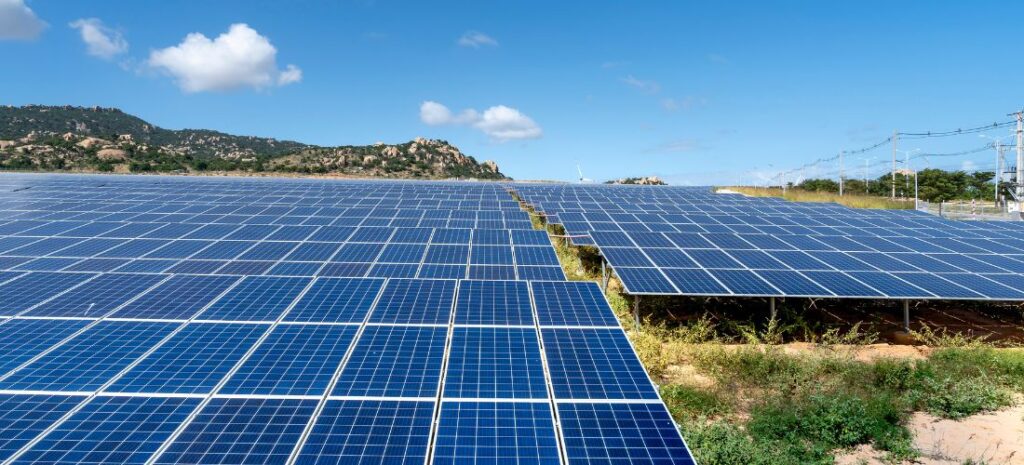
When people start researching solar energy, one of the first things they notice is the number written on a panel; 400W, 550W, 600W, and so on. This number is called solar panel wattage, and it plays a major role in deciding how much electricity a solar system can generate. Understanding solar panel wattage, solar panel ratings, and real-world output helps homeowners and businesses make smarter decisions before investing in solar energy. But here’s something important many people don’t realize: a panel’s rated watts and its actual electricity production are not always the same thing. Weather, temperature, sunlight hours, panel efficiency, roof direction, dust, and shading all affect how much power a system truly produces. That’s why understanding solar panel size wattage, solar power rating, and solar energy ratings matters so much. Whether you are planning a rooftop system for your house, comparing solar modules, or simply trying to understand how solar works, this guide explains everything in a simple and practical way. What Is Solar Panel Wattage? Solar panel wattage refers to the maximum amount of power a solar panel can produce under ideal laboratory conditions. It is measured in watts (W). For example: A 400W solar panel can generate up to 400 watts of electricity in perfect sunlight conditions. A 550W panel can generate up to 550 watts under the same testing conditions. This wattage is also known as the panel’s solar panel rating or solar module rating. Manufacturers use standardized testing conditions to measure output so buyers can compare different products fairly. Why Solar Panel Wattage Matters Solar panel wattage helps determine: Total electricity generation Number of panels needed Roof space requirements System cost Energy savings potential A higher wattage panel usually produces more electricity, which means fewer panels may be required for the same energy needs. How Solar Panels Are Rated Manufacturers test panels using something called Standard Test Conditions (STC). Under STC, solar panels are tested at: Testing Factor Standard Condition Sunlight Intensity 1000 W/m² Cell Temperature 25°C Air Mass 1.5 These conditions create a fair way to compare solar panel ratings. However, real outdoor conditions are rarely perfect. That is why actual output may differ from the panel’s label rating. Understanding Solar Panel Ratings Many buyers get confused between different ratings mentioned on a solar panel specification sheet. Here are the most important ones. Rating Type Meaning Wattage Rating Maximum power output Efficiency Rating How efficiently sunlight converts into electricity Voltage Rating Electrical pressure produced Current Rating Flow of electricity Temperature Coefficient Performance loss due to heat Power Tolerance Allowed variation from rated watts Understanding these solar panel ratings helps you compare quality, reliability, and expected performance. Read More: manufacturing process of solar panels Solar Panel Wattage vs Real Output A common misunderstanding is assuming a 400W panel always produces 400W all day. That is not how solar works. A panel reaches its peak output only under ideal sunlight conditions. In real life, output changes throughout the day. Example A 400W solar panel may produce: 320W in hot weather 250W on cloudy days 380W during strong sunlight Near zero at sunrise or sunset This is why actual daily electricity production is measured in kilowatt-hours (kWh), not just watts. What Affects Solar Panel Output? Several factors influence real-world solar panel power output. 1. Sunlight Hours The more sunlight your area receives, the more electricity the panel can generate. Areas with 5–6 peak sun hours daily produce significantly more energy than regions with only 3–4 hours. 2. Temperature Solar panels work better in cooler temperatures. Extreme heat lowers efficiency and reduces output. Most panels lose around: 0.3% to 0.5% efficiency for every degree above 25°C This means very hot rooftops can lower solar panel performance. 3. Shading Even small shadows from: Trees Water tanks Buildings Antennas Chimneys can reduce solar panel output significantly. 4. Dust and Dirt Dust blocks sunlight from reaching solar cells. This is especially important in: Industrial areas Dry climates Construction zones Regular cleaning improves solar panel power output. 5. Roof Direction and Angle South-facing roofs usually generate maximum electricity in many regions. Poor panel orientation can reduce output by 10–20%. Solar Panel Efficiency Explained Efficiency and wattage are related but not identical. Solar Panel Efficiency Efficiency measures how effectively a panel converts sunlight into electricity. For example: 20% efficiency means 20% of sunlight becomes electricity. Higher efficiency panels: Produce more power in less space Require fewer panels Work better for smaller rooftops Difference Between Efficiency, Wattage & Output Term Meaning Solar Panel Wattage Maximum possible power Solar Panel Efficiency Conversion ability Solar Panel Output Actual electricity generated Simple Example Two panels may both have 400W ratings: One could be larger with lower efficiency Another could be smaller with higher efficiency Both produce similar watts under testing conditions. Average Solar Panel Wattage in 2026 Solar technology has improved rapidly over the past decade. Residential Solar Panels Most home solar panels today range between: 350W to 480W The most common residential panel size is around: 400W to 450W Commercial Solar Panels Commercial projects often use: 500W to 700W panels These larger modules reduce installation costs for large solar plants. Portable Solar Panels Portable panels generally range from: 50W to 200W Used for: Camping RVs Backup charging Boats Solar Panel Size Wattage Relationship Many people search for solar panel size wattage because physical size and power rating are connected. Usually: Larger panels hold more solar cells More cells generate more electricity However, newer high-efficiency technology allows smaller panels to produce higher wattage. Typical Residential Panel Size Panel Type Average Wattage Approx Size Standard Residential 350W–450W 65 x 39 inches Commercial 500W–700W Larger format Portable 50W–200W Compact STC vs PTC Ratings You may also hear about: STC Ratings PTC Ratings STC (Standard Test Conditions) Lab-tested ideal output. PTC (PVUSA Test Conditions) More realistic outdoor performance estimates. PTC ratings are usually lower than STC ratings because they reflect real operating conditions better. Understanding Power Tolerance Power tolerance tells you how much a panel’s actual output may vary
Mastering Solar System Size: The Ultimate Guide to Powering Your Home
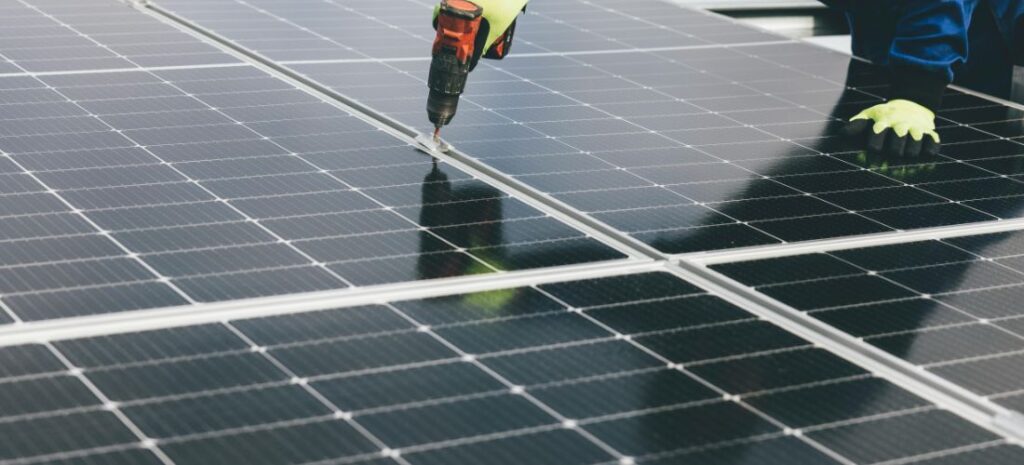
Choosing the right Solar System Size is one of the most important decisions when planning a solar setup for your home. A properly sized system helps reduce electricity bills, improves energy efficiency, and ensures you get the best return on your investment. Whether you are building a new home or upgrading your current energy setup, understanding the correct system size can save you money and prevent future problems. Many homeowners make the mistake of installing either a very small system that cannot handle their energy needs or an oversized system that increases installation costs unnecessarily. This guide will help you understand how solar sizing works in a simple and practical way. What Does Solar System Size Mean? The term Solar System Size refers to the total power capacity of a solar setup. It is usually measured in kilowatts (kW). This number tells you how much electricity your solar panels can produce under ideal sunlight conditions. For example: Solar System Size Suitable For Average Daily Power Generation 1 kW Small room or office 4–5 units/day 2 kW Small apartment 8–10 units/day 3 kW Small family home 12–15 units/day 5 kW Medium-sized home 20–25 units/day 10 kW Large homes or villas 40–50 units/day The actual output depends on sunlight, weather, panel quality, and installation angle. Why Choosing the Right System Size Matters Selecting the correct system size affects almost everything about your solar investment. Benefits of Proper Solar Sizing Lower electricity bills Better energy efficiency Faster return on investment Less dependency on the power grid Longer system life Better battery backup performance If your system is too small, you may still receive high electricity bills. If it is too large, you may spend more money than necessary. Understanding Your Household Energy Consumption Before choosing a solar setup, you must first know how much electricity your home uses. Check Your Electricity Bills Look at your electricity bills from the past 12 months. Find your monthly consumption in kWh or units. For example: Appliance Approximate Usage Per Day Monthly Consumption Fans 8 hours 60 units Air Conditioner 6 hours 180 units Refrigerator 24 hours 45 units Washing Machine 1 hour 15 units TV & Electronics 5 hours 30 units Lights 6 hours 25 units Total monthly usage: Around 355 units. This calculation gives you a clear idea of the required Solar System Size. Common Solar System Sizes for Homes Different homes require different capacities depending on usage patterns. 1 kW Solar System A 1 kW setup is suitable for: Single room usage Small offices Basic lighting and fan needs It can run: 3–4 fans LED lights One television Small appliances 2 kW Solar System Good for small families with moderate electricity use. Suitable for: 1 refrigerator Multiple fans LED lights TV and laptop usage 3 kW Solar System One of the most popular residential sizes. Ideal for: Small to medium homes Monthly usage around 300–400 units Can support: Refrigerator Washing machine Water pump Multiple fans and lights 5 kW Solar System Perfect for medium-sized families. Supports: Air conditioners Kitchen appliances Geysers Heavy appliance usage This is often considered the ideal system size for modern Indian homes. 10 kW Solar System Designed for: Large villas Commercial spaces High electricity consumption It can easily handle multiple ACs and heavy electrical loads. How to Calculate the Right Solar System Size Calculating the ideal system size is easier than most people think. Basic Formula You can use this simple formula: Required Solar System Size (kW) = Daily Electricity Consumption ÷ Peak Sunlight Hours Practical Calculation Example Suppose your home consumes: 900 units per month Daily usage = 30 units Average sunlight = 5 hours/day Calculation: 30 ÷ 5 = 6 kW So, you may need a 6 kW solar setup. However, experts usually add a safety margin for efficiency losses. Recommended size: 6.5–7 kW system. Factors That Affect Solar System Output Several factors influence how efficiently your solar setup performs. 1. Sunlight Availability Homes in areas with strong sunlight generate more electricity. Cities like: Jaipur Ahmedabad Hyderabad Nagpur usually receive excellent solar radiation throughout the year. Cloudy or rainy regions may require a larger Solar System Size. 2. Roof Space Availability Your rooftop area directly affects installation capacity. Approximate rooftop requirement: System Size Roof Area Needed 1 kW 80–100 sq ft 3 kW 250–300 sq ft 5 kW 400–500 sq ft 10 kW 800–1000 sq ft If roof space is limited, higher-efficiency panels may help. 3. Panel Efficiency Not all solar panels produce the same output. High-Efficiency Panels Advantages: More power in less space Better performance Ideal for smaller rooftops Standard Panels Advantages: Lower upfront cost Suitable for large rooftops Premium panels may reduce the required system size because they produce more electricity. 4. Weather Conditions Weather plays a major role in solar output. Good Weather Conditions Clear skies Longer sunny days Low pollution Poor Weather Conditions Heavy rainfall Fog Dust accumulation High pollution levels Dusty solar panels can reduce efficiency by 15–25%. 5. Panel Direction and Tilt Proper installation angle improves energy generation. In India: South-facing panels usually perform best Tilt angle should match local latitude Incorrect angles reduce system efficiency. On-Grid vs Off-Grid Solar System Size Your setup type also affects sizing decisions. Type Description Best For On-Grid Connected to electricity board Urban homes Off-Grid Works with batteries Remote areas Hybrid Combination of both Backup + savings On-Grid Systems Lower cost No battery required Best for reducing electricity bills Off-Grid Systems Requires batteries Higher investment Useful in power-cut areas Hybrid Systems Flexible solution Battery backup included More energy independence How Batteries Affect System Size Battery storage changes solar planning completely. If you want backup during power cuts: You may need larger panels Additional battery capacity becomes necessary For example: Backup Requirement Suggested Battery Setup 2–4 hours Small battery bank 6–8 hours Medium battery bank Full-day backup Large battery system Battery efficiency also affects the required Solar System Size. Real-World Tip Before Installing Solar Many homeowners only calculate their current electricity needs. That can become a
How Many Solar Panels Do You Need To Power A House in 2026?
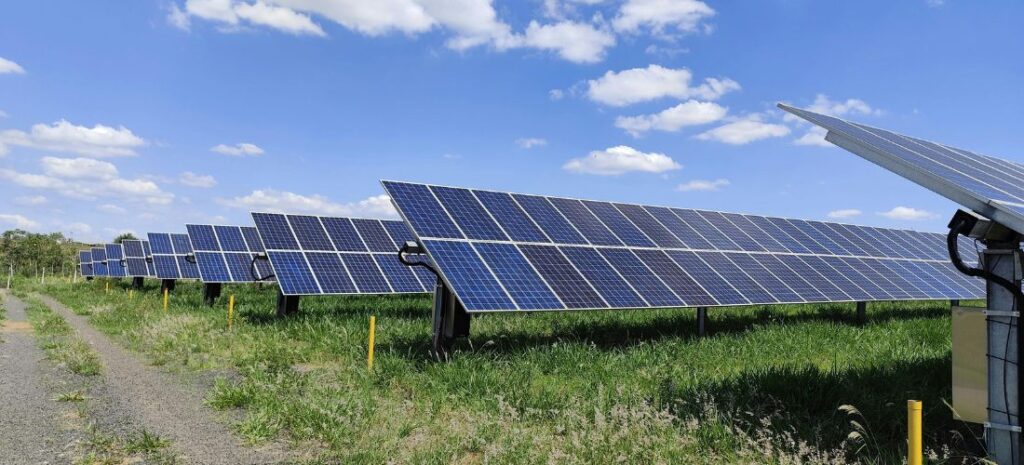
Electricity bills in India are increasing every year, and many homeowners are now searching for smarter ways to reduce monthly expenses. One of the most common questions people ask before switching to solar is: how many solar panels do you need to power a house? The answer depends on your electricity usage, roof size, panel efficiency, and sunlight availability in your area. At Klk Ventures, we help homeowners understand the right solar setup based on their actual power needs. A properly planned solar system can reduce electricity bills, increase property value, and provide long-term savings for more than 20 years. Solar Power for Homes in India: Why More Families Are Switching in 2026 Solar energy is no longer considered a luxury in India. In 2026, it has become a practical investment for middle-class and upper-middle-class households looking to control rising electricity costs. Modern solar systems are more efficient than ever before. With improved panel technology and government subsidies, homeowners can now recover their investment faster while enjoying lower monthly bills. Some major reasons why people are installing solar panels for home use include: High electricity tariff rates Frequent power cuts in some areas Long-term savings Reduced dependence on the grid Eco-friendly energy generation Government subsidy benefits A residential solar system works by converting sunlight into electricity through photovoltaic (PV) panels installed on rooftops. During the daytime, the generated electricity powers household appliances, and excess power can be exported to the grid through net metering. How Many Solar Panels Do You Need To Power A House? The number of solar panels required depends mainly on your monthly electricity consumption. A small home with limited appliances may only need a 2kW system, while a large villa with multiple ACs may require a 10kW setup or more. Basic Formula to Calculate Solar Panel Requirement You can estimate the number of panels using this formula: Total System Size Required (kW) ÷ Wattage of One Solar Panel = Number of Panels For example: Required system size = 5kW Panel capacity = 500W Calculation: 5000W ÷ 500W = 10 panels So, a 5kW system typically needs around 10 solar panels of 500W each. Step-by-Step Guide to Calculate Solar Panels for Your Home Step 1: Check Your Monthly Electricity Bill Look at your electricity bill and find your average monthly unit consumption (kWh). Most Indian homes consume: Home Type Monthly Units 1 BHK Apartment 150–250 units 2 BHK Home 250–450 units 3 BHK Home 450–700 units Large Villa 700+ units If your electricity usage changes during summer and winter, calculate the yearly average. Step 2: Convert Monthly Usage Into Daily Consumption Divide your monthly units by 30. Example: 450 units ÷ 30 = 15 units per day Your house consumes approximately 15 kWh daily. Step 3: Estimate Required Solar System Size In India, a 1kW solar system generally produces around 4 to 5 units per day depending on sunlight conditions. If your home uses 15 units daily: 15 ÷ 5 = 3kW system You may need a 3kW solar system. Step 4: Calculate Number of Solar Panels Now divide the total system size by panel wattage. Example using 540W panels: 3000W ÷ 540W = 5.5 panels Rounded up, you would need approximately 6 solar panels. Solar Panel Requirement Based on House Size Here’s a simple estimate for Indian households in 2026. House Size Average Daily Usage Recommended System Approximate Panels Needed Small Apartment 5–7 units 1kW–2kW 2–4 panels Medium Family Home 10–15 units 3kW–5kW 6–10 panels Large House 20–30 units 6kW–8kW 12–16 panels Luxury Villa 35+ units 10kW+ 18–24 panels The final number can vary depending on panel efficiency and local weather conditions. Understanding Solar Panel Capacity in 2026 Solar technology has improved significantly over the past few years. Earlier, homes needed many small panels to generate enough electricity. Today, fewer high-efficiency panels can produce more power. Most residential solar panels in 2026 range between: 400W 450W 500W 540W 550W Higher-wattage panels are ideal for homes with limited roof space because they generate more electricity using fewer panels. How Many Solar Panels Are Required for 1kW? A 1kW solar system generally requires: Panel Wattage Panels Required 400W 3 panels 500W 2 panels 550W 2 panels Modern high-efficiency panels reduce the number of modules required. Roof Space Required for Solar Panels Many homeowners ask whether their rooftop is large enough for solar installation. Here’s a rough estimate: System Size Roof Space Required 1kW 80–100 sq. ft. 3kW 250–300 sq. ft. 5kW 400–500 sq. ft. 10kW 800–1000 sq. ft. Factors like shading, roof direction, and tilt angle also affect system performance. South-facing roofs generally provide better output in India. Important Factors That Affect Solar Panel Count 1. Electricity Usage The more appliances you use, the larger the system required. Homes with: Air conditioners Water heaters Refrigerators Washing machines EV charging usually need bigger solar systems. 2. Sunlight Availability Cities with strong sunlight throughout the year generate more electricity. States like: Rajasthan Gujarat Maharashtra usually produce better solar output compared to regions with heavy monsoons. 3. Panel Efficiency High-efficiency panels generate more electricity in less space. Modern mono PERC and TOPCon panels are highly preferred in 2026. 4. Roof Shadows Trees, water tanks, nearby buildings, and poles can reduce solar generation. Even partial shading may affect the output of multiple panels. 5. Future Electricity Needs Many homeowners now install slightly larger systems because electricity consumption often increases later. For example: Adding more ACs Buying an electric vehicle Expanding the house Installing automation systems Planning ahead can save future upgrade costs. Types of Solar Panels for Residential Homes Choosing the right type of solar panel is equally important. Monocrystalline Solar Panels These are the most popular residential panels today. Benefits: High efficiency Better performance Longer lifespan Space-saving design TOPCon Solar Panels TOPCon technology is becoming very popular in 2026 because of its excellent efficiency. Advantages include: Better low-light performance Higher energy output Improved durability Lower degradation rate Polycrystalline Solar Panels These are more affordable but slightly less efficient. They are
Top 4 Types of Earthing Systems in India.
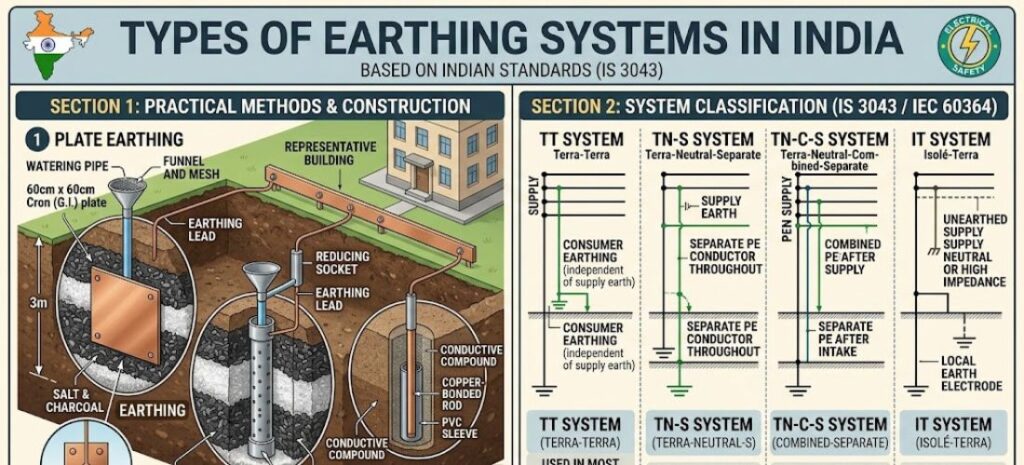
When people search for types of earthing, they usually want a clear answer to one simple question: Which earthing system is actually safe and long-lasting for their building? In India, choosing the right earthing system is not just a technical decision; it directly affects safety, equipment life, and maintenance costs. In the next few sections, you’ll understand the types of earthing system, how they work, and which one makes the most sense for your needs. Why the Importance of Earthing Cannot Be Ignored Whether you are building a house, running a factory, or managing a hospital, electrical earthing is the backbone of safety. Every electrical system produces fault current. This can happen due to: Short circuits Insulation failure Lightning strikes If this current doesn’t get a safe path into the ground, it can lead to: Electric shocks (dangerous for human life) Damage to expensive machines Fire hazards That’s why a low-resistance earthing system is not optional; it is essential. But here’s the real problem: Many buildings in India still use outdated earthing methods installed years ago without maintenance. Over time, these systems stop working effectively. So the question is, which earthing type should you trust today? What Are the 4 Types of Earthing Systems? If you’re wondering how many types of earthing exist, the most commonly used types of earthing systems in India are the following: Marconite Earthing Pipe Earthing Plate Earthing Chemical Earthing These are the main earthing system types used across residential, commercial, and industrial projects. Quick Comparison Table of Earthing System Types Earthing Type Maintenance Level Lifespan Performance Stability Suitable For Marconite Earthing Very Low 40–50+ years Very High All soil types, industries Pipe Earthing High 5–10 years Medium Homes (basic use) Plate Earthing Medium 10–15 years Medium Open spaces Chemical Earthing High 5–8 years Low to Medium Poor soil conditions 1. Marconite Earthing – Modern and Reliable Earthing System What Is Marconite Earthing? Marconite earthing is an advanced earthing system type that uses a special conductive compound instead of traditional materials like charcoal or salt. It creates a permanent low-resistance path for fault current. How It Works A copper electrode is installed Marconite compound is filled around it The compound hardens and forms a strong conductive layer Unlike traditional systems, it does not depend on moisture. Benefits of Marconite Earthing Works in all soil types (rocky, dry, sandy) No water or chemical refilling required Long life (up to 50 years) Stable performance in all seasons No corrosion issues Practical Insight In many industrial setups where machines fail due to voltage fluctuations, switching to Marconite earthing has reduced breakdowns significantly. It is especially useful where downtime is costly. Visit us: solar water pumping system 2. Pipe Earthing – Common but Maintenance-Heavy What Is Pipe Earthing? Pipe earthing is one of the most widely used types of earthing system in Indian homes. It uses: A GI or copper pipe Buried vertically in the ground Surrounded by salt and charcoal Advantages Low initial cost Easy to install Commonly used in residential buildings Disadvantages Rusting over time Performance depends on soil moisture Requires regular maintenance Risk of current leakage Real-Life Tip Many homeowners install pipe earthing once and forget about it. After 4–5 years, the system often stops working due to corrosion, but people don’t realize it until a problem occurs. 3. Plate Earthing – Traditional but Space-Consuming What Is Plate Earthing? In this earthing type, a copper or GI plate is buried deep in the ground. Installation Process The plate is placed 3 meters deep Surrounded by charcoal and salt Connected to electrical system Advantages Better contact area than pipe earthing Stable in moderate soil conditions Disadvantages Requires large space Digging is labor-intensive Not suitable for urban areas Can corrode over time Practical Insight Plate earthing is still used in some government and old infrastructure projects, but in cities, it is becoming less practical due to space issues. Read More: solar system guide 4. Chemical Earthing – Used in Difficult Soil Conditions What Is Chemical Earthing? Chemical earthing improves conductivity by adding chemicals around the electrode. Advantages Works in high-resistance soil Better than basic pipe earthing in dry areas Disadvantages Requires frequent chemical refilling Expensive maintenance Environmental concerns Risk of corrosion Real Insight In some commercial projects, chemical earthing is chosen initially for performance, but long-term costs become high due to maintenance. Other Types of Earthing Systems (Additional Knowledge) Apart from the main four, there are a few other types of earthing systems: Rod Earthing Uses a metal rod driven into the ground Quick installation Best for moist soil Strip Earthing Uses metal strips buried horizontally Ideal for large industrial areas Water Pipe Earthing Uses metal water pipes Outdated and unsafe method How to Choose the Right Earthing System for Your Building Choosing the right type of earthing system depends on: 1. Soil Condition Dry or rocky soil → Advanced earthing (like Marconite) Moist soil → Pipe or rod earthing may work 2. Type of Building Home → Pipe or advanced earthing Factory → High-performance system required Hospital → Highly reliable earthing essential 3. Maintenance Capability If you don’t want regular maintenance → Avoid chemical or pipe earthing 4. Budget vs Long-Term Cost Low initial cost ≠ low lifetime cost Common Mistakes People Make While Choosing Earthing Choosing cheapest option without thinking long-term Ignoring soil testing Not checking earthing resistance regularly Using outdated systems without upgrades Simple Tips to Improve Earthing Performance Always test earth resistance annually Use quality earthing metal like copper Avoid mixing different metals Ensure proper installation depth Hire experienced professionals Advantages and Disadvantages of Different Earthing Types Advantages Protects human life Prevents equipment damage Reduces fire risk Disadvantages (if poorly installed) System failure Increased maintenance Safety hazards Final Thoughts – Which Earthing System Is Best? If you compare all earthing system types, modern solutions clearly perform better than traditional ones. Pipe and plate earthing are affordable but need maintenance Chemical earthing works but increases long-term costs Advanced earthing systems offer reliability and durability For buildings where safety,