
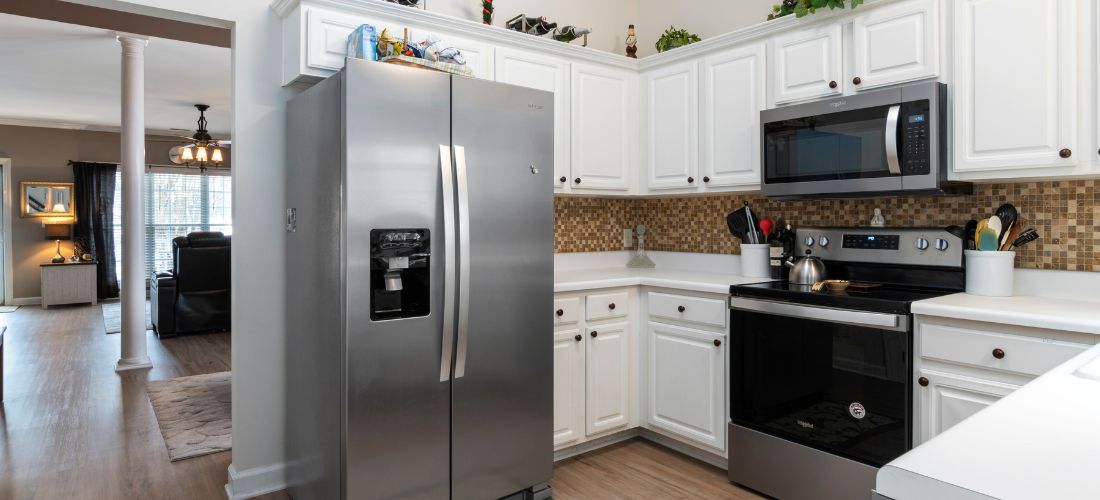
The refrigerator wattage of a home fridge depends on its size, technology, and usage habits. On average, a modern refrigerator uses between 100 and 800 watts, but the actual power consumption for refrigerator models can vary based on cooling settings, compressor type, and how often the door is opened.
If you have ever checked your electricity bill and wondered how much your fridge contributes, understanding the wattage of refrigerator models can help you save energy and reduce monthly costs. In this guide, we will explain refrigerator power usage in a simple and practical way.
What Is Refrigerator Wattage?
Refrigerator wattage means the amount of electrical power a fridge uses to operate. It is measured in watts (W). Every refrigerator needs electricity to run the compressor, fans, lights, and cooling system.
When people search for terms like
- refrigerator in watts
- fridge watt
- watt of fridge
- refrigerator wattage
- wattage for refrigerator
They are usually trying to understand the following:
- How much electricity their fridge uses
- Whether their appliance is energy efficient
- How much it costs to run monthly
- What size inverter or generator is needed
The wattage of a refrigerator directly affects energy consumption and electricity bills.
Read More: how much electricity does an air conditioner use?
Average Refrigerator Wattage by Type
Different refrigerators use different amounts of power. Here is a general idea of common refrigerator wattage ranges.
| Refrigerator Type | Average Running Watts |
|---|---|
| Mini fridge | 50–100 watts |
| Single-door refrigerator | 100–250 watts |
| Double-door refrigerator | 200–500 watts |
| Side-by-side refrigerator | 500–800 watts |
| Commercial refrigerator | 800–2000 watts |
A standard home refrigerator in India usually consumes around 150 to 400 watts during operation.
However, refrigerators do not run continuously. The compressor turns on and off throughout the day, which reduces actual energy usage.
How Many Watts Does a Refrigerator Use Per Day?
Many people confuse running watts with total daily consumption.
For example:
- A refrigerator with a 200W rating does not consume 200 watts all day continuously.
- The compressor cycles on and off depending on temperature.
A typical refrigerator runs about 8 to 12 hours per day in cooling cycles.
Example Calculation
If your fridge uses 200 watts and runs for 10 hours daily:
200 \times 10 = 2000\text{ watt-hours} = 2\text{ kWh}
That means your refrigerator uses about 2 units of electricity per day.
If electricity costs ₹8 per unit:
2 \times 8 = 16
Your fridge may cost around ₹16 per day to operate.
Read More: https://www.klkindia.com/how-much-electricity-does-an-air-conditioner-use/
Factors That Affect Refrigerator Wattage
The actual energy consumption of refrigerator models depends on several important factors.
1. Refrigerator Size
Larger refrigerators need more electricity because they cool a bigger space.
For example:
- Small mini fridge: 70 watts
- Medium family fridge: 250 watts
- Large side-by-side refrigerator: 700 watts
If you buy a fridge larger than your actual need, you may waste electricity every month.
2. Compressor Technology
Modern inverter refrigerators are more energy efficient than traditional models.
Normal Compressor
- Runs at fixed speed
- Turns fully ON and OFF
- Uses more electricity
Inverter Compressor
- Adjusts speed based on cooling needs
- Saves power
- Produces less noise
In many Indian homes, switching to an inverter refrigerator reduces electricity usage noticeably over time.
3. Temperature Setting
Lower temperature settings increase refrigerator wattage.
If the thermostat is set too cold:
- Compressor works harder
- Cooling cycles increase
- Energy usage rises
For regular home use:
- Refrigerator section: 3°C to 5°C
- Freezer: around -18°C
These settings are usually enough for safe food storage.
4. Frequency of Door Opening
Every time the fridge door opens, warm air enters inside.
This causes:
- Longer compressor operation
- Higher power consumption
- Increased cooling load
In busy households where the refrigerator is opened repeatedly, electricity usage naturally becomes higher.
5. Room Temperature
A refrigerator in a hot kitchen uses more electricity than one placed in a cooler room.
During Indian summers, especially in cities with high temperatures, refrigerators consume more power because the compressor runs longer.
Keeping the fridge away from:
- direct sunlight
- gas stoves
- ovens
can improve efficiency.
Starting Watts vs Running Watts
This is one of the most misunderstood topics.
Running Watts
These are the normal watts used during operation.
Starting Watts
When the compressor starts, the fridge briefly needs extra power.
For example:
| Refrigerator Type | Running Watts | Starting Watts |
|---|---|---|
| Small fridge | 100W | 300W |
| Medium refrigerator | 250W | 800W |
| Large fridge | 700W | 2200W |
This is important when choosing:
- inverter size
- generator capacity
- solar backup systems
Many people only check running watts and forget about startup power requirements.
How to Find Refrigerator Wattage
There are several easy ways to check your refrigerator’s wattage.
Check the energy label.
Most refrigerators have a label showing:
- voltage
- amperage
- wattage
- yearly energy consumption
You can usually find it:
- inside the fridge
- behind the refrigerator
- near the compressor
Use the formula.
If wattage is not mentioned, you can calculate it.
Formula:
\text{Watts} = \text{Voltage} \times \text{Current}
Example:
If your refrigerator uses:
- 230 volts
- 1.2 amps
Then:
230 \times 1.2 = 276\text{ watts}
Your fridge uses approximately 276 watts.
Use a Power Meter
A plug-in energy meter gives the most accurate reading.
It can show:
- real-time power usage
- daily electricity consumption
- monthly energy cost
This is useful if you want to monitor appliance efficiency.
Refrigerator Energy Consumption Per Month
Let’s understand monthly electricity usage with a practical example.
Suppose your refrigerator uses:
- 2 kWh per day
Monthly usage:
2 \times 30 = 60\text{ kWh}
If electricity cost is ₹8 per unit:
60 \times 8 = 480
Monthly operating cost = approximately ₹480.
Actual bills may vary depending on:
- refrigerator age
- weather
- cooling settings
- family usage habits
Does an Old Refrigerator Use More Electricity?
Yes, older refrigerators usually consume much more electricity.
Reasons include:
- outdated compressor technology
- weak insulation
- worn-out seals
- inefficient cooling systems
A 15-year-old refrigerator may use almost double the power of a modern energy-efficient model.
Many homeowners notice reduced electricity bills after upgrading to a newer refrigerator.
How Star Ratings Affect Refrigerator Wattage
In India, refrigerators come with BEE star ratings.
Higher star ratings mean:
- lower electricity consumption
- better energy efficiency
- reduced operating cost
General Idea
| Star Rating | Efficiency |
|---|---|
| 1 Star | High electricity usage |
| 3 Star | Moderate efficiency |
| 5 Star | Best energy savings |
Although 5-star refrigerators cost more initially, they usually save money over the long term.
Tips to Reduce Refrigerator Power Consumption
You can reduce refrigerator energy usage without compromising cooling performance.
Keep the door closed.
Avoid keeping the refrigerator open unnecessarily.
Even a few extra seconds can affect cooling cycles.
Do Not Put Hot Food Inside
Hot food increases internal temperature.
Allow food to cool before refrigeration.
Clean the condenser coils.
Dusty condenser coils make the compressor work harder.
Cleaning them every few months improves efficiency.
Maintain Proper Airflow
Leave some space around the refrigerator for ventilation.
Avoid pushing the fridge tightly against the wall.
Check Door Seals
Loose or damaged door gaskets leak cool air.
This increases refrigerator wattage and energy consumption.
Avoid Overloading
Overstuffed refrigerators block airflow.
Proper organization helps cooling work efficiently.
Refrigerator Wattage for Solar Systems
Many people installing solar panels ask:
“How many solar panels are needed for a refrigerator?”
The answer depends on:
- fridge wattage
- daily runtime
- battery backup
- inverter capacity
For example:
A refrigerator using 2 kWh daily may require the following:
- 600W to 1000W solar setup
- proper battery storage
Always include startup watts when designing a solar backup system.
Read More: Solar Panel Wattage Explained
Refrigerator Wattage for Inverters
Power cuts are common in many areas, so people often connect refrigerators to home inverters.
Before doing that, remember:
- inverter should handle startup watts
- battery capacity should support long backup
- pure sine wave inverters work best
A small inverter may fail if the refrigerator compressor starts suddenly.
Common Refrigerator Wattage Myths
Myth 1: Refrigerators Run 24 Hours Continuously
False.
The compressor cycles ON and OFF throughout the day.
Myth 2: Bigger Refrigerators Always Use Much More Electricity
Not always.
Modern large inverter refrigerators can sometimes use less power than older small models.
Myth 3: Lower Temperature Means Better Food Storage
Extremely low settings only increase electricity usage and may freeze fresh food unnecessarily.
Choosing an Energy-Efficient Refrigerator
When buying a refrigerator, do not focus only on price.
Check:
- BEE star rating
- inverter technology
- annual energy consumption
- cooling features
- size according to family needs
Buying the right refrigerator can reduce electricity bills for many years.
Read more: can solar panels run ac in india
Final Thoughts
Understanding refrigerator wattage helps you make smarter decisions about electricity usage, inverter sizing, and appliance efficiency. A normal household refrigerator usually uses between 100 and 500 watts during operation, but actual energy consumption depends on cooling habits, room temperature, compressor technology, and maintenance.
If you want to reduce power consumption for refrigerator use:
- choose energy-efficient models
- maintain proper airflow
- avoid frequent door opening
- keep the appliance clean
Small habits can make a noticeable difference in long-term electricity costs while also improving refrigerator performance.
FAQs
1. How many watts does a refrigerator use?
Answer: A standard household refrigerator usually uses between 100 and 500 watts while running. Larger or commercial refrigerators may use more power.
2. What is the average refrigerator wattage in India?
Answer: Most home refrigerators in India use around 150 to 400 watts depending on size, star rating, and compressor technology.
3. Does a refrigerator run all day?
Answer: No, refrigerators do not run continuously. The compressor turns on and off throughout the day to maintain cooling temperatures.
4. How much electricity does a fridge consume per day?
Answer: A typical refrigerator consumes around 1 to 3 kWh (units) of electricity per day depending on usage and efficiency.
5. Do inverter refrigerators use less electricity?
Answer: Yes, inverter refrigerators are more energy efficient because they adjust compressor speed according to cooling needs instead of switching fully on and off.
6. How can I check my refrigerator wattage?
Answer: You can check the wattage on the appliance label or manufacturer manual, or calculate it using voltage and current.
7. Does opening the fridge often increase electricity consumption?
Answer: Yes, frequent door opening allows warm air inside, making the compressor work harder and increasing power consumption.
8. What size inverter is needed for a refrigerator?
Answer: The inverter should handle both running watts and starting watts of the refrigerator. A fridge may require 2–3 times more power during startup.
9. Does an old refrigerator consume more electricity?
Answer: Older refrigerators usually consume more electricity due to outdated compressors and weaker insulation systems.
10. Which refrigerator saves the most electricity?
Answer: A 5-star rated inverter refrigerator generally offers the best energy efficiency and lower electricity bills.