
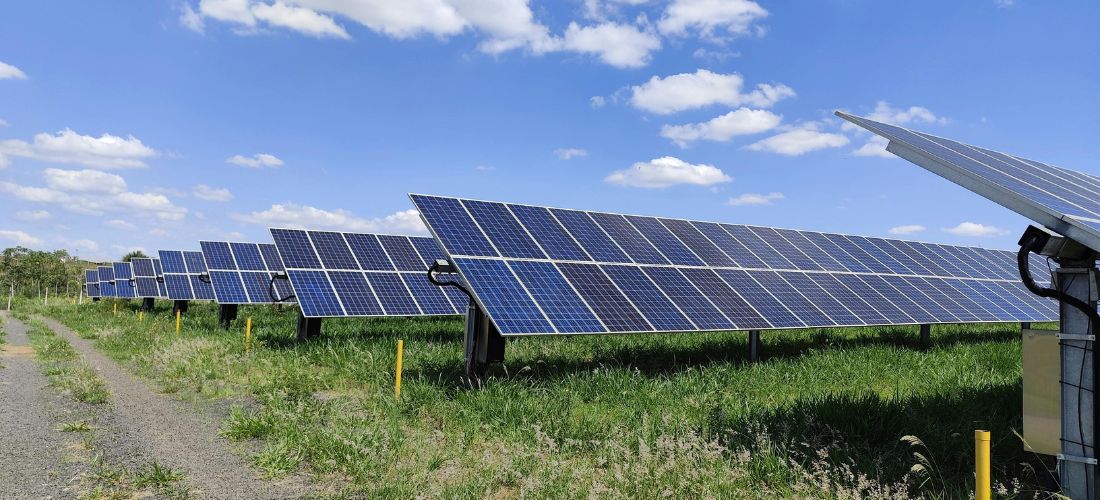
Electricity bills in India are increasing every year, and many homeowners are now searching for smarter ways to reduce monthly expenses. One of the most common questions people ask before switching to solar is: how many solar panels do you need to power a house? The answer depends on your electricity usage, roof size, panel efficiency, and sunlight availability in your area.
At Klk Ventures, we help homeowners understand the right solar setup based on their actual power needs. A properly planned solar system can reduce electricity bills, increase property value, and provide long-term savings for more than 20 years.
Solar Power for Homes in India: Why More Families Are Switching in 2026
Solar energy is no longer considered a luxury in India. In 2026, it has become a practical investment for middle-class and upper-middle-class households looking to control rising electricity costs.
Modern solar systems are more efficient than ever before. With improved panel technology and government subsidies, homeowners can now recover their investment faster while enjoying lower monthly bills.
Some major reasons why people are installing solar panels for home use include:
- High electricity tariff rates
- Frequent power cuts in some areas
- Long-term savings
- Reduced dependence on the grid
- Eco-friendly energy generation
- Government subsidy benefits
A residential solar system works by converting sunlight into electricity through photovoltaic (PV) panels installed on rooftops. During the daytime, the generated electricity powers household appliances, and excess power can be exported to the grid through net metering.
How Many Solar Panels Do You Need To Power A House?
The number of solar panels required depends mainly on your monthly electricity consumption.
A small home with limited appliances may only need a 2kW system, while a large villa with multiple ACs may require a 10kW setup or more.
Basic Formula to Calculate Solar Panel Requirement
You can estimate the number of panels using this formula:
Total System Size Required (kW) ÷ Wattage of One Solar Panel = Number of Panels
For example:
- Required system size = 5kW
- Panel capacity = 500W
Calculation:
5000W ÷ 500W = 10 panels
So, a 5kW system typically needs around 10 solar panels of 500W each.
Step-by-Step Guide to Calculate Solar Panels for Your Home
Step 1: Check Your Monthly Electricity Bill
Look at your electricity bill and find your average monthly unit consumption (kWh).
Most Indian homes consume:
| Home Type | Monthly Units |
|---|---|
| 1 BHK Apartment | 150–250 units |
| 2 BHK Home | 250–450 units |
| 3 BHK Home | 450–700 units |
| Large Villa | 700+ units |
If your electricity usage changes during summer and winter, calculate the yearly average.
Step 2: Convert Monthly Usage Into Daily Consumption
Divide your monthly units by 30.
Example:
450 units ÷ 30 = 15 units per day
Your house consumes approximately 15 kWh daily.
Step 3: Estimate Required Solar System Size
In India, a 1kW solar system generally produces around 4 to 5 units per day depending on sunlight conditions.
If your home uses 15 units daily:
15 ÷ 5 = 3kW system
You may need a 3kW solar system.
Step 4: Calculate Number of Solar Panels
Now divide the total system size by panel wattage.
Example using 540W panels:
3000W ÷ 540W = 5.5 panels
Rounded up, you would need approximately 6 solar panels.
Solar Panel Requirement Based on House Size
Here’s a simple estimate for Indian households in 2026.
| House Size | Average Daily Usage | Recommended System | Approximate Panels Needed |
|---|---|---|---|
| Small Apartment | 5–7 units | 1kW–2kW | 2–4 panels |
| Medium Family Home | 10–15 units | 3kW–5kW | 6–10 panels |
| Large House | 20–30 units | 6kW–8kW | 12–16 panels |
| Luxury Villa | 35+ units | 10kW+ | 18–24 panels |
The final number can vary depending on panel efficiency and local weather conditions.
Understanding Solar Panel Capacity in 2026
Solar technology has improved significantly over the past few years. Earlier, homes needed many small panels to generate enough electricity. Today, fewer high-efficiency panels can produce more power.
Most residential solar panels in 2026 range between:
- 400W
- 450W
- 500W
- 540W
- 550W
Higher-wattage panels are ideal for homes with limited roof space because they generate more electricity using fewer panels.
How Many Solar Panels Are Required for 1kW?
A 1kW solar system generally requires:
| Panel Wattage | Panels Required |
|---|---|
| 400W | 3 panels |
| 500W | 2 panels |
| 550W | 2 panels |
Modern high-efficiency panels reduce the number of modules required.
Roof Space Required for Solar Panels
Many homeowners ask whether their rooftop is large enough for solar installation.
Here’s a rough estimate:
| System Size | Roof Space Required |
|---|---|
| 1kW | 80–100 sq. ft. |
| 3kW | 250–300 sq. ft. |
| 5kW | 400–500 sq. ft. |
| 10kW | 800–1000 sq. ft. |
Factors like shading, roof direction, and tilt angle also affect system performance.
South-facing roofs generally provide better output in India.
Important Factors That Affect Solar Panel Count
1. Electricity Usage
The more appliances you use, the larger the system required.
Homes with:
- Air conditioners
- Water heaters
- Refrigerators
- Washing machines
- EV charging
usually need bigger solar systems.
2. Sunlight Availability
Cities with strong sunlight throughout the year generate more electricity.
States like:
- Rajasthan
- Gujarat
- Maharashtra
usually produce better solar output compared to regions with heavy monsoons.
3. Panel Efficiency
High-efficiency panels generate more electricity in less space.
Modern mono PERC and TOPCon panels are highly preferred in 2026.
4. Roof Shadows
Trees, water tanks, nearby buildings, and poles can reduce solar generation.
Even partial shading may affect the output of multiple panels.
5. Future Electricity Needs
Many homeowners now install slightly larger systems because electricity consumption often increases later.
For example:
- Adding more ACs
- Buying an electric vehicle
- Expanding the house
- Installing automation systems
Planning ahead can save future upgrade costs.
Types of Solar Panels for Residential Homes
Choosing the right type of solar panel is equally important.
Monocrystalline Solar Panels
These are the most popular residential panels today.
Benefits:
- High efficiency
- Better performance
- Longer lifespan
- Space-saving design
TOPCon Solar Panels
TOPCon technology is becoming very popular in 2026 because of its excellent efficiency.
Advantages include:
- Better low-light performance
- Higher energy output
- Improved durability
- Lower degradation rate
Polycrystalline Solar Panels
These are more affordable but slightly less efficient.
They are suitable for:
- Budget-conscious homeowners
- Large rooftop spaces
Average Cost of Solar Panels for Home in India (2026)
Solar installation costs depend on:
- System size
- Panel brand
- Inverter quality
- Structure material
- Installation complexity
Estimated Residential Solar Costs
| System Size | Approximate Price Range |
|---|---|
| 1kW | ₹45,000 – ₹70,000 |
| 3kW | ₹1.5 lakh – ₹2.2 lakh |
| 5kW | ₹2.5 lakh – ₹3.8 lakh |
| 10kW | ₹5 lakh – ₹7 lakh |
Disclaimer: These are basic standard prices and not fixed prices. Costs may increase or decrease depending on market conditions, installation location, brand selection, roof structure, and government policy changes.
Government Subsidy on Rooftop Solar in India
The Indian government continues promoting rooftop solar adoption through subsidy programs.
Under schemes like PM Surya Ghar Muft Bijli Yojana, eligible homeowners can receive financial assistance for residential solar systems.
Subsidies can significantly reduce the upfront installation cost.
Before installation, homeowners should:
- Verify vendor approvals
- Check subsidy eligibility
- Confirm local DISCOM rules
- Understand net metering policies
Benefits of Installing Solar Panels for Your Home
Lower Electricity Bills
This is the biggest advantage.
Many homeowners reduce their bills by:
- 60%
- 80%
- Even 90% in some cases
depending on system size and electricity usage.
Long-Term Savings
A good solar system can last 25 years or more.
That means:
- Decades of reduced bills
- Better return on investment
- Lower dependence on electricity price hikes
Eco-Friendly Energy
Solar power reduces carbon emissions and supports cleaner energy production.
A residential solar system helps lower reliance on fossil fuels.
Increased Property Value
Homes with installed solar systems are becoming more attractive to buyers.
People prefer houses with:
- Lower utility costs
- Energy-efficient infrastructure
Energy Independence
Solar systems provide more control over electricity generation.
With battery backup systems, homeowners can also manage power outages more effectively.
Must Read: solar panel installation cost in india
Common Mistakes to Avoid When Installing Solar Panels
Choosing a Smaller System
Some homeowners install smaller systems to save money initially but later regret not meeting full electricity demand.
Ignoring Roof Quality
Before installation, ensure your roof structure is strong enough for long-term panel support.
Focusing Only on Cheapest Price
Low-cost systems may use:
- Poor-quality panels
- Low-grade wiring
- Weak mounting structures
This can affect safety and long-term performance.
Not Checking Warranty
Always check:
- Panel warranty
- Inverter warranty
- Installation support
- Performance guarantees
Is Solar Worth It for Indian Homes in 2026?
For most homeowners, the answer is yes.
Electricity prices continue to rise every year, while solar technology is becoming more affordable and efficient.
A properly designed solar system can:
- Recover investment within a few years
- Provide free electricity for decades
- Increase energy security
- Reduce monthly expenses
Many families now consider solar not just an environmental choice but also a smart financial decision.
How Klk Ventures Helps Homeowners Choose the Right Solar System
At Klk Ventures, we help homeowners select solar systems based on real electricity usage and rooftop conditions.
Our team focuses on:
- Proper system sizing
- High-efficiency solar panels
- Quality installation
- Long-term performance
- Reliable after-sales support
Every house is different, which is why customized planning is important before installation.
Final Thoughts
Understanding how many solar panels do you need to power a house is the first step toward reducing electricity bills and switching to cleaner energy.
The right solar setup depends on:
- Monthly electricity consumption
- Roof size
- Panel efficiency
- Future power needs
- Local sunlight conditions
In 2026, most Indian homes typically require:
- 2 to 12 solar panels
- 1kW to 5kW systems
depending on lifestyle and appliance usage.
With better technology, government support, and long-term savings, solar energy has become one of the smartest investments for homeowners in India.
Before making a final decision, always consult experienced professionals who can analyze your rooftop and recommend the most suitable system for your needs.
Must Read: solar energy can reduce electricity bills