
Green Energy Solutions: Why More Indian Homes and Businesses Are Making the Switch
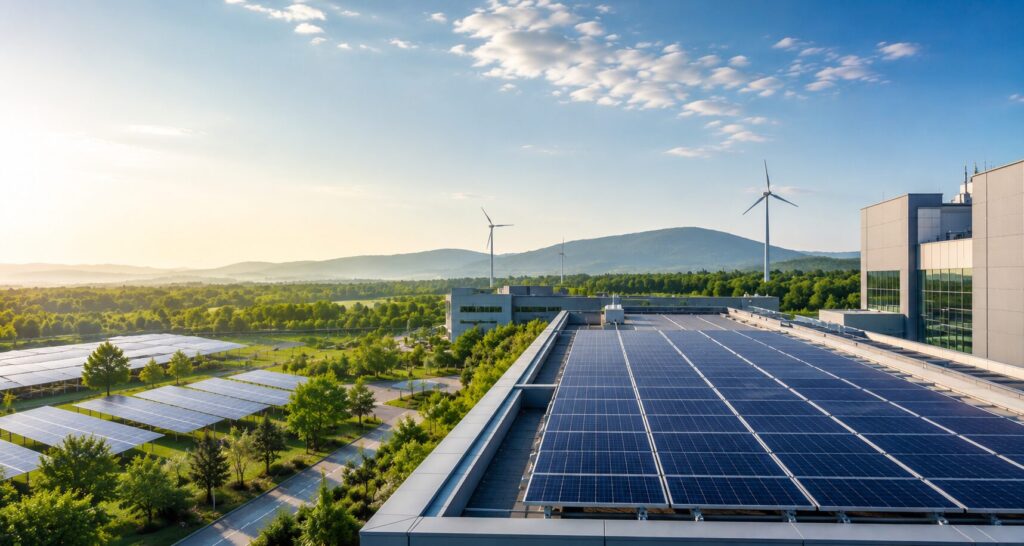
Every month, electricity bills climb a little higher, and the conversation around power in India is changing with them. Green energy solutions are no longer a niche idea reserved for eco-conscious early adopters. They are becoming the practical, cost-effective choice for homeowners, factories, and businesses that want reliable power without depending entirely on the grid. At KLK Ventures, we’ve spent years helping clients move from conventional electricity to solar-based green energy solutions, and we’ve learned that the shift works best when it’s approached with patience and the right guidance, not hype. Quick stat — Most households and businesses that switch to rooftop solar see a 60–90% drop in their monthly grid electricity bill, depending on system size and consumption pattern. What Are Green Energy Solutions, Really? Green energy solutions cover any system that generates power from renewable, low-impact sources — solar, wind, small hydro, and biomass among them. In India, solar power leads the way. Rooftop solar installations in particular have become the most accessible entry point for households and small businesses, because they require less land, work with existing infrastructure, and pay for themselves over a few years. Unlike fossil-fuel-based power, solar energy doesn’t run out, doesn’t pollute during operation, and doesn’t fluctuate wildly with global fuel prices. That stability alone is why so many businesses now treat solar as a financial decision as much as an environmental one. Why the Shift Is Happening Now A few factors have pushed green energy solutions from optional to essential: Rising grid electricity costs. Commercial and industrial tariffs have increased steadily, making solar payback periods shorter than they were even five years ago. Falling equipment prices. Solar panel and inverter costs have dropped significantly, while efficiency has improved, so a smaller rooftop can now produce more power than before. Government support. Central and state subsidy schemes, net metering policies, and simplified approval processes have made installation far less complicated than it used to be. Our team handles the subsidy paperwork directly, so clients don’t have to navigate it alone. Corporate sustainability goals. Many businesses now need to show measurable progress on carbon reduction, and on-site solar is one of the most direct ways to do that. Choosing the Right Green Energy Partner Not every solar installer offers the same level of service, and this is where a lot of buyers get stuck. A trustworthy green energy solutions provider should walk you through site assessment, system sizing, equipment selection, subsidy paperwork, installation, and after-sales maintenance — not just sell you panels and disappear. At KLK Ventures, our approach is fairly simple: we start with a free site assessment, look at your actual consumption pattern, roof or land capacity, and budget, then design a system around those realities rather than pushing a one-size-fits-all package. We’d rather recommend a smaller, well-matched system that performs reliably than an oversized one that looks impressive on paper. Thinking about a system for your property? Request a free site assessment and we’ll tell you honestly whether solar makes sense for your space. The Bigger Picture Switching to green energy solutions isn’t just about lowering your own electricity bill, though that matters. It’s also a small, tangible contribution to reducing dependence on coal-based power, which still supplies a large share of India’s electricity grid. Every rooftop system installed is one less household or business drawing entirely from that grid. We don’t claim solar is the answer to every energy problem, and it isn’t the right fit for every property. But for most homes and businesses with decent roof space and consistent daytime power needs, it’s one of the more sensible long-term investments available today. Frequently Asked Questions What are green energy solutions? Green energy solutions are power systems that generate electricity from renewable sources like sunlight, wind, or biomass instead of fossil fuels. In residential and commercial settings across India, solar power is the most common and accessible option. How much can I save by switching to solar-based green energy solutions? Most households and businesses see a 60–90% reduction in their monthly grid electricity bill after switching to solar. The exact figure depends on your current consumption, local tariff rates, and system size. Is rooftop solar suitable for every home or business? Rooftop solar works well for most properties with decent sun exposure, but it isn’t right for every roof. A free site assessment is the fastest way to confirm whether your property, shading, and orientation are a good fit. How long does a green energy solutions installation take? Most rooftop solar installations are completed within one to three weeks, depending on system size, approvals, and net metering paperwork with the local electricity board. Do green energy solutions require a lot of maintenance? Solar systems need minimal maintenance. Routine panel cleaning a few times a year, plus periodic inspections, is typically enough to keep the system performing efficiently for 20–25 years. If you’re exploring green energy solutions for your home or business, we’re happy to walk you through what a system would look like for your specific space — no pressure, just an honest assessment. GET YOUR FREE SOLAR ASSESSMENT →
Solar Maintenance Services: Why Regular Upkeep Is the Real Secret to a Profitable Solar System
Installing a solar power system is a smart investment that helps reduce electricity bills and supports a greener future. However, installation is only the beginning. To ensure your solar panels continue delivering maximum energy output for years, regular Solar Maintenance Services are essential. Over time, dust accumulation, loose electrical connections, inverter issues, and environmental wear can gradually reduce your system’s performance. These problems often develop silently, causing energy losses that may go unnoticed until your savings begin to decline. At KLK Ventures, we provide comprehensive Solar Maintenance Services designed to keep your residential, commercial, and industrial solar systems operating at peak efficiency throughout their lifespan. Why Solar Maintenance Services Are Important Many solar system owners assume their panels require little to no maintenance. While solar systems are highly reliable, they still need periodic inspections and servicing to maintain optimal performance. Without routine maintenance, you may experience: Reduced energy generation due to dust and debris Lower efficiency from dirty solar panels Inverter performance issues Loose or damaged electrical wiring Increased risk of unexpected system failures Reduced return on investment (ROI) Regular maintenance helps detect these issues early, preventing costly repairs while maximizing your system’s energy production. What Do Professional Solar Maintenance Services Include? A professional Solar Annual Maintenance Contract (AMC) covers much more than basic panel cleaning. It is a complete preventive maintenance program designed to protect every component of your solar installation. 1. Comprehensive System Inspection Our technicians conduct scheduled inspections of: Solar panels Solar inverter DC and AC wiring Mounting structures Earthing system Junction boxes Grid connection Early detection of minor faults prevents major system failures and expensive repairs. 2. Professional Solar Panel Cleaning Dust, pollution, bird droppings, leaves, and other contaminants gradually reduce panel efficiency. Our scheduled cleaning services help: Restore maximum sunlight absorption Improve energy generation Reduce power losses Extend panel lifespan Professional cleaning ensures your solar panels continue operating at their highest efficiency. 3. Fast Repairs and Troubleshooting If any component develops a fault, our technical team provides prompt repair services for: Solar panels Inverters Electrical connections Connectors Mounting hardware Quick response minimizes downtime and helps restore full power generation as soon as possible. 4. Continuous Performance Monitoring Instead of waiting for annual inspections, KLK Ventures continuously monitors your system’s performance to identify abnormalities before they become serious problems. This proactive approach allows us to: Detect efficiency drops Identify inverter faults Monitor energy generation Prevent long-term production losses Benefits of Regular Solar Maintenance Services Routine maintenance offers significant long-term advantages, including: Improved solar panel efficiency Higher electricity generation Lower maintenance costs Extended system lifespan Maximum return on investment Reduced downtime Increased operational reliability Better overall system safety Whether you own a residential rooftop system or a large commercial installation, preventive maintenance ensures consistent performance year after year. Why Choose KLK Ventures for Solar Maintenance Services? KLK Ventures is a trusted Solar EPC Company with more than three decades of engineering expertise. Backed by manufacturing facilities in Noida (Uttar Pradesh) and Bihar, we offer complete solar solutions—from design and installation to long-term maintenance. Manufacturing-Level Technical Expertise Our engineers understand the complete design and construction of solar systems, allowing us to diagnose root causes rather than simply treating symptoms. End-to-End Solar Solutions Unlike third-party maintenance providers, KLK Ventures manages: Solar design Installation Commissioning Energy storage Maintenance Annual Maintenance Contracts This ensures complete accountability for your solar investment. Maintenance for All Solar Systems Our maintenance services cover: Residential rooftop solar systems Commercial solar plants Industrial solar installations Government solar projects On-grid solar systems Off-grid solar systems Hybrid solar systems Solar water pumping systems No matter the system size or configuration, our experts provide customized maintenance solutions. Long-Term AMC Support Our Annual Maintenance Contracts are designed to provide ongoing care rather than one-time servicing. With scheduled inspections, preventive maintenance, and prompt technical support, your solar system continues delivering reliable performance year after year. Signs Your Solar System Needs Maintenance If you notice any of the following, it’s time to schedule professional maintenance: Lower electricity savings Reduced solar generation Dirty solar panels Frequent inverter warnings Unexpected shutdowns Visible wiring damage Loose mounting structures Abnormal monitoring reports Addressing these issues early helps avoid costly repairs and prolonged energy losses. Invest in Long-Term Solar Performance A solar power system is designed to operate for decades—but only with proper care. Professional Solar Maintenance Services help maintain efficiency, reduce downtime, protect critical components, and maximize your return on investment. With KLK Ventures’ expert Annual Maintenance Contracts, your solar system continues performing the way it was designed—from day one through every year ahead. If you want reliable energy production, lower maintenance costs, and peace of mind, investing in professional solar maintenance is the smartest decision you can make. Frequently Asked Questions (FAQs) 1. How often should solar panels be professionally maintained? Most solar systems should be cleaned every 3–6 months, while a complete technical inspection is recommended at least once a year. Areas with heavy dust or pollution may require more frequent servicing. 2. What is included in a Solar Annual Maintenance Contract (AMC)? A Solar AMC typically includes: Solar panel cleaning Inverter inspection Wiring and electrical checks Performance testing Preventive maintenance Fault diagnosis Repair support System monitoring 3. Can poor maintenance reduce my solar savings? Yes. Dust accumulation, inverter issues, loose connections, and unnoticed faults gradually reduce power generation, lowering your electricity savings over time. 4. Does KLK Ventures provide Solar Maintenance Services for residential and commercial systems? Yes. KLK Ventures offers maintenance solutions for: Residential solar systems Commercial installations Industrial solar plants Government projects Institutional solar systems 5. Is maintenance necessary for off-grid solar systems and solar water pumps? Absolutely. Off-grid systems include batteries, charge controllers, and pumps that require regular inspections to ensure reliable operation and prevent unexpected failures.
Solar Systems for Commercial Use: Why Businesses in India Are Making the Switch
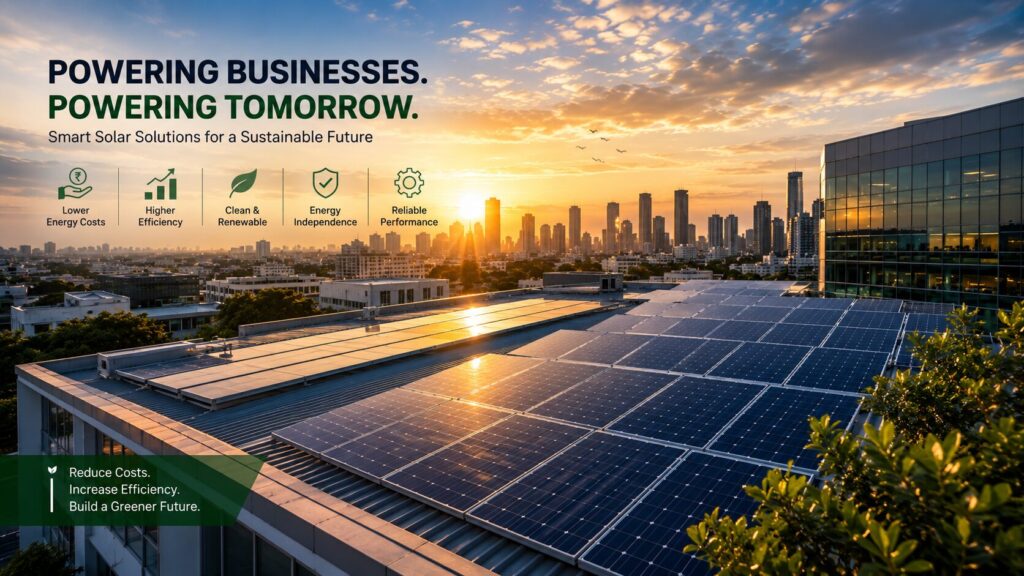
Electricity bills don’t stay flat — they climb every year, and for a business running machinery, HVAC, or long operating hours, that climb hits the bottom line hard. This is exactly why more factories, hotels, hospitals, and offices across India are turning to solar systems for commercial use. Beyond the obvious cost savings, going solar has become a practical, forward-looking decision for any business that wants predictable energy costs and a smaller environmental footprint. At KLK Ventures, a Noida-based company with roots going back over three decades in engineering and manufacturing, this shift toward solar systems for commercial use is something we help businesses navigate every day — from the first energy audit to the final installation. How Solar Systems for Commercial Buildings Actually Work A commercial solar setup isn’t just panels on a roof. It’s a small power plant tailored to your business: Panels capture sunlight and convert it into direct current (DC) electricity. Inverters convert that DC power into usable AC power for lighting, machinery, and equipment. Batteries (optional) store surplus energy for peak hours or outages. Net metering sends any extra power back to the grid, earning credits that lower your bill further. Monitoring tools track performance so maintenance stays minimal and efficiency stays high. The result is a system that draws on a completely natural, renewable resource — sunlight — and turns it into a dependable, everyday power source for your operations. Types of Commercial Solar Systems to Consider Not every business has the same roof space, budget, or power needs, which is why solar systems for commercial use come in a few different formats: Rooftop Solar — the most common choice, using existing roof space efficiently. Grid-Tied Solar — connected to the grid, with net metering credits for surplus generation. Hybrid Solar — solar plus battery storage, useful where outages are frequent. Off-Grid Solar — fully independent systems for locations without reliable grid access. Who Benefits Most Manufacturing units, retail chains and shopping malls, schools and colleges, corporate offices, hotels and resorts, and hospitals are among the businesses seeing the biggest gains from switching to solar. Any operation with high daytime energy use — when solar generation naturally peaks — tends to see the fastest return on investment. The Real Advantages Lower operating costs through reduced electricity expenditure Government incentives, including rebates, grants, and tax benefits for commercial installations Energy independence from grid price hikes and outages Minimal upkeep, since commercial-grade panels typically last 25+ years with low servicing needs A stronger brand image, since sustainability commitments matter to clients, investors, and employees alike Why Businesses Choose KLK Ventures Plenty of vendors will sell you panels. Fewer can carry a commercial project from design through decades of upkeep — which is where KLK Ventures’ three decades of engineering and manufacturing background actually shows up in the details: End-to-End EPC Expertise KLK Ventures handles engineering, procurement, and construction under one roof, so a commercial project doesn’t get split across multiple vendors with conflicting timelines. One team owns the design, the equipment sourcing, and the on-site build. Customized Engineering, Not a Standard Package Every commercial site has a different roof structure, load profile, and shading pattern. Systems are engineered around your actual energy consumption and site conditions, with in-house battery manufacturing giving more flexibility on storage design than a reseller could offer. Experienced Installation Teams Installation is handled by teams who’ve worked across manufacturing plants, hotels, hospitals, and warehouses, not subcontracted out to whoever’s available. That matters for commercial sites, where installation has to work around live operations without disrupting the business. Annual Maintenance Support (AMC) The relationship doesn’t end at commissioning. AMC coverage includes panel cleaning, performance inspection, fault detection, and preventive maintenance, so output stays consistent across the system’s 25+ year lifespan instead of degrading quietly. Key Takeaways Commercial solar systems cut electricity costs while paying for themselves within the panel’s 25+ year lifespan. Rooftop, grid-tied, hybrid, and off-grid are the four main system types — the right one depends on roof space, budget, and outage frequency. Manufacturing units, hotels, hospitals, and retail spaces with high daytime energy use see the fastest returns. Government rebates and tax benefits are available for commercial installations. KLK Ventures offers end-to-end EPC delivery, customized engineering, experienced installation teams, and ongoing AMC support. Frequently Asked Questions 1. How much can a business actually save with a commercial solar system? Savings depend on your current electricity consumption and system size, but most businesses see a meaningful reduction in monthly power bills, with many recovering their investment well within the panel’s 25-year lifespan. 2. Do commercial solar systems work during power outages? A grid-tied system alone won’t provide backup during an outage. For that, a hybrid solar system with battery storage is the better choice, since it keeps critical equipment running when the grid goes down. 3. What government incentives are available for commercial solar in India? Businesses can access rebates, tax benefits, and financing support for commercial solar installations. KLK Ventures assists clients in navigating and applying for these government-backed programs. 4. How much maintenance does a commercial solar system need? Very little. Routine cleaning and periodic performance checks are usually enough to keep a system running efficiently for its full 25+ year lifespan. 5. Is rooftop space always required for a commercial solar system? Rooftop solar is the most common setup, but businesses without adequate roof space can explore ground-mounted or off-grid alternatives depending on land availability. Conclusion Solar systems for commercial use are no longer a niche upgrade — they’re becoming a standard part of how efficient businesses manage energy costs and environmental responsibility. Whether you run a factory, a hotel, or a corporate office, a well-designed solar system pays for itself while reducing your dependence on an increasingly expensive grid. KLK Ventures brings over 30 years of engineering expertise to every installation, helping businesses across India make that switch with confidence. Ready to explore your options? Talk to KLK Ventures about a commercial solar system built around
Solar Panel Installation: A Complete Guide for Indian Homes and Businesses
Your electricity bill isn’t going to get smaller on its own. Tariffs are rising almost every year, and every unit you pull from the grid costs a little more than it did last summer. Solar panel installation is one of the few home upgrades that actually pays you back—month after month, for the next 25 years. But the difference between a solar system that quietly cuts your bills for two decades and one that underperforms within a year comes down to exactly one thing: how it’s installed. At KLK Ventures, we’ve spent over 30 years building things that last—starting as K.L. Khanna Gears Industries, manufacturing heavy industrial gears, and evolving into one of the trusted solar companies in India. This guide walks you through exactly what a proper installation looks like, so you know what to expect and what to demand from your installer. What Solar Panel Installation Actually Involves Installation isn’t simply about bolting panels to the roof and walking away. A professional solar installation includes: Site assessment Structural engineering Panel mounting Inverter integration Electrical wiring Safety testing Grid or battery connection Skipping any one of these steps can reduce system performance—or even damage your roof. A reliable solar power company in India manages every stage under one roof, ensuring nothing falls through the cracks. The Solar Panel Installation Process (Step by Step) 1. Site Survey and Load Assessment An engineer evaluates: Roof strength Shadow-free installation area Previous 12 months of electricity bills This determines the correct system size. If the sizing is wrong, the entire system suffers. 2. System Design The installer designs your system based on: Number of solar panels Inverter capacity Wiring layout Mounting angle Regional sunlight conditions Every design should be customized for your property—not copied from another installation. 3. Approvals and Net Metering Your installer submits the required applications to your local DISCOM for net metering. This allows surplus electricity generated by your solar system to be exported to the grid, earning energy credits. 4. Mounting and Wiring The installation team: Mounts panels at the optimal tilt angle Installs the inverter Completes code-compliant electrical wiring Proper installation during this stage has the biggest impact on long-term performance. 5. Testing and Commissioning Before activation, the system undergoes: Electrical safety testing Performance verification Final commissioning This ensures the system is not just installed—but installed correctly. 6. Maintenance That Protects Performance Dust accumulation alone can reduce solar efficiency by 15–25%. To maintain optimal performance: Clean panels every 15–20 days Schedule one professional inspection annually Small maintenance habits protect a long-term investment. Why Your Installer Matters More Than the Solar Panel Brand Many solar problems begin with poor installation rather than poor equipment. An experienced solar company in India provides: System sizing based on actual electricity consumption Certified components with manufacturer warranties Compliance with electrical and safety regulations Accurate net metering documentation Reliable long-term after-sales support Choose an installer that will still support your system years after installation. Choose the Right Solar System System Type Best For Battery Required On-Grid Urban homes with reliable grid supply No Off-Grid Remote areas with frequent power cuts Yes Hybrid Homes needing backup power and bill savings Yes Explore KLK Ventures’ on-grid and off-grid solutions to determine the best option for your property. Solar Installation Cost and Return on Investment The total installation cost depends on: System capacity Solar panel quality Roof structure Battery requirements Government subsidy programs under the Ministry of New and Renewable Energy (MNRE) can significantly reduce the upfront investment. For a detailed cost breakdown, refer to our guide on Solar Panel Installation Cost in India, including expected payback periods for different household sizes. The Bottom Line A solar system is only as good as the people who install it. Every shortcut taken during installation eventually appears as: Lower electricity savings Reduced panel lifespan Roof damage Increased maintenance costs Carry out a proper load assessment, choose certified components, and partner with a trusted solar power company in India that provides long-term support—not just installation. Ready to switch to solar? Talk to KLK Ventures for a professional site assessment and a solar solution designed around the way you actually use electricity. Frequently Asked Questions 1. How long does solar panel installation take? A typical residential installation takes 3–7 days once approvals are in place, depending on system size and roof complexity. 2. Do I need government approval to install solar panels? Yes. Grid-connected systems require net metering approval from your local electricity distribution company (DISCOM). 3. What roof type is best for solar panels? Flat concrete (RCC) roofs are the easiest to work with, but sloped and metal roofs can also be fitted using the right mounting structures. 4. Can solar panels be installed on old buildings? Yes, as long as a structural inspection confirms the roof can safely bear the added load. Page 2 of 35 5. How much maintenance does a solar system need after installation? Very little — cleaning every 15–20 days plus one annual inspection is usually enough to keep output steady. 6. Is it better to go with a local solar company in India or an international brand? A local, established solar company in India usually means faster service response, simpler warranty claims, and installers who already know the local grid and subsidy rules inside out.
What Is a Hydroelectric Power Plant? Types, Working & Benefits
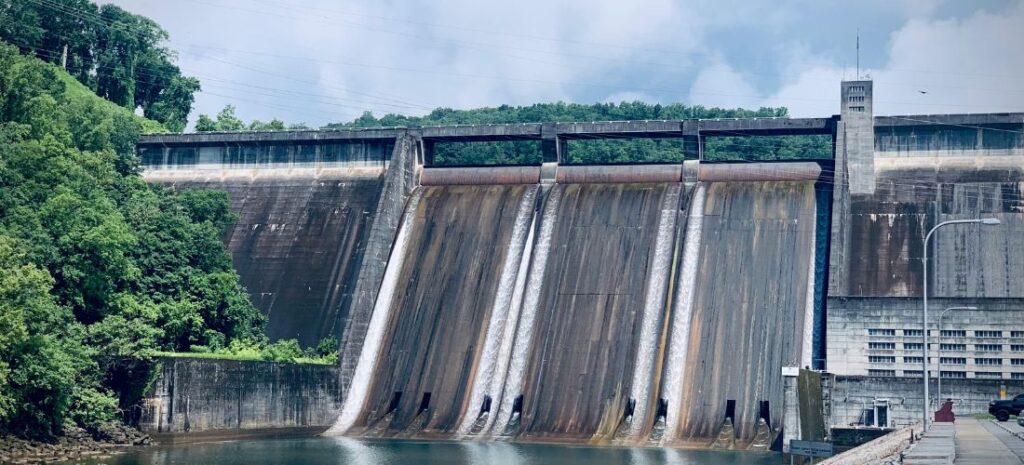
Water has been used for centuries to do useful work, from turning old wooden mills to producing electricity for modern cities. Today, a hydroelectric generating plant plays a major role in producing clean and renewable energy across the world. These plants use the force of flowing or falling water to generate electricity without burning fossil fuels. A hydroelectric power plant is one of the most reliable renewable energy systems because it can generate large amounts of electricity with low pollution. Countries like China, India, Brazil, Canada, and the United States use hydroelectric plants to meet growing electricity demand while reducing carbon emissions. According to the International Energy Agency (IEA), hydropower still produces around 15–16% of the world’s electricity, making it the largest source of renewable electricity globally. In this guide, you’ll learn how hydroelectric plants work, their major types, advantages, limitations, components, costs, and why they are important for the future of clean energy. What Is a Hydroelectric Power Plant? A hydroelectric power plant is a facility that converts the energy of moving water into electrical energy. It uses water stored in dams, rivers, or reservoirs to spin turbines connected to generators. The process is simple: Water flows through turbines Turbines rotate due to water pressure Generators convert this movement into electricity Electricity is sent through transmission lines to homes and industries This system is considered renewable because water is naturally replenished through the water cycle. Hydroelectric plants are also known as: Hydroelectric power station Hydrogeneration plant Hydroenergy plants Power plant hydroelectric systems Hydroelectric energy plant facilities Even though the names differ, the working principle remains the same. Quick Overview of Hydroelectric Power Plants Feature Details Energy Source Flowing or falling water Type of Energy Renewable energy Main Components Dam, turbine, generator, penstock Fuel Required No fossil fuel needed Pollution Level Very low Efficiency Around 85–95% Lifespan 50–100+ years Main Use Electricity generation Common Locations Rivers, dams, mountainous areas History of Hydroelectric Power The use of water energy is not new. Ancient civilizations used water wheels for grinding grains and irrigation. The first modern hydroelectric energy power plant was built in the late 19th century. Some important milestones include: 1878: First hydroelectric project demonstrated in England 1882: First commercial hydroelectric plant built in Wisconsin, USA 1902: Large hydro projects started growing worldwide Modern Era: Mega dams now generate thousands of megawatts India also has a long history of hydropower development. States like Himachal Pradesh, Uttarakhand, Kerala, and Sikkim have many hydroelectric plants because of their rivers and hilly terrain. How Does a Hydroelectric Power Plant Work? The working process of a hydroelectric generating plant is based on converting water energy into mechanical energy and then into electrical energy. Let’s understand it step by step. 1. Water Storage in Reservoir Most hydropower plants use a dam to store water in a reservoir. The stored water contains potential energy because of its height. The higher the water level, the greater the energy available. 2. Water Flows Through Penstock When electricity is needed, gates open and water flows through a large pipe called a penstock. The fast-moving water creates pressure as it moves downward. 3. Turbine Rotation The water strikes turbine blades and makes them spin rapidly. This converts water energy into mechanical energy. Different turbines are used depending on water pressure and flow speed. 4. Electricity Generation The turbine is connected to a generator. As the turbine spins, magnets inside the generator rotate and create electricity through electromagnetic induction. This is the core process inside every hydel power station. 5. Voltage Transformation The electricity produced is sent to transformers. Transformers increase voltage so electricity can travel long distances efficiently. 6. Transmission to Grid Finally, electricity moves through transmission lines to homes, offices, factories, and industries. The used water then returns to the river downstream. Main Components of a Hydroelectric Plant Understanding the parts of a hydroelectric plant helps explain how the entire system operates smoothly. Component Function Dam Stores water Reservoir Holds water at height Intake Gate Controls water flow Penstock Carries water to turbine Turbine Converts water energy into rotation Generator Produces electricity Transformer Increases voltage Powerhouse Contains turbines and generators Tailrace Returns water to river Types of Hydroelectric Power Plants Different hydroelectric plants are designed based on geography, water availability, and electricity demand. 1. Impoundment Hydroelectric Plant This is the most common type of hydroelectric energy plant. It uses a large dam to store water in a reservoir. How It Works Water is stored behind the dam Water is released through turbines Electricity is generated as turbines spin Advantages Large electricity production Water storage capability Flood control benefits Disadvantages Expensive construction Environmental impact on nearby ecosystems Example The Three Gorges Dam in China is one of the world’s largest hydroelectric plants. 2. Run-of-River Hydroelectric Plant This type uses the natural flow of rivers without large reservoirs. How It Works River water is diverted through turbines Water returns back to river flow Advantages Lower environmental impact Less land flooding Disadvantages Electricity generation depends on river flow Lower power generation during dry seasons This type is becoming popular in environmentally sensitive areas. 3. Pumped Storage Hydroelectric Plant A pumped storage hydroelectric generation plant works like a giant battery. How It Works Water is pumped uphill during low demand During high demand, water flows back down through turbines Advantages Stores excess electricity Supports grid stability Disadvantages High setup cost Requires suitable terrain These systems are useful for balancing solar and wind energy fluctuations. Read More: solar-power plant 4. Micro and Mini Hydroelectric Plants These are small-scale hydroelectric power plants designed for villages, farms, or remote areas. Features Small electricity output Lower construction costs Minimal environmental impact Many remote Himalayan villages use mini hydel power stations for local electricity supply. Types of Turbines Used in Hydroelectric Plants Different turbines are selected based on water pressure and flow conditions. Turbine Type Best For Pelton Turbine High head, low flow Francis Turbine Medium head Kaplan Turbine Low head, high flow Each turbine design improves efficiency under
Top 10 EV Charger Manufacturers in India 2026
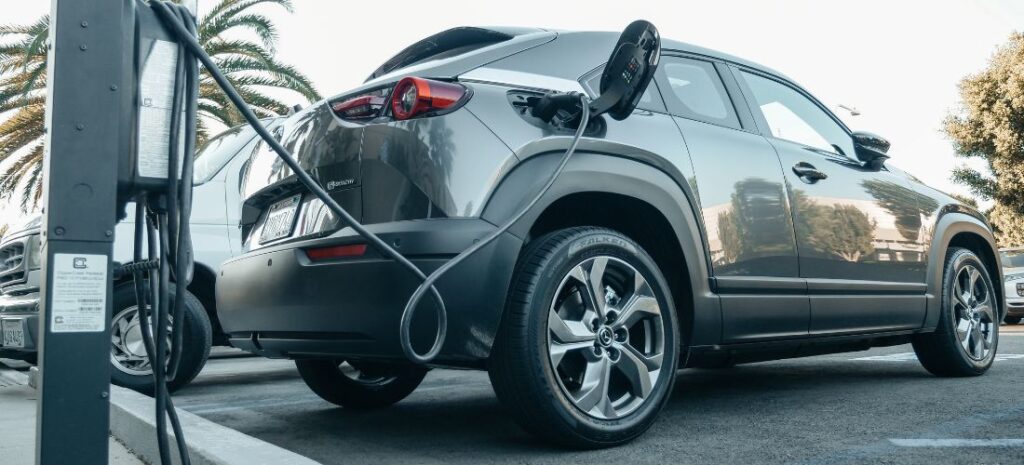
India’s electric vehicle market is growing faster than ever, and the demand for reliable charging infrastructure is rising alongside it. From highways and malls to office campuses and residential societies, EV charging stations are becoming a common sight across the country. As a result, the role of electric vehicle charger manufacturers has become extremely important in building a strong EV ecosystem. In 2026, the Indian EV charging market is expected to expand rapidly due to increasing EV adoption, government incentives, and rising fuel prices. According to industry reports, India’s EV charging infrastructure market could cross billions of dollars by 2030. This growth has encouraged many electric car charging station manufacturers and electric vehicle charger suppliers to invest in advanced charging technology, smart software, and faster charging networks. Today, India has several trusted companies manufacturing AC chargers, DC fast chargers, smart charging systems, and commercial EV charging stations. Some focus on residential charging, while others specialize in highway charging corridors, fleet charging, or large public charging networks. In this blog, we’ll explore the top 10 EV charger manufacturers in India [2026], their products, strengths, charging technologies, and why they are leading the future of electric mobility in India. Why EV Charging Infrastructure Matters in India Electric vehicles are only practical when charging is easy and accessible. A strong charging network helps: Reduce range anxiety Improve EV adoption Support commercial fleets Encourage long-distance EV travel Lower fuel dependency Reduce carbon emissions India is also pushing EV growth through initiatives like: FAME II subsidies State EV policies Tax benefits Smart city infrastructure projects Because of this, the demand for EV charging station manufacturers is increasing in cities like Delhi, Mumbai, Bengaluru, Hyderabad, Pune, Chennai, and Ahmedabad. Types of EV Chargers Used in India Before looking at the manufacturers, it’s important to understand the main types of EV chargers available in the market. Charger Type Power Output Best Use AC Slow Charger 3.3 kW – 22 kW Homes, apartments, offices DC Fast Charger 30 kW – 360 kW Highways, commercial stations Ultra-Fast Charger 200 kW+ Fleets, premium charging hubs Bharat AC001 Low power AC Small EV charging CCS2 Charger Fast charging standard Cars and SUVs CHAdeMO Japanese standard Select EV models Most modern electric car charger manufacturers now focus heavily on CCS2-compatible chargers because many new EVs in India support this standard. List of Top 10 EV Charger Manufacturers in India [2026] 1. Bolt. Earth Company Overview Founded in Bengaluru, Bolt.Earth has become one of India’s biggest EV charging companies. The brand has installed over 100,000 charging points across thousands of locations in India. It focuses on both private and public charging infrastructure. Among all electric vehicle charger manufacturers, Bolt.Earth is known for its smart software ecosystem and large charging network. Main Products AC home chargers DC fast chargers Chargers for two-wheelers and four-wheelers Smart charging management systems Key Strengths Strong app-based charging ecosystem Large public charging network Partnerships with EV brands and businesses Focus on interoperability Real-World Advantage Many apartment societies and cafes now prefer Bolt.Earth chargers because installation is simple and users can track charging through the mobile app. 2. Tata Power EZ Charge Company Overview Tata Power EZ Charge is among the most trusted electric car charging station manufacturers in India. Backed by the Tata Group, the company has installed thousands of charging stations nationwide. The company operates in residential, commercial, highway, and fleet charging segments. Product Range 3.3 kW home chargers 7.4 kW AC chargers 30 kW to 240 kW DC fast chargers Fleet charging solutions Why Tata Power Stands Out Strong nationwide presence Reliable after-sales support Trusted brand reputation Compatible with multiple EV brands Practical Insight One reason Tata Power became popular quickly is its partnership with Tata Motors EV buyers. Many Tata EV customers install Tata Power chargers directly at home during vehicle delivery. 3. Ather Energy Company Overview Ather Energy started as an electric scooter manufacturer but later built one of India’s best two-wheeler charging networks called Ather Grid. Today, Ather is also recognized among growing EV charging manufacturing companies in India. Main Charging Solutions Home charging systems Fast chargers for scooters Public charging points Major Benefits Excellent user experience Fast charging for urban commuting Smart mobile integration User Experience In many metro cities, Ather chargers are installed near cafes, malls, and offices. Riders often charge while working or shopping. 4. Jio-bp Pulse Company Overview Jio-bp Pulse is a joint venture between Reliance Industries and BP. It is one of the fastest-growing electric vehicle charger suppliers in India. The company focuses heavily on fast and ultra-fast charging infrastructure. Charger Portfolio AC charging units 60 kW to 480 kW fast chargers Commercial charging hubs Why It’s Growing Fast Massive infrastructure investment Charging stations at fuel pumps Highway corridor expansion Fast charging focus Industry Observation Many new EV highway routes now feature Jio-bp charging stations because the company is aggressively expanding along major travel corridors. 5. Delta Electronics India Company Overview Delta Electronics is a global power electronics company with a strong manufacturing presence in India. It is one of the most technically advanced electric vehicle charger manufacturers operating in the country. Product Line AC chargers 25 kW to 350 kW DC chargers Smart energy management systems Main Highlights High-efficiency charging systems Smart grid integration Renewable energy compatibility Manufacturing Strength Delta manufactures many charging components locally in Tamil Nadu, supporting India’s Make in India initiative. 6. Servotech Power Systems (Incharz) Company Overview Servotech entered the EV market through its charging brand Incharz. It has quickly become a recognized name among electric car charger manufacturers in India. Products AC chargers DC fast chargers Fleet charging solutions Key Advantages Focus on commercial charging Smart monitoring systems Competitive pricing Real-World Usage Several logistics companies are now using Incharz chargers for cargo EV fleets in Delhi-NCR. 7. ABB India Company Overview ABB is one of the world’s biggest industrial technology companies and a premium player in EV charging infrastructure. Its Terra charging series is popular globally and in India. Product Range AC
List of Top Lithium-ion Battery Manufacturers in India
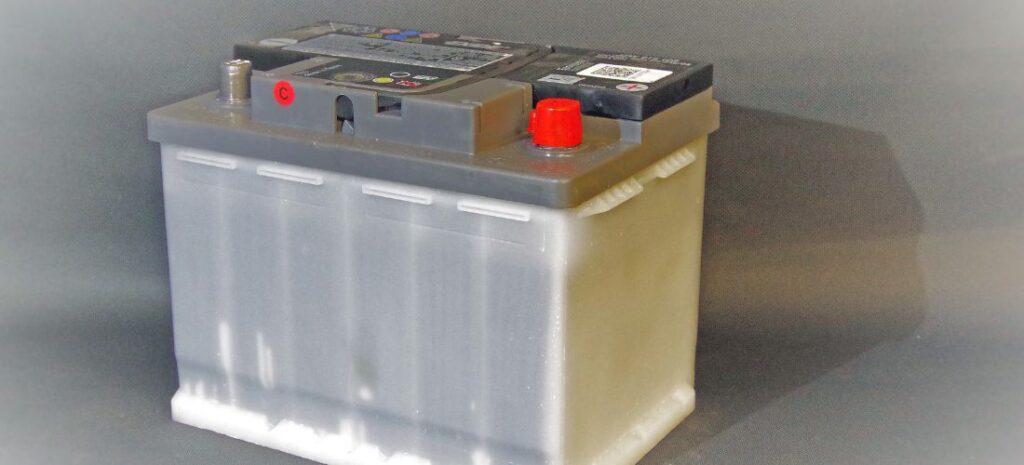
India’s battery industry is growing fast, and the demand for electric vehicles, solar systems, and energy storage solutions is increasing every year. Because of this, the manufacturers of lithium ion battery in India are expanding their production capacity and introducing advanced battery technologies for different industries. Today, lithium-ion batteries are used in EVs, home inverters, telecom towers, medical equipment, solar power systems, laptops, and industrial backup systems. With government support for clean energy and electric mobility, many Indian companies are investing heavily in lithium battery manufacturing plants. In this guide, we will explore the top lithium ion battery manufacturers in India, their products, applications, strengths, and what makes them stand out in the market. If you are planning to buy batteries for commercial, industrial, or personal use, this article will help you understand the Indian lithium battery industry in a simple way. What is a lithium-ion battery? A lithium-ion battery is a rechargeable battery that stores energy using lithium ions. These batteries are widely used because they are lightweight, charge quickly, and provide better efficiency compared to traditional lead-acid batteries. Inside the battery, lithium ions move between two electrodes during charging and discharging. This process helps store and release electrical energy efficiently. Lithium-ion batteries are commonly used in: Electric vehicles Solar energy systems Inverters and UPS Telecom equipment Consumer electronics Medical devices Industrial machinery Because of their long life and high energy density, lithium batteries are becoming the preferred choice for modern power backup systems. Why Lithium-ion Batteries Are Growing Rapidly in India India is witnessing a massive shift toward renewable energy and electric transportation. This has increased the need for reliable battery storage systems. Here are some major reasons behind the growth: 1. Rise of Electric Vehicles EV sales in India are increasing every year. Electric scooters, bikes, cars, and buses all require lithium-ion batteries. 2. Solar Energy Expansion Solar installations in homes, offices, and industries need efficient energy storage solutions. 3. Government Support The Indian government is supporting local battery manufacturing through various initiatives like: FAME Scheme Production Linked Incentive (PLI) EV subsidies Renewable energy projects 4. Better Performance Lithium-ion batteries offer: Faster charging Longer backup Lower maintenance Higher efficiency Read More: solar for electric car Advantages of Lithium-ion Batteries Before choosing a battery manufacturer, it is important to understand why lithium-ion batteries are preferred over traditional options. Advantage Benefit Long Life Cycle Lasts much longer than lead-acid batteries Fast Charging Charges in less time Lightweight Easy to transport and install High Efficiency Better energy output Low Maintenance Minimal servicing required Eco-Friendly Lower environmental impact Compact Design Saves installation space Deep Discharge Capacity Provides longer backup List of Top Lithium-ion Battery Manufacturers in India Below are some of the most trusted li ion battery manufacturers in India known for quality, innovation, and strong market presence. 1. Exide Industries Exide Industries is one of the oldest and most trusted battery brands in India. The company has expanded its focus toward lithium-ion technology to meet the growing demand from EV and energy storage sectors. Exide manufactures batteries for: Automotive applications Industrial backup systems Solar systems Electric mobility The company has also partnered with international firms for advanced lithium battery technology. Why Exide Stands Out Strong nationwide distribution network Trusted brand reputation Advanced R&D facilities Wide product range Best For Home inverters Commercial backup systems Automotive batteries 2. Amara Raja Energy & Mobility Amara Raja Energy & Mobility is another major name among li ion batteries manufacturers in India. Earlier known mainly for lead-acid batteries, the company is now investing heavily in lithium-ion technology and EV battery solutions. The company is focusing on: Energy storage systems EV batteries Telecom batteries Industrial power solutions Amara Raja is also building giga-scale manufacturing facilities in India. Key Highlights Strong R&D capabilities Modern manufacturing plants Focus on EV ecosystem Reliable battery performance Popular Applications Telecom towers Data centers Electric vehicles 3. Tata AutoComp Gotion Tata AutoComp has partnered with Gotion High-Tech for lithium battery manufacturing in India. This company focuses mainly on: EV battery packs Battery management systems Advanced lithium technologies Tata AutoComp plays an important role in India’s EV supply chain. Main Strengths Strong automotive experience Advanced battery pack solutions Growing EV market presence Suitable For Electric buses Electric cars Commercial EVs 4. Loom Solar Loom Solar is known for solar products and lithium battery solutions for residential and commercial use. The company offers: Lithium inverter batteries Solar energy storage systems Portable power solutions Loom Solar batteries are especially popular among homeowners looking for efficient solar backup systems. Why Customers Choose Loom Solar Compact battery design Fast charging support Good solar compatibility Easy installation Best Use Cases Homes Small offices Solar systems 5. Okaya Power Group Okaya Power Group is a fast-growing lithium battery company in India with a strong focus on EV batteries and energy storage products. The company manufactures: Lithium batteries for e-rickshaws Inverter batteries Solar batteries Industrial battery systems Important Features Strong after-sales network Affordable battery solutions Focus on electric mobility Ideal Applications E-rickshaws Home power backup Solar projects 6. Livguard Livguard has become a popular name in the power backup industry. The company offers lithium battery solutions for homes and businesses. Their product lineup includes: Lithium inverter batteries Solar batteries Automotive batteries Livguard focuses on smart energy storage systems with modern battery management features. Major Benefits Smart battery technology Compact designs Reliable performance Recommended For Residential users Small businesses Solar installations 7. Reliance New Energy Reliance New Energy is investing aggressively in battery manufacturing and clean energy technologies. Reliance aims to become a major player in: Battery giga factories Energy storage systems EV battery production The company is expected to contribute significantly to India’s future battery ecosystem. Key Focus Areas Large-scale battery manufacturing Renewable energy integration Advanced battery research 8. Ola Electric Ola Electric is not just an EV company anymore. It is also entering lithium battery manufacturing through large-scale battery cell production projects. The company is building battery manufacturing facilities to support: Electric scooters EV ecosystem Advanced battery
Beginner’s Guide to Solar Marketing: 4 Strategies to Jumpstart Your Marketing
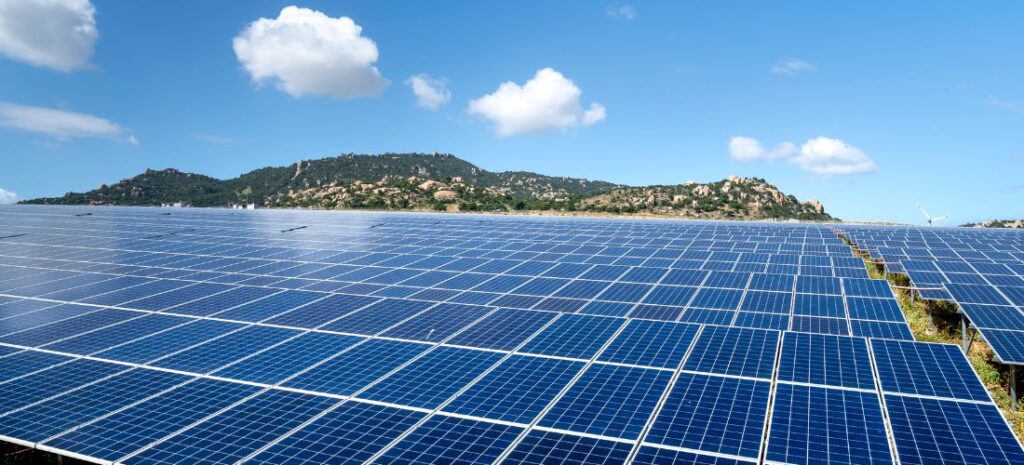
The solar industry is growing fast, but so is the competition. If you want your business to stand out, advertising solar services the right way is no longer optional. Whether you sell rooftop systems, solar panels, or complete energy solutions, smart marketing can help you generate quality leads, build trust, and increase conversions without wasting money. Many new solar businesses focus only on products and pricing, but customers also want education, trust, and proof that your company is reliable. That is where good solar marketing makes a huge difference. Why Solar Marketing Matters Today People are becoming more aware of electricity costs, environmental concerns, and government subsidies. Because of this, interest in solar energy has increased in both residential and commercial sectors. But here’s the challenge: customers usually do not buy solar systems instantly. They research online, compare brands, read reviews, and ask questions before making a decision. That means your business needs to stay visible during every stage of the buying process. Good solar power advertising helps you: Build brand awareness Generate local leads Educate customers Increase trust Improve conversion rates Compete with larger brands A strong marketing strategy can even help smaller solar businesses outperform bigger companies in local markets. Understanding the Solar Customer Journey Before jumping into strategies, it is important to understand how people buy solar solutions. Most customers go through these steps: They notice high electricity bills They search online for solar solutions They compare prices and benefits They look for trusted local installers They request quotes They finalize after checking reviews and support Your marketing should support every step of this journey. For example: Blog content helps during research Google ads help people discover your company Reviews build trust Social media keeps your brand memorable This is why random marketing rarely works in the solar industry. You need a structured approach. Strategy 1: Build a Strong Local SEO Presence One of the best ways to grow a solar business is by targeting local customers. Most people search for installers near their city or area. For example: “Solar panel company in Gurgaon” “Best rooftop solar installer near me” “Affordable solar setup in Noida” If your website is not optimized for local searches, you may lose customers to competitors. Optimize Your Google Business Profile Your Google Business Profile is extremely important for local visibility. Make sure you: Add correct contact details Upload real project photos Collect customer reviews Update business hours Add services and descriptions Solar companies with active profiles often get more calls and website visits. Use Location-Based Keywords Instead of targeting only broad terms like “solar panels,” include local keywords naturally. Examples: Solar installation in Delhi Solar rooftop systems in Gurgaon Commercial solar setup in Noida This helps your website rank for local searches with buying intent. Publish Helpful Blog Content Educational blogs work very well in the solar industry because customers research heavily before buying. Topics could include: Cost of installing solar panels Government subsidy guides Maintenance tips Solar myths Residential vs commercial solar systems Helpful content improves trust and supports long-term SEO growth. You can also internally link related pages such as: Rooftop solar services Commercial solar installation Solar maintenance packages This improves website structure and helps users navigate easily. Strategy 2: Run Smart Google Ads for Solar Leads Paid advertising is one of the fastest ways to generate solar leads if done correctly. However, many companies lose money because they target broad audiences without strategy. Focus on High-Intent Keywords Instead of targeting general terms only, focus on keywords that show buying intent. Examples: Solar panel installation cost Best solar company near me Rooftop solar for home Commercial solar installers Keywords related to solar panels advertising often perform well because they attract users already searching for solutions. Create Landing Pages Instead of Sending Traffic to Homepage One common mistake is directing ad traffic to the homepage. A dedicated landing page converts better because it focuses on: One service One location One clear call-to-action A good landing page should include: Benefits Pricing information Testimonials Project photos Lead form Phone number Simple and focused pages usually perform better than overly designed ones. Use Call Extensions and WhatsApp Buttons Many solar customers prefer direct communication. Adding: Call buttons WhatsApp chat Quick quote forms can improve lead generation significantly. One solar installer in North India improved inquiries simply by adding a “Get Free Solar Consultation” WhatsApp button on mobile ads. Retarget Website Visitors Most people do not buy solar solutions on their first visit. Retargeting ads help bring them back. For example: A visitor checks rooftop pricing Leaves the website Later sees your ad on YouTube or Facebook This keeps your brand visible and improves conversions over time. Strategy 3: Use Social Media to Educate, Not Just Sell A lot of solar businesses use social media incorrectly. They only post product photos or sales messages. But solar marketing works better when you educate people. Share Real Installations Customers trust real project photos more than stock images. Post: Before-and-after installations Rooftop transformations Client testimonials Installation process videos This builds authenticity. Even simple mobile photos from actual projects can perform well. Create Short Educational Videos Short videos are highly effective for explaining solar concepts. Ideas include: “How much electricity can solar save?” “How net metering works” “Top myths about solar energy” “How long do solar panels last?” These videos help people understand solar benefits without feeling pressured to buy. Use Regional Language Content In India, local language content can perform surprisingly well. Many people search terms like: solar advertisement in hindi solar energy advertisement in hindi Creating Hindi content can help you connect with a broader audience, especially in Tier 2 and Tier 3 cities. You can create: Hindi reels Explainer videos Carousel posts FAQ graphics This improves engagement because people understand the message more easily. Post Consistently Consistency matters more than perfection. A simple posting schedule could be: Monday: Solar tips Wednesday: Project photos Friday: Customer testimonial Sunday: FAQ video Regular posting keeps your business active
How Many Watts Does a Refrigerator Use?

The refrigerator wattage of a home fridge depends on its size, technology, and usage habits. On average, a modern refrigerator uses between 100 and 800 watts, but the actual power consumption for refrigerator models can vary based on cooling settings, compressor type, and how often the door is opened. If you have ever checked your electricity bill and wondered how much your fridge contributes, understanding the wattage of refrigerator models can help you save energy and reduce monthly costs. In this guide, we will explain refrigerator power usage in a simple and practical way. What Is Refrigerator Wattage? Refrigerator wattage means the amount of electrical power a fridge uses to operate. It is measured in watts (W). Every refrigerator needs electricity to run the compressor, fans, lights, and cooling system. When people search for terms like refrigerator in watts fridge watt watt of fridge refrigerator wattage wattage for refrigerator They are usually trying to understand the following: How much electricity their fridge uses Whether their appliance is energy efficient How much it costs to run monthly What size inverter or generator is needed The wattage of a refrigerator directly affects energy consumption and electricity bills. Read More: how much electricity does an air conditioner use? Average Refrigerator Wattage by Type Different refrigerators use different amounts of power. Here is a general idea of common refrigerator wattage ranges. Refrigerator Type Average Running Watts Mini fridge 50–100 watts Single-door refrigerator 100–250 watts Double-door refrigerator 200–500 watts Side-by-side refrigerator 500–800 watts Commercial refrigerator 800–2000 watts A standard home refrigerator in India usually consumes around 150 to 400 watts during operation. However, refrigerators do not run continuously. The compressor turns on and off throughout the day, which reduces actual energy usage. How Many Watts Does a Refrigerator Use Per Day? Many people confuse running watts with total daily consumption. For example: A refrigerator with a 200W rating does not consume 200 watts all day continuously. The compressor cycles on and off depending on temperature. A typical refrigerator runs about 8 to 12 hours per day in cooling cycles. Example Calculation If your fridge uses 200 watts and runs for 10 hours daily: 200 \times 10 = 2000\text{ watt-hours} = 2\text{ kWh} That means your refrigerator uses about 2 units of electricity per day. If electricity costs ₹8 per unit: 2 \times 8 = 16 Your fridge may cost around ₹16 per day to operate. Read More: https://www.klkindia.com/how-much-electricity-does-an-air-conditioner-use/ Factors That Affect Refrigerator Wattage The actual energy consumption of refrigerator models depends on several important factors. 1. Refrigerator Size Larger refrigerators need more electricity because they cool a bigger space. For example: Small mini fridge: 70 watts Medium family fridge: 250 watts Large side-by-side refrigerator: 700 watts If you buy a fridge larger than your actual need, you may waste electricity every month. 2. Compressor Technology Modern inverter refrigerators are more energy efficient than traditional models. Normal Compressor Runs at fixed speed Turns fully ON and OFF Uses more electricity Inverter Compressor Adjusts speed based on cooling needs Saves power Produces less noise In many Indian homes, switching to an inverter refrigerator reduces electricity usage noticeably over time. 3. Temperature Setting Lower temperature settings increase refrigerator wattage. If the thermostat is set too cold: Compressor works harder Cooling cycles increase Energy usage rises For regular home use: Refrigerator section: 3°C to 5°C Freezer: around -18°C These settings are usually enough for safe food storage. 4. Frequency of Door Opening Every time the fridge door opens, warm air enters inside. This causes: Longer compressor operation Higher power consumption Increased cooling load In busy households where the refrigerator is opened repeatedly, electricity usage naturally becomes higher. 5. Room Temperature A refrigerator in a hot kitchen uses more electricity than one placed in a cooler room. During Indian summers, especially in cities with high temperatures, refrigerators consume more power because the compressor runs longer. Keeping the fridge away from: direct sunlight gas stoves ovens can improve efficiency. Starting Watts vs Running Watts This is one of the most misunderstood topics. Running Watts These are the normal watts used during operation. Starting Watts When the compressor starts, the fridge briefly needs extra power. For example: Refrigerator Type Running Watts Starting Watts Small fridge 100W 300W Medium refrigerator 250W 800W Large fridge 700W 2200W This is important when choosing: inverter size generator capacity solar backup systems Many people only check running watts and forget about startup power requirements. How to Find Refrigerator Wattage There are several easy ways to check your refrigerator’s wattage. Check the energy label. Most refrigerators have a label showing: voltage amperage wattage yearly energy consumption You can usually find it: inside the fridge behind the refrigerator near the compressor Use the formula. If wattage is not mentioned, you can calculate it. Formula: \text{Watts} = \text{Voltage} \times \text{Current} Example: If your refrigerator uses: 230 volts 1.2 amps Then: 230 \times 1.2 = 276\text{ watts} Your fridge uses approximately 276 watts. Use a Power Meter A plug-in energy meter gives the most accurate reading. It can show: real-time power usage daily electricity consumption monthly energy cost This is useful if you want to monitor appliance efficiency. Refrigerator Energy Consumption Per Month Let’s understand monthly electricity usage with a practical example. Suppose your refrigerator uses: 2 kWh per day Monthly usage: 2 \times 30 = 60\text{ kWh} If electricity cost is ₹8 per unit: 60 \times 8 = 480 Monthly operating cost = approximately ₹480. Actual bills may vary depending on: refrigerator age weather cooling settings family usage habits Does an Old Refrigerator Use More Electricity? Yes, older refrigerators usually consume much more electricity. Reasons include: outdated compressor technology weak insulation worn-out seals inefficient cooling systems A 15-year-old refrigerator may use almost double the power of a modern energy-efficient model. Many homeowners notice reduced electricity bills after upgrading to a newer refrigerator. How Star Ratings Affect Refrigerator Wattage In India, refrigerators come with BEE star ratings. Higher star ratings mean: lower electricity consumption better energy efficiency reduced operating cost General
How Much Electricity Does an Air Conditioner Use?
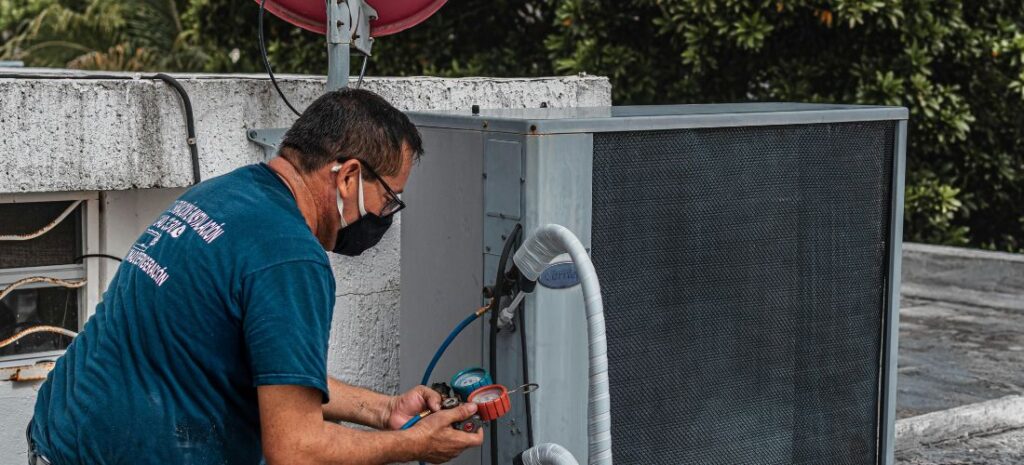
Air conditioners are now a basic need in many homes, especially during hot summer months. But one question that most people ask before buying or using an AC regularly is: how much electricity does an air conditioner use? Understanding the wattage of AC units helps you manage your electricity bill, choose the right appliance, and avoid unnecessary power consumption. Whether you use a window AC, split AC, or central cooling system, knowing the air conditioner watt usage can save money in the long run. In this guide, we’ll explain everything in simple words — from AC wattage and power consumption to calculation methods and practical energy-saving tips. What Is AC Wattage? The term wattage of AC means the amount of electricity an air conditioner uses while running. It is measured in watts (W) or kilowatts (kW). For example: A small window AC may use around 800 to 1200 watts A 1.5-ton split AC may consume around 1400 to 2200 watts A large central AC system may use over 3000 watts The actual air conditioner watt consumption depends on: AC type Ton capacity Energy efficiency rating Room size Temperature settings Usage hours Simply put, the higher the cooling capacity, the higher the electricity usage. Average Wattage of Different AC Types Here’s a simple table showing the estimated aircon wattage for different air conditioner types. AC Type Capacity Average Wattage Window AC 1 Ton 900 – 1200 Watts Window AC 1.5 Ton 1400 – 1800 Watts Split AC 1 Ton 1000 – 1500 Watts Split AC 1.5 Ton 1400 – 2200 Watts Inverter Split AC 1.5 Ton 1200 – 1800 Watts Portable AC Small Room 700 – 1200 Watts Central AC Whole House 3000 – 5000 Watts These numbers are average estimates. Actual electricity usage can vary depending on brand, weather, maintenance, and daily usage habits. Read More: types of solar panels Air Conditioner Kitne Watt Ka Hota Hai? Many people in India search for “air conditioner kitne watt ka hota hai” before buying an AC. The answer depends mainly on tonnage and technology. Here’s a quick breakdown: AC Capacity Approximate Watt Usage 0.8 Ton AC 700 – 900 Watts 1 Ton AC 900 – 1200 Watts 1.5 Ton AC 1400 – 2200 Watts 2 Ton AC 2000 – 3000 Watts An inverter AC generally consumes less electricity compared to a non-inverter AC because it adjusts compressor speed automatically. For example: Normal 1.5-ton AC → around 1800–2200 watts Inverter 1.5-ton AC → around 1200–1700 watts That difference can reduce your monthly electricity bill significantly. What Is the Difference Between Watts and kWh? Many people confuse watts with electricity bill units. Here’s the simple difference: Term Meaning Watts (W) Instant power usage Kilowatt-hour (kWh) Electricity consumed over time 1 unit on your electricity bill = 1 kWh. Example: If your AC uses 1500 watts and runs for 8 hours: 1500 × 8 = 12,000 watt-hours 12,000 ÷ 1000 = 12 kWh (12 units) So your AC consumes 12 electricity units daily. How to Calculate Air Conditioner Watt Usage You can calculate air conditioner watt usage using this simple formula: Formula Power Consumption (kWh) = Wattage × Hours Used ÷ 1000 Example Suppose your split AC uses 1600 watts. If you run it for 10 hours daily: 1600 × 10 = 16,000 16,000 ÷ 1000 = 16 kWh That means your AC uses: 16 units daily Around 480 units monthly Now multiply by your electricity rate. If electricity cost is ₹8 per unit: 480 × ₹8 = ₹3840 monthly This gives you a rough idea of your AC operating cost. Factors That Affect AC Watt Consumption The AC watt consumption is not fixed. Many factors affect how much electricity your air conditioner actually uses. 1. AC Size Bigger AC units consume more power. Example: 1-ton AC → lower electricity use 2-ton AC → higher electricity use Choosing the wrong size can waste electricity. 2. Inverter vs Non-Inverter Inverter ACs save more energy because they adjust cooling automatically. Non-inverter ACs repeatedly switch on and off, consuming extra electricity. In many homes, inverter models reduce energy bills by 20–40%. 3. Temperature Setting Lower temperatures increase power usage. Approximate comparison: Temperature Setting Power Usage 18°C Very High 22°C High 24°C Balanced 26°C Energy Efficient Experts usually recommend 24°C for comfort and efficiency. 4. Room Size Using a small AC in a large room forces the compressor to run continuously. This increases: Electricity usage Wear and tear Cooling time Always choose the right tonnage based on room size. 5. Weather Conditions During peak summer: AC compressors work harder Electricity usage increases Humidity also affects performance. Hot cities naturally increase air conditioner watt consumption. 6. Maintenance Condition Dirty filters and clogged coils reduce cooling efficiency. As a result: AC runs longer Power consumption rises Cooling performance drops Regular servicing helps maintain lower electricity usage. Read More: 100 watt solar panel price in india Running Watts vs Starting Watts Another important concept is understanding starting watts and running watts. Running Watts This is the normal electricity used while the AC is operating continuously. Example: Split AC running wattage → 1600 watts Starting Watts When the compressor starts, it requires extra power for a few seconds. This surge can be: 2–3 times higher than normal wattage Example: Running watts → 1600W Starting watts → 3500W This is why generators and inverters need higher capacity support. How Much Electricity Does a 1.5 Ton AC Use? A 1.5-ton AC is the most common household option in India. Average air conditioner watt usage for a 1.5-ton unit: AC Type Watt Usage Non-Inverter AC 1700 – 2300 Watts Inverter AC 1200 – 1800 Watts If used for 8–10 hours daily: Monthly consumption can reach 300–500 units Depending on weather and settings This is why choosing an energy-efficient model matters. AC Star Rating and Electricity Consumption The BEE star rating in India shows how energy efficient an AC is. Higher stars mean lower electricity use. Star Rating Electricity Consumption 1 Star Highest 3 Star Moderate