
Understanding Solar Panel Wattage, Output & Ratings
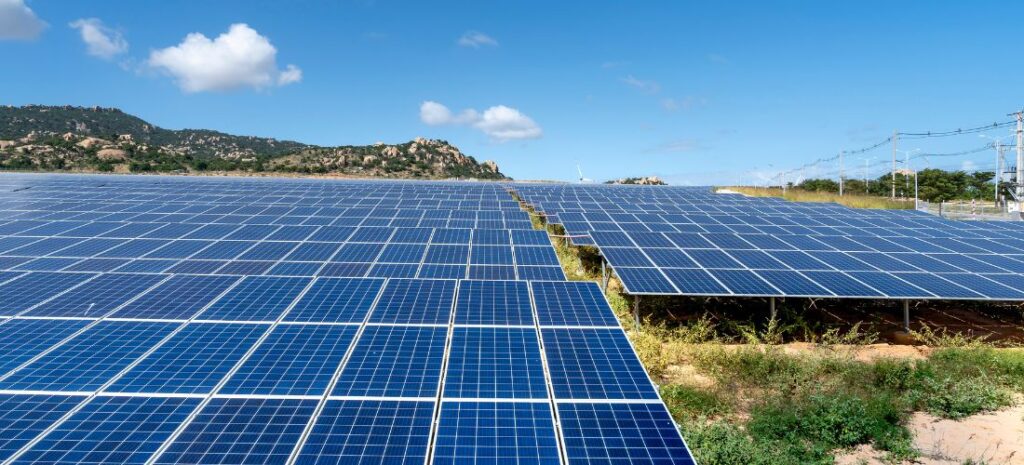
When people start researching solar energy, one of the first things they notice is the number written on a panel; 400W, 550W, 600W, and so on. This number is called solar panel wattage, and it plays a major role in deciding how much electricity a solar system can generate. Understanding solar panel wattage, solar panel ratings, and real-world output helps homeowners and businesses make smarter decisions before investing in solar energy. But here’s something important many people don’t realize: a panel’s rated watts and its actual electricity production are not always the same thing. Weather, temperature, sunlight hours, panel efficiency, roof direction, dust, and shading all affect how much power a system truly produces. That’s why understanding solar panel size wattage, solar power rating, and solar energy ratings matters so much. Whether you are planning a rooftop system for your house, comparing solar modules, or simply trying to understand how solar works, this guide explains everything in a simple and practical way. What Is Solar Panel Wattage? Solar panel wattage refers to the maximum amount of power a solar panel can produce under ideal laboratory conditions. It is measured in watts (W). For example: A 400W solar panel can generate up to 400 watts of electricity in perfect sunlight conditions. A 550W panel can generate up to 550 watts under the same testing conditions. This wattage is also known as the panel’s solar panel rating or solar module rating. Manufacturers use standardized testing conditions to measure output so buyers can compare different products fairly. Why Solar Panel Wattage Matters Solar panel wattage helps determine: Total electricity generation Number of panels needed Roof space requirements System cost Energy savings potential A higher wattage panel usually produces more electricity, which means fewer panels may be required for the same energy needs. How Solar Panels Are Rated Manufacturers test panels using something called Standard Test Conditions (STC). Under STC, solar panels are tested at: Testing Factor Standard Condition Sunlight Intensity 1000 W/m² Cell Temperature 25°C Air Mass 1.5 These conditions create a fair way to compare solar panel ratings. However, real outdoor conditions are rarely perfect. That is why actual output may differ from the panel’s label rating. Understanding Solar Panel Ratings Many buyers get confused between different ratings mentioned on a solar panel specification sheet. Here are the most important ones. Rating Type Meaning Wattage Rating Maximum power output Efficiency Rating How efficiently sunlight converts into electricity Voltage Rating Electrical pressure produced Current Rating Flow of electricity Temperature Coefficient Performance loss due to heat Power Tolerance Allowed variation from rated watts Understanding these solar panel ratings helps you compare quality, reliability, and expected performance. Read More: manufacturing process of solar panels Solar Panel Wattage vs Real Output A common misunderstanding is assuming a 400W panel always produces 400W all day. That is not how solar works. A panel reaches its peak output only under ideal sunlight conditions. In real life, output changes throughout the day. Example A 400W solar panel may produce: 320W in hot weather 250W on cloudy days 380W during strong sunlight Near zero at sunrise or sunset This is why actual daily electricity production is measured in kilowatt-hours (kWh), not just watts. What Affects Solar Panel Output? Several factors influence real-world solar panel power output. 1. Sunlight Hours The more sunlight your area receives, the more electricity the panel can generate. Areas with 5–6 peak sun hours daily produce significantly more energy than regions with only 3–4 hours. 2. Temperature Solar panels work better in cooler temperatures. Extreme heat lowers efficiency and reduces output. Most panels lose around: 0.3% to 0.5% efficiency for every degree above 25°C This means very hot rooftops can lower solar panel performance. 3. Shading Even small shadows from: Trees Water tanks Buildings Antennas Chimneys can reduce solar panel output significantly. 4. Dust and Dirt Dust blocks sunlight from reaching solar cells. This is especially important in: Industrial areas Dry climates Construction zones Regular cleaning improves solar panel power output. 5. Roof Direction and Angle South-facing roofs usually generate maximum electricity in many regions. Poor panel orientation can reduce output by 10–20%. Solar Panel Efficiency Explained Efficiency and wattage are related but not identical. Solar Panel Efficiency Efficiency measures how effectively a panel converts sunlight into electricity. For example: 20% efficiency means 20% of sunlight becomes electricity. Higher efficiency panels: Produce more power in less space Require fewer panels Work better for smaller rooftops Difference Between Efficiency, Wattage & Output Term Meaning Solar Panel Wattage Maximum possible power Solar Panel Efficiency Conversion ability Solar Panel Output Actual electricity generated Simple Example Two panels may both have 400W ratings: One could be larger with lower efficiency Another could be smaller with higher efficiency Both produce similar watts under testing conditions. Average Solar Panel Wattage in 2026 Solar technology has improved rapidly over the past decade. Residential Solar Panels Most home solar panels today range between: 350W to 480W The most common residential panel size is around: 400W to 450W Commercial Solar Panels Commercial projects often use: 500W to 700W panels These larger modules reduce installation costs for large solar plants. Portable Solar Panels Portable panels generally range from: 50W to 200W Used for: Camping RVs Backup charging Boats Solar Panel Size Wattage Relationship Many people search for solar panel size wattage because physical size and power rating are connected. Usually: Larger panels hold more solar cells More cells generate more electricity However, newer high-efficiency technology allows smaller panels to produce higher wattage. Typical Residential Panel Size Panel Type Average Wattage Approx Size Standard Residential 350W–450W 65 x 39 inches Commercial 500W–700W Larger format Portable 50W–200W Compact STC vs PTC Ratings You may also hear about: STC Ratings PTC Ratings STC (Standard Test Conditions) Lab-tested ideal output. PTC (PVUSA Test Conditions) More realistic outdoor performance estimates. PTC ratings are usually lower than STC ratings because they reflect real operating conditions better. Understanding Power Tolerance Power tolerance tells you how much a panel’s actual output may vary
Mastering Solar System Size: The Ultimate Guide to Powering Your Home
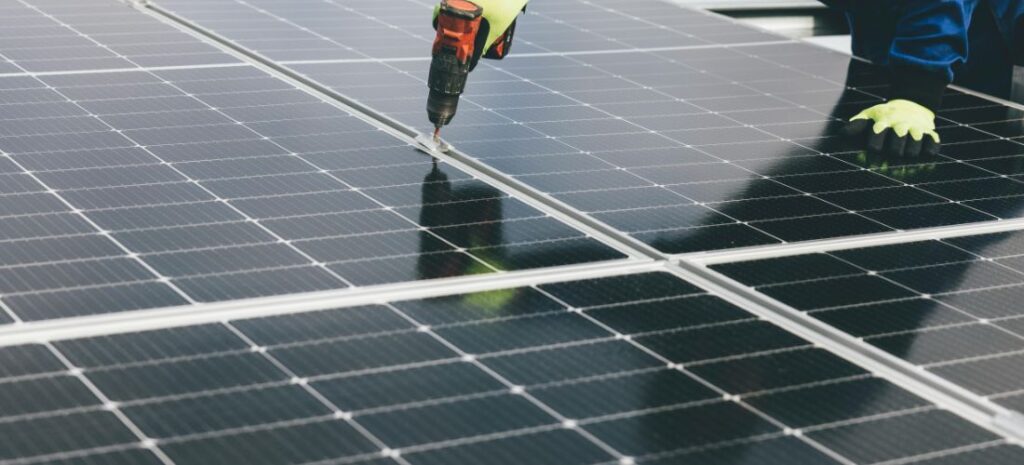
Choosing the right Solar System Size is one of the most important decisions when planning a solar setup for your home. A properly sized system helps reduce electricity bills, improves energy efficiency, and ensures you get the best return on your investment. Whether you are building a new home or upgrading your current energy setup, understanding the correct system size can save you money and prevent future problems. Many homeowners make the mistake of installing either a very small system that cannot handle their energy needs or an oversized system that increases installation costs unnecessarily. This guide will help you understand how solar sizing works in a simple and practical way. What Does Solar System Size Mean? The term Solar System Size refers to the total power capacity of a solar setup. It is usually measured in kilowatts (kW). This number tells you how much electricity your solar panels can produce under ideal sunlight conditions. For example: Solar System Size Suitable For Average Daily Power Generation 1 kW Small room or office 4–5 units/day 2 kW Small apartment 8–10 units/day 3 kW Small family home 12–15 units/day 5 kW Medium-sized home 20–25 units/day 10 kW Large homes or villas 40–50 units/day The actual output depends on sunlight, weather, panel quality, and installation angle. Why Choosing the Right System Size Matters Selecting the correct system size affects almost everything about your solar investment. Benefits of Proper Solar Sizing Lower electricity bills Better energy efficiency Faster return on investment Less dependency on the power grid Longer system life Better battery backup performance If your system is too small, you may still receive high electricity bills. If it is too large, you may spend more money than necessary. Understanding Your Household Energy Consumption Before choosing a solar setup, you must first know how much electricity your home uses. Check Your Electricity Bills Look at your electricity bills from the past 12 months. Find your monthly consumption in kWh or units. For example: Appliance Approximate Usage Per Day Monthly Consumption Fans 8 hours 60 units Air Conditioner 6 hours 180 units Refrigerator 24 hours 45 units Washing Machine 1 hour 15 units TV & Electronics 5 hours 30 units Lights 6 hours 25 units Total monthly usage: Around 355 units. This calculation gives you a clear idea of the required Solar System Size. Common Solar System Sizes for Homes Different homes require different capacities depending on usage patterns. 1 kW Solar System A 1 kW setup is suitable for: Single room usage Small offices Basic lighting and fan needs It can run: 3–4 fans LED lights One television Small appliances 2 kW Solar System Good for small families with moderate electricity use. Suitable for: 1 refrigerator Multiple fans LED lights TV and laptop usage 3 kW Solar System One of the most popular residential sizes. Ideal for: Small to medium homes Monthly usage around 300–400 units Can support: Refrigerator Washing machine Water pump Multiple fans and lights 5 kW Solar System Perfect for medium-sized families. Supports: Air conditioners Kitchen appliances Geysers Heavy appliance usage This is often considered the ideal system size for modern Indian homes. 10 kW Solar System Designed for: Large villas Commercial spaces High electricity consumption It can easily handle multiple ACs and heavy electrical loads. How to Calculate the Right Solar System Size Calculating the ideal system size is easier than most people think. Basic Formula You can use this simple formula: Required Solar System Size (kW) = Daily Electricity Consumption ÷ Peak Sunlight Hours Practical Calculation Example Suppose your home consumes: 900 units per month Daily usage = 30 units Average sunlight = 5 hours/day Calculation: 30 ÷ 5 = 6 kW So, you may need a 6 kW solar setup. However, experts usually add a safety margin for efficiency losses. Recommended size: 6.5–7 kW system. Factors That Affect Solar System Output Several factors influence how efficiently your solar setup performs. 1. Sunlight Availability Homes in areas with strong sunlight generate more electricity. Cities like: Jaipur Ahmedabad Hyderabad Nagpur usually receive excellent solar radiation throughout the year. Cloudy or rainy regions may require a larger Solar System Size. 2. Roof Space Availability Your rooftop area directly affects installation capacity. Approximate rooftop requirement: System Size Roof Area Needed 1 kW 80–100 sq ft 3 kW 250–300 sq ft 5 kW 400–500 sq ft 10 kW 800–1000 sq ft If roof space is limited, higher-efficiency panels may help. 3. Panel Efficiency Not all solar panels produce the same output. High-Efficiency Panels Advantages: More power in less space Better performance Ideal for smaller rooftops Standard Panels Advantages: Lower upfront cost Suitable for large rooftops Premium panels may reduce the required system size because they produce more electricity. 4. Weather Conditions Weather plays a major role in solar output. Good Weather Conditions Clear skies Longer sunny days Low pollution Poor Weather Conditions Heavy rainfall Fog Dust accumulation High pollution levels Dusty solar panels can reduce efficiency by 15–25%. 5. Panel Direction and Tilt Proper installation angle improves energy generation. In India: South-facing panels usually perform best Tilt angle should match local latitude Incorrect angles reduce system efficiency. On-Grid vs Off-Grid Solar System Size Your setup type also affects sizing decisions. Type Description Best For On-Grid Connected to electricity board Urban homes Off-Grid Works with batteries Remote areas Hybrid Combination of both Backup + savings On-Grid Systems Lower cost No battery required Best for reducing electricity bills Off-Grid Systems Requires batteries Higher investment Useful in power-cut areas Hybrid Systems Flexible solution Battery backup included More energy independence How Batteries Affect System Size Battery storage changes solar planning completely. If you want backup during power cuts: You may need larger panels Additional battery capacity becomes necessary For example: Backup Requirement Suggested Battery Setup 2–4 hours Small battery bank 6–8 hours Medium battery bank Full-day backup Large battery system Battery efficiency also affects the required Solar System Size. Real-World Tip Before Installing Solar Many homeowners only calculate their current electricity needs. That can become a
How Many Solar Panels Do You Need To Power A House in 2026?
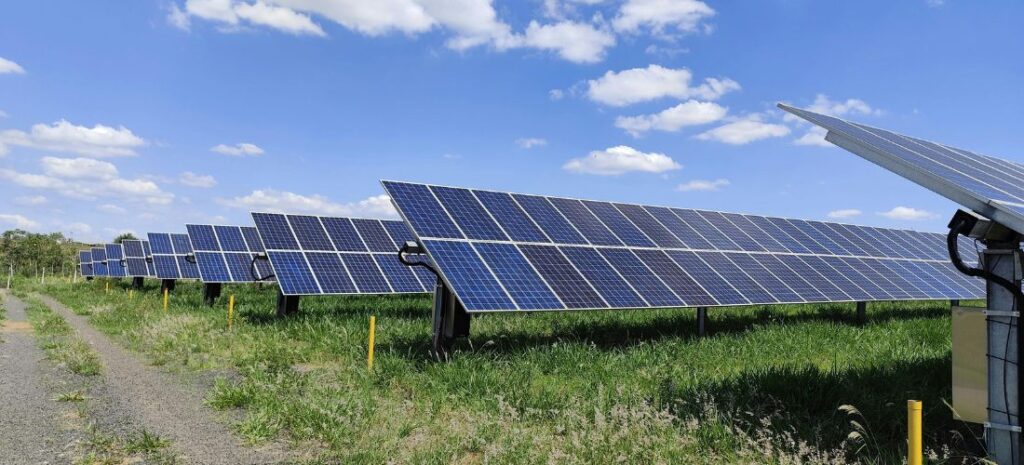
Electricity bills in India are increasing every year, and many homeowners are now searching for smarter ways to reduce monthly expenses. One of the most common questions people ask before switching to solar is: how many solar panels do you need to power a house? The answer depends on your electricity usage, roof size, panel efficiency, and sunlight availability in your area. At Klk Ventures, we help homeowners understand the right solar setup based on their actual power needs. A properly planned solar system can reduce electricity bills, increase property value, and provide long-term savings for more than 20 years. Solar Power for Homes in India: Why More Families Are Switching in 2026 Solar energy is no longer considered a luxury in India. In 2026, it has become a practical investment for middle-class and upper-middle-class households looking to control rising electricity costs. Modern solar systems are more efficient than ever before. With improved panel technology and government subsidies, homeowners can now recover their investment faster while enjoying lower monthly bills. Some major reasons why people are installing solar panels for home use include: High electricity tariff rates Frequent power cuts in some areas Long-term savings Reduced dependence on the grid Eco-friendly energy generation Government subsidy benefits A residential solar system works by converting sunlight into electricity through photovoltaic (PV) panels installed on rooftops. During the daytime, the generated electricity powers household appliances, and excess power can be exported to the grid through net metering. How Many Solar Panels Do You Need To Power A House? The number of solar panels required depends mainly on your monthly electricity consumption. A small home with limited appliances may only need a 2kW system, while a large villa with multiple ACs may require a 10kW setup or more. Basic Formula to Calculate Solar Panel Requirement You can estimate the number of panels using this formula: Total System Size Required (kW) ÷ Wattage of One Solar Panel = Number of Panels For example: Required system size = 5kW Panel capacity = 500W Calculation: 5000W ÷ 500W = 10 panels So, a 5kW system typically needs around 10 solar panels of 500W each. Step-by-Step Guide to Calculate Solar Panels for Your Home Step 1: Check Your Monthly Electricity Bill Look at your electricity bill and find your average monthly unit consumption (kWh). Most Indian homes consume: Home Type Monthly Units 1 BHK Apartment 150–250 units 2 BHK Home 250–450 units 3 BHK Home 450–700 units Large Villa 700+ units If your electricity usage changes during summer and winter, calculate the yearly average. Step 2: Convert Monthly Usage Into Daily Consumption Divide your monthly units by 30. Example: 450 units ÷ 30 = 15 units per day Your house consumes approximately 15 kWh daily. Step 3: Estimate Required Solar System Size In India, a 1kW solar system generally produces around 4 to 5 units per day depending on sunlight conditions. If your home uses 15 units daily: 15 ÷ 5 = 3kW system You may need a 3kW solar system. Step 4: Calculate Number of Solar Panels Now divide the total system size by panel wattage. Example using 540W panels: 3000W ÷ 540W = 5.5 panels Rounded up, you would need approximately 6 solar panels. Solar Panel Requirement Based on House Size Here’s a simple estimate for Indian households in 2026. House Size Average Daily Usage Recommended System Approximate Panels Needed Small Apartment 5–7 units 1kW–2kW 2–4 panels Medium Family Home 10–15 units 3kW–5kW 6–10 panels Large House 20–30 units 6kW–8kW 12–16 panels Luxury Villa 35+ units 10kW+ 18–24 panels The final number can vary depending on panel efficiency and local weather conditions. Understanding Solar Panel Capacity in 2026 Solar technology has improved significantly over the past few years. Earlier, homes needed many small panels to generate enough electricity. Today, fewer high-efficiency panels can produce more power. Most residential solar panels in 2026 range between: 400W 450W 500W 540W 550W Higher-wattage panels are ideal for homes with limited roof space because they generate more electricity using fewer panels. How Many Solar Panels Are Required for 1kW? A 1kW solar system generally requires: Panel Wattage Panels Required 400W 3 panels 500W 2 panels 550W 2 panels Modern high-efficiency panels reduce the number of modules required. Roof Space Required for Solar Panels Many homeowners ask whether their rooftop is large enough for solar installation. Here’s a rough estimate: System Size Roof Space Required 1kW 80–100 sq. ft. 3kW 250–300 sq. ft. 5kW 400–500 sq. ft. 10kW 800–1000 sq. ft. Factors like shading, roof direction, and tilt angle also affect system performance. South-facing roofs generally provide better output in India. Important Factors That Affect Solar Panel Count 1. Electricity Usage The more appliances you use, the larger the system required. Homes with: Air conditioners Water heaters Refrigerators Washing machines EV charging usually need bigger solar systems. 2. Sunlight Availability Cities with strong sunlight throughout the year generate more electricity. States like: Rajasthan Gujarat Maharashtra usually produce better solar output compared to regions with heavy monsoons. 3. Panel Efficiency High-efficiency panels generate more electricity in less space. Modern mono PERC and TOPCon panels are highly preferred in 2026. 4. Roof Shadows Trees, water tanks, nearby buildings, and poles can reduce solar generation. Even partial shading may affect the output of multiple panels. 5. Future Electricity Needs Many homeowners now install slightly larger systems because electricity consumption often increases later. For example: Adding more ACs Buying an electric vehicle Expanding the house Installing automation systems Planning ahead can save future upgrade costs. Types of Solar Panels for Residential Homes Choosing the right type of solar panel is equally important. Monocrystalline Solar Panels These are the most popular residential panels today. Benefits: High efficiency Better performance Longer lifespan Space-saving design TOPCon Solar Panels TOPCon technology is becoming very popular in 2026 because of its excellent efficiency. Advantages include: Better low-light performance Higher energy output Improved durability Lower degradation rate Polycrystalline Solar Panels These are more affordable but slightly less efficient. They are
Top 4 Types of Earthing Systems in India.
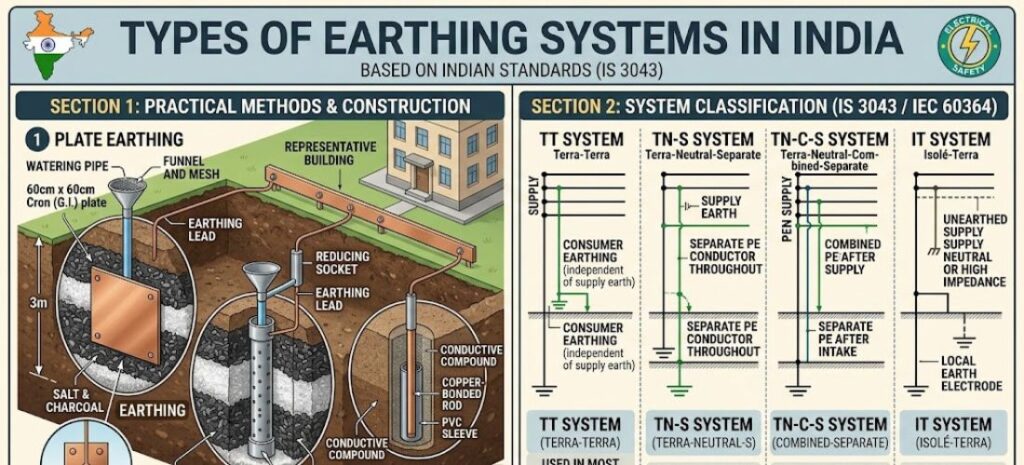
When people search for types of earthing, they usually want a clear answer to one simple question: Which earthing system is actually safe and long-lasting for their building? In India, choosing the right earthing system is not just a technical decision; it directly affects safety, equipment life, and maintenance costs. In the next few sections, you’ll understand the types of earthing system, how they work, and which one makes the most sense for your needs. Why the Importance of Earthing Cannot Be Ignored Whether you are building a house, running a factory, or managing a hospital, electrical earthing is the backbone of safety. Every electrical system produces fault current. This can happen due to: Short circuits Insulation failure Lightning strikes If this current doesn’t get a safe path into the ground, it can lead to: Electric shocks (dangerous for human life) Damage to expensive machines Fire hazards That’s why a low-resistance earthing system is not optional; it is essential. But here’s the real problem: Many buildings in India still use outdated earthing methods installed years ago without maintenance. Over time, these systems stop working effectively. So the question is, which earthing type should you trust today? What Are the 4 Types of Earthing Systems? If you’re wondering how many types of earthing exist, the most commonly used types of earthing systems in India are the following: Marconite Earthing Pipe Earthing Plate Earthing Chemical Earthing These are the main earthing system types used across residential, commercial, and industrial projects. Quick Comparison Table of Earthing System Types Earthing Type Maintenance Level Lifespan Performance Stability Suitable For Marconite Earthing Very Low 40–50+ years Very High All soil types, industries Pipe Earthing High 5–10 years Medium Homes (basic use) Plate Earthing Medium 10–15 years Medium Open spaces Chemical Earthing High 5–8 years Low to Medium Poor soil conditions 1. Marconite Earthing – Modern and Reliable Earthing System What Is Marconite Earthing? Marconite earthing is an advanced earthing system type that uses a special conductive compound instead of traditional materials like charcoal or salt. It creates a permanent low-resistance path for fault current. How It Works A copper electrode is installed Marconite compound is filled around it The compound hardens and forms a strong conductive layer Unlike traditional systems, it does not depend on moisture. Benefits of Marconite Earthing Works in all soil types (rocky, dry, sandy) No water or chemical refilling required Long life (up to 50 years) Stable performance in all seasons No corrosion issues Practical Insight In many industrial setups where machines fail due to voltage fluctuations, switching to Marconite earthing has reduced breakdowns significantly. It is especially useful where downtime is costly. Visit us: solar water pumping system 2. Pipe Earthing – Common but Maintenance-Heavy What Is Pipe Earthing? Pipe earthing is one of the most widely used types of earthing system in Indian homes. It uses: A GI or copper pipe Buried vertically in the ground Surrounded by salt and charcoal Advantages Low initial cost Easy to install Commonly used in residential buildings Disadvantages Rusting over time Performance depends on soil moisture Requires regular maintenance Risk of current leakage Real-Life Tip Many homeowners install pipe earthing once and forget about it. After 4–5 years, the system often stops working due to corrosion, but people don’t realize it until a problem occurs. 3. Plate Earthing – Traditional but Space-Consuming What Is Plate Earthing? In this earthing type, a copper or GI plate is buried deep in the ground. Installation Process The plate is placed 3 meters deep Surrounded by charcoal and salt Connected to electrical system Advantages Better contact area than pipe earthing Stable in moderate soil conditions Disadvantages Requires large space Digging is labor-intensive Not suitable for urban areas Can corrode over time Practical Insight Plate earthing is still used in some government and old infrastructure projects, but in cities, it is becoming less practical due to space issues. Read More: solar system guide 4. Chemical Earthing – Used in Difficult Soil Conditions What Is Chemical Earthing? Chemical earthing improves conductivity by adding chemicals around the electrode. Advantages Works in high-resistance soil Better than basic pipe earthing in dry areas Disadvantages Requires frequent chemical refilling Expensive maintenance Environmental concerns Risk of corrosion Real Insight In some commercial projects, chemical earthing is chosen initially for performance, but long-term costs become high due to maintenance. Other Types of Earthing Systems (Additional Knowledge) Apart from the main four, there are a few other types of earthing systems: Rod Earthing Uses a metal rod driven into the ground Quick installation Best for moist soil Strip Earthing Uses metal strips buried horizontally Ideal for large industrial areas Water Pipe Earthing Uses metal water pipes Outdated and unsafe method How to Choose the Right Earthing System for Your Building Choosing the right type of earthing system depends on: 1. Soil Condition Dry or rocky soil → Advanced earthing (like Marconite) Moist soil → Pipe or rod earthing may work 2. Type of Building Home → Pipe or advanced earthing Factory → High-performance system required Hospital → Highly reliable earthing essential 3. Maintenance Capability If you don’t want regular maintenance → Avoid chemical or pipe earthing 4. Budget vs Long-Term Cost Low initial cost ≠ low lifetime cost Common Mistakes People Make While Choosing Earthing Choosing cheapest option without thinking long-term Ignoring soil testing Not checking earthing resistance regularly Using outdated systems without upgrades Simple Tips to Improve Earthing Performance Always test earth resistance annually Use quality earthing metal like copper Avoid mixing different metals Ensure proper installation depth Hire experienced professionals Advantages and Disadvantages of Different Earthing Types Advantages Protects human life Prevents equipment damage Reduces fire risk Disadvantages (if poorly installed) System failure Increased maintenance Safety hazards Final Thoughts – Which Earthing System Is Best? If you compare all earthing system types, modern solutions clearly perform better than traditional ones. Pipe and plate earthing are affordable but need maintenance Chemical earthing works but increases long-term costs Advanced earthing systems offer reliability and durability For buildings where safety,
How Much Can You Actually Save on Solar Power for Your Home?
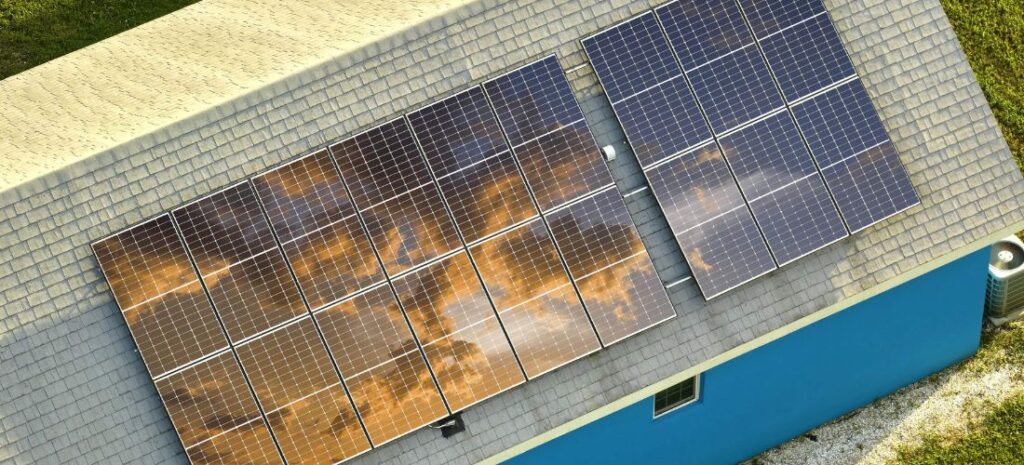
Electricity bills in India are not getting cheaper. In fact, the home solar energy cost is becoming more attractive every year as power tariffs continue to rise by around 4-5% annually. If you’ve been thinking about switching to solar, the big question is simple: how much can you really save? In this guide by KLK Ventures, we’ll break down real numbers, practical insights, and long-term savings so you can clearly understand whether solar is worth your investment. Why Solar Power Is Gaining Popularity in India India is seeing a massive shift toward solar energy. Here’s why: Rising electricity tariffs across states Frequent power cuts in some regions Government subsidies reducing installation costs Growing awareness of clean energy Today, many homeowners are exploring solar electricity for home in India as a way to cut costs and gain energy independence. Understanding Solar Power Costs in India Before calculating savings, it’s important to understand the solar power costs involved. 1. Initial Investment The biggest cost is upfront installation. This includes: Solar panels Inverter Mounting structure Wiring and installation Here’s a simple breakdown: System Size Average Cost Before Subsidy Cost After Subsidy 1 kW ₹70,000 – ₹90,000 ₹45,000 – ₹60,000 3 kW ₹2.1 – ₹2.9 lakh ₹1.5 – ₹1.8 lakh 5 kW ₹3.5 – ₹5 lakh ₹2.5 – ₹3.5 lakh 10 kW ₹6 – ₹8 lakh ₹5 – ₹6.5 lakh These numbers represent average solar panel and cost estimates in India. 2. Cost Per Unit (kWh) The solar electricity cost per kWh is much lower than grid electricity over time. Grid electricity: ₹6–₹10 per unit Solar electricity: ₹2–₹3 per unit (lifetime average) This is why solar becomes cheaper in the long run. 3. Maintenance Cost Solar systems are low maintenance: Cleaning panels: Once or twice a month Annual maintenance: ₹2,000–₹5,000 (approx.) How Solar Panels Generate Savings Solar panels reduce or eliminate your monthly electricity bill. Key Savings Factors: System size Electricity usage Local tariff rates Sunlight availability On average: 1 kW system generates 1,300–1,500 units/year This directly offsets your electricity consumption Real Savings Breakdown for Different Users Let’s understand savings in real-life scenarios. Urban Home (3 kW Solar System) A typical city household consumes moderate electricity. Detail Estimate Value Upfront cost after subsidy ₹1.5 – ₹1.8 lakh Monthly bill (before solar) ₹2,500 Annual electricity cost ₹30,000 Annual tariff increase 4% Year 1 savings ₹30,000 Year 10 savings ₹44,000 Year 25 savings ₹80,000 Total 25-year savings ₹14 – ₹16 lakh Payback period 5–6 years After payback, electricity is almost free for 20 years. Small Business (10 kW Solar System) Businesses benefit even more due to higher consumption. Detail Estimate Value Upfront cost after subsidy ₹5.5 – ₹6 lakh Monthly bill ₹15,000 Annual cost ₹1.8 lakh Tariff increase 4–5% Year 1 savings ₹1.8 lakh Year 10 savings ₹2.6 lakh Year 25 savings ₹4.8 lakh Total savings ₹60 – ₹70 lakh Payback 4–5 years Rural Home or Farm (5 kW System) In rural areas, solar reduces dependency on diesel and unreliable supply. Detail Estimate Value Upfront cost after subsidy ₹3 – ₹3.5 lakh Monthly cost before solar ₹5,000–₹6,000 Annual cost ₹60,000–₹72,000 Cost increase 5% Year 1 savings ₹65,000 Year 10 savings ₹95,000 Year 25 savings ₹2 lakh Total savings ₹25 – ₹30 lakh Payback 5–6 years What Affects Solar Energy Cost in India? The solar energy cost in India is not fixed. It depends on several factors: 1. Location More sunlight = more savings North India gets good solar output 2. Roof Type Flat roofs are easier to install Shade reduces efficiency 3. System Type On-grid (cheapest) Off-grid (includes battery, expensive) Hybrid systems 4. Panel Quality Higher efficiency panels cost more but perform better 5. Government Subsidy Can reduce cost by up to 40% Solar PV Panels Cost: Is It Worth It? The solar PV panel cost makes up around 50–60% of the system price. Higher quality panels: Last 25+ years Maintain efficiency over time Provide better ROI Cheap panels may reduce upfront cost but increase long-term losses. Read More: 1 mw solar power plant How Long Does It Take to Recover the Cost? This is called the payback period. Typical payback in India: Residential: 5–7 years Commercial: 3–5 years After that: Free electricity Protection from tariff hikes Increased property value Long-Term Savings: 25-Year Perspective Let’s simplify: Without solar: You keep paying rising bills With solar: You pay once, then save Over 25 years: Average home saves: ₹10–₹20 lakh Businesses save: ₹50 lakh+ This makes solar one of the best long-term investments. Additional Benefits Beyond Savings 1. Protection from Rising Electricity Costs Electricity prices increase every year. Solar locks your energy cost. 2. Environment-Friendly Solar reduces carbon footprint significantly. 3. Energy Independence Less dependence on power cuts and grid failures. 4. Government Support Schemes like rooftop solar subsidy make it easier to adopt. Common Mistakes People Make Avoid these if you want maximum savings: Choosing cheapest installer Ignoring maintenance Installing wrong system size Not checking warranty Practical Tips Before Installing Solar Here are some real-world tips from experience: Always do a proper load calculation Choose Tier-1 solar panels Check inverter warranty (minimum 5 years) Ensure proper net metering setup Compare at least 2–3 vendors Is Solar Right for You? Solar is ideal if: Your electricity bill is above ₹1,500/month You have rooftop space You plan to stay long-term in the property It may not be ideal if: You live in a rented house Your roof gets heavy shade Final Thoughts: Is Solar Worth the Cost? Yes, for most homeowners and businesses in India, solar is a smart investment. While the solar power for your home cost may seem high initially, the long-term savings are significant. Over time, solar doesn’t just pay for itself-it generates value. With rising electricity prices and government incentives, the shift to solar is no longer just an eco-friendly choice: it’s a financial decision. About KLK Ventures KLK Ventures focuses on helping homeowners and businesses transition to solar with the right guidance, quality systems, and long-term value. Choosing the right partner ensures you don’t
Renewable Energy Fuel: Advantages, Uses & Benefits in India
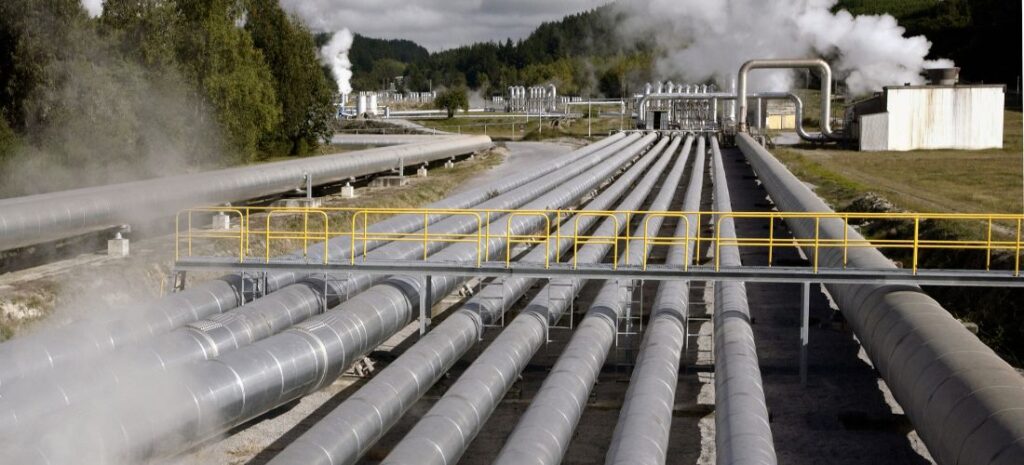
Energy is the backbone of modern life, and today, renewable energy fuel is becoming a key part of how India powers its future. As traditional fuels like coal and oil become limited and harmful to the environment, the shift toward cleaner and sustainable sources is no longer optional—it’s necessary. Renewable energy fuel helps reduce pollution, supports energy security, and ensures long-term availability. In simple words, renewable energy is about using natural sources that never run out. From sunlight to wind and water, these energy sources are available around us and can be used again and again without harming the planet. What is renewable energy? Before we go deeper, let’s understand what is Renewable Energy in simple terms. Renewable energy is energy that comes from natural sources that are constantly replenished. These sources do not get exhausted over time and are environmentally friendly compared to fossil fuels. Common Types of Renewable Energy Fuel: Solar Energy – Energy from sunlight Wind Energy – Power generated from wind turbines Hydropower – Energy from flowing water Biomass Energy – Fuel from organic materials like crop waste Geothermal Energy – Heat from beneath the Earth’s surface In India, solar and wind energy are the most widely used green fuels due to favorable climate conditions. Why Renewable Energy Fuel Matters in India India is one of the fastest-growing economies, which means energy demand is increasing every year. Relying only on coal and oil is not sustainable in the long run. Here’s why renewable energy fuel is important: Reduces dependence on imported fuels Helps control pollution levels Supports rural electrification Creates new job opportunities Strengthens energy security India has already set a target of achieving 500 GW of non-fossil fuel capacity by 2030, showing strong commitment toward green fuels. Advantages of Renewable Energy Fuel Renewable energy fuel offers multiple benefits beyond just clean power. Let’s break them down in a simple way. 1. Unlimited Energy Supply One of the biggest advantages is that renewable sources never run out. The sun rises every day Wind flows naturally Water cycles continuously This makes renewable energy a long-term solution. 2. Environment-Friendly Green fuels produce very low or zero emissions. Reduces carbon footprint Slows down climate change Protects natural ecosystems Unlike coal plants, renewable systems don’t release harmful gases. 3. Cost Savings Over Time While initial setup costs may be high, the long-term savings are significant. No fuel cost (sunlight and wind are free) Low maintenance expenses Reduced electricity bills 4. Job Creation The renewable sector is growing rapidly in India. Solar panel installation Wind turbine manufacturing Maintenance and operations Thousands of jobs are being created across different sectors. 5. Energy Independence India imports a large amount of oil and gas. Renewable energy reduces this dependency. More local energy production Less impact from global price changes Stronger national economy 6. Low Maintenance Modern renewable systems are designed for durability. Solar panels last 20–25 years Minimal maintenance required Reliable performance Disadvantages of Renewable Energy Fuel Even though renewable energy has many benefits, there are a few challenges to consider. 1. High Initial Investment Setting up renewable energy systems can be expensive. Solar panel installation costs Wind turbine setup Infrastructure development However, prices are gradually decreasing with technology advancements. 2. Weather Dependency Renewable energy depends on natural conditions. Solar power works only during the day Wind energy depends on wind speed This makes energy production variable. 3. Energy Storage Issues Since renewable energy is not constant, storage becomes important. Batteries are required Storage systems can be costly Technology is still improving 4. Land Requirement Large-scale projects need space. Solar farms require open land Wind farms need large areas Proper planning is required to avoid land conflicts. 5. Manufacturing Impact Producing renewable equipment also has some environmental impact. Mining of raw materials Industrial processes Waste management challenges Uses of Renewable and Green Fuels The use of green fuels is growing in every part of daily life. Let’s explore how renewable energy fuel is used. 1. Electricity Generation This is the most common use. Solar power plants Wind farms Hydropower stations These systems provide electricity to cities and villages. 2. Residential Use People are installing renewable systems at home. Rooftop solar panels Solar water heaters Small wind turbines This helps reduce electricity bills. 3. Transportation Renewable energy is transforming transport. Electric vehicles (EVs) Green hydrogen fuel Charging stations powered by solar 4. Agriculture Farmers are also benefiting. Solar-powered irrigation pumps Biomass energy from crop waste Reduced fuel costs 5. Rural Electrification In many remote areas, renewable energy is a game changer. Mini solar grids Off-grid solutions Reliable electricity access This improves education, healthcare, and local businesses. Table: Renewable Energy Fuel vs Fossil Fuels Feature Renewable Energy Fuel Fossil Fuels Availability Unlimited Limited Environmental Impact Low High Cost Over Time Low Increasing Maintenance Low High Pollution Minimal Significant Sustainability High Low Renewable Energy Trends in India India is making strong progress in renewable energy. Key Highlights: Over 200 GW renewable capacity achieved Rapid growth in solar installations Government subsidies for rooftop solar Expansion of wind energy projects Government Initiatives: National Solar Mission PM-KUSUM Scheme for farmers Renewable Purchase Obligations (RPO) Green Hydrogen Mission These initiatives are helping India move toward a cleaner future. Practical Insights from Real Usage From practical experience in India, renewable energy adoption is increasing not just in cities but also in smaller towns. For example: Many households are switching to rooftop solar to cut electricity bills Schools and institutions are installing solar panels for backup power Small businesses are using renewable energy to reduce operational costs These real-life applications show that renewable energy fuel is not just a concept—it is already improving everyday life. Tips Before Choosing Renewable Energy If someone is planning to switch to green fuels, here are some useful tips: Check location suitability (solar works best in sunny areas) Understand initial costs vs long-term savings Look for government subsidies Choose reliable equipment Plan for storage if needed Future of Renewable Energy Fuel in India The future looks promising.
Solar for Electric Car: A Simple Guide to Charging EVs with Solar Power
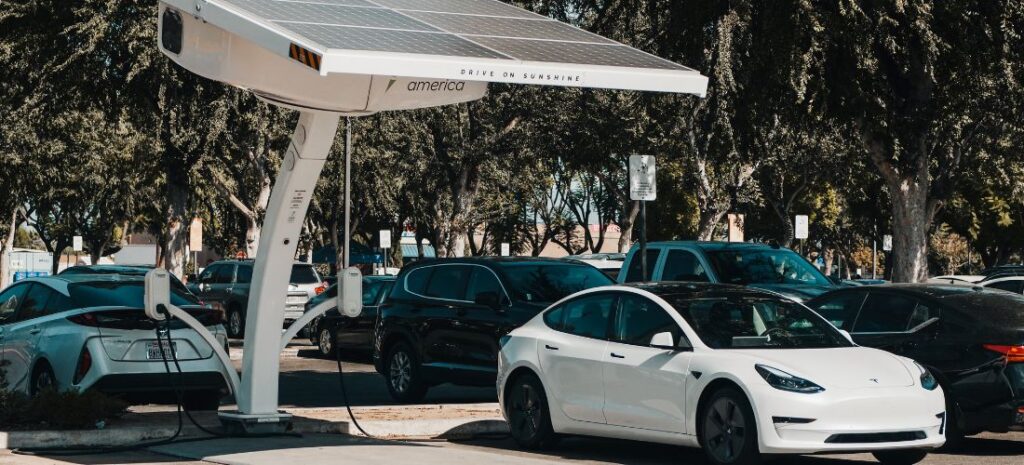
Using solar for electric car charging is no longer a futuristic idea-it’s becoming a practical solution for homeowners and businesses across India. With rising electricity costs and increasing EV adoption, many people are exploring electric car charging with solar as a cleaner and more affordable option. In simple terms, solar panels capture sunlight, convert it into electricity, and use it to charge your EV battery—reducing your dependency on the grid. If you’ve ever wondered how solar EV charging actually works, how much it costs, and whether it’s worth installing, this guide will walk you through everything in a clear and easy-to-understand way. What is Solar EV Charging? Solar EV charging means using solar panels to generate electricity and power your electric vehicle. Instead of relying entirely on grid electricity, your EV gets charged using energy from the sun. This setup usually includes: Solar panels installed on your rooftop An inverter to convert electricity A solar EV charger (also called a wall box) Optional battery storage system This system is commonly referred to as: Charging electric vehicle with solar Solar electric car charging Solar power electric car charger setup How Does Solar Energy Power Electric Cars? Whether you install solar panels at home or at a commercial site, the process remains simple and efficient. 1. The Basic Process Here’s how electric car charging with solar works step by step: Solar panels capture sunlight and convert it into DC electricity The inverter converts DC into AC power The solar electric car charger sends electricity to your EV Your EV battery stores this clean energy This process ensures smooth and efficient ev charging solar without relying heavily on grid electricity. 2. How Solar EV Charging Works After Installation Once your system is installed, it can operate in different ways depending on your setup: Home solar EV charging Your rooftop panels power your EV directly during the day Hybrid charging (Solar + Grid) Uses solar first, then switches to grid when needed Solar-powered charging stations Common in commercial areas or parking lots Off-grid solar EV charging Works independently using battery storage Future wireless solar charging Still emerging but shows promising potential Read More: hybrid solar inverters Why Use Solar for Electric Car Charging? Switching to solar for electric car charging offers both financial and environmental benefits. It’s not just about saving money-it’s about long-term sustainability. Key Benefits of Solar EV Charging Lower charging costs Solar energy is free after installation Reduced electricity bills Less dependency on grid power Clean and green energy No harmful emissions Energy independence Generate your own electricity Long-term savings System pays for itself over time Supports India’s green mission Aligns with renewable energy goals Real-Life Insight: What Most Homeowners Experience Many EV owners who install solar systems notice a big drop in their monthly electricity bills within the first few months. For example: Charging an EV daily using grid power can cost ₹3,000–₹5,000/month With solar, this cost can drop by up to 60–70% The biggest advantage? You are using sunlight-which is completely free. How Many Solar Panels Do You Need? The number of panels depends on several factors: EV battery size Daily driving distance Sunlight availability Panel efficiency Simple Example: A 40 kWh EV battery Requires around 10–12 solar panels for a full charge in a day If you drive more or own a larger EV, you may need a bigger system. Do You Need a Special Solar EV Charger? Yes, a standard plug may not be enough for efficient solar electric car charging. Key Components You’ll Need: Solar panels Inverter Solar EV charger / wall box Smart energy management system Optional: Battery storage Advanced Features (Optional but Useful): Smart charging controls Load management Bidirectional charging (vehicle-to-home) Using a proper solar EV charger ensures faster and safer charging. Solar EV Charging Cost in India Understanding costs is important before investing in a solar power electric car charger setup. Cost Comparison Table Aspect Details Solar power cost ₹2.5–₹3 per kWh Grid electricity cost ₹8–₹9 per kWh Savings potential Up to 60–70% Payback period 4–6 years Government incentives Subsidies & tax benefits available Maintenance Low Disclaimer: Basic standard price is not fixed. Costs can vary based on location, system size, and market conditions. Is Solar EV Charging Worth It in India? Short answer: Yes, for most people. India has strong sunlight availability, making it ideal for ev charging solar systems. Why It Works Well in India: High solar exposure Rising electricity prices Government support for solar energy Growing EV adoption Over time, solar charging becomes cheaper than grid charging. Challenges You Should Know While solar electric car charging is beneficial, there are a few limitations: High initial installation cost Requires rooftop space Charging depends on sunlight Battery storage adds extra cost However, most of these challenges are one-time or manageable. Practical Tips Before Installing Solar EV Charging If you’re planning to install a solar electric car charger, keep these tips in mind: Assess your daily driving needs Choose high-efficiency panels Install a smart EV charger Consider battery storage for night charging Check government subsidies Solar EV Charging for Homes vs Businesses For Homes: Ideal for daily commuting Smaller system size Lower installation cost For Businesses: Can install solar charging stations Attract EV users Generate additional revenue Future of Solar EV Charging The future of charging electric vehicle with solar looks promising. Upcoming Trends: Wireless EV charging Smart grid integration Vehicle-to-home power systems More affordable solar panels India is moving toward a clean energy future, and solar EV charging will play a big role. Read More : what is a solar carport Conclusion Using solar for electric car charging is one of the smartest decisions for EV owners today. It combines cost savings, environmental benefits, and energy independence into one powerful solution. While the initial investment may seem high, the long-term benefits outweigh the costs. As solar technology becomes more affordable and EV adoption increases, solar EV charging will soon become the standard rather than the exception. Frequently Asked Questions 1. Is
Understanding Green Fuels – The Future of Energy Fuel
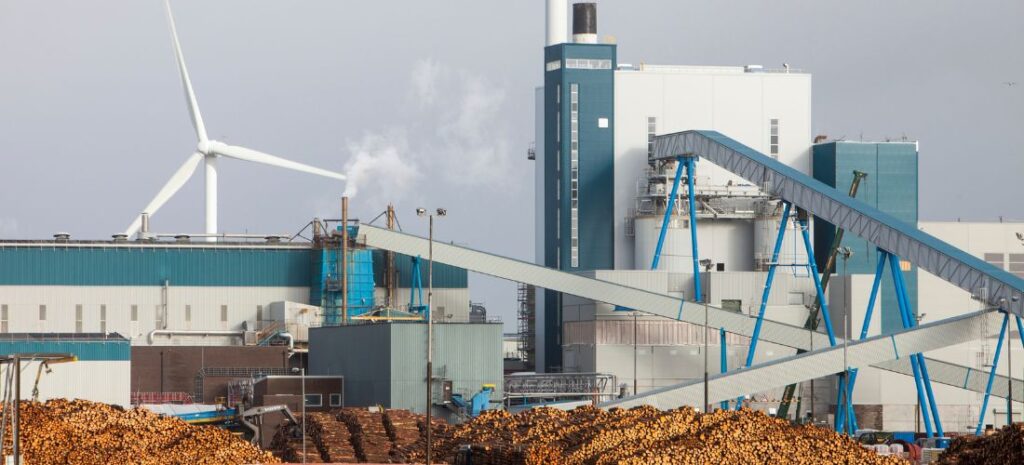
Green fuels are becoming an important part of how we think about energy fuels today. As the world looks for cleaner and more sustainable solutions, green fuel and other environmentally friendly fuels are helping reduce pollution and protect the planet. In simple terms, greener fuels are not just an option anymore-they are slowly becoming a necessity for a better future. It is not just about changing fuel sources; it is about changing the way we produce and use energy. These eco friendly fuels are designed to lower harmful emissions and create a balance between development and environmental care. Let’s understand everything about green fuels in a simple and practical way. What are green fuels? Green fuels are types of environmental friendly fuel that produce little to no harmful emissions when used. These fuels are made using natural or renewable resources like sunlight, wind, water, and organic materials. Unlike traditional fuels such as coal and petrol, green fuels do not damage the environment as much. They are cleaner, safer, and more sustainable over time. Some simple examples include: Solar energy from sunlight Biofuels made from crops Hydrogen fuel created using renewable energy These eco friendly fuels are designed to reduce carbon emissions and support a healthier planet. Why Green Fuels Matter The need for environmentally friendly fuels is increasing because of rising pollution and climate change. Traditional fuels release harmful gases that damage air quality and contribute to global warming. Here’s why greener fuels are important: Reduce Pollution: They produce fewer harmful gases Fight Climate Change: Lower carbon emissions help control global warming Renewable Sources: Most green fuels come from sources that don’t run out Energy Security: Countries can produce their own fuel instead of importing According to global energy reports, renewable energy sources could supply more than 50% of the world’s electricity by 2050 if adoption continues at the current pace. Types of Green Fuels Different types of eco friendly fuels are being used today. Each has its own benefits and uses. Biofuels Biofuels are one of the most common green fuel options. They are made from plants, crops, and organic waste. Key points: Used in vehicles as an alternative to petrol and diesel Made from renewable materials like sugarcane and corn Produce fewer greenhouse gases Example: Ethanol blended petrol used in India is a simple form of biofuel. Hydrogen Hydrogen is considered one of the cleanest energy fuel options available. Why it’s important: Produces only water when used as fuel High energy efficiency Can power vehicles and industries Green hydrogen is created using renewable energy, making it a powerful eco friendly fuel for the future. Wind Energy Wind energy uses turbines to convert wind into electricity. Benefits: No pollution during operation Low running cost after setup Works well in large open areas It is one of the fastest-growing environmentally friendly fuels worldwide. Solar Energy Solar energy is one of the easiest and most popular green fuels. Why people prefer it: Uses sunlight, which is free and unlimited Can be installed on rooftops Low maintenance cost Many homes and businesses are switching to solar panels to reduce electricity bills and carbon footprint. Geothermal Energy Geothermal energy uses heat from the Earth to produce power. Features: Reliable and consistent energy source Works day and night Low environmental impact Though less common, it is still an effective eco friendly fuel option. Read More: green energy resources Quick Comparison Table of Green Fuels Type of Green Fuel Source Main Use Environmental Impact Biofuels Plants & crops Vehicles Low emissions Hydrogen Water (via renewable energy) Transport & industry Zero emissions Wind Energy Wind Electricity No pollution Solar Energy Sunlight Homes & businesses Clean energy Geothermal Earth heat Power generation Very low emissions Advantages of Green Fuels Switching to green fuels has many benefits, not just for the environment but also for the economy and society. Environmental Benefits Reduces air pollution Helps control climate change Protects natural resources Economic Benefits Creates new job opportunities Reduces dependence on imported fuels Saves money in the long run Social Benefits Improves public health Provides cleaner living conditions Supports sustainable development Challenges and Solutions Even though eco-friendly fuels are beneficial, there are still some challenges. Challenges High Initial Cost: Setting up solar panels or wind farms can be expensive Storage Issues: Some fuels like hydrogen need advanced storage systems Infrastructure Gap: Limited charging stations or supply networks Awareness: Many people still don’t understand green fuel benefits Solutions Government Support: Subsidies and policies can help adoption Technology Improvement: Better storage and efficiency solutions Public Awareness: Education about benefits of greener fuels Private Investment: Companies investing in clean energy Read More : what is green energy Future of Green Fuels The future of environmentally friendly fuels looks promising. Governments and companies worldwide are investing heavily in renewable energy. In India, initiatives like: National Hydrogen Mission Solar energy expansion projects Electric vehicle push are helping increase the use of eco friendly fuels. Experts believe that in the next 20–30 years, a large part of global energy will come from green sources. Practical Tips to Use Green Fuels in Daily Life You don’t need to be a big company to support green fuel. Small steps can make a big difference. Install solar panels at home Use public transport or electric vehicles Save electricity wherever possible Support brands using sustainable energy Even small changes can help reduce your carbon footprint. Conclusion Green fuels are not just a trend-they are the future of energy fuel. As the world faces serious environmental challenges, switching to eco friendly fuels is one of the smartest decisions we can make. From solar and wind to hydrogen and biofuels, each type of green fuel brings us closer to a cleaner and healthier planet. While challenges still exist, continuous innovation and awareness are helping overcome them. The journey towards greener fuels is already happening. The question is not whether we should adopt them, but how fast we can make the shift. Frequently Asked Questions 1. What is green fuel? Answer:
11 Reasons Housing Societies Are Choosing Solar in 2026
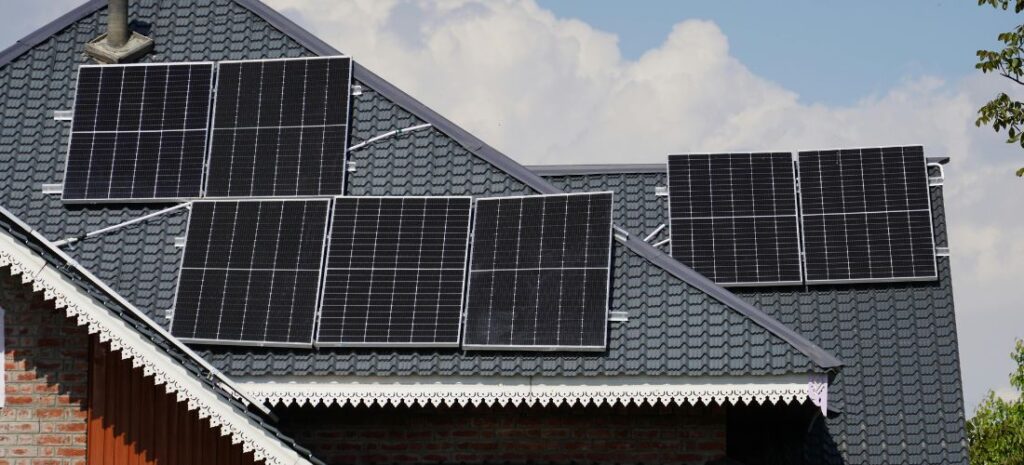
Solar for housing societies in 2026 is no longer just an eco-friendly idea-it has become a practical, money-saving decision for residential communities across India. With rising electricity bills, better government support, and improved solar technology, more societies are now switching to solar to reduce costs and gain long-term benefits. From cutting down common area expenses to increasing property value, solar is helping societies take control of their energy usage in a smart and sustainable way. If your society is still thinking about it, this guide will help you understand why the shift is happening so fast in 2026. What is Solar for Housing Societies? Solar for housing societies means installing a centralized solar power system (usually on rooftops or parking areas) that generates electricity for common facilities like: Lifts Water pumps Corridor lighting Security systems Clubhouse and gym In many cases, with virtual net metering, even individual flats benefit from the generated power. Why Solar Adoption is Growing Rapidly in 2026 Before we jump into the 11 reasons, let’s quickly understand what’s driving this trend: Electricity tariffs are increasing every year Government subsidies are more accessible Solar technology is more efficient and affordable Awareness about sustainability is growing Societies want long-term cost control 11 Reasons Housing Societies Are Choosing Solar in 2026 1. Major Reduction in Electricity Bills This is the biggest reason. Housing societies spend a huge amount every month on electricity for common areas. Solar directly reduces this cost. Here’s a simple estimate: Parameter Value Daily generation (1kW) 4–5 units Annual generation (1kW) 1500–1800 units Avg. tariff ₹7/unit Monthly savings (20kW system) ₹15,000–₹20,000 Annual savings ₹1.8–2.4 lakh Result: Many societies reduce their electricity bills by 60% to 90%. 2. Strong Return on Investment (ROI) Solar is not an expense-it’s a long-term investment. Payback period: 4–5 years System life: 25+ years After payback: Almost free electricity That means 20 years of savings after recovering your cost. 3. Government Subsidies Make It Affordable In 2026, solar adoption is strongly supported by government policies. Subsidies reduce upfront cost significantly Special benefits for housing societies Net metering policies improve savings This makes solar more accessible than ever before. 4. Turns Unused Rooftop Into Income-Generating Asset Most society rooftops are unused. Solar changes that. Rooftop becomes a power generator Parking areas can have solar sheds Every square foot generates value Instead of wasting space, societies earn from it. 5. Benefits All Residents Equally One major advantage of solar for housing societies in 2026 is fairness. With shared systems: Every resident benefits No need for individual installation Even lower floors get equal savings This creates a community-wide benefit model. Read More— What Is A Commercial Solar 6. Real-Time Monitoring and Transparency Modern solar systems come with smart monitoring tools. Society committees can: Track energy generation Monitor consumption Check system performance This builds trust and transparency among residents. 7. Very Low Maintenance Solar panels are simple systems with no moving parts. Maintenance includes: Occasional cleaning Basic inspection No heavy servicing required. This makes it ideal for housing societies that want a hassle-free solution. 8. Reduces Carbon Footprint Every unit of solar energy reduces dependence on coal-based electricity. Example: 5kW system = ~6 tons CO₂ reduction per year For a large society: Huge environmental impact over 25 years This supports India’s clean energy goals and creates a greener living environment. 9. Reduces Dependency on Diesel Generators Diesel generators are: Expensive Noisy Polluting Solar reduces generator usage, especially during daytime. Benefits: Lower fuel cost Less noise Cleaner air 10. Protection from Rising Electricity Prices Electricity prices are unpredictable and keep increasing. Solar gives control: Generate your own electricity Reduce dependency on grid Stable long-term costs This is a big advantage in 2026 where tariffs are rising faster. 11. Increases Property Value Homes in solar-powered societies are more attractive to buyers. Why? Lower maintenance charges Lower electricity bills Eco-friendly lifestyle This increases: Property resale value Rental demand Practical Insights: What Societies Should Know Before Installing Solar Here are some real, experience-based tips: Check Rooftop Condition Ensure shadow-free area Structural strength is important Choose the Right System Size Based on electricity consumption Avoid under or oversizing Understand Net Metering Policy Rules vary by state Impacts your savings Select Experienced Vendor Installation quality matters Maintenance support is important Common Mistakes to Avoid Choosing cheapest vendor instead of best quality Ignoring maintenance planning Not involving residents in decision Incorrect system sizing Final Thoughts Solar for housing societies in 2026 is not just a trend—it’s becoming a necessity. With rising electricity costs, better technology, and strong government support, the shift toward solar is happening faster than ever. For housing societies, it offers: Lower electricity bills Long-term financial savings Energy independence Environmental benefits The sooner a society adopts solar, the sooner it starts saving. Read More – benefits of a solar rooftop system FAQs 1. Why are housing societies choosing solar in 2026? Answer – Housing societies are choosing solar in 2026 mainly due to rising electricity costs, government subsidies, and long-term savings. Solar helps reduce common area electricity bills and provides energy independence. 2. How much can a housing society save with solar? Answer – A housing society can save up to 60% to 90% on common electricity bills depending on system size, usage, and local electricity tariffs. 3. What is the cost of installing solar for housing societies? Answer – The cost depends on system size, location, and technology used. However, subsidies and financing options make it more affordable for most societies. 4. What is the payback period for solar in housing societies? Answer – Most housing societies recover their solar investment within 4 to 5 years, after which they enjoy almost free electricity for 20+ years. 5. Do all residents benefit from solar installation? Answer – Yes, with shared solar systems and virtual net metering, all residents can benefit from reduced electricity costs, regardless of their floor. 6. Is maintenance required for solar panels? Answer – Solar panels require very low maintenance. Basic cleaning and periodic checks are enough
World Environment Day 2026: Turning the Tide on Plastic Pollution

World Environment Day 2026: Turning the Tide on Plastic Pollution is more than just a theme—it’s a powerful reminder that our daily choices directly shape the future of our planet. As plastic waste continues to rise at an alarming rate, this year’s focus pushes individuals, businesses, and governments to take real action, not just spread awareness. At KLK Ventures, we believe that meaningful change starts with informed decisions and sustainable practices. What is World Environment Day? World Environment Day is celebrated every year on June 5 and is led by the United Nations Environment Programme (UNEP). It is one of the largest global platforms for environmental awareness, involving over 150 countries. The purpose is simple: Raise awareness about environmental issues Encourage sustainable actions Promote policy-level and grassroots change Each year comes with a specific theme. For 2026, the focus is clear: 👉 Turning the Tide on Plastic Pollution Why Plastic Pollution is a Serious Problem Plastic has become a part of our everyday life—from packaging to household products. But the problem lies in how we use and dispose of it. Key Facts You Should Know Issue Data Global plastic production 400+ million tonnes annually Plastic waste in India ~9.3 million tonnes per year Ocean plastic entry 2000+ garbage trucks daily Recycling rate globally Less than 10% Most plastics are single-use, meaning they are thrown away after one use. These plastics take hundreds of years to decompose. The Real Impact of Plastic Pollution Plastic pollution is not just about dirty streets or oceans—it affects everything around us. 1. Environmental Damage Plastics clog rivers, lakes, and oceans Soil quality reduces due to microplastics Wildlife often mistakes plastic for food 2. Marine Life Threat Over 100,000 marine animals die every year Turtles, fish, and birds ingest plastic waste 3. Human Health Risks Microplastics are now found in: Drinking water Air Human blood samples Long-term effects are still being studied, but early signs are concerning 4. Climate Impact Plastic production releases large amounts of carbon emissions: 1 tonne of plastic = ~2.5 tonnes of CO₂ World Environment Day 2026 Theme: Turning the Tide The 2026 theme focuses on reducing plastic use, improving waste management, and promoting sustainable alternatives. This is not just about banning plastic—it’s about: Rethinking how we produce plastic Redesigning products for reuse Recycling efficiently India’s Efforts to Reduce Plastic Pollution India has taken several strong steps to tackle plastic waste. Key Initiatives Plastic Waste Management Rules (Updated 2025) Ban on certain single-use plastics Extended Producer Responsibility (EPR) Mandatory recycled content in packaging What is Changing? Year Recycled Plastic Requirement 2025-26 Minimum 30% 2028-29 Up to 60% These steps push companies to become more responsible for their waste. Role of Businesses in Plastic Reduction Companies play a major role in solving the plastic crisis. At KLK Ventures, the focus is on sustainable growth and responsible practices. What Businesses Can Do Use eco-friendly packaging Reduce unnecessary plastic usage Invest in recycling systems Shift to renewable energy sources Educate customers Practical Example A manufacturing company switching from plastic packaging to biodegradable alternatives can: Reduce waste by up to 40% Improve brand trust Lower long-term costs The Link Between Plastic Pollution and Energy Plastic production is closely tied to fossil fuels. That means: More plastic = more oil usage More oil usage = more pollution Switching to clean energy helps reduce overall environmental damage. How Renewable Energy Helps Renewable energy solutions, like solar power, can reduce the impact of industrial pollution. Benefits Zero emissions during operation Lower carbon footprint Reduced dependence on fossil fuels Simple Impact Calculation Energy Source CO₂ Emission Coal High Diesel High Solar Zero during use Even small changes in energy usage can create a big environmental impact. Everyday Actions That Make a Difference You don’t need to be a large company to create change. Small actions matter. Simple Steps You Can Take Carry reusable bags Avoid single-use plastic bottles Use steel or glass containers Segregate waste at home Support eco-friendly brands Real-Life Example A household switching to reusable grocery bags can prevent: Over 500 plastic bags per year Waste Segregation: A Game Changer One of the biggest issues in India is mixed waste. Why Segregation Matters Makes recycling easier Reduces landfill waste Improves efficiency of waste management systems Basic Segregation Guide Waste Type Example Dry Waste Plastic, paper, metal Wet Waste Food, organic waste Hazardous Batteries, chemicals Challenges in Fighting Plastic Pollution Even with awareness, there are challenges: Lack of proper recycling infrastructure Low public awareness in rural areas Cost of sustainable alternatives Improper waste disposal systems Opportunities for a Better Future Despite challenges, there are strong opportunities: Growth of eco-friendly startups Innovation in biodegradable materials Government support for sustainability Increased consumer awareness How KLK Ventures Supports Sustainability At KLK Ventures, sustainability is not just a concept-it’s part of the working approach. Focus Areas Promoting environmentally responsible solutions Supporting green infrastructure Encouraging awareness and education Aligning business practices with sustainability goals Practical Tips for Businesses If you run a business, here are some practical steps: Start Small Replace plastic packaging with paper or cloth Offer refill options Think Long-Term Invest in sustainable supply chains Partner with recycling companies Build Awareness Educate employees and customers Promote eco-friendly campaigns The Role of Education and Awareness Awareness is the first step toward change. Why It Matters People make better choices when informed Encourages responsible behavior Builds long-term habits Schools, companies, and communities must work together to spread awareness. Final Thoughts World Environment Day 2026: Turning the Tide on Plastic Pollution is not just a campaign—it’s a responsibility. The plastic problem is real, but so is the solution. Change does not happen overnight, but with consistent efforts: Individuals can reduce waste Businesses can adopt sustainable practices Governments can enforce better policies At KLK Ventures, the belief is simple: Small actions today create a cleaner tomorrow. FAQs 1. What is the theme of World Environment Day 2026? Answer: The theme of World Environment Day 2026 is “Turning the Tide on Plastic Pollution,” focusing on reducing