
Home Solar Panel Installation Cost in India 2026
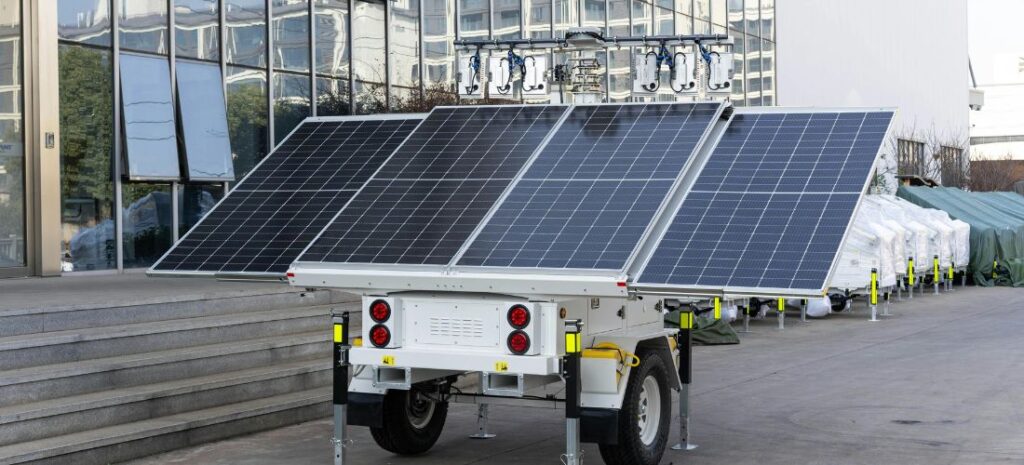
Solar panel installation for your home is becoming one of the smartest decisions Indian homeowners are making in 2026. With rising electricity bills, frequent power cuts, and growing awareness about clean energy, installing solar panels-whether 1 kW solar panels, 2 kW solar panels, or larger systems-has shifted from a “future idea” to a practical, money-saving solution. This guide explains the home solar panel installation cost in India in 2026 in a simple, transparent, and human way. No jargon. No hype. Just real explanations, real numbers, and practical insights to help you decide what’s right for your home. Understanding Home Solar Panel Systems Before talking about cost, it’s important to understand what you are actually paying for when you install solar panels for your home. A home solar panel system is not just panels on a roof. It’s a complete setup where multiple components work together to generate electricity safely and efficiently. Read More – Solar panel Structure Main Components of a Home Solar Panel System A standard rooftop solar system in India usually includes: Solar panels Solar inverter Mounting structure DC & AC wiring Junction boxes & safety devices Battery (optional, only for backup systems) Each component affects the final installation cost. Solar Panels: The Heart of the System Solar panels (also called PV panels) capture sunlight and convert it into electricity. In 2026, Indian homes mostly use these types: Monocrystalline / Mono PERC panels Polycrystalline panels Half-cut solar panels Bifacial panels (in premium setups) Which Solar Panels Are Common for Homes? For most residential users: 1 kW solar panels and 2 kW solar panels are the most popular Mono PERC and half-cut panels dominate due to better efficiency and longer life High-efficiency panels cost more, but they: Need less roof space Generate more units per day Perform better in Indian heat conditions That’s why many homeowners now prefer them despite the slightly higher price. Solar Inverters: Converting Power for Daily Use Solar panels generate DC electricity, but homes run on AC electricity. This conversion is done by a solar inverter. Types of Inverters Used in Homes String Inverters Most common Cost-effective Suitable for simple rooftop layouts Micro Inverters Installed panel-wise Better performance in shaded areas Higher cost Hybrid Inverters Used when batteries are included Higher upfront investment The inverter choice directly impacts your solar panel installation cost in India. Mounting Structure: Holding Everything in Place Solar panels must be mounted safely to handle: High winds Heavy rain Summer heat Long-term load Types of Mounting Structures Rooftop mounting (most common) Elevated structures for concrete roofs Tin-sheet roof structures Ground-mounted structures (rare for homes) Better quality structures increase durability but add to cost. Read More – 5kw hybrid Solar Batteries: Optional but Useful Batteries store excess power for night-time or power cuts. In India, most homes still prefer on-grid systems without batteries because: Batteries increase upfront cost significantly Net metering allows grid export Maintenance is higher However, batteries are useful in: Areas with frequent power cuts Homes needing backup power Factors Affecting Home Solar Panel Installation Cost in India (2026) There is no single fixed price for solar installation. Costs depend on multiple real-world factors. 1. System Size (kW Capacity) The biggest cost factor is system size: 1 kW solar panels → Small homes, low usage 2 kW solar panels → 2–3 BHK homes Larger systems → Villas, high consumption households Bigger systems cost more but reduce per-unit price. 2. Type & Quality of Solar Panels High-efficiency panels = higher upfront cost Budget panels = lower cost, slightly less output Most people in 2026 balance cost + performance instead of choosing the cheapest option. 3. Solar Panel Manufacturing Company The brand you choose matters. A reputed solar panel manufacturing company offers: Certified panels (ALMM, BIS, IEC) Long warranties (25 years) Stable performance Better resale & service support Unbranded or low-quality panels may look cheap but often fail early. 4. Roof Type & Installation Complexity Costs increase if: Roof is small or uneven Extra structure height is needed Access is difficult Flat concrete roofs are the easiest and cheapest to install on. 5. Government Subsidy & Net Metering Government schemes can reduce installation cost significantly. Subsidies vary by: State System size Residential eligibility Net metering further improves savings by exporting excess units to the grid. Average Solar Panel Installation Cost in India (2026) Below is a simple and user-friendly table showing average prices. Average Solar Panel Installation Cost by System Size Solar System Size Approx Cost (₹) 1 KW ₹65,000 – ₹85,000 2 KW ₹1,05,000 – ₹1,25,000 3 KW ₹1,50,000 – ₹1,70,000 4 KW ₹1,85,000 – ₹2,05,000 5 KW ₹2,30,000 – ₹2,50,000 6 KW ₹2,85,000 – ₹2,95,000 7 KW ₹3,15,000 – ₹3,25,000 8 KW ₹3,60,000 – ₹3,80,000 9 KW ₹4,05,000 – ₹4,15,000 10 KW ₹4,50,000 – ₹4,60,000 Prices are indicative and may vary. Solar Panel Installation Cost Per Watt in India Larger systems get cheaper per watt. Cost Per Watt Table (2026) System Capacity Approx Cost per Watt (₹) 1 KW ₹65 5 KW ₹60 10 KW ₹56 15 KW ₹59 20 KW ₹58 25 KW ₹57 50 KW ₹56 100 KW ₹56 250 KW ₹51 500 KW ₹48 1 MW ₹46 This explains why many homeowners upgrade capacity once they see savings. How Much Electricity Can Solar Panels Generate? On average in India: 1 kW solar panels → 4–5 units/day 2 kW solar panels → 8–10 units/day This depends on: Location Sunlight hours Panel efficiency Roof direction Maintenance Cost of Solar Panels One underrated benefit of solar panels for your home is low maintenance. Typical costs: Panel cleaning: ₹1,000–₹2,000/year Inverter servicing: minimal Panel lifespan: 25+ years No fuel, no noise, no daily attention. Choosing the Right Solar Panel Manufacturing Company Always choose a trusted solar panel manufacturing company that provides: ALMM-listed panels BIS, IEC & ISO certifications 25-year performance warranty Indian manufacturing support This ensures: Subsidy eligibility Long-term reliability Peace of mind Why 2026 Is a Good Time to Install Solar Panels Several reasons make 2026 ideal: Electricity tariffs increasing
Benefits Of Solar Energy For Commercial Buildings
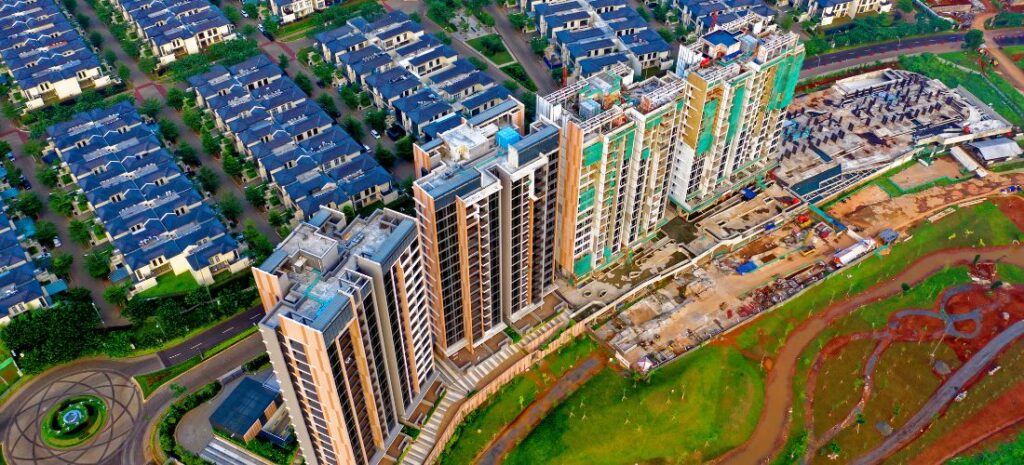
Solar Energy For Commercial Buildings is rapidly becoming a practical and smart solution for businesses looking to reduce energy costs and operate more sustainably. With electricity prices rising every year and power demand increasing, solar energy offers commercial buildings a reliable, cost-effective, and future-ready power source. Key Summary Solar energy helps commercial buildings significantly reduce electricity bills and operational costs. Businesses benefit from government incentives, tax benefits, flexible loan options, and faster return on investment. Installing a commercial solar system improves property value, brand image, and long-term energy security. Solar adoption supports sustainability goals, reduces carbon emissions, and helps meet environmental regulations. Why Solar Energy Is Gaining Popularity in Commercial Buildings Solar energy is no longer limited to residential rooftops. In India, commercial buildings such as offices, factories, hospitals, hotels, warehouses, malls, and educational institutions are increasingly adopting solar energy systems. There are three main reasons behind this shift: Rising electricity tariffs that impact monthly operating costs High daytime power consumption that matches solar energy availability Growing awareness of sustainability and green business practices Commercial buildings typically consume large amounts of electricity during the day for lighting, air conditioning, machinery, servers, and operational equipment. This consumption pattern makes solar energy especially suitable for commercial use. How Solar Energy Works for Commercial Buildings A commercial solar system works by converting sunlight into electricity using photovoltaic (PV) panels. These panels are usually installed on rooftops, parking structures, or open land within the property. Here is a simple breakdown of the process: Solar panels absorb sunlight PV cells generate direct current (DC) electricity An inverter converts DC power into usable alternating current (AC) The electricity is used within the building Excess power, if any, is exported to the grid through net metering Most commercial buildings prefer on-grid solar systems because they are cost-effective, low-maintenance, and allow grid connectivity. Why Solar Panels Are Suitable for Commercial Buildings Commercial buildings have unique energy needs that align well with solar power generation. Key reasons include: High electricity usage during daylight hours Large rooftop or open spaces for panel installation Long-term operational planning that supports investment recovery Ability to utilize government policies and financial incentives The demand-supply match between solar energy production and commercial power usage makes solar energy an efficient choice. Key Benefits Of Solar Energy For Commercial Buildings 1. Significant Savings on Electricity Bills One of the biggest benefits of solar energy is reduced electricity expenses. Commercial buildings consume power continuously, leading to high monthly bills. By installing a commercial solar system: Daytime electricity demand is met through solar power Dependence on grid electricity is reduced Monthly energy bills decrease substantially Over time, these savings directly improve business profitability. Read More – commercial solar panel 2. Protection Against Rising Power Tariffs Electricity tariffs in India increase frequently due to fuel costs, infrastructure expenses, and demand growth. Solar energy helps businesses: Lock in lower energy costs Reduce exposure to future tariff hikes Plan operational expenses more accurately Once installed, solar panels generate power at a fixed cost for 25–30 years. 3. Faster Return on Investment (ROI) Although the initial investment may seem high, commercial solar systems offer a relatively quick payback period. Most businesses recover their investment within 5–7 years through: Electricity bill savings Tax benefits and incentives Net metering credits After the ROI period, the electricity generated becomes almost free, creating long-term financial benefits. 4. Access to Government Incentives and Tax Benefits The Indian government actively promotes solar adoption for commercial use. Businesses can benefit from: Accelerated depreciation benefits State-level solar incentives (subject to availability) Attractive loan options from banks and NBFCs Reduced tax liability through renewable energy investments These benefits significantly lower the effective cost of installing a commercial solar system. 5. Improved Property Value Commercial properties with solar installations are more attractive in the real estate market. Advantages include: Lower operating costs for tenants Higher resale value Faster leasing and occupancy rates Energy-efficient buildings are often preferred by modern businesses and investors. 6. Enhanced Brand Image and Sustainability Goals Sustainability is no longer optional for businesses. Customers, partners, and investors prefer companies that demonstrate environmental responsibility. Using solar energy helps businesses: Reduce carbon footprint Showcase commitment to clean energy Align with ESG and sustainability goals A solar-powered commercial building sends a strong message about responsible business practices. 7. Low Maintenance and Long System Life Solar panels are designed to operate for decades with minimal maintenance. Maintenance requirements include: Periodic cleaning to remove dust Basic electrical inspections There are no moving parts, reducing wear and tear. Most solar panels come with performance warranties of 25 years or more. 8. Net Metering Benefits Net metering allows commercial buildings to export surplus solar energy back to the grid. Benefits include: Credits for excess electricity generated Lower effective power bills Better utilization of installed capacity This makes solar energy even more financially rewarding for commercial users. 9. Energy Independence and Reliability Solar energy reduces dependence on power distribution companies. This helps businesses: Avoid power supply disruptions Reduce reliance on diesel generators Ensure stable energy availability Energy independence is especially valuable for manufacturing units and IT facilities. 10. Compliance with Environmental Regulations Government regulations are increasingly focused on sustainability and emission reduction. Solar energy helps commercial buildings: Meet environmental compliance requirements Avoid penalties related to emissions Qualify for green building certifications This can also improve eligibility for government and corporate tenders. Comparison: Commercial Solar Energy vs Traditional Power Aspect Commercial Solar Energy Grid Electricity Cost Stability Fixed for decades Increases regularly Environmental Impact Clean and renewable High carbon emissions Maintenance Very low Not applicable Long-Term Savings High Limited Energy Independence Partial to high Fully dependent Factors to Consider Before Installing a Commercial Solar System Before investing in solar energy, businesses should evaluate: Available rooftop or open space Current electricity consumption Roof strength and orientation Local net metering policies Financial planning and ROI expectations Working with experienced solar providers like KLK India ensures proper system design and long-term performance. Disclaimer: Basic standard prices are not fixed. Actual commercial
Solar Collectors: Types, Uses & How to Choose the Right One
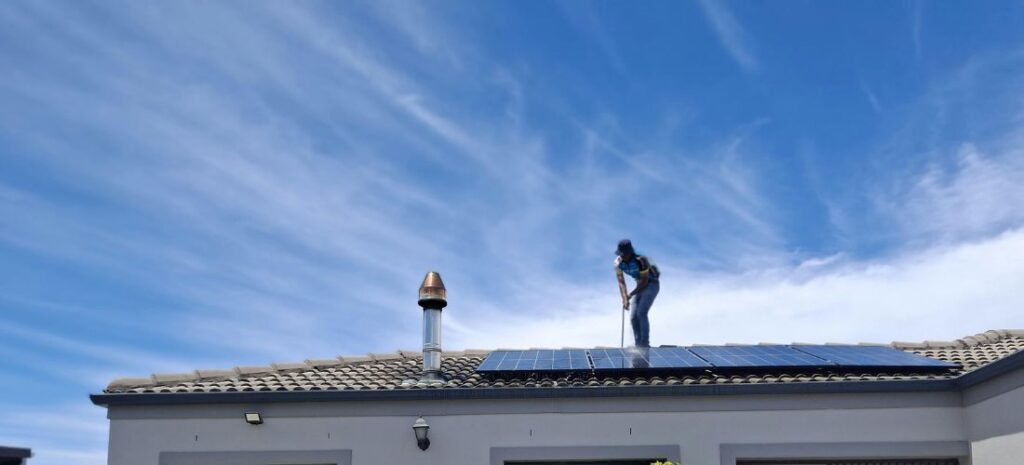
Solar collectors are the heart of solar energy systems, helping capture sunlight and convert it into usable heat or power for daily needs. With rising electricity costs and strong government support for renewable energy in India, understanding what is solar collectors and how different types of solar collectors work has become essential for homeowners, farmers, and industries alike. What Is a Solar Collector? A solar collector is a device that absorbs sunlight and converts it into thermal energy (heat) or supports electricity generation in solar systems. This heat can be used for water heating, space heating, industrial processes, or agricultural applications like drying crops. In simple terms, solar energy collectors trap the sun’s heat and put it to practical use. Because India receives abundant sunlight for most of the year, solar collectors are highly effective and reliable across many regions. Why Solar Collectors Are Important in India India’s climate and energy needs make solar collectors especially valuable. With long sunny days and increasing electricity demand, solar energy collectors help reduce dependency on conventional power sources. Here’s why they matter so much: High solar potential: Most parts of India receive 4–7 kWh of solar radiation per square meter daily. Rising power costs: Solar collectors help lower monthly electricity bills. Government support: Schemes like PM-KUSUM and JNNSM encourage solar adoption. Rural and urban use: From city homes to farms, solar collectors fit many needs. Environmental benefits: They reduce carbon emissions and fossil fuel use. Because of these factors, solar collectors are now common in homes, hospitals, hotels, factories, and agricultural fields. How Do Solar Energy Collectors Work? Although there are different types of solar collectors, the basic working principle remains the same: Sunlight falls on the collector surface The absorber plate or tube captures solar radiation Heat is transferred to water, air, or another fluid The heated medium is stored or directly used The efficiency depends on design, material quality, climate, and proper installation. Different Types of Solar Collectors There are several types of sol ar collectors, each designed for specific uses and environments. Choosing the right one depends on what you want to use solar energy for. 1. Flat Plate Collectors (FPC) Flat Plate Collectors are one of the oldest and most commonly used solar collectors in India, especially for residential water heating. Key Features Flat, rectangular design Transparent glass cover Dark absorber plate underneath Insulated box to reduce heat loss Where They Are Used Homes for hot water Hostels and apartments Hospitals and small hotels Practical Insight In many Indian homes, flat plate collectors work efficiently throughout the year, especially in warm and moderate climates. They require minimal maintenance and have a long lifespan when installed correctly. Pros Simple and durable design Works well in sunny regions Affordable compared to advanced systems Cons Lower efficiency in very cold or cloudy conditions Requires more space on the roof 2. Evacuated Tube Collectors (ETC) Evacuated Tube Collectors are more advanced solar energy collectors designed for higher efficiency. Key Features Multiple glass tubes Vacuum layer between tubes reduces heat loss Absorbs sunlight from multiple angles Where They Are Used Residential water heating Commercial buildings Industrial hot water systems Practical Insight In North India or hilly regions, evacuated tube collectors perform better during winter and cloudy days compared to flat plate collectors. Pros Higher efficiency Performs well in cold weather Faster heating Cons Slightly higher cost Glass tubes need careful handling 3. Solar Air Collectors Solar air collectors heat air instead of water. They are simple but very useful for specific applications. Key Features Uses air as the heat transfer medium Simple structure Low maintenance Where They Are Used Space heating Crop drying Ventilation systems Warehouses and workshops Practical Insight For farmers, solar air collectors help dry grains, spices, and vegetables naturally, reducing spoilage and dependence on fuel-based dryers. Pros Affordable No risk of water leakage Ideal for agriculture Cons Limited use in households Not suitable for water heating 4. Concentrating Solar Collectors (CSP) Concentrating Solar Collectors are used for large-scale applications and power generation. Key Features Uses mirrors or lenses Concentrates sunlight onto a small point Produces very high temperatures Where They Are Used Solar power plants Large industrial heating processes Practical Insight CSP systems are mainly used in large projects due to their cost and space requirements, but they offer very high efficiency where sunlight is intense and consistent. Pros Very high efficiency Suitable for large energy needs Cons High installation cost Requires large open space Needs direct sunlight Comparison of Different Solar Collectors Below is a simple and user-friendly table to help you compare different solar collectors easily: Solar Collector Type Efficiency Cost Range Best For Suitable Climate Flat Plate Collectors Moderate Affordable Home water heating Warm & moderate Evacuated Tube Collectors High Mid-range Cold regions, residential & industrial Cold & cloudy Solar Air Collectors Moderate Affordable Space heating, crop drying Dry & sunny Concentrating Solar Collectors Very High Expensive Power plants, industries High sunlight How to Choose the Right Solar Collector for Your Needs Choosing the right solar collector depends on practical factors, not just price or popularity. 1. Purpose of Use Ask yourself: Do you need hot water? Do you want to heat air? Is it for industrial use or home use? 2. Climate Conditions Warm regions: Flat Plate Collectors work well Cold or cloudy regions: Evacuated Tube Collectors perform better 3. Space Availability Limited roof space may require high-efficiency collectors Large areas suit flat plate or CSP systems 4. Budget Planning Initial cost matters, but long-term savings are more important. Disclaimer: Prices mentioned are basic standard estimates and not specific. Actual costs can vary depending on brand, capacity, location, and installation conditions. 5. Maintenance Expectations Some collectors need minimal care, while others require professional servicing. Benefits of Using Solar Collectors in India Using solar energy collectors offers long-term value beyond cost savings. Lower Energy Bills Once installed, sunlight is free. This significantly reduces electricity or fuel expenses. Government Incentives Subsidies and schemes make solar collectors more affordable,
Solar Panel Structure: Types, Benefits & Uses

Solar Structure plays a crucial role in how well a solar power system performs over its lifetime. Solar panels generate maximum electricity only when they are placed at the right angle, direction, and height. That is why a strong and well-designed solar panel structure is just as important as the panels themselves. Solar panels perform best when exposed to direct sunlight. In India, this usually means mounting modules facing south at an optimal tilt angle. This is where solar structures come in-they support, protect, and position solar panels so that energy generation remains high, stable, and safe for years. What Is a Solar Panel Structure? A solar panel structure (also called a solar mounting structure) is the framework that holds solar panels in place. It ensures panels stay fixed at the correct angle and orientation while facing different weather conditions like wind, rain, heat, and dust. In simple words, if solar panels are the heart of a solar system, the solar structure is the backbone. A good solar structure helps: Maximize sunlight exposure Improve power generation Increase system life Protect panels from damage Solar structures are used in: Rooftop solar systems Ground-mounted solar plants Solar carports Solar tracking and solar water pumping systems Why Solar Structures Are So Important Many people focus only on solar panels and inverters, but the structure directly affects performance. A weak or poorly designed structure can reduce generation, cause panel damage, or increase maintenance costs. Key reasons solar structures matter: They maintain the correct tilt and direction They handle wind load and extreme weather They keep panels ventilated to avoid overheating They support long-term durability of the system In India, solar projects use different mounting designs based on location, roof type, land availability, and budget. Factors to Consider Before Choosing a Solar Structure Before selecting a solar panel structure, it is important to understand your site conditions and energy goals. Ask yourself: Is the installation on a roof or on the ground? How much space is available? Is there any shading from trees or buildings? Do you plan to expand the system in the future? Is appearance important for you? Will the structure face strong winds or heavy rain? The right answers help you choose the most suitable solar structure. Types of Solar Structures There are five main types of solar panel mounting structures commonly used in India: RCC Roof Mounting Structure Ground Mounting Structure Solar Carport Structure Shed Mounting Structure Tracking System Mounting Structure Let’s understand each type in detail. 1. RCC Roof Mounting Structure RCC stands for Reinforced Cement Concrete. These solar structures are installed on flat concrete rooftops of homes, offices, hospitals, schools, and commercial buildings. This is one of the most common solar panel structures in residential and commercial rooftop projects. How It Works Panels are mounted on metal frames fixed to the RCC roof Panels are tilted to face south for better sunlight The structure is anchored using bolts or ballast Benefits Lower installation cost compared to other types Easy to inspect and maintain Uses unused rooftop space efficiently Shorter cable length reduces power loss Limitations Roof penetration is required Poor sealing can lead to roof leakage Roof must be shadow-free Expansion is limited by roof size RCC roof mounts are ideal when your building has enough open roof space and strong structural support. 2. Ground Mounting Structure Ground-mounted solar structures are installed directly on the land using concrete foundations or pile-driven supports. These are widely used in utility-scale and large commercial solar plants. How It Works Solar panels are fixed on frames anchored to the ground Tilt angle can be adjusted more freely Space between rows avoids shadowing Benefits Higher energy generation potential Suitable for large capacities Easy to clean and maintain Ideal for solar tracking and solar water pumping systems Limitations Requires large shadow-free land Higher installation cost Risk of vandalism if area is not secure Dirt and dust accumulation under panels Ground mounting structures are best when rooftop space is limited or when high-capacity systems are needed. 3. Solar Carport Structure Solar carports are elevated solar structures built over parking areas. They serve two purposes—energy generation and vehicle shading. These solar panel structures are becoming popular in malls, offices, hospitals, airports, and housing societies. How It Works Panels are mounted on tall steel or aluminum frames Vehicles park under the structure Optional EV charging can be integrated Benefits Uses underutilized parking space Provides shade and weather protection for vehicles Generates clean electricity Improves the visual appeal of the area Limitations Needs open parking space Slightly higher cost than ground mounts Solar carports are an excellent solution where land is limited but parking space is available. 4. Shed Mounting Structure Shed mounting structures are used on metal or sheet roofs, commonly found in factories, warehouses, workshops, and industrial units. How It Works Panels are mounted on metal sheds using clamps Special care is taken to maintain airflow Lightweight structures are used Benefits Low installation cost Makes use of large industrial roofs Easy maintenance Helps businesses reduce electricity bills Limitations Power output depends on roof orientation Poor ventilation can cause panel heating Roof must be strong enough Proper spacing between panels and the shed roof is very important to avoid heat buildup. 5. Tracking System Mounting Structure Tracking system mounting structures are used in solar tracking and solar water pumping systems. These structures move panels automatically to follow the sun throughout the day. Types of Solar Trackers Single-axis tracker: Moves east to west Dual-axis tracker: Tracks daily and seasonal sun movement Benefits Maximizes energy generation Better performance during peak sunlight hours Ideal for limited space installations Limitations High installation cost Moving parts increase maintenance Complex system design Tracking structures are mostly used in large projects where higher generation justifies the cost. Simple Comparison Table of Solar Structures Solar Structure Type Best For Cost Level Maintenance Space Requirement RCC Roof Mount Homes & offices Low Low Limited Ground Mount Large plants High Medium High Solar Carport Parking areas Medium
Bifacial Solar Panels: Price, Benefits, Cost & Working
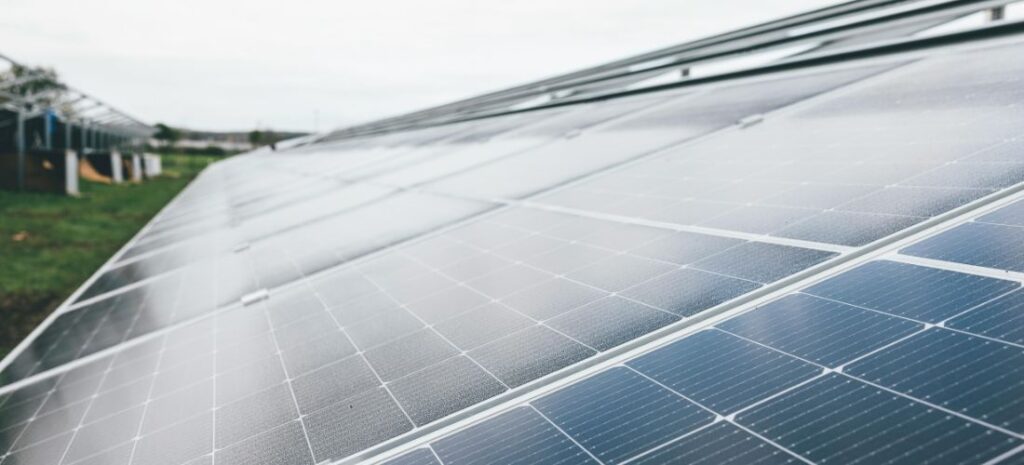
Bifacial solar panels are becoming a popular choice for homes, businesses, and large solar plants because they can generate electricity from both sides of the panel. Unlike traditional panels, these advanced panels capture sunlight from the front and also use reflected light from the ground at the back. This simple idea leads to better performance, higher efficiency, and better long-term value. In this guide, you’ll learn everything important about bifacial solar panels-how they work, their price in India, benefits, limitations, and how they compare with bifacial solar modules monocrystalline and polycrystalline types. The goal is simple: help you make a clear and confident decision. What Are Bifacial Solar Panels? Bifacial solar panels are solar modules designed to produce power from both the front and rear sides. The front side works like a normal solar panel, absorbing direct sunlight. The back side captures reflected and scattered light from the surface below, such as concrete, white roofs, sand, or light-colored flooring. This dual-side generation makes bifacial solar panels more efficient than traditional monofacial panels, which generate electricity only from one side. What Are Bifacial Solar Cells? Solar panels are made of small units called solar cells. In bifacial panels: Solar cells are active on both sides Light can pass through or reflect onto the rear side Electricity is generated from direct and reflected sunlight In simple words, bifacial solar cells are like two solar cells placed back-to-back, working together to produce more power. Bifacial Solar Panels vs Traditional Solar Panels To understand why bifacial panels are special, let’s compare them with standard solar panels. Key Differences at a Glance Aspect Polycrystalline Solar Panels Monocrystalline Solar Panels Bifacial Solar Panels Sunlight capture Front side only Front side only Front + rear side Cell type Polycrystalline silicon Monocrystalline silicon Monocrystalline (mostly) Efficiency range 16–17% 19–20% Up to 22% Power output Standard Higher than poly Highest Installation Simple Simple Needs reflective surface Cost Lower Medium Slightly higher Important note: Prices and efficiency values are indicative and may change depending on brand, location, and market conditions. How Do Bifacial Solar Panels Work? The working of bifacial solar panels is easy to understand. Front Side Power Generation Sunlight falls directly on the front surface Silicon cells absorb photons Electrons start moving, creating electric current This is the same process used in monofacial solar panels. Rear Side Power Generation Sunlight reflects from the ground or roof surface Reflected or diffused light reaches the back side Rear-side cells convert this light into extra electricity Because of this extra input, bifacial solar panels generate 4–10% more energy compared to traditional panels. The exact gain depends on surface reflectivity and installation height. Types of Bifacial Solar Panels Bifacial solar panels can be classified in two main ways: Based on construction Based on cell technology Let’s look at both in detail. Types Based on Construction 1. Glass-Glass Bifacial Solar Panels Solar cells are sandwiched between two glass layers Stronger and more durable Better protection against moisture and heat Slightly heavier but longer lifespan These are commonly used in commercial and utility-scale projects. 2. Glass-Backsheet Bifacial Solar Panels Front side has glass Back side uses a transparent polymer sheet Lighter in weight Slightly less durable than glass-glass panels These are suitable for rooftops where weight matters. 3. Hybrid Bifacial Panels Mix of glass and polymer materials Balanced cost, durability, and performance Used when project needs flexibility Types Based on Cell Technology PERC (Passivated Emitter and Rear Cell) Most common bifacial technology Improved rear-side passivation Efficiency up to 22–22.5% PERL (Passivated Emitter Rear Locally Diffused) Advanced rear contact design Higher efficiency than PERC Mostly used in research or premium systems PERT (Passivated Emitter Rear Totally Diffused) Fully diffused rear surface Stable performance Used in large solar plants HJT / HIT (Heterojunction Technology) Combines crystalline and thin-film silicon Very low temperature loss High efficiency even in hot climates Bifacial Solar Modules: Monocrystalline and Polycrystalline Most bifacial solar modules are made using monocrystalline cells because they allow light to pass more effectively to the rear side. Bifacial Monocrystalline Solar Modules High purity silicon Better rear-side transparency Higher efficiency More common in the market Bifacial Polycrystalline Solar Modules Less common Lower efficiency Limited availability Mostly replaced by monocrystalline bifacial modules In practical use, bifacial solar modules monocrystalline are the preferred choice today. Bifacial Solar Panels Price in India The price of bifacial solar panels depends on: Panel wattage Technology (PERC, HJT, etc.) Brand and warranty DCR or non-DCR modules Indicative Bifacial Solar Panel Price Table Panel Capacity Approx Price per Watt* Estimated Panel Cost* 2 kW ₹24 ₹48,000 3 kW ₹24 ₹72,000 5 kW ₹24 ₹1,20,000 10 kW ₹24 ₹2,40,000 Disclaimer: This is a basic standard price and not a fixed amount. The actual cost may vary depending on market conditions, brand, location, and time. Panel prices change frequently and do not include installation or inverter costs. Total System Cost vs Panel Cost Many people confuse panel price with system price. A complete solar system includes: Solar panels Inverter Mounting structure DC and AC wiring Earthing and safety devices Installation and service Bifacial panels increase system output, but system cost depends on overall design. Advantages of Bifacial Solar Panels Bifacial solar panels offer several real-world benefits. 1. Higher Energy Generation Because both sides work, energy output is higher than standard panels. 2. Better Performance in Low Light They perform well during cloudy weather and early mornings. 3. Improved Return on Investment (ROI) More energy generation means: Lower electricity bills Faster cost recovery Higher long-term savings 4. Long Lifespan Glass-glass bifacial panels often last longer due to better protection. 5. Ideal for Open Areas Perfect for rooftops, ground-mounted systems, and solar farms. Limitations of Bifacial Solar Panels While bifacial solar panels are powerful, they are not perfect. 1. Higher Initial Cost They cost slightly more than monofacial panels. 2. Installation Needs Planning For best results: Roof or ground should be reflective Panel height should allow rear-side light 3. Not Ideal for All Rooftops Dark-colored or shaded rooftops
Floating Solar Power Plant in India: Benefits, Working & Future

Floating solar is changing how we think about solar power by using water surfaces instead of land to produce electricity. A floating solar power plant places solar panels on lakes, reservoirs, and other water bodies, helping generate clean energy while saving land and reducing water loss. What Is a Floating Solar Power Plant? A floating solar power plant is a solar energy system installed on water instead of land. The solar panels are mounted on specially designed floating structures that stay stable on reservoirs, ponds, dams, and lakes. These floating solar panels work just like normal solar panels by converting sunlight into electricity, but they offer extra benefits because they sit on water. Floating solar power plants are especially useful in countries like India, where land is expensive and water bodies are widely available. Why Floating Solar Is Gaining Attention Solar energy demand is growing fast, but finding large pieces of land is becoming difficult. Floating solar offers a practical solution by using unused water surfaces. Many reservoirs already exist for irrigation, drinking water, or hydropower. Installing solar panels on water makes better use of these spaces without disturbing land resources. Some key reasons floating solar is becoming popular: Limited availability of open land Rising energy demand Need to reduce carbon emissions Better efficiency due to water cooling Reduced water evaporation How Floating Solar Panels Work Floating solar panels follow the same basic working principle as land-based solar systems, with a few added components designed for water environments. Sunlight Absorption Floating solar panels absorb sunlight using photovoltaic cells. Since water reflects sunlight, panels often receive slightly more solar radiation compared to land-based systems. Electricity Generation The sunlight absorbed by the panels is converted into direct current (DC) electricity. The cooler temperature over water helps panels operate more efficiently. Power Conversion Inverters convert DC electricity into alternating current (AC), which is suitable for homes, industries, and the power grid. Power Transmission The electricity is transferred through underwater or floating cables to the grid or nearby facilities. Main Components of a Floating Solar Power Plant Floating solar systems are carefully designed to handle water conditions like waves, changing water levels, and weather. Floating Structures These are buoyant platforms made from high-density polyethylene (HDPE) or similar materials. They support solar panels and keep them afloat. Mooring and Anchoring System Mooring systems hold the floating solar panel structure in place. Anchors and ropes prevent movement caused by wind or water flow. Solar Panels Standard photovoltaic panels are used, often with corrosion-resistant frames to handle moisture. Electrical Equipment Includes inverters, transformers, cables, and safety devices designed for water-based installation. Monitoring System Sensors track performance, detect faults, and help with maintenance planning. Also Read : 5 mw solar power plant Floating Solar Power Plant in India India has emerged as a global leader in floating solar power plants. With thousands of reservoirs and dams, the country has huge potential for solar panels on water. The Indian government supports floating solar projects as part of its renewable energy goals. These projects help India move closer to its target of 500 GW renewable energy capacity by 2030. Floating solar power plants in India are often installed on: Irrigation reservoirs Hydropower dams Industrial water bodies Drinking water reservoirs Major Floating Solar Projects in India India already has several large floating solar power plants that show how effective this technology can be. Omkareshwar Floating Solar Power Plant Located in Madhya Pradesh, this project has a capacity of 126 MW. It is one of the largest floating solar installations in the world and helps reduce both carbon emissions and water evaporation. Kayamkulam Floating Solar Project This floating solar power plant in Kerala has a capacity of over 100 MW. Built on a backwater area, it performs well even during monsoon conditions. These projects prove that floating solar panels can work reliably in different climates across India. Benefits of Floating Solar Technology Saves Land Resources Floating solar power plants use water surfaces instead of land. This helps protect agricultural land and urban spaces for other important uses. Higher Energy Efficiency Solar panels on water stay cooler due to natural evaporation. Cooler panels generate electricity more efficiently compared to panels installed on hot land. Reduces Water Evaporation Floating solar panels cover the water surface, reducing direct sunlight exposure. This lowers evaporation and helps conserve water, which is especially important in dry regions. Lower Algae Growth By blocking sunlight from reaching the water, floating solar panels can reduce algae growth, improving water quality. Supports Clean Energy Goals Floating solar helps reduce dependence on fossil fuels and lowers greenhouse gas emissions. Floating Solar vs Land-Based Solar: A Simple Comparison Feature Floating Solar Land-Based Solar Land requirement Very low High Efficiency Slightly higher Standard Water conservation Reduces evaporation No impact Installation cost Higher initially Lower initially Environmental impact Low Can affect land use Cost of Floating Solar Power Plant in India The cost of a floating solar power plant in India is usually higher than land-based solar systems. This is because of floating structures, anchoring systems, and water-resistant equipment. However, the long-term benefits often balance the initial cost: Better efficiency Land savings Water conservation Long system life As technology improves and more projects are developed, costs are gradually coming down. Challenges of Floating Solar Projects Floating solar technology has many advantages, but it also comes with challenges. Higher Initial Investment Floating solar panels require special materials and installation techniques, increasing upfront costs. Complex Installation Working on water requires skilled labor and careful planning. Maintenance Issues Moisture and humidity can affect electrical components if not properly protected. Environmental Concerns Each project must be carefully planned to avoid disturbing aquatic life. Despite these challenges, most issues can be managed with good design and proper maintenance. Environmental Impact and Safety Floating solar power plants are designed to be environmentally friendly. Before installation, detailed environmental studies are conducted to ensure minimal impact on water quality and aquatic ecosystems. Safety measures include: Electrical insulation Corrosion-resistant materials Secure anchoring systems Regular
Solar Panel Wiring Basics: How to Wire Solar Panels Safely
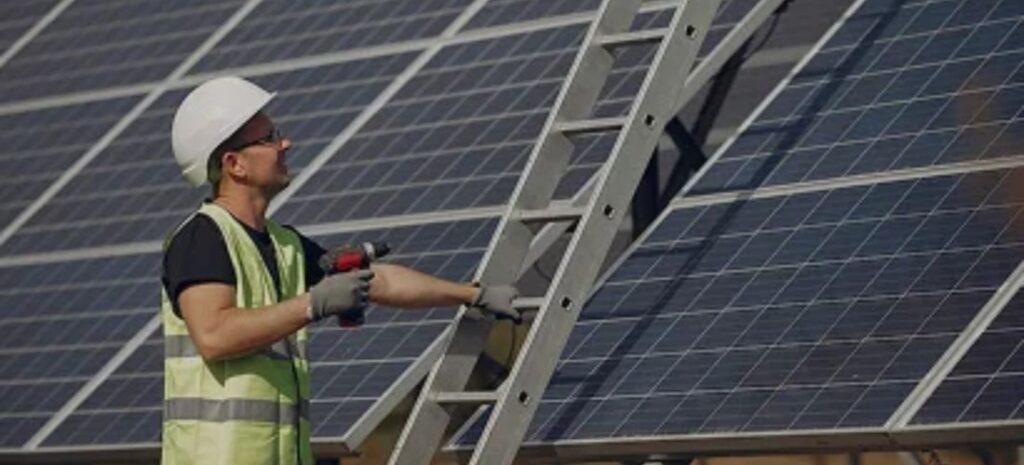
Solar panel wiring is the foundation of any solar power system. If the wiring is done correctly, your solar panel setup works safely, produces the expected power, and lasts for years. If it’s done wrong, even the best solar panel can underperform or damage other components. That’s why understanding the basics matters, whether you’re a homeowner, beginner installer, or just learning solar energy. This guide explains solar panel wiring in a simple, step-by-step way. No complex math. No confusing jargon. Just clear, practical knowledge you can trust. What Is Solar Panel Wiring? Solar panel wiring is the process of connecting solar panels to each other and then linking them to an inverter, charge controller, batteries (if used), and the main power system. The goal of wiring is simple: Allow electricity to flow smoothly Match the voltage and current with the inverter Keep the system safe and efficient Every solar panel produces DC (direct current) electricity. Wiring decides how much voltage and current reach the inverter, which converts DC into usable AC power. Why Proper Solar Panel Wiring Is So Important Many solar systems lose power not because of bad panels, but because of poor wiring design. Correct solar panel wiring helps: Prevent inverter damage Avoid power loss due to voltage mismatch Improve system efficiency Reduce fire and safety risks Make future maintenance easier A small wiring mistake can reduce output every single day. Over years, that loss adds up. Basic Electrical Terms You Must Know Before learning how to wire solar panels, it’s important to understand three basic terms. Voltage (V) Voltage is the pressure that pushes electricity through wires. Higher voltage means electricity moves more easily over long distances. In solar panels: Voltage increases when panels are connected in series Cold weather can increase voltage Current (Amps) Current is the amount of electricity flowing. More current means thicker wires are needed. In solar panels: Current increases when panels are connected in parallel Shade usually affects current more than voltage Power (Watts) Power is the total energy produced. It is calculated using this formula: Power = Voltage × Current Every solar panel is rated in watts, like 400W or 550W. How Solar Panels Are Wired Together Connecting solar panels together is often called stringing. A group of panels wired together is called a string. Each string sends power to the inverter. There are three main wiring methods: Series wiring Parallel wiring Series-parallel wiring Each method affects voltage and current differently. Series Wiring: How It Works In series wiring: Positive (+) of one solar panel connects to negative (–) of the next Voltage adds up Current stays the same Example If one solar panel has: Voltage = 40V Current = 10A Three panels in series will give: Voltage = 120V Current = 10A When Series Wiring Is Used Long wire distances Systems with string inverters When inverter needs higher voltage Limitations of Series Wiring Shade on one panel can reduce output of the whole string Voltage must stay within inverter limits Most residential solar systems use series wiring as the base. Parallel Wiring: How It Works In parallel wiring: All positive terminals connect together All negative terminals connect together Voltage stays the same Current adds up Example If one panel has: Voltage = 40V Current = 10A Three panels in parallel will give: Voltage = 40V Current = 30A When Parallel Wiring Is Used Areas with partial shading Systems that require low voltage Battery-based solar systems Limitations of Parallel Wiring Higher current needs thicker cables More material cost More complex connections Series vs Parallel: Simple Comparison Table Feature Series Wiring Parallel Wiring Voltage Increases Stays same Current Same Increases Wire Thickness Thinner Thicker Shade Impact High Low Cost Lower Higher Common Use Grid-tied systems Off-grid systems Series-Parallel Wiring: Best of Both Many systems use a mix of series and parallel wiring. In this setup: Panels are first connected in series to raise voltage Series strings are then connected in parallel to increase current This method: Balances voltage and current Improves flexibility Is common in medium and large solar systems Most professional installations use series-parallel wiring. Main Components Used in Solar Panel Wiring Solar panel wiring is not just about panels. Other components matter too. Solar Cables (PV Wire) Designed for outdoor use UV-resistant and heat-resistant Common sizes: 10 AWG and 12 AWG MC4 Connectors Standard connectors used with solar panels Lock tightly to avoid loose connections Weatherproof and safe Junction Boxes Combine multiple wires safely Protect connections from dust and water DC Isolators and Circuit Breakers Protect the system from overcurrent Required by safety codes Understanding the Role of the Inverter The inverter is the heart of the solar system. Solar panel wiring must match inverter specifications. Key inverter limits include: Maximum input voltage Minimum start voltage Maximum input current Number of MPPTs If wiring exceeds these limits, the inverter may shut down or get damaged. What Are MPPTs and Why They Matter MPPT stands for Maximum Power Point Tracker. An MPPT: Finds the best voltage and current combination Adjusts automatically with sunlight changes Improves power output If an inverter has multiple MPPTs: Panels facing different directions can be wired separately Shaded panels won’t affect others as much Good solar panel wiring always respects MPPT design. Solar Panel Specifications You Must Check Every solar panel comes with a datasheet. Important values include: Open Circuit Voltage (Voc) Maximum voltage when panel is not connected Used to calculate cold weather voltage rise Short Circuit Current (Isc) Maximum current under short conditions Used for wire and fuse sizing These values are tested under Standard Test Conditions, not real weather. Temperature Effects on Solar Panel Wiring Temperature changes affect voltage. Cold weather increases voltage Hot weather reduces voltage That’s why wiring design must include a safety margin. Ignoring temperature can push voltage beyond inverter limits in winter. Professional installers always adjust for temperature. Basic Safety Rules for Solar Panel Wiring Solar electricity can be dangerous if handled carelessly. Always follow these rules: Turn off
What Is a Microgrid? How Solar Microgrids Work
What is a microgrid? A microgrid is a small, local power system that can generate, store, and manage electricity for a specific area. Unlike the main power grid, a microgrid can work on its own or stay connected to the larger grid, making energy supply more reliable and flexible. In simple words, a microgrid brings power closer to where it is used. This makes electricity safer, cleaner, and easier to control-especially when the main grid fails. Understanding Microgrids in Simple Terms A traditional power grid sends electricity from big power plants over long distances. If something breaks in between, large areas can lose power. A microgrid works differently. It creates electricity locally and supplies it directly to nearby homes, buildings, or facilities. Because of this local setup, problems in the main grid do not always affect the microgrid. A microgrid can power: A hospital A college campus A factory A housing society A remote village A military base Many modern microgrids use renewable energy, which is why solar microgrid systems are becoming very popular. Official Definition of a Microgrid According to the U.S. Department of Energy (DOE), a microgrid is: “A group of interconnected loads and distributed energy resources within clearly defined electrical boundaries that acts as a single controllable entity with respect to the grid.” This definition highlights three key ideas: Local energy resources Clear boundaries Ability to operate independently How a Microgrid Works Understanding how a microgrid works is easy when broken into steps. Step 1: Power Generation Electricity is produced locally using one or more sources, such as: Solar panels Wind turbines Diesel generators Natural gas systems In a solar powered microgrid, solar panels are the main source of energy. Step 2: Energy Storage Excess electricity is stored in batteries. This stored power is used: At night During cloudy weather When demand is high During grid outages Step 3: Power Distribution Electricity flows through local cables and transformers to reach homes or buildings inside the microgrid. Step 4: Smart Control System A digital control system manages: When to use solar power When to charge or discharge batteries When to connect or disconnect from the main grid Step 5: Grid Connection or Island Mode A microgrid can: Stay connected to the main grid Switch to island mode and operate independently during outages Key Components of a Microgrid Every microgrid is built using a few essential parts. Each part plays an important role in keeping power stable and reliable. 1. Power Sources These generate electricity. Common options include: Solar panels (most common) Wind turbines Diesel or gas generators Combined heat and power (CHP) systems Solar is preferred because it is clean, silent, and cost-effective over time. 2. Energy Storage Systems Energy storage helps balance supply and demand. Lithium-ion batteries Flow batteries Flywheels (less common) Without storage, a solar microgrid would not work well at night or during bad weather. 3. Distribution Network This includes: Power lines Switchgear Transformers It safely delivers electricity to connected loads. 4. Microgrid Controller This is the “brain” of the system. Monitors power generation and usage Maintains voltage and frequency Automatically switches modes during outages 5. Point of Common Coupling (PCC) The PCC is the point where the microgrid connects to the main utility grid. It allows safe isolation during grid failures. Microgrid vs Traditional Power Grid Feature Microgrid Traditional Grid Power generation Local Centralized Distance of power travel Short Long Works during grid failure Yes No Renewable energy support High Limited Control Local & smart Central utility Reliability Very high Medium What Is a Solar Microgrid? A solar microgrid uses solar panels as its main energy source, along with batteries and a control system. It is one of the most practical and widely used microgrid types today. Why solar works well in microgrids: Sunlight is free and abundant Solar panels are easy to install Maintenance costs are low Works well with battery storage A solar powered microgrid is especially useful in areas with: Frequent power cuts No grid access High diesel costs Sustainability goals Types of Microgrids Microgrids can be classified based on location and use. 1. Grid-Connected Microgrids Connected to the main grid Can export or import electricity Switch to island mode when needed 2. Off-Grid Microgrids Completely independent Common in remote or rural areas Often solar-based 3. Community Microgrids Serve multiple homes or buildings Shared energy resources Lower cost per user 4. Commercial and Industrial Microgrids Used by factories, IT parks, airports Focus on reliability and cost savings Why Microgrids Are Important Today Energy needs are changing fast. Microgrids solve many modern power problems. 1. Better Power Reliability Power cuts affect businesses, hospitals, and daily life. A microgrid keeps electricity running even when the main grid fails. 2. Support for Renewable Energy Microgrids make it easier to use solar and wind power without harming grid stability. 3. Lower Energy Loss Electricity travels short distances, reducing transmission losses. 4. Cost Savings Over Time Although setup costs are high, long-term savings come from: Lower fuel use Reduced outages Better energy management 5. Energy Independence Users control their own power supply instead of depending fully on utilities. Microgrids and Sustainability Microgrids play a big role in clean energy goals. They help by: Reducing fossil fuel usage Lowering carbon emissions Encouraging local renewable energy production A solar microgrid can cut thousands of tons of carbon emissions over its lifetime. By generating electricity close to where it is used, microgrids also reduce waste and improve efficiency. Smart Microgrids Explained A smart microgrid uses digital technology to manage power better. Features of a smart microgrid: Real-time monitoring Automated decision-making Smart meters IoT sensors Data-driven energy optimization These systems quickly respond to: Changes in demand Weather conditions Equipment issues Smart microgrids are more efficient, safer, and easier to scale. Common Challenges of Microgrids Microgrids offer many benefits, but they also have challenges. High Initial Cost Solar panels Batteries Control systems These require large upfront investment. Technical Complexity Managing multiple energy sources needs advanced software and skilled professionals. Regulatory
Solar Panel Size for Homes: Dimensions, Chart & Planning
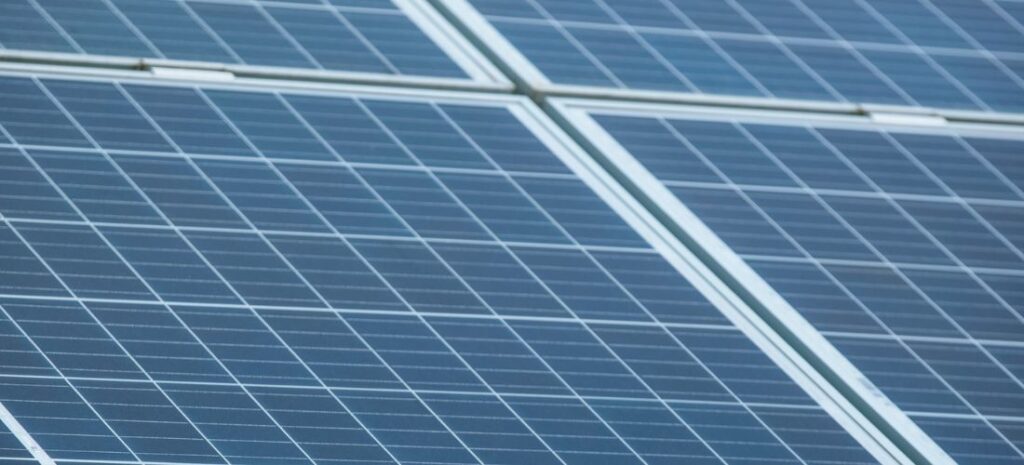
Choosing the right solar panel size is one of the most important steps in planning a solar system for your home. The size you choose affects how much electricity you generate, how much roof space you need, how easy the installation is, and how much value you get over the next 25 years. A clear understanding of solar panel dimensions and output removes confusion and helps you make a smart, long-term decision. This guide breaks everything down in simple terms. You will learn why solar panel size matters, what standard sizes are available, how to read a solar panel size chart, and how to select the right option for your roof and power needs-without technical jargon or guesswork. Why Solar Panel Size Matters More Than You Think Solar panel size is not just about physical dimensions. It directly affects performance, layout, cost, and future flexibility. Here’s why solar panel size matters for homeowners: Energy generation: Larger panels usually produce more power because they contain more solar cells Roof utilization: The wrong size can waste roof space or limit system capacity Installation ease: Heavier or oversized panels may be harder to handle on small roofs System efficiency: Fewer large panels can reduce wiring and mounting complexity Future expansion: Choosing the right size today makes upgrades easier later In simple terms, solar panel size connects your roof, your electricity bill, and your long-term savings. Ignoring it can lead to underperformance or unnecessary costs. Understanding Solar Panel Dimensions When people talk about solar panel size, they usually mean two things: Physical size – the length, width, and thickness of the panel Power size – how much electricity the panel produces, measured in watts (W) These two are related but not identical. Newer technology allows more power from nearly the same panel dimensions. What Is a Standard Solar Panel Size? Most homes use panels that follow global manufacturing standards. These sizes fit common rooftops and work well with standard mounting systems. Common Residential Solar Panel Dimensions Height: 1.6 to 1.7 meters Width: around 1 meter Area: about 1.6–1.8 square meters Weight: 18–20 kg Power output: 300 W to 400 W These panels usually contain 60 full cells or 120 half-cut cells. Larger Commercial Solar Panel Dimensions Height: around 2 to 2.1 meters Width: 1 to 1.1 meters Area: about 2–2.3 square meters Weight: 22–25 kg Power output: 450 W to 600+ W These panels typically use 72 full cells or 144 half-cut cells. Despite higher wattage, the increase in physical size is modest. This is why modern panels deliver more power without drastically changing rooftop layouts. Solar Panel Size Chart Below is a clear solar panel size chart to help you compare dimensions and output at a glance. Panel Type Typical Wattage Solar Panel Dimensions (approx.) Common Use 60-cell Mono 300–350 W 1.65 m × 1.0 m Residential rooftops 120 half-cell Mono 350–400 W 1.7 m × 1.05 m Residential rooftops 72-cell Mono 450–550 W 2.0 m × 1.0 m Commercial rooftops 144 half-cell Mono 550–600+ W 2.1–2.4 m × 1.1 m Large roofs / ground mounts This solar panel size chart shows how higher wattage often means slightly larger dimensions—but also fewer panels overall. Solar Panel Size vs Power Output A common misunderstanding is that doubling panel size doubles power. In reality, efficiency improvements play a big role. Key points to remember: Older panels needed more area for the same wattage New technologies like Mono PERC and TOPCon increase output without major size changes Two panels of the same size can have different watt ratings This is why checking both solar panel dimensions and wattage is essential when comparing options. How Much Do Solar Panels Weigh? Weight is an important but often overlooked part of solar panel size. Typical weights: Residential panels: 18–20 kg Large panels: 22–25 kg According to MNRE rooftop guidelines, most Indian roofs can safely handle solar installations when total load stays within 30 kg per square meter, including mounting structures. This means standard home rooftops rarely need structural changes for solar. Residential vs Commercial Solar Panels: Size Comparison Homes and factories have different needs, which is why panel sizes vary. Feature Residential Panels Commercial Panels Physical size Smaller and compact Larger footprint Typical wattage 300–400 W 450–600 W Roof type Sloped or small flat roofs Large flat roofs Handling Easier to lift and place Heavier but fewer units Layout flexibility High Medium For homes, flexibility and fit matter more than raw power. For commercial spaces, fewer high-wattage panels reduce overall system complexity. What Is the Standard Solar Panel Size in India? India largely follows global standards, with slight adjustments for climate and installation practices. Residential Systems in India Panel size: ~1 m × 1.6–1.7 m Output: 250–400 Wp Roof space needed: 8–10 m² per kW Commercial Systems in India Panel size: ~1 m × 2 m Output: 400–600 Wp Roof space needed: 6–8 m² per kW All panels must meet BIS and MNRE quality standards, ensuring safety, durability, and long-term performance. How to Size a Solar Panel System When people ask about solar panel size, they usually want to know how many panels they need. This depends on total system size, not just one panel. Step 1: Check Your Electricity Usage Look at your monthly electricity bill. Note your average consumption in units (kWh). Example: Monthly usage:300 kWh Step 2: Estimate Required Solar Capacity In most parts of India, 1 kW of solar produces about 120 units per month. 300 ÷ 120 ≈ 2.5 kW system Step 3: Choose Panel Wattage Your panel size choice affects the number of panels: 335 W panels → about 8 panels 500 W panels → about 5 panels Both deliver similar system capacity but use space differently. Step 4: Check Roof Fit Multiply panel area by number of panels to ensure they fit comfortably with walking space for maintenance. Finding the Best Solar Panel Size for Your Roof Every roof is different. The best solar panel size depends on layout, orientation, and
Renewable Energy Trends in 2026: Types, Growth & Future
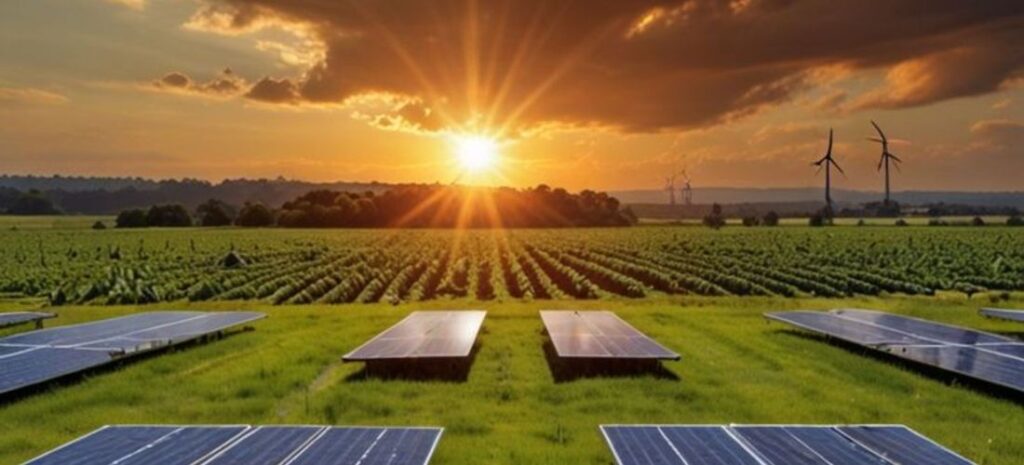
Renewable energy is becoming the backbone of the global power system in 2026. Countries are moving faster toward clean power to meet rising energy needs, reduce pollution, and protect the climate. From solar rooftops to large wind farms and energy storage, renewable energy trends are shaping how electricity is produced and used across the world. India is playing a major role in this shift. With strong policies, falling costs, and new technologies, renewable energy is no longer just an alternative—it is becoming the first choice. To understand where things are heading, it is important to look at the types of renewable energy, how renewable energy is different from sustainable energy, and what major trends will define 2026 and the years ahead. What Is Renewable Energy? Renewable energy comes from natural sources that do not run out. These sources are naturally replenished and can be used again and again without causing long-term damage to the environment. Unlike coal, oil, or gas, renewable energy sources produce very low carbon emissions. This makes them essential for fighting climate change and reducing air pollution. Key features of renewable energy Comes from natural and unlimited sources Produces low or zero greenhouse gas emissions Reduces dependence on fossil fuels Supports long-term energy security Renewable energy is now used to generate electricity, heat homes, power vehicles, and support industries. Types of Renewable Energy Understanding the types of renewable energy helps explain why clean power is growing so fast. Each type has its own role and benefits. Solar Energy Solar energy uses sunlight to produce electricity or heat. Solar panels convert sunlight into power using photovoltaic cells. Common uses of solar energy include: Rooftop solar panels for homes and offices Large solar power plants Solar water heaters Solar-powered street lights Solar energy is one of the fastest-growing renewable energy sources because sunlight is widely available and costs are falling every year. Wind Energy Wind energy uses moving air to generate electricity. Wind turbines convert wind power into electrical energy. Wind energy is mainly used in: Onshore wind farms Offshore wind projects near coastlines Wind power works best in open areas with strong and steady winds. It is clean, reliable, and scalable. Hydropower Hydropower uses flowing or falling water to produce electricity. It is one of the oldest forms of renewable energy. Types of hydropower include: Large dams Small hydro projects Run-of-the-river systems Hydropower provides stable power and supports grid balance, especially during peak demand. Biomass and Bioenergy Biomass energy comes from organic materials such as crop waste, wood, animal waste, and municipal waste. Bioenergy is used for: Electricity generation Biogas for cooking Industrial heat This type of renewable energy also supports waste management and rural income. Geothermal Energy Geothermal energy uses heat from inside the Earth. It is mainly used in regions with high underground heat activity. Geothermal power is: Reliable and available 24/7 Low in emissions Ideal for base-load power Ocean Energy Ocean energy includes tidal and wave power. These technologies are still developing but show strong potential for coastal regions. Renewable Energy vs Sustainable Energy Many people use these terms in the same way, but they are not exactly the same. Renewable Energy Focuses on energy sources that do not run out Examples: solar, wind, hydro Concerned mainly with energy generation Sustainable Energy Broader concept Includes renewable energy Also considers environmental, social, and economic impact Sustainable energy looks at the full life cycle, including resource use, land impact, and long-term benefits for people and the planet. Simple comparison table Aspect Renewable Energy Sustainable Energy Meaning Energy from natural, unlimited sources Energy that meets present needs without harming the future Scope Narrow Broad Includes renewables Yes Yes Focus Clean power generation Environment, society, and economy In short, all renewable energy is clean, but not all renewable energy is fully sustainable if it harms ecosystems or communities. Why Renewable Energy Matters More in 2026 By 2026, global energy demand is rising faster than ever. Urban growth, electric vehicles, data centers, and digital services are increasing electricity use. Renewable energy offers a clear solution because it is: Cleaner More affordable than before Locally available Supported by governments and investors Many countries now see renewable energy as a strategic asset, not just an environmental choice. Global Renewable Energy Trends in 2026 The global renewable energy market in 2026 is driven by innovation, policy support, and cost reduction. Several important trends are shaping the future. Higher Efficiency in Solar and Wind Power Solar panels and wind turbines are becoming more efficient every year. New materials and better designs allow more power generation from the same space. Key improvements include: High-efficiency solar cells Larger wind turbine blades Better performance in low-light or low-wind conditions These advancements make renewable energy competitive with fossil fuels even without subsidies. Growth of Decentralized Energy Systems Energy generation is no longer limited to large power plants. Decentralized systems allow power to be generated closer to where it is used. Examples include: Rooftop solar systems Community solar projects Local microgrids These systems reduce power losses, improve reliability, and support rural electrification. Smart Grids and Digital Energy Digital technology is changing how electricity flows through the grid. Smart grids use software and sensors to manage power in real time. Benefits of smart grids include: Better demand forecasting Faster fault detection Lower energy losses Improved integration of renewable energy Artificial intelligence and data analytics play a major role in this transformation. Energy Storage as a Core Trend Energy storage is essential for handling the variable nature of solar and wind power. In 2026, battery technology is advancing rapidly. Major storage trends include: Large-scale battery energy storage systems Falling battery costs Longer battery life Improved safety Energy storage helps ensure power supply even when the sun is not shining or the wind is not blowing. Renewable Energy Trends in India 2026 India is one of the fastest-growing renewable energy markets in the world. With high energy demand and strong climate goals, renewable energy is central to India’s future. India’s Renewable