
Mastering Solar System Size: The Ultimate Guide to Powering Your Home
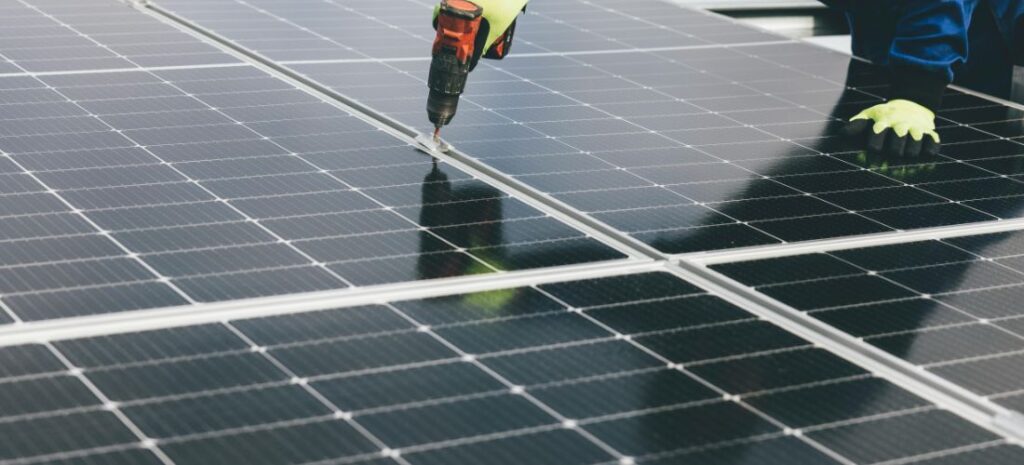
Choosing the right Solar System Size is one of the most important decisions when planning a solar setup for your home. A properly sized system helps reduce electricity bills, improves energy efficiency, and ensures you get the best return on your investment. Whether you are building a new home or upgrading your current energy setup, understanding the correct system size can save you money and prevent future problems. Many homeowners make the mistake of installing either a very small system that cannot handle their energy needs or an oversized system that increases installation costs unnecessarily. This guide will help you understand how solar sizing works in a simple and practical way. What Does Solar System Size Mean? The term Solar System Size refers to the total power capacity of a solar setup. It is usually measured in kilowatts (kW). This number tells you how much electricity your solar panels can produce under ideal sunlight conditions. For example: Solar System Size Suitable For Average Daily Power Generation 1 kW Small room or office 4–5 units/day 2 kW Small apartment 8–10 units/day 3 kW Small family home 12–15 units/day 5 kW Medium-sized home 20–25 units/day 10 kW Large homes or villas 40–50 units/day The actual output depends on sunlight, weather, panel quality, and installation angle. Why Choosing the Right System Size Matters Selecting the correct system size affects almost everything about your solar investment. Benefits of Proper Solar Sizing Lower electricity bills Better energy efficiency Faster return on investment Less dependency on the power grid Longer system life Better battery backup performance If your system is too small, you may still receive high electricity bills. If it is too large, you may spend more money than necessary. Understanding Your Household Energy Consumption Before choosing a solar setup, you must first know how much electricity your home uses. Check Your Electricity Bills Look at your electricity bills from the past 12 months. Find your monthly consumption in kWh or units. For example: Appliance Approximate Usage Per Day Monthly Consumption Fans 8 hours 60 units Air Conditioner 6 hours 180 units Refrigerator 24 hours 45 units Washing Machine 1 hour 15 units TV & Electronics 5 hours 30 units Lights 6 hours 25 units Total monthly usage: Around 355 units. This calculation gives you a clear idea of the required Solar System Size. Common Solar System Sizes for Homes Different homes require different capacities depending on usage patterns. 1 kW Solar System A 1 kW setup is suitable for: Single room usage Small offices Basic lighting and fan needs It can run: 3–4 fans LED lights One television Small appliances 2 kW Solar System Good for small families with moderate electricity use. Suitable for: 1 refrigerator Multiple fans LED lights TV and laptop usage 3 kW Solar System One of the most popular residential sizes. Ideal for: Small to medium homes Monthly usage around 300–400 units Can support: Refrigerator Washing machine Water pump Multiple fans and lights 5 kW Solar System Perfect for medium-sized families. Supports: Air conditioners Kitchen appliances Geysers Heavy appliance usage This is often considered the ideal system size for modern Indian homes. 10 kW Solar System Designed for: Large villas Commercial spaces High electricity consumption It can easily handle multiple ACs and heavy electrical loads. How to Calculate the Right Solar System Size Calculating the ideal system size is easier than most people think. Basic Formula You can use this simple formula: Required Solar System Size (kW) = Daily Electricity Consumption ÷ Peak Sunlight Hours Practical Calculation Example Suppose your home consumes: 900 units per month Daily usage = 30 units Average sunlight = 5 hours/day Calculation: 30 ÷ 5 = 6 kW So, you may need a 6 kW solar setup. However, experts usually add a safety margin for efficiency losses. Recommended size: 6.5–7 kW system. Factors That Affect Solar System Output Several factors influence how efficiently your solar setup performs. 1. Sunlight Availability Homes in areas with strong sunlight generate more electricity. Cities like: Jaipur Ahmedabad Hyderabad Nagpur usually receive excellent solar radiation throughout the year. Cloudy or rainy regions may require a larger Solar System Size. 2. Roof Space Availability Your rooftop area directly affects installation capacity. Approximate rooftop requirement: System Size Roof Area Needed 1 kW 80–100 sq ft 3 kW 250–300 sq ft 5 kW 400–500 sq ft 10 kW 800–1000 sq ft If roof space is limited, higher-efficiency panels may help. 3. Panel Efficiency Not all solar panels produce the same output. High-Efficiency Panels Advantages: More power in less space Better performance Ideal for smaller rooftops Standard Panels Advantages: Lower upfront cost Suitable for large rooftops Premium panels may reduce the required system size because they produce more electricity. 4. Weather Conditions Weather plays a major role in solar output. Good Weather Conditions Clear skies Longer sunny days Low pollution Poor Weather Conditions Heavy rainfall Fog Dust accumulation High pollution levels Dusty solar panels can reduce efficiency by 15–25%. 5. Panel Direction and Tilt Proper installation angle improves energy generation. In India: South-facing panels usually perform best Tilt angle should match local latitude Incorrect angles reduce system efficiency. On-Grid vs Off-Grid Solar System Size Your setup type also affects sizing decisions. Type Description Best For On-Grid Connected to electricity board Urban homes Off-Grid Works with batteries Remote areas Hybrid Combination of both Backup + savings On-Grid Systems Lower cost No battery required Best for reducing electricity bills Off-Grid Systems Requires batteries Higher investment Useful in power-cut areas Hybrid Systems Flexible solution Battery backup included More energy independence How Batteries Affect System Size Battery storage changes solar planning completely. If you want backup during power cuts: You may need larger panels Additional battery capacity becomes necessary For example: Backup Requirement Suggested Battery Setup 2–4 hours Small battery bank 6–8 hours Medium battery bank Full-day backup Large battery system Battery efficiency also affects the required Solar System Size. Real-World Tip Before Installing Solar Many homeowners only calculate their current electricity needs. That can become a
How Many Solar Panels Do You Need To Power A House in 2026?
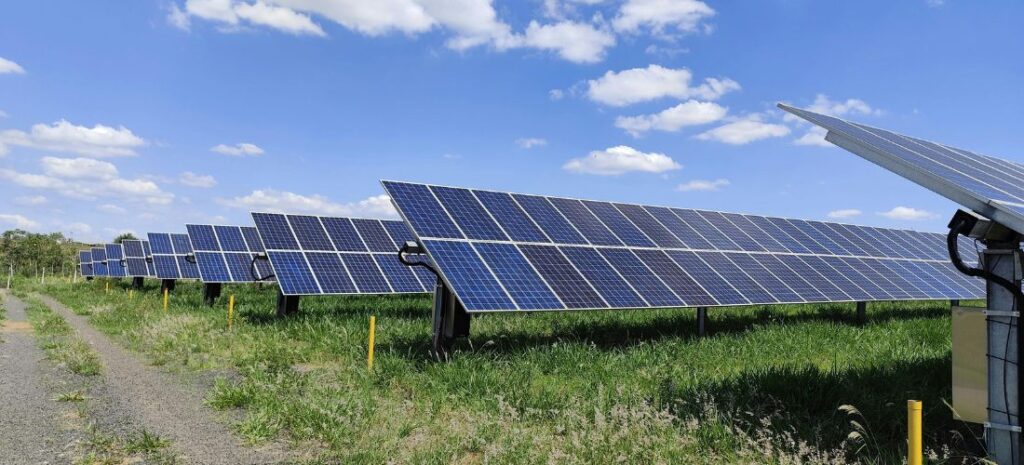
Electricity bills in India are increasing every year, and many homeowners are now searching for smarter ways to reduce monthly expenses. One of the most common questions people ask before switching to solar is: how many solar panels do you need to power a house? The answer depends on your electricity usage, roof size, panel efficiency, and sunlight availability in your area. At Klk Ventures, we help homeowners understand the right solar setup based on their actual power needs. A properly planned solar system can reduce electricity bills, increase property value, and provide long-term savings for more than 20 years. Solar Power for Homes in India: Why More Families Are Switching in 2026 Solar energy is no longer considered a luxury in India. In 2026, it has become a practical investment for middle-class and upper-middle-class households looking to control rising electricity costs. Modern solar systems are more efficient than ever before. With improved panel technology and government subsidies, homeowners can now recover their investment faster while enjoying lower monthly bills. Some major reasons why people are installing solar panels for home use include: High electricity tariff rates Frequent power cuts in some areas Long-term savings Reduced dependence on the grid Eco-friendly energy generation Government subsidy benefits A residential solar system works by converting sunlight into electricity through photovoltaic (PV) panels installed on rooftops. During the daytime, the generated electricity powers household appliances, and excess power can be exported to the grid through net metering. How Many Solar Panels Do You Need To Power A House? The number of solar panels required depends mainly on your monthly electricity consumption. A small home with limited appliances may only need a 2kW system, while a large villa with multiple ACs may require a 10kW setup or more. Basic Formula to Calculate Solar Panel Requirement You can estimate the number of panels using this formula: Total System Size Required (kW) ÷ Wattage of One Solar Panel = Number of Panels For example: Required system size = 5kW Panel capacity = 500W Calculation: 5000W ÷ 500W = 10 panels So, a 5kW system typically needs around 10 solar panels of 500W each. Step-by-Step Guide to Calculate Solar Panels for Your Home Step 1: Check Your Monthly Electricity Bill Look at your electricity bill and find your average monthly unit consumption (kWh). Most Indian homes consume: Home Type Monthly Units 1 BHK Apartment 150–250 units 2 BHK Home 250–450 units 3 BHK Home 450–700 units Large Villa 700+ units If your electricity usage changes during summer and winter, calculate the yearly average. Step 2: Convert Monthly Usage Into Daily Consumption Divide your monthly units by 30. Example: 450 units ÷ 30 = 15 units per day Your house consumes approximately 15 kWh daily. Step 3: Estimate Required Solar System Size In India, a 1kW solar system generally produces around 4 to 5 units per day depending on sunlight conditions. If your home uses 15 units daily: 15 ÷ 5 = 3kW system You may need a 3kW solar system. Step 4: Calculate Number of Solar Panels Now divide the total system size by panel wattage. Example using 540W panels: 3000W ÷ 540W = 5.5 panels Rounded up, you would need approximately 6 solar panels. Solar Panel Requirement Based on House Size Here’s a simple estimate for Indian households in 2026. House Size Average Daily Usage Recommended System Approximate Panels Needed Small Apartment 5–7 units 1kW–2kW 2–4 panels Medium Family Home 10–15 units 3kW–5kW 6–10 panels Large House 20–30 units 6kW–8kW 12–16 panels Luxury Villa 35+ units 10kW+ 18–24 panels The final number can vary depending on panel efficiency and local weather conditions. Understanding Solar Panel Capacity in 2026 Solar technology has improved significantly over the past few years. Earlier, homes needed many small panels to generate enough electricity. Today, fewer high-efficiency panels can produce more power. Most residential solar panels in 2026 range between: 400W 450W 500W 540W 550W Higher-wattage panels are ideal for homes with limited roof space because they generate more electricity using fewer panels. How Many Solar Panels Are Required for 1kW? A 1kW solar system generally requires: Panel Wattage Panels Required 400W 3 panels 500W 2 panels 550W 2 panels Modern high-efficiency panels reduce the number of modules required. Roof Space Required for Solar Panels Many homeowners ask whether their rooftop is large enough for solar installation. Here’s a rough estimate: System Size Roof Space Required 1kW 80–100 sq. ft. 3kW 250–300 sq. ft. 5kW 400–500 sq. ft. 10kW 800–1000 sq. ft. Factors like shading, roof direction, and tilt angle also affect system performance. South-facing roofs generally provide better output in India. Important Factors That Affect Solar Panel Count 1. Electricity Usage The more appliances you use, the larger the system required. Homes with: Air conditioners Water heaters Refrigerators Washing machines EV charging usually need bigger solar systems. 2. Sunlight Availability Cities with strong sunlight throughout the year generate more electricity. States like: Rajasthan Gujarat Maharashtra usually produce better solar output compared to regions with heavy monsoons. 3. Panel Efficiency High-efficiency panels generate more electricity in less space. Modern mono PERC and TOPCon panels are highly preferred in 2026. 4. Roof Shadows Trees, water tanks, nearby buildings, and poles can reduce solar generation. Even partial shading may affect the output of multiple panels. 5. Future Electricity Needs Many homeowners now install slightly larger systems because electricity consumption often increases later. For example: Adding more ACs Buying an electric vehicle Expanding the house Installing automation systems Planning ahead can save future upgrade costs. Types of Solar Panels for Residential Homes Choosing the right type of solar panel is equally important. Monocrystalline Solar Panels These are the most popular residential panels today. Benefits: High efficiency Better performance Longer lifespan Space-saving design TOPCon Solar Panels TOPCon technology is becoming very popular in 2026 because of its excellent efficiency. Advantages include: Better low-light performance Higher energy output Improved durability Lower degradation rate Polycrystalline Solar Panels These are more affordable but slightly less efficient. They are