
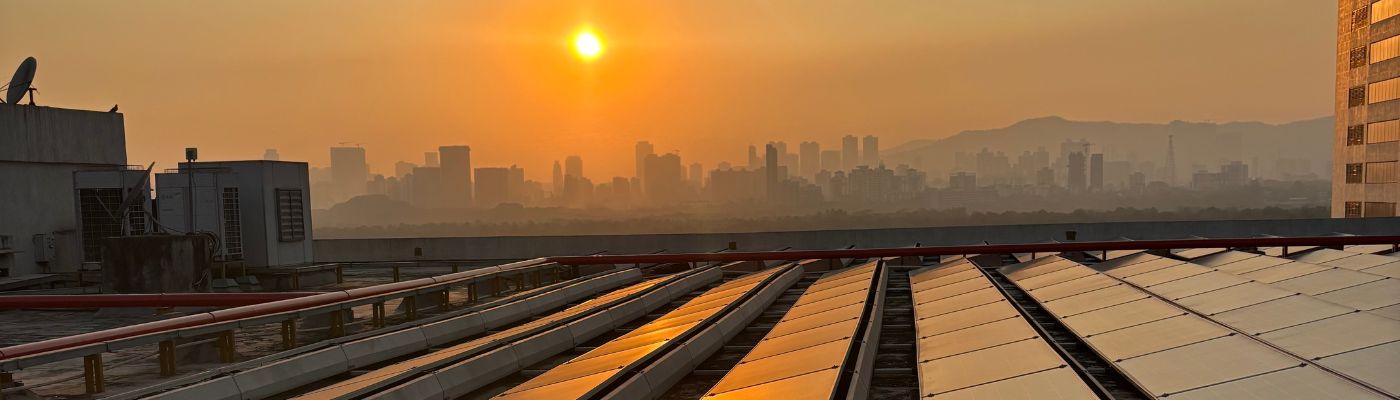
Solar radiation is one of the most important natural energy sources on Earth. Solar radiation, also known as sunlight or solar energy, refers to the electromagnetic energy emitted by the sun and received by the Earth. Understanding the types of solar radiation helps us understand how solar energy works, how it is utilized in solar panels, and its impact on climate and daily life.
What is Solar Radiation?
Solar radiation is the energy released by the sun in the form of electromagnetic waves. This energy travels through space and reaches Earth, where it plays a major role in:
- Providing light and heat
- Supporting plant growth (photosynthesis)
- Powering solar panels
- Regulating Earth’s climate
This radiation includes different forms such as infrared rays, visible light, and ultraviolet rays.
Basic Principles of Solar Radiation
Every place on Earth receives solar radiation, but the amount varies due to several factors:
Key Factors Affecting Solar Radiation
- Geographical Location (latitude)
- Time of Day (morning, noon, evening)
- Season (summer vs winter)
- Weather Conditions (clouds, pollution)
- Surface Type (water, land, buildings)
Understanding Sun Angle
- When the sun is directly overhead (90° angle) → maximum energy
- When the sun is slanted → energy spreads and weakens
This is why summers are hotter and winters are cooler.
Types of Solar Radiation
There are three main types of solar radiation depending on how sunlight reaches the Earth’s surface.
1. Direct Solar Radiation
Direct solar radiation travels straight from the sun to the Earth’s surface without being scattered.
Key Features:
- Strongest form of solar radiation
- Produces sharp shadows
- Best for solar panels and electricity generation
Example:
- On a clear sunny day at noon, solar panels receive maximum direct radiation.
2. Diffuse Solar Radiation
Diffuse solar radiation occurs when sunlight is scattered by particles in the atmosphere before reaching Earth.
Causes of Scattering:
- Clouds
- Dust
- Pollution
- Water vapor
Key Features:
- Soft and evenly spread light
- No sharp shadows
- Still useful for solar panels
Example:
- Even on a cloudy day, solar panels still produce electricity due to diffuse radiation.
3. Reflected Solar Radiation
Reflected solar radiation is sunlight that bounces off surfaces like water, buildings, snow, or land.
Also Known As: Albedo effect
Key Features:
- Depends on surface type
- Bright surfaces reflect more (snow, white paint)
- Dark surfaces absorb more (roads, soil)
Example:
- Snow-covered areas reflect a large amount of solar radiation.
Types of Solar Radiation (Based on Light Wavelength)
Solar radiation can also be classified based on wavelength or type of light.
Solar Radiation Types by Wavelength
| Type of Radiation | Wavelength Range | Energy Contribution | Key Characteristics |
|---|---|---|---|
| Infrared (IR) | > 700 nm | ~49% | Produces heat |
| Visible Light | 400–700 nm | ~43% | Seen by human eyes |
| Ultraviolet (UV) | < 400 nm | ~8% | Can be harmful |
1. Infrared Radiation
- Largest portion of solar radiation
- Responsible for heat
- Easily absorbed by water and gases
Real Insight:
Solar water heaters mainly rely on infrared radiation to generate heat.
2. Visible Light
- Only part visible to human eyes
- Includes colors like red, blue, green
Practical Use:
- Used in solar panels (photovoltaic cells) to generate electricity
3. Ultraviolet Radiation
- Short wavelength, high energy
- Can damage skin and eyes
Types of UV Rays:
- UV-A: Least harmful, causes tanning
- UV-B: Causes sunburn
- UV-C: Most harmful but blocked by ozone layer
Measurement of Solar Radiation
Scientists measure solar radiation to design solar systems and study climate.
Common Units:
- kWh/m² (Kilowatt-hours per square meter)
- W/m² (Watts per square meter)
- Btu/ft² (British thermal units per square foot)
Instruments Used:
- Pyranometer – Measures total solar radiation
- Pyrheliometer – Measures direct radiation
- Solarimeter – Measures intensity of sunlight
Importance of Solar Radiation
Solar radiation is essential for life and energy systems.
Why It Matters:
- Supports photosynthesis
- Maintains Earth’s temperature
- Helps generate solar electricity
- Drives weather and wind systems
Advantages of Solar Radiation
- Renewable and unlimited energy source
- Environment-friendly (no pollution)
- Reduces electricity bills
- Supports sustainable development
Disadvantages of Solar Radiation
- Harmful UV exposure can damage skin
- Weather-dependent (less effective in cloudy areas)
- Requires initial investment for solar systems
- Efficiency varies by location
How Solar Radiation is Used in Daily Life
- Solar panels for electricity
- Solar water heaters
- Solar cookers
- Agricultural growth
- Daylight for homes
Final Thoughts
Solar radiation is a powerful natural resource that supports life and modern technology. Understanding the types of solar radiation helps us use solar energy more efficiently and safely.
Whether it’s generating electricity, heating water, or supporting plant life, solar radiation plays a key role in our everyday lives. With growing awareness and technology, solar energy is becoming one of the best sustainable solutions for the future.
FAQs
1. What is solar radiation?
Answer: Solar radiation is the energy emitted by the Sun in the form of electromagnetic waves, including light, heat, and ultraviolet rays.
2. What are the main types of solar radiation?
Answer: The main types are direct solar radiation, diffuse solar radiation, and reflected solar radiation.
3. What is direct solar radiation?
Answer: Direct solar radiation is sunlight that reaches the Earth in a straight line without being scattered or reflected.
4. What is diffuse solar radiation?
Answer: Diffuse solar radiation is sunlight that gets scattered by clouds, dust, and air particles before reaching the Earth.
5. What is reflected solar radiation?
Answer: Reflected solar radiation is sunlight that bounces off surfaces like water, sand, buildings, or the ground.
6. Which type of solar radiation is strongest?
Answer: Direct solar radiation is the strongest because it travels straight from the Sun without losing much energy.
7. Can solar panels use all types of solar radiation?
Answer: Yes, solar panels can use direct and diffuse radiation, which helps them generate electricity even on cloudy days.
