
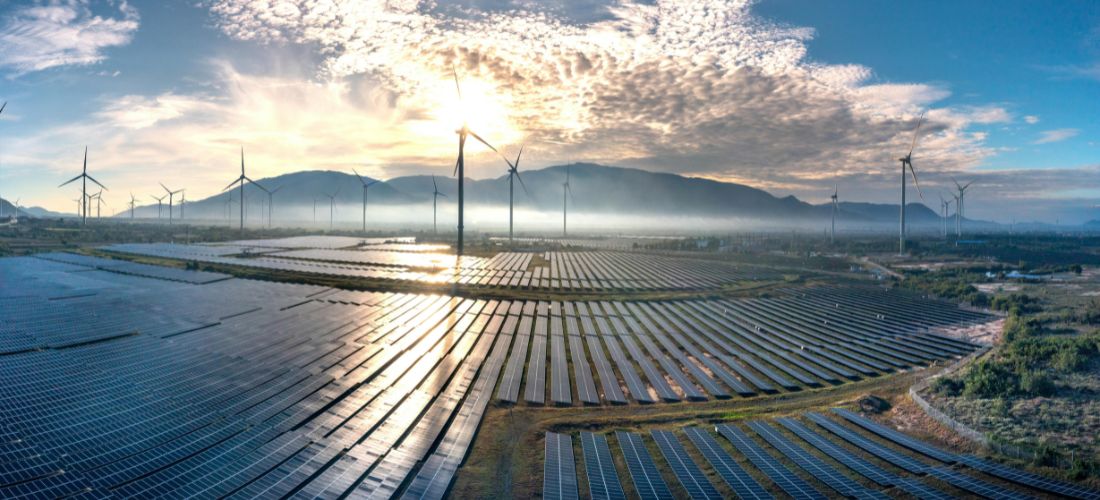
Renewable Energy and Sustainable Energy are becoming the backbone of the modern power system as countries look for cleaner, long-term solutions to meet rising electricity demand. These energy sources come from nature, replenish naturally, and help reduce dependence on fossil fuels while supporting environmental balance.
In this guide, we’ll clearly explain what renewable energy is, the different types of renewable energy sources, how they work, their benefits, limitations, and how they fit into the future of sustainable development. The goal is not just to define terms, but to help you genuinely understand how renewable energy impacts daily life, businesses, and the planet.
What Is Renewable Energy?
Renewable energy is energy generated from natural sources that do not run out over time. These sources are continuously replenished by natural processes such as sunlight, wind, water flow, and biological growth. Because of this, renewable energy is often considered a key pillar of sustainable energy systems.
Unlike fossil fuels, which take millions of years to form and release harmful greenhouse gases when burned, renewable energy sources generally produce little to no carbon emissions during electricity generation. This makes them essential in reducing climate change risks and improving air quality.
Common characteristics of renewable energy sources include:
- Naturally replenished within a short time
- Lower environmental impact compared to fossil fuels
- Can be locally produced, reducing energy imports
- Support long-term energy security
Why Renewable Energy Matters Today
The global energy demand is increasing due to population growth, urbanization, and industrial expansion. Relying only on non-renewable energy sources like coal, oil, and natural gas is not sustainable in the long run.
Renewable Energy helps address major global challenges such as:
- Climate change and global warming
- Air and water pollution
- Energy security and price volatility
- Sustainable economic growth
Governments, businesses, and households are increasingly shifting toward sustainable energy solutions to ensure a cleaner and more reliable future.
The Most Common Types of Renewable Energy
There are several types of renewable energy sources used worldwide. Each works differently and contributes in its own way to the overall energy mix.
Below is a simple overview table for quick understanding.
| Type of Renewable Energy | Primary Source | Common Use | Reliability |
|---|---|---|---|
| Solar Energy | Sunlight | Electricity, heating | Medium (weather dependent) |
| Wind Energy | Wind | Electricity | Medium to High |
| Hydroelectric Energy | Flowing water | Electricity | High |
| Bioenergy | Organic matter | Electricity, fuel | Medium |
| Geothermal Energy | Earth’s heat | Electricity, heating | Very High |
| Tidal & Wave Energy | Ocean movement | Electricity | High but location-specific |
Solar Energy
Solar energy is one of the most widely recognized forms of renewable energy. It uses sunlight to generate electricity or heat through solar technologies.
Solar power systems mainly work through photovoltaic (PV) panels, which convert sunlight directly into electricity using the photovoltaic effect. These systems can be installed on rooftops, open land, or integrated into buildings.
Key Advantages of Solar Energy
- Abundant and freely available source
- Low maintenance once installed
- Suitable for residential, commercial, and industrial use
- Reduces electricity bills over time
Limitations of Solar Energy
- Depends on sunlight availability
- Lower efficiency during cloudy or rainy days
- Requires space for large-scale installations
Despite limitations, solar energy remains a cornerstone of sustainable energy strategies worldwide.
Wind Energy
Wind energy uses the natural movement of air to generate electricity. Wind turbines convert the kinetic energy of wind into mechanical power, which is then transformed into electrical energy through a generator.
Wind farms can be located on land (onshore) or in water bodies (offshore). Offshore wind farms generally produce more consistent energy due to stronger and steadier winds.
Benefits of Wind Energy
- Clean and renewable power source
- No fuel cost after installation
- Can coexist with agriculture and grazing land
Challenges of Wind Energy
- Energy output varies with wind speed
- Visual and noise concerns in some areas
- High initial setup cost
Wind energy plays a major role in reducing carbon emissions in many countries.
Hydroelectric Energy
Hydroelectric energy is produced by harnessing the movement of flowing or falling water. It is one of the oldest and most reliable renewable energy sources.
Hydropower plants typically use dams to control water flow, which spins turbines connected to generators. Apart from dams, hydroelectric energy also includes small hydro projects, tidal power, and wave energy.
Advantages of Hydroelectric Energy
- Highly reliable and consistent
- Capable of large-scale electricity generation
- Supports grid stability
Limitations of Hydroelectric Energy
- High environmental impact if not planned carefully
- Limited suitable locations
- High initial construction cost
Hydropower remains a key contributor to global sustainable energy production.
Bioenergy (Biomass Energy)
Bioenergy is generated from organic materials such as agricultural waste, wood, animal manure, and food waste. These materials are known as biomass.
When biomass is burned or processed, it releases energy that can be converted into electricity, heat, or fuel. Although carbon dioxide is released, bioenergy is considered renewable because plants absorb carbon as they grow.
Advantages of Bioenergy
- Uses waste materials efficiently
- Supports rural economies
- Can provide continuous power
Drawbacks of Bioenergy
- Emissions during combustion
- Requires careful resource management
- Not entirely carbon-free
Bioenergy bridges the gap between waste management and sustainable energy production.
Geothermal Energy
Geothermal energy comes from the heat stored beneath the Earth’s surface. This heat can be used directly for heating or converted into electricity using geothermal power plants.
Unlike solar or wind, geothermal energy is available 24/7, making it one of the most reliable renewable energy sources.
Benefits of Geothermal Energy
- Extremely reliable
- Low land footprint
- Minimal emissions
Limitations of Geothermal Energy
- Location-specific availability
- High initial drilling costs
- Requires advanced technology
Geothermal energy is a strong long-term solution for sustainable energy where geological conditions allow.
Tidal and Wave Energy
Tidal and wave energy harness the power of ocean movements caused by gravitational forces and wind. These technologies are still developing but hold great potential.
Tidal energy uses predictable tidal cycles, while wave energy captures surface wave motion to generate electricity.
Pros of Ocean Energy
- Highly predictable
- Huge energy potential
- Low carbon emissions
Cons of Ocean Energy
- High development costs
- Limited suitable locations
- Technology still evolving
Ocean energy represents the future frontier of renewable energy innovation.
Renewable Energy vs Non-Renewable Energy
Non-renewable energy sources include coal, oil, and natural gas. These sources are finite and release harmful emissions when burned.
| Factor | Renewable Energy | Non-Renewable Energy |
|---|---|---|
| Availability | Infinite | Limited |
| Environmental Impact | Low | High |
| Carbon Emissions | Minimal | High |
| Sustainability | Long-term | Short-term |
Benefits of Renewable and Sustainable Energy
Renewable Energy and Sustainable Energy offer multiple long-term benefits:
- Reduces greenhouse gas emissions
- Improves air quality
- Creates local employment
- Enhances energy independence
- Stabilizes long-term energy costs
These benefits make renewable energy essential for future generations.
Is Renewable Energy the Same as Clean or Green Energy?
Although often used interchangeably, these terms are slightly different:
- Clean Energy: Produces electricity with minimal emissions
- Green Energy: Comes from natural sources with minimal environmental impact
- Renewable Energy: Comes from sources that do not deplete
Most green energy sources are renewable, but not all renewable energy sources are entirely green.
What Are Four Examples of Sustainable Energy?
- Solar energy
- Wind energy
- Hydroelectric energy
- Geothermal energy
These sources support long-term environmental and economic stability.
The Future of Renewable Energy
The role of renewable energy in the global electricity mix is expanding rapidly. Countries are investing heavily in solar, wind, and other sustainable energy solutions to meet climate goals and energy demands.
Renewable energy is no longer an alternative-it is becoming the main source of power for the future.
Frequently Asked Questions (FAQs)
1. What is renewable energy in simple words?
Renewable energy is energy that comes from natural sources like sunlight, wind, water, and heat from the Earth. These sources do not run out and can be used again and again without harming the environment.
2. What are the main types of renewable energy?
The main types of renewable energy are solar energy and wind energy, hydroelectric energy, bioenergy, geothermal energy, and tidal or wave energy. Each source uses a natural process to generate electricity or heat.
3. How is renewable energy different from sustainable energy?
Renewable energy refers to energy sources that naturally replenish. Sustainable energy is broader and focuses on long-term use without damaging the environment, economy, or society. Most renewable energy sources are also considered sustainable energy.
4. Is renewable energy completely pollution-free?
Renewable energy produces very low emissions during operation. However, some environmental impact may occur during manufacturing, installation, or construction. Overall, it is much cleaner than fossil fuels.
5. Which renewable energy source is the most reliable?
Hydroelectric and geothermal energy are considered highly reliable because they can produce power continuously. Solar and wind energy depend on weather conditions but are still very effective when combined with storage systems.
