
What is a Hybrid Solar Power System?
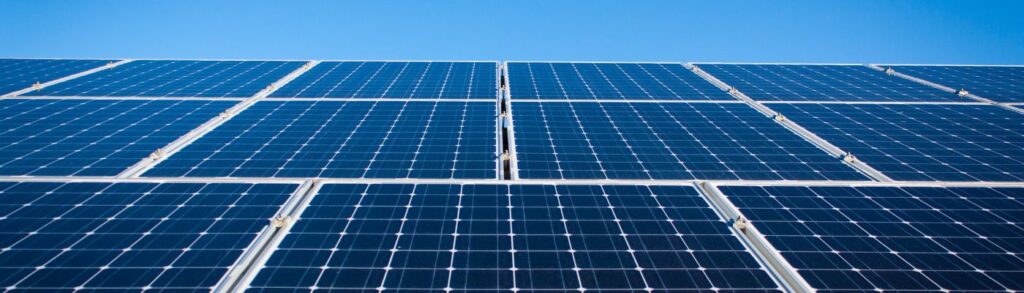
If you’ve been researching ways to use solar power at home or for a commercial rooftop, you’ve probably come across the term “hybrid solar power system.” It sounds a little technical, but once you break it down, it’s actually a smart and practical setup that gives you the best of both worlds-the reliability of grid electricity and the savings of solar energy. This guide explains hybrid solar systems in an easy, conversational way-like a friend walking you through the basics. You’ll learn how hybrid solar systems work, why they’re becoming popular in homes and businesses, the types of solar energy systems available, and tips to choose the right setup. What Is a Hybrid Solar Power System? A hybrid solar power system is a solar setup that combines: Solar panels Solar batteries Grid connection So basically, it is a mix of on-grid and off-grid systems. Think of it like a car that runs on petrol but also has an electric battery. When one source isn’t enough, the other fills the gap. How a Hybrid System Works Here’s a quick, easy-to-understand breakdown: Solar panels capture sunlight and turn it into electricity. That electricity is first used to power your home or commercial building. Any extra power is stored in solar batteries for later use. If the stored power runs out (like during long cloudy days), the system automatically switches to the utility grid. If your system is producing extra power, you can also export it to the grid (if net metering is available). In short: You get savings + backup power + full control. This is one of the reasons hybrid solar systems are seen as the most flexible type of solar energy setup today. Why Hybrid Solar Systems Are Becoming Popular Earlier, people had to choose between two options: On-grid systems (cheaper but no backup) Off-grid systems (backup but expensive and fully battery dependent) But now, hybrid solar power systems offer a middle path. Here’s why many homes and commercial rooftops are choosing hybrid solar setups: ● Reliable Backup Power You don’t have to worry about power cuts. Your batteries handle emergencies automatically. ● More Savings on Electricity Bills You use solar power when available, battery backup when needed, and grid only when required. ● Ideal for Indian Weather India gets sunlight most days, but monsoon and winter can be unpredictable. Hybrid solar power systems handle both sunny and cloudy days smoothly. ● Great for Commercial Rooftops Businesses don’t want downtime. A hybrid solar system ensures continuous power for lights, machines, and office operations. ● Future-Proof As battery prices keep dropping, hybrid solar systems are becoming more affordable. Many people install hybrid-ready inverters and add batteries later. Types of Solar Energy Systems Before choosing a hybrid solar power system, it helps to know the three main types of solar energy setups. Type of System Works With Grid Contains Battery Backup Power Ideal For On-Grid Solar System Yes No No Homes/offices in areas with stable electricity Off-Grid Solar System No Yes Yes Remote areas with no grid connection Hybrid Solar System Yes Yes Yes Homes & commercial rooftops needing backup + savings Many people start by exploring types of solar energy, and most eventually choose hybrid because it balances cost, performance, and reliability. How Solar Power Actually Works To understand hybrid solar power systems better, let’s break down solar power work in the simplest way. Step 1: Sunlight hits the solar panels Panels convert sunlight into DC (direct current) electricity. Step 2: Inverter converts DC to AC Since your home uses AC, the inverter handles the conversion. Step 3: Power is distributed The system decides where the power goes: Home appliances Battery storage Grid export This automated flow is what makes hybrid solar so efficient-it intelligently shifts power where needed without any manual work. Components of a Hybrid Solar Power System A hybrid solar power system usually includes: ● Solar Rooftop System Installed on residential or commercial rooftops to capture sunlight. ● Hybrid Inverter The brain of the system. It manages: Grid supply Solar production Battery charging/discharging ● Solar Batteries They store unused electricity for later use-especially useful during nights or power cuts. ● Mounting Structures Hold the solar panels at the correct angle. ● Charge Controller Regulates power going into the battery. ● Monitoring System Lets you track power production on your phone-very useful for commercial users. How a Hybrid Solar Power System Helps a Small Business Let’s say a small bakery runs freezers, ovens, and lights daily. Before installing solar: Electricity bills were unpredictable. Frequent power cuts caused machine downtime. They needed a reliable backup. After installing a 5 kW hybrid commercial rooftop system: Daytime operations run mostly on solar. Batteries support the bakery during power cuts. Excess power is exported to the grid. Monthly savings increased by nearly 45–55%. The owner stopped using diesel generators completely. This is a real-type scenario that many small shops, offices, and factories in India experience. Benefits of Using Hybrid Solar for Homes If you’re thinking about a solar product for home, hybrid solar systems are worth considering. 1. Works During Power Cuts No more candles or inverters that run out quickly. Batteries give full backup. 2. Lower Monthly Bills Solar power is used first, so grid consumption drops instantly. 3. Store Daytime Power for Night Use Perfect for families that use more electricity in the evening. 4. Better Than Normal Home Inverters Solar charging saves money, unlike traditional inverters that charge from the grid. 5. Great for Future EV Charging You can later add an EV charging point and run part of it on solar. Benefits for Commercial Rooftops Hybrid systems fit well for: Schools Offices Hotels Factories Hospitals Warehouses Here’s why: ● Zero Downtime Machines and computers stay ON even during outages. ● Cost Control Commercial electricity tariffs are high. Solar reduces them significantly. ● Power Stability Helps protect equipment from voltage fluctuations. ● Scalable Start with a 10 kW system; expand to 50 kW or 100 kW later. When Should