
Best Types of Solar Panels in India: A Complete Guide
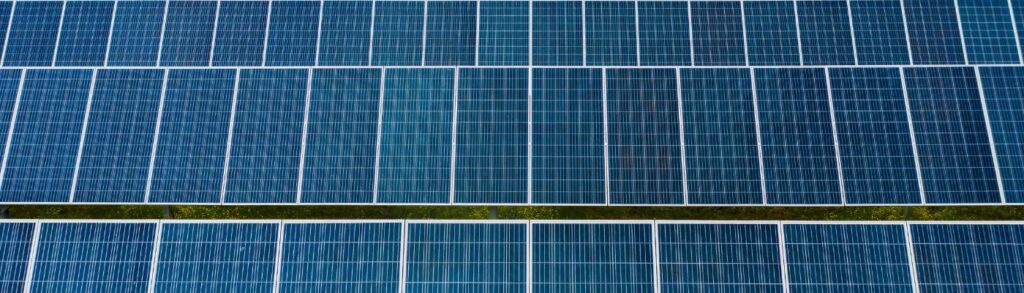
Solar energy has become one of the fastest-growing sources of clean power in India. With rising electricity costs and environmental concerns, many homeowners and businesses are looking for reliable solar solutions. However, choosing the right solar panel can be confusing due to the variety of options available in the market. In this guide, we’ll explore the types of solar panels, the best solar modules in India, and tips to select the best solar products India for your needs. Understanding Solar Panels A solar panel is a device that converts sunlight into electricity using photovoltaic (PV) cells. Solar panels are a key component of any solar power system and come in various technologies and designs. The main goal is to provide efficient energy conversion, durability, and performance. Types of Solar Panels (Solar PV Panels Types) Solar panels can be broadly categorized based on the material and technology used in the PV cells. Understanding solar PV panels types helps in choosing the right solution for your home or business. 1. Monocrystalline Solar Panels Monocrystalline panels are made from a single crystal structure and are known for their high efficiency and sleek black appearance. Key Features: High energy efficiency (15–22%) Long lifespan (25+ years) Performs well in low-light conditions Advantages: Compact size, ideal for limited rooftop space Reliable and long-lasting Disadvantages: Higher upfront cost compared to other types Best Use: Residential rooftops and commercial spaces with limited space. 2. Polycrystalline Solar Panels Polycrystalline panels are made from multiple silicon crystals, giving them a blue, speckled appearance. They are slightly less efficient than monocrystalline panels but more affordable. Key Features: Efficiency: 13–16% Moderate lifespan (20–25 years) Works well in sunny areas Advantages: Lower cost Simple manufacturing process Disadvantages: Slightly larger area needed for the same output Less efficient in low-light conditions Best Use: Large rooftops and open spaces where cost is a factor. 3. Thin-Film Solar Panels Thin-film panels are made by depositing a thin layer of photovoltaic material on a substrate like glass or metal. Key Features: Lightweight and flexible Lower efficiency (10-12%) Aesthetically versatile Advantages: Can be installed on irregular or curved surfaces Lightweight, reducing structural load Disadvantages: Requires more space for the same power output Shorter lifespan (10-20 years) Best Use: Innovative architectural designs or lightweight structures. 4. Bifacial Solar Panels Bifacial panels can capture sunlight on both the front and back sides, increasing overall energy production. Key Features: Higher energy yield Durable and often tempered glass on both sides Efficient in reflective environments like rooftops or snow Advantages: Increased energy output Long lifespan (25+ years) Disadvantages: Higher initial investment Requires proper mounting to optimize performance Best Use: Rooftops, solar farms, and high-performance installations. How to Choose the Best Solar Modules in India Selecting the best solar modules in India depends on several factors: Energy Requirements: Calculate your daily energy usage to determine panel capacity. Roof Space: Monocrystalline panels are ideal for limited space, while polycrystalline and thin-film panels suit larger areas. Budget: Polycrystalline and thin-film panels are cost-effective, while monocrystalline and bifacial panels have higher efficiency and longer lifespan. Climate: Consider panels that perform well under your local weather conditions. Monocrystalline panels perform better in low light, while bifacial panels are great for reflective environments. Warranty and Reliability: Choose reputable brands that offer at least 25 years of performance warranty. Best Solar Products India Apart from panels, a complete solar system includes inverters, batteries, mounting structures, and accessories. For the best results, look for products with: High-efficiency solar inverters Reliable storage batteries (like lithium-ion) Corrosion-resistant mounting structures Certified and tested accessories Combining the best solar modules in India with quality accessories ensures a long-lasting, high-performing solar system. Benefits of Installing Solar Panels in India Cost Savings: Significant reduction in electricity bills. Energy Independence: Generate your own electricity and reduce reliance on the grid. Environmental Impact: Reduce carbon footprint and contribute to a cleaner environment. Government Incentives: Various subsidies and tax benefits are available for solar adoption. Common Myths About Solar Panels Myth: Solar panels don’t work on cloudy days. Fact: Modern panels can generate electricity even on cloudy days, though efficiency may be slightly lower. Myth: Solar systems are too expensive. Fact: While initial costs can be high, long-term savings and government incentives make solar installation cost-effective. Myth: Maintenance is high. Fact: Solar panels require minimal maintenance, mainly periodic cleaning and occasional checks. Conclusion Choosing the right solar panel in India is crucial to maximize energy efficiency and long-term savings. By understanding the types of solar panels, evaluating your energy needs, and selecting the best solar products India, you can make an informed choice for your home or business. Whether you opt for monocrystalline vs polycrystalline, thin-film, or bifacial panels, investing in solar energy is a step towards sustainability and energy independence. FAQs 1. What are the different types of solar panels available in India? The main types of solar panels in India include monocrystalline, polycrystalline, thin-film, and bifacial solar panels. Each type has unique efficiency levels, costs, and applications depending on your energy needs and roof space. 2. Which are the best solar modules in India? The best solar modules in India are typically from reputable brands offering high efficiency, long warranties, and proven performance. Monocrystalline and bifacial panels are often preferred for their high output and durability. 3. How do I choose the right solar panel for my home? To select the right panel, consider your energy requirements, available roof space, budget, and local climate conditions. Monocrystalline panels are ideal for limited space, while polycrystalline and thin-film panels are suitable for larger areas. 4. Are solar panels effective on cloudy or rainy days in India? Yes. Modern solar PV panels types can still generate electricity on cloudy or rainy days, although their efficiency may be slightly reduced. Proper panel orientation and quality products ensure consistent energy generation. 5. What are the benefits of installing solar panels in India? Installing solar panels in India helps reduce electricity bills, promotes energy independence, lowers carbon footprint, and allows homeowners to
How to Clean Solar Panels in the Best way
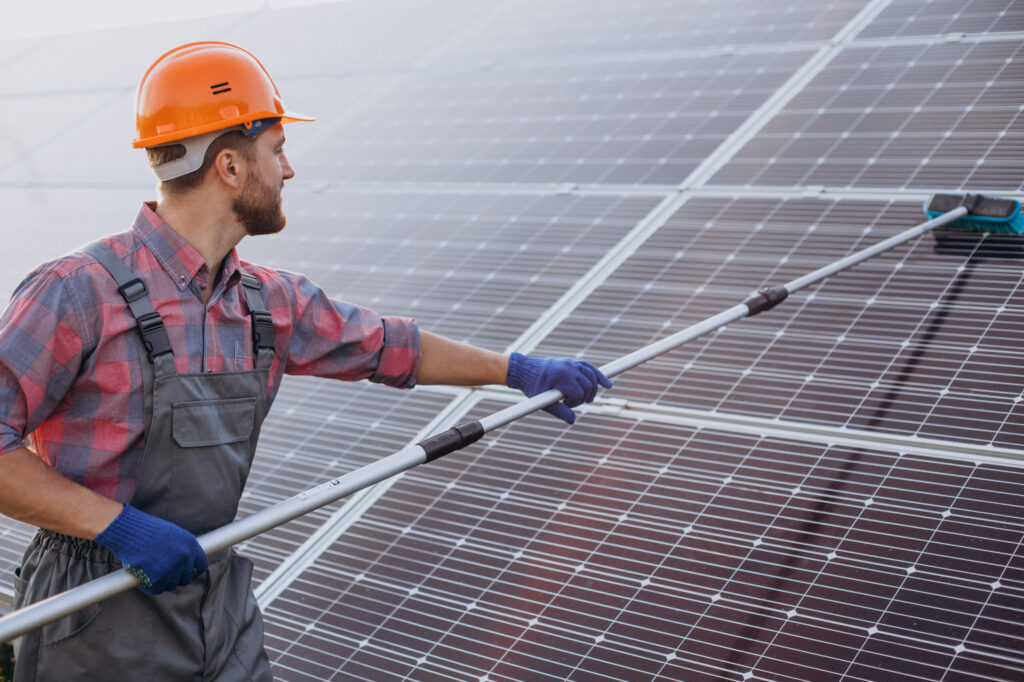
If you’ve invested in solar panels, you already know they’re a great way to save on electricity bills and reduce your carbon footprint. But like anything that lives outside, solar panels can get dirty, dust, bird droppings, leaves, and even pollen can build up over time. And when that happens, your panels can’t absorb sunlight as well, which means they won’t work as efficiently. That’s why learning how to clean solar panels properly, without damaging them is so important. The good news? Cleaning solar panels is easier than you might think. You just need to know what to use, what to avoid, and how often to do it. Let’s break it all down in this simple, step-by-step guide. Why Clean Solar Panels at All? You might be wondering: do solar panels even need cleaning? Won’t the rain take care of that? Well, rain does help, but not completely. According to the National Renewable Energy Laboratory (NREL), dirty solar panels can lose up to 25% of their energy output in some cases. That’s a pretty big drop, especially if you rely heavily on solar for your energy needs. Here are a few common things that reduce panel performance: Dust and dirt from nearby roads or construction Bird droppings (rain doesn’t wash these off easily) Leaves or pollen that sit on the surface Water spots from hard water Keeping your panels clean helps them perform better and last longer. It’s like giving your car a tune-up but much simpler. How Often Should You Clean Solar Panels? This depends on where you live. If you’re in a dry, dusty area or near trees where birds like to hang out, you might need to clean your panels every 3 to 6 months. In cleaner, rainy areas, once a year might be enough. Tip: Check your system’s output regularly. If you notice a drop in energy production that can’t be explained by weather, your panels might just need a cleaning. What You’ll Need Before you learn how to clean solar panels, gather your supplies. You don’t need anything fancy or expensive. Here’s a basic list: A soft brush or sponge with a long handle A bucket of lukewarm water (no hot water) Mild soap or dishwashing liquid (non-abrasive) A soft cloth or squeegee Garden hose with a gentle spray nozzle Optional: safety gear (if your panels are on the roof) Avoid: Pressure washers Harsh chemicals or bleach Scrub brushes or steel wool Abrasive pads These can damage the anti-reflective coating on your panels, which would reduce efficiency. How to Clean Solar Panels (Step-by-Step) Step 1: Turn Off the System Before doing anything, turn off your solar panel system. Check your inverter and any other instructions provided by the manufacturer. This is important for your safety. Step 2: Check the Weather Pick a cool, overcast morning or a day with mild temperatures. Cleaning in direct sunlight can cause water to evaporate too quickly, leaving streaks and spots. Plus, the panels can get hot. Step 3: Remove Loose Debris Use a soft broom or leaf blower to gently remove any leaves, branches, or dry dust. Do this before adding water to avoid making mud. Step 4: Spray With Water Use your garden hose with a gentle spray to rinse the panels. This helps remove most of the loose dirt. Don’t use a pressure washer, it could crack the glass or damage the frame. Step 5: Wash With Soapy Water Fill a bucket with lukewarm water and a few drops of mild dish soap. Use a soft sponge or brush with an extendable handle to gently scrub the panels. Work in small sections. Be careful not to step on the panels, especially if you’re cleaning a rooftop system. Step 6: Rinse Again ls with clean water to remove any soap residue. Step 7: Let Them Air Dry Most of the time, air drying is just fine. But if you have hard water or want a spotless finish, wipe the panels with a soft microfiber cloth or squeegee. What If Your Panels Are on the Roof? If your panels are difficult to reach or on a steep roof, don’t risk your safety. Instead: Use an extension pole for light cleaning from the ground. Hire a professional solar panel cleaning service. They’re trained, have the right equipment, and know how to clean solar panels safely. Things to Avoid When Cleaning To keep your panels safe, don’t: Use high-pressure washers Clean with vinegar, bleach, or other harsh chemicals Scrub with abrasive tools Clean during the hottest part of the day Walk on the panels (ever) Does Cleaning Solar Panels Void the Warranty? Not if you do it right. Most manufacturers encourage gentle cleaning and provide guidelines in the user manual. However, if you damage the panels while cleaning, say, by using a pressure washer or stepping on them, you might void the warranty. Always check your warranty terms first, and when in doubt, contact the installer or manufacturer. Monitoring Panel Performance After Cleaning After cleaning, it’s a good idea to monitor your system’s output for the next few days. You’ll likely notice a boost in performance, especially if your panels were heavily soiled. Some solar systems have monitoring apps that show you daily output. If yours doesn’t, consider installing one, or keep a simple log of your monthly electricity production. Final Thoughts Learning how to clean solar panels is a simple but important part of taking care of your solar energy system. With just a little effort every few months, you can keep your panels working at their best and make sure your investment pays off over time. Whether you decide to clean them yourself or hire a pro, the key is to be gentle, stay safe, and clean regularly.
Myths About Solar Panels: Facts You Need To Know
Solar energy is reaching far and wide as the years pass by and for all the right reasons. However, some people in India still hesitate to adopt the technology because of the myths attached to it. In this blog, we will address all the myths about solar panels so that you get a clear understanding of them. Solar panels are one of the greatest advancements we have, considering all the environmental benefits of solar energy. Even after that, people step back because of the myths like – “Solar panels don’t work during monsoon”, or “Installing and then maintaining solar panels is too costly”. All these are common misconceptions that hold people back from going solar. It’s time to clear them up with the real facts! Common Myths About Solar Panels There are many myths that people consider to be true about solar panels but in reality, that’s not even half the truth. Let’s begin by addressing the most common ones. Myth 1 – Solar Panels Only Work in Summer or on Sunny Days This is what many people generally think because of the whole concept of “sunlight helping in electricity generation”. Many believe that solar panels only work when the sun is shining. That is only half true about it. Fact: In reality, solar panels don’t stop working completely when it gets cloudy or starts raining. Their efficiency reduces to a certain degree but solar panels make the best use of scattered light. This helps them with electricity generation even during cloudy or rainy days. The panels won’t stop working fully unless it gets completely dark. Myth 2 – Solar Panels are Too Costly Gone are the days when solar technology was new and costly. Times have changed now and people are slowly learning all about the wonderful solar technology. However, it’s understandable why people would have this misconception about solar panels. Fact: It may be slightly costly to make the initial investment. But a number of government initiatives make solar energy really accessible to the general public. Also, it proves to be financially beneficial in the long run. How? Well, you won’t need to depend on the electricity grid and the bills will drop. You will start saving more and also contribute to the environment. Myth 3 – Solar Panels Require High Maintenance People worry about solar panels being “high-maintenance”. They think solar panels require constant cleaning and repairs, making them costly. But that’s not the truth. Fact: Solar panels are built to last 20-25 years easily. And because they have no moving parts, there will be no wear or tears. And the thing about maintenance is that, like all things, they need a little bit of cleaning. You just have to remove dust, leaves, or bird droppings for them to function fully. Maintaining them is simple and the efficiency they offer is worth it. Solar energy systems are really durable and reliable. Myth 4 – Solar Panel Installation Damages the Roof(H3) The idea that solar panel installation can harm the roof is yet another myth. Many believe that the installation is difficult and may involve a lot of drilling, which may damage the roof. Fact: By choosing a good solar company and skilled professionals, you will be able to set up your solar system without causing any damage to the roof. And not to mention the shade from solar panels actually protects the roof materials from debris and rain. Myth 5 – Solar Panels Aren’t Reliable Some people believe that solar power only works when the sun shines the brightest. It’s somewhat true that as the night falls, there won’t be any energy generation. But technology has the solution for it. Fact: Modern solar systems come with solar battery storage that lets you store excess energy produced during the daytime for later use. And if there’s no battery system, then many of them are connected to the grid. This means you can draw electricity from the grid in times of need and even send the surplus back and earn credits! Myth 6 – Solar Panels Don’t Last Long One of the myths about solar panels is that they don’t really last long and work only for a few years. However, the reality is a far different one. Fact: We all know how solar technology is rapidly advancing, and because of that, durability is a gift. Solar systems are made to last more than 25 years which is a great investment. So, now you won’t have to worry about the system failing. All they need is a little maintenance and care and they won’t disappoint you! Myth 7 – Switching to Solar is Complicated(H3) Many think of going solar as a complicated, technical process. Fact: Reality is that with the best solar panel company, everything becomes easy. The professional team will handle everything in the best way possible. Also, with the Annual Maintenance Contract, even the maintenance becomes easy! Myth 8 – Solar Panels Take Up Too Much Space(H3) People believe that installing solar panels will cover whole fields or large factories. But that’s not true. Fact: For most homes, rooftops are enough. With proper solar mounting structures, you don’t need to worry about the panels taking up too much space. If you plan to install solar panels in your home, your roof will be a perfect place. Why Do Solar Panel Myths Exist? All the myths we hear about are based on outdated information from years ago. Back then, solar energy wasn’t as prevalent as it is now. Also, the shortcomings of solar technology added to the “myths”. However, as time passed by, the technology developed into something so powerful that many people and businesses in India continue to adopt solar energy. Solar Panel Benefits Beyond the Myths Installing solar panels proves to be more beneficial than the myths give credit for. We just need to look beyond the myths about solar panels. Solar Panels help people save on electricity bills. By generating your own energy, you