
10 Types of Solar Panels in India: Cost, Efficiency & Power
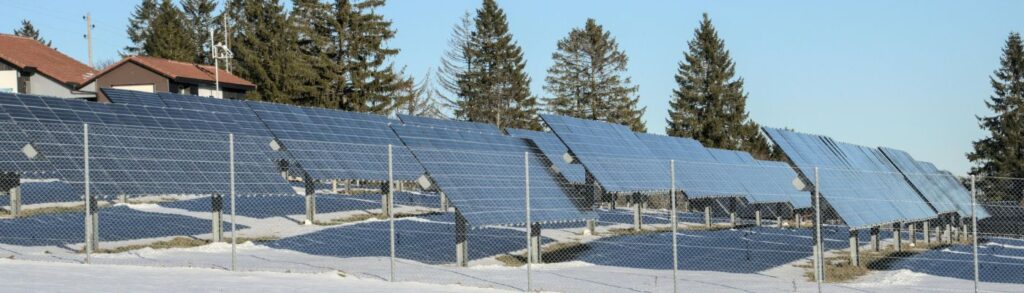
Solar energy is booming across India. As more homes and businesses explore solar power, it’s important to understand the types of solar panels (solar pv panels types) available, how they differ, and which ones best suit different use cases. In this blog, we’ll dive into 10 different types of solar panels, their costs, efficiencies, and where they are typically used from small rooftop systems to big commercial setups. Why Knowing Solar Panel Types Matters Choosing the right solar panel isn’t just about slapping some modules on your roof. Your decision impacts: How much electricity you can generate How long your system lasts The total cost (installation + maintenance) Whether you go for an On-Grid Solar System or Off-Grid Solar System How well your rooftop (or land) space is utilized What Are the 10 Types of Solar Panels? Based on current technologies widely used or emerging in India, here are the 10 types of solar panels you should know about, along with their costs, efficiency, and ideal use. 1. Monocrystalline Solar Panels Overview: These are made from a single silicon crystal. They have high purity, and their cells are usually uniform and black. Efficiency: Generally around 18–22%, depending on the panel. Cost (India): About ₹35–₹45 per watt as of 2025. Lifespan: 25–30 years or more. Best For: Residential rooftops where space is limited and efficiency matters most. Because they generate more power per square meter, they are highly suitable for commercial rooftop systems or dense urban areas. Pros & Cons: Pros: High efficiency, long lifespan, sleek design. Cons: Higher initial cost, slightly more expensive installation. 2. Polycrystalline Solar Panels (sometimes called multi-crystalline) Overview: Made by melting multiple silicon fragments and forming them into wafers. They typically look speckled blue. Efficiency: Generally between 15–17%. Cost (India): Around ₹25–₹32 per watt, though some sources mention up to ₹38 per watt. Lifespan: About 20–25 years. Best For: Larger rooftops, ground-mounted solar farms, and off-grid solar PV systems where land or space is not a constraint. Pros & Cons: Pros: Budget-friendly, well-tested technology. Cons: Lower efficiency, needs more space, less ideal for tight rooftop areas. 3. Thin-Film Solar Panels Overview: Thin-film panels are very different from traditional silicon panels. They use very thin layers of photovoltaic material (like amorphous silicon, Cadmium Telluride, or CIGS) deposited on a substrate. Efficiency: Typically lower: in the range of 6%–13% depending on the material. Cost (India): Often ₹20–₹28 per watt, making them one of the cheaper options. Lifespan: Roughly 10–20 years, depending on the specific thin-film technology. Best For: Large industrial roofs, flexible or curved surfaces (like vehicles, glass facades), or temporary setups. They’re less common for standard home rooftops because of the lower efficiency. Pros & Cons: Pros: Lightweight, flexible, low cost, good in diffuse light. Cons: Requires more area, lower power output, often shorter warranty/lifespan. 4. PERC Solar Panels (Passivated Emitter Rear Contact) Overview: PERC is actually a cell technology rather than a completely separate panel type. PERC cells include an extra passivation layer on the rear of the cell, which helps reflect unused light back into the cell and reduce recombination losses. Efficiency: Often more efficient than standard mono or poly, around 19–23%, depending on quality. Cost (India): This depends on the grade and type, but PERC panels are in the “medium to high” cost bracket compared to basic mono. Lifespan: Often around 25+ years. Best For: Roof spaces where you want higher efficiency without moving to super-premium module types. Good for both residential and small commercial systems. Pros & Cons: Pros: Improved efficiency, good performance in low light, better energy yield per panel. Cons: Slightly more expensive than basic monocrystalline; cost may not always justify for very large installations if space is not limited. 5. Bifacial Solar Panels Overview: These panels generate power from both the front and back sides. The rear side captures reflected light (albedo), which increases total output. Efficiency: When installed optimally, bifacial panels can effectively reach up to ~22–27% (combined), depending on how much reflected light they receive. Cost (India): Generally higher than regular mono or poly. For instance, some sources mention bifacial modules costing ₹55–₹70 per watt. Lifespan: Long, often 25+ years. Best For: Commercial rooftop systems, ground-mounted systems, or open-space PV farms where sunlight can reflect off a surface (like white concrete) back onto the panel. Also increasingly used in on-grid solar system setups to maximize output. Pros & Cons: Pros: Higher energy yield, more efficient land or roof usage, better ROI in right conditions. Cons: Need special mounting, more expensive, performance depends heavily on installation design and albedo. 6. Mono-PERC Half-Cut Panels Overview: These are PERC panels where each solar cell is “half-cut”, meaning the cell is cut into two smaller pieces. That reduces resistive losses and improves durability under shading or partial coverage. Efficiency: Typically similar or slightly better than full-cell PERC, often around 20–22% or more depending on manufacturing. Cost (India): Because of the advanced design, these cost more than standard PERC or mono panels. Exact prices vary by manufacturer and module wattage. Best For: Rooftops with partial shading (trees, chimneys) or for maximizing output on limited roof area. Also useful in commercial rooftop systems where module failure risk needs reducing. Pros & Cons: Pros: Better shade tolerance, slightly higher reliability, improved performance under real conditions. Cons: More expensive, slightly more complex to manufacture, may require good-quality inverters. 7. Mono-PERC Half-Cut Bifacial Panels Overview: This is a combination: half-cut PERC cells + bifacial design. You get the advantages of both technologies. It’s one of the more advanced and efficient solar pv panel types. Efficiency: Very high potential efficiency, sometimes up to ~22.5% or more, depending on setup and albedo. Cost (India): Higher-end among solar modules. Since you’re paying for bifacial + half-cut benefits, the cost is usually premium. Best For: Ideal for high-output residential systems, commercial rooftop systems, and ground-mounted systems where maximizing power per square meter is crucial. Pros & Cons: Pros: High energy yield, better shade handling, longer-term value. Cons: Costlier, needs good
1 MW Solar Power Plant: Key Information on Specs & Cost
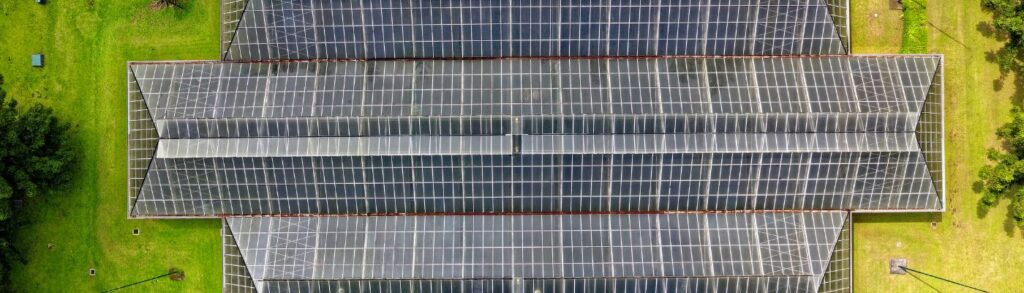
If you’re considering investing in a 1 MW solar power plant in India, you’re making a big step toward clean energy and self-sufficiency. In this blog, let’s break down what you need to know: what a solar power plant of this size includes, the typical specifications, the costs involved and the key factors that influence performance and return on investment. The idea is to give you clear, practical information, nothing overly technical or robotic; just what a smart tenth-grade-reader could follow. What is a 1 MW Solar Power Plant? Before digging into cost and specs, let’s clarify what we mean: “MW” stands for megawatt. A 1 MW solar power plant means a capacity of 1 megawatt (1,000 kW) of solar power above the grid-connection or inverter output rating. It’s a utility-scale (or near-utility) size system, much larger than a rooftop system for a home. This scale allows for meaningful solar energy production, often for commercial, industrial, or power-sale purposes. When we say “solar power plant,” we’re talking about a full system: the solar panels (PV modules), mounting structure, inverters, wiring, civil works, grid connection, monitoring, etc. So when you talk about installing a 1 MW solar power plant in India, you’re looking at a project that requires land (unless rooftop or floating), investment, regulatory permissions, and long-term operations. Typical Specifications for a 1 MW Solar Plant Here are the key technical specs and what you should expect when setting up a 1 MW solar energy project: Land & Location You’ll need about 4 to 5 acres of land (roughly 1.6 – 2 hectares) for a 1 MW ground-mounted solar plant in India. The land should ideally be flat, have good sun exposure (south-facing if possible, minimal shading), and be near grid connection/infrastructure. Solar Panels (PV Modules) Panel type: Many plants now use monocrystalline high-efficiency modules, often ≥400 W per panel. For example, if you use 400 W panels, you’d need around 2,500 panels to reach 1 MW. Module efficiency matters: A higher efficiency panel uses less space and can produce more energy per watt. Degradation: Over time, panels slowly lose output. Typical loss might be ~0.5% first year and ~0.6-0.7% in subsequent years. Inverters and Balance of System (BoS) Inverters convert DC from panels into AC for the grid. For 1 MW, you’ll allocate maybe 10-15% of total cost to inverters and power-electronics. BoS includes wiring, junction boxes, monitoring systems (SCADA), safety equipment, etc. Mounting structures: The supports (fixed-tilt or trackers) are also a major part, fixed tilt is cheaper and simpler; trackers cost more but can boost output (~10-20%). Generation & Output A 1 MW solar plant in India might generate ~14.4 lakh to ~17.3 lakh units (kWh) per year depending on location, sun hours, and efficiency. Daily output might average ~4,000-4,800 kWh (again varies by location). Lifespan & Maintenance Most solar power plants are designed for 25+ years of operation. Maintenance (cleaning panels, servicing inverters etc) is relatively low compared to other power plants. Annual O&M (operation & maintenance) costs are typically ₹5-10 lakh/year for a 1 MW plant in India. Cost of a 1 MW Solar Power Plant in India How much will it cost to set up? Good question. Here are the latest market trends for India. Typical CAPEX (Capital Expenditure) The setup cost for a 1 MW plant (grid-tied, ground-mounted, excluding battery storage) ranges from ₹3.75 crore to ₹5 crore+. Some sources say ₹4-6 crore. Example: One source reports cost in 2025 of ₹3.75 – ₹4.25 crore for 1 MW. Another reports a general range of ₹4–5 crore in 2025. Break-down of Cost Components Here’s a typical breakdown (based on ₹4-5 crore total): Component Approximate % of Total Approximate Cost (₹) Solar Panels (modules) ~50-55% ~₹2.0 – 2.5 crore Inverters & Power Electronics ~10-15% ~₹40-75 lakh Mounting Structures & Installation ~10-15% ~₹30-50 lakh Balance of System (BoS) & Wiring ~5-10% ~₹20-40 lakh Land, Civil Works & Misc Varies widely ~₹30 lakh-₹1 crore depending on land cost Operating Expenditure (OPEX) & Payback Annual O&M cost: Roughly ₹6-10 lakh per year for a 1 MW plant. Payback period: If everything goes well (good solar resource, favourable tariff, efficient system), payback could be 5-8 years in many cases. Recent Cost Decline Trend Project costs have been coming down thanks to cheaper modules, better efficiencies, and supportive policies. For instance, one source notes large-scale solar project costs dropped ~25.7% year-on-year in Q2 2024. Also, India recently cut GST (Goods & Services Tax) on solar PV modules from 12% to 5%, which helped reduce plant cost by ~5% or so. Key Factors Influencing Specs & Cost When you plan a 1 MW solar power plant, cost and specs are not fixed, they vary based on multiple factors. Here are the major ones: Sunlight & Location Sun-hours (peak irradiance) vary across India. States like Rajasthan, Gujarat get more sunshine and thus higher yield; northeastern or hilly regions may get less. Land altitude, inclination, shading, orientation all affect output and hence economics. Panel Efficiency & Technology Higher efficiency modules (monocrystalline, bifacial, TopCon, PERC) cost more upfront but give more output for the same area and may reduce land needs. If you use tracking (single-axis or dual‐axis) you boost output but increase cost and complexity. Land Cost & Terrain Land acquisition costs can vary hugely from one region to another. Land in prime locations or near the grid may cost much more. Uneven terrain or requirement for civil works (grading, drainage) adds to cost. Grid Connectivity & Regulatory Environment Proximity to the grid/substation reduces wiring and transmission cost. State policies, subsidy availability, net-metering or open-access rules all affect how quickly you recover costs. Operation & Maintenance Even though O&M is relatively low for solar, it still matters: panel cleaning, inverter replacement (after ~10-15 years), fault detection, etc. Degradation of modules over time reduces output, this must be accounted for when calculating output over 25-30 years. Financing & Tariff If you borrow via bank or other finance, interest and repayment terms matter for