
Solar Panel Installation: A Complete Guide for Indian Homes and Businesses
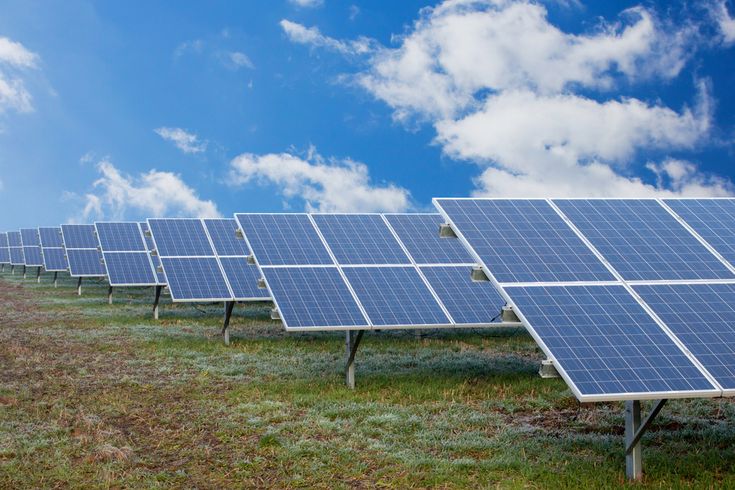
Your electricity bill isn’t going to get smaller on its own. Tariffs are rising almost every year, and every unit you pull from the grid costs a little more than it did last summer. Solar panel installation is one of the few home upgrades that actually pays you back—month after month, for the next 25 years. But the difference between a solar system that quietly cuts your bills for two decades and one that underperforms within a year comes down to exactly one thing: how it’s installed. At KLK Ventures, we’ve spent over 30 years building things that last—starting as K.L. Khanna Gears Industries, manufacturing heavy industrial gears, and evolving into one of the trusted solar companies in India. This guide walks you through exactly what a proper installation looks like, so you know what to expect and what to demand from your installer. What Solar Panel Installation Actually Involves Installation isn’t simply about bolting panels to the roof and walking away. A professional solar installation includes: Site assessment Structural engineering Panel mounting Inverter integration Electrical wiring Safety testing Grid or battery connection Skipping any one of these steps can reduce system performance—or even damage your roof. A reliable solar power company in India manages every stage under one roof, ensuring nothing falls through the cracks. The Solar Panel Installation Process (Step by Step) 1. Site Survey and Load Assessment An engineer evaluates: Roof strength Shadow-free installation area Previous 12 months of electricity bills This determines the correct system size. If the sizing is wrong, the entire system suffers. 2. System Design The installer designs your system based on: Number of solar panels Inverter capacity Wiring layout Mounting angle Regional sunlight conditions Every design should be customized for your property—not copied from another installation. 3. Approvals and Net Metering Your installer submits the required applications to your local DISCOM for net metering. This allows surplus electricity generated by your solar system to be exported to the grid, earning energy credits. 4. Mounting and Wiring The installation team: Mounts panels at the optimal tilt angle Installs the inverter Completes code-compliant electrical wiring Proper installation during this stage has the biggest impact on long-term performance. 5. Testing and Commissioning Before activation, the system undergoes: Electrical safety testing Performance verification Final commissioning This ensures the system is not just installed—but installed correctly. 6. Maintenance That Protects Performance Dust accumulation alone can reduce solar efficiency by 15–25%. To maintain optimal performance: Clean panels every 15–20 days Schedule one professional inspection annually Small maintenance habits protect a long-term investment. Why Your Installer Matters More Than the Solar Panel Brand Many solar problems begin with poor installation rather than poor equipment. An experienced solar company in India provides: System sizing based on actual electricity consumption Certified components with manufacturer warranties Compliance with electrical and safety regulations Accurate net metering documentation Reliable long-term after-sales support Choose an installer that will still support your system years after installation. Choose the Right Solar System System Type Best For Battery Required On-Grid Urban homes with reliable grid supply No Off-Grid Remote areas with frequent power cuts Yes Hybrid Homes needing backup power and bill savings Yes Explore KLK Ventures’ on-grid and off-grid solutions to determine the best option for your property. Solar Installation Cost and Return on Investment The total installation cost depends on: System capacity Solar panel quality Roof structure Battery requirements Government subsidy programs under the Ministry of New and Renewable Energy (MNRE) can significantly reduce the upfront investment. For a detailed cost breakdown, refer to our guide on Solar Panel Installation Cost in India, including expected payback periods for different household sizes. The Bottom Line A solar system is only as good as the people who install it. Every shortcut taken during installation eventually appears as: Lower electricity savings Reduced panel lifespan Roof damage Increased maintenance costs Carry out a proper load assessment, choose certified components, and partner with a trusted solar power company in India that provides long-term support—not just installation. Ready to switch to solar? Talk to KLK Ventures for a professional site assessment and a solar solution designed around the way you actually use electricity. Frequently Asked Questions 1. How long does solar panel installation take? A typical residential installation takes 3–7 days once approvals are in place, depending on system size and roof complexity. 2. Do I need government approval to install solar panels? Yes. Grid-connected systems require net metering approval from your local electricity distribution company (DISCOM). 3. What roof type is best for solar panels? Flat concrete (RCC) roofs are the easiest to work with, but sloped and metal roofs can also be fitted using the right mounting structures. 4. Can solar panels be installed on old buildings? Yes, as long as a structural inspection confirms the roof can safely bear the added load. Page 2 of 35 5. How much maintenance does a solar system need after installation? Very little — cleaning every 15–20 days plus one annual inspection is usually enough to keep output steady. 6. Is it better to go with a local solar company in India or an international brand? A local, established solar company in India usually means faster service response, simpler warranty claims, and installers who already know the local grid and subsidy rules inside out.
How Solar Energy Can Reduce India’s Electricity Bills
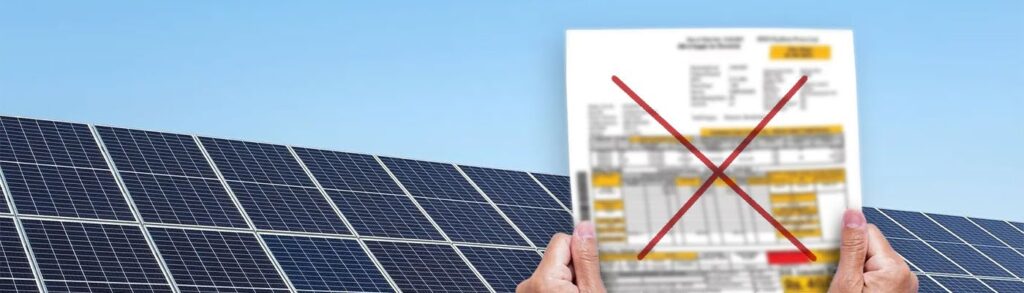
Electric bills in India are rising, and many households and businesses are feeling the pinch. But there was a bright solution, solar energy is becoming one of the smartest ways to cut down on your power costs. In fact, more and more Indians were turning to the sun to reduce their dependence on the grid and save money. But how exactly can solar energy reduce electricity bills? Let’s break it down in simple terms, with real-life examples and useful facts, so you could see if going solar was the right move for you Why Electricity Bills Are a Growing Concern in India Before we dive into the benefits of solar, let’s talk about why electricity bills are such a big issue in the first place. Rising tariffs: Over the past few years, state electricity boards have increased residential and commercial power tariffs to meet growing demand. Power loss and inefficiencies: Many parts of India face frequent outages, which force people to rely on inverters and diesel generators, adding to their costs. Air conditioning and appliances: As more households upgrade their lifestyle with ACs, washing machines, and smart TVs, power consumption keeps climbing. If your monthly electricity bill is anywhere between ₹2,000 to ₹10,000 or more, solar could make a serious difference. How Does Solar Energy Work? Solar energy uses sunlight to generate electricity through photovoltaic (PV) panels installed on rooftops or open land. This electricity powers your home or business. There are two main types of solar setups: Grid-tied systems: These are connected to the electricity grid. When your solar panels produce more than you need, the extra energy goes back to the grid, and you may receive credits or payments (called net metering). Off-grid systems: These work independently and use batteries to store energy for use at night or during power cuts. Either way, the main idea is simple: you generate your own power, reducing what you need to buy from your utility company. How Solar Energy Reduce Electricity Bills in India Let’s get to the heart of it, how solar helps you save money on electricity. 1. You Produce Your Own Electricity Once your solar panels are installed, they start generating electricity using free sunlight. That means: Less reliance on grid electricity Smaller monthly bills Over time, the savings add up 2. Net Metering = Monthly Savings In many Indian states, net metering allows you to sell excess electricity back to the grid. This means: Your electricity meter runs backward when you send power to the grid You get credits that lower your bill In some cases, you can even bring your bill down to ₹0 3. Low Maintenance Costs One of the best things about solar panels is that they don’t require much maintenance. Occasional cleaning (to remove dust and leaves) Annual checks by a technician Compare this to the ongoing cost of running diesel generators or inverters, and solar becomes even more affordable. 4. Protection from Rising Tariffs Electricity prices aren’t going down anytime soon. But when you install a solar system: You lock in your energy cost (essentially ₹0 for solar power) You protect yourself from future price hikes This long-term predictability is a big financial win, especially for small businesses, schools, and large households. 5. Payback Period and Long-Term Savings While solar systems have an upfront cost, they pay for themselves over time. Here’s an example for a typical home in India: System Size: 3 kW Cost: ₹1.5 – ₹2 lakhs (after subsidy) Monthly Bill: ₹3,000 Monthly Savings: ₹2,500-₹3,000 Payback Period: 4-5 years Lifespan: 25 years So after 4-5 years, you’re essentially getting free electricity for 20+ years! Government Subsidies and Support To make solar more affordable, the Indian government offers several incentives: Subsidies under PM Surya Ghar Muft Bijli Yojana (2024-25) Up to ₹94,000 subsidy for a 3kW rooftop system Direct transfer to your bank account after installation Available for residential users across India Other Incentives: Net metering as mentioned earlier GST reduction on solar equipment (down to 5%) Soft loans through nationalized banks These policies make it easier than ever for middle-class households to adopt solar and save money. How Businesses Are Using Solar to Cut Costs It’s not just homes benefiting from solar, small businesses and industries are installing rooftop solar systems to slash their operating costs. Industries using solar: Textile units in Surat Dairy farms in Gujarat Cold storage in Punjab Educational institutions across southern India Businesses typically use more power during the day, exactly when solar is most effective. That makes it a perfect match. Is Solar Right for Every Home? While solar has huge benefits, it’s important to see if it suits your specific situation. Good candidates: Homes with a terrace or rooftop space Monthly bills over ₹2,000 Living in areas with plenty of sunlight Planning to stay in the same home for the next 5–10 years Might not be ideal if: You live in a rented house or apartment Your roof is shaded most of the day You have very low power usage In those cases, shared community solar or group housing solar projects could still be an option. Final Thoughts: Start Saving with the Sun If you’re serious about lowering your electricity costs, solar isn’t just a smart idea, it’s an investment. With falling panel prices, generous government subsidies, and rising power bills, there’s never been a better time to go solar. To sum up, here’s how solar energy reduces electricity bills in India: Generates free electricity from sunlight Cuts down your grid power usage Lets you earn credits via net metering Offers long-term protection from rising tariffs Pays back in a few years and keeps saving for decades
Myths About Solar Panels: Facts You Need To Know
Solar energy is reaching far and wide as the years pass by and for all the right reasons. However, some people in India still hesitate to adopt the technology because of the myths attached to it. In this blog, we will address all the myths about solar panels so that you get a clear understanding of them. Solar panels are one of the greatest advancements we have, considering all the environmental benefits of solar energy. Even after that, people step back because of the myths like – “Solar panels don’t work during monsoon”, or “Installing and then maintaining solar panels is too costly”. All these are common misconceptions that hold people back from going solar. It’s time to clear them up with the real facts! Common Myths About Solar Panels There are many myths that people consider to be true about solar panels but in reality, that’s not even half the truth. Let’s begin by addressing the most common ones. Myth 1 – Solar Panels Only Work in Summer or on Sunny Days This is what many people generally think because of the whole concept of “sunlight helping in electricity generation”. Many believe that solar panels only work when the sun is shining. That is only half true about it. Fact: In reality, solar panels don’t stop working completely when it gets cloudy or starts raining. Their efficiency reduces to a certain degree but solar panels make the best use of scattered light. This helps them with electricity generation even during cloudy or rainy days. The panels won’t stop working fully unless it gets completely dark. Myth 2 – Solar Panels are Too Costly Gone are the days when solar technology was new and costly. Times have changed now and people are slowly learning all about the wonderful solar technology. However, it’s understandable why people would have this misconception about solar panels. Fact: It may be slightly costly to make the initial investment. But a number of government initiatives make solar energy really accessible to the general public. Also, it proves to be financially beneficial in the long run. How? Well, you won’t need to depend on the electricity grid and the bills will drop. You will start saving more and also contribute to the environment. Myth 3 – Solar Panels Require High Maintenance People worry about solar panels being “high-maintenance”. They think solar panels require constant cleaning and repairs, making them costly. But that’s not the truth. Fact: Solar panels are built to last 20-25 years easily. And because they have no moving parts, there will be no wear or tears. And the thing about maintenance is that, like all things, they need a little bit of cleaning. You just have to remove dust, leaves, or bird droppings for them to function fully. Maintaining them is simple and the efficiency they offer is worth it. Solar energy systems are really durable and reliable. Myth 4 – Solar Panel Installation Damages the Roof(H3) The idea that solar panel installation can harm the roof is yet another myth. Many believe that the installation is difficult and may involve a lot of drilling, which may damage the roof. Fact: By choosing a good solar company and skilled professionals, you will be able to set up your solar system without causing any damage to the roof. And not to mention the shade from solar panels actually protects the roof materials from debris and rain. Myth 5 – Solar Panels Aren’t Reliable Some people believe that solar power only works when the sun shines the brightest. It’s somewhat true that as the night falls, there won’t be any energy generation. But technology has the solution for it. Fact: Modern solar systems come with solar battery storage that lets you store excess energy produced during the daytime for later use. And if there’s no battery system, then many of them are connected to the grid. This means you can draw electricity from the grid in times of need and even send the surplus back and earn credits! Myth 6 – Solar Panels Don’t Last Long One of the myths about solar panels is that they don’t really last long and work only for a few years. However, the reality is a far different one. Fact: We all know how solar technology is rapidly advancing, and because of that, durability is a gift. Solar systems are made to last more than 25 years which is a great investment. So, now you won’t have to worry about the system failing. All they need is a little maintenance and care and they won’t disappoint you! Myth 7 – Switching to Solar is Complicated(H3) Many think of going solar as a complicated, technical process. Fact: Reality is that with the best solar panel company, everything becomes easy. The professional team will handle everything in the best way possible. Also, with the Annual Maintenance Contract, even the maintenance becomes easy! Myth 8 – Solar Panels Take Up Too Much Space(H3) People believe that installing solar panels will cover whole fields or large factories. But that’s not true. Fact: For most homes, rooftops are enough. With proper solar mounting structures, you don’t need to worry about the panels taking up too much space. If you plan to install solar panels in your home, your roof will be a perfect place. Why Do Solar Panel Myths Exist? All the myths we hear about are based on outdated information from years ago. Back then, solar energy wasn’t as prevalent as it is now. Also, the shortcomings of solar technology added to the “myths”. However, as time passed by, the technology developed into something so powerful that many people and businesses in India continue to adopt solar energy. Solar Panel Benefits Beyond the Myths Installing solar panels proves to be more beneficial than the myths give credit for. We just need to look beyond the myths about solar panels. Solar Panels help people save on electricity bills. By generating your own energy, you
Solar-Powered Public Transport Initiatives in India
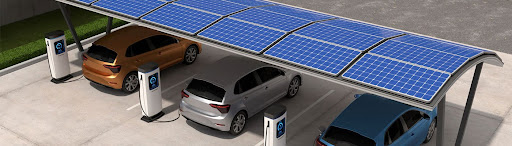
We can witness our cities getting crowded and roads getting busier. This causes the air to be heavy with smoke and dust which is just not right for our environment. However, everything begins as a little change and turns into something powerful. Such is the case with solar technology in India. India is adopting solar energy in various areas, slowly but surely. It includes solar powered public transport in India, too. These are the cleaner and safer alternatives to the fuel. It will not only help in eliminating pollution but also save our natural resources. For Indian roads, filled with vehicles running on fuel and electricity, there’s only one solution: going solar. Why Public Transport Needs to Go Solar We can’t imagine India without public transport. It serves as the foundation for Indian mobility. Hundreds of buses, autorickshaws, trains, and bicycles are visible on the roads as soon as you set foot out. The only sad part is that these run on fossil fuels which contribute to the air’s high level of toxicity. According to several studies, transport accounts for nearly 10–15% of India’s carbon emissions. However, luckily for us, there’s a solution for this and that is adopting solar powered public transport in India. We all know that the sun is a clean source of energy and is free. So, if we make use of it, we will not only reduce our carbon footprint but also our dependency on imported oil. Solar Powered Public Transport in India In India, sunlight is in abundance, so we are going to benefit the most. Also, because there are no high fuel prices, people are considering solar power for transportation, too. There’s already a rise in the number of EVs throughout the country, and these initiatives will bring about a change for the better. Electric Buses and Solar Depots: On Indian roads, electric buses are already becoming more and more common. By using electricity, these buses reduce carbon emissions. Adding solar panels for power generation adds the support they need for clean energy. Also, cities in India have begun experimenting with solar depots. This means low fuel costs, a practical and green solution. These depots are great for e-buses that run solely on electricity. And that’s a great thing because mostly people use buses as public transport to move from one place to another. Solar Powered Railway Stations and Passenger Train: India’s initiative towards solar technology has been shifting to trains, too. There are many railway stations in India that are covered with solar panels on the rooftop. The demand for electricity is high, and so is the need for solar. Because the solar panels covered roofs mean electricity generation is made simpler and cleaner. India also has one operational solar-powered DEMU train that runs on the route between Sarai Rohilla (Delhi) to Farrukh Nagar (Haryana). It provides power for lights and fans on its coaches. This initiative encourages the use of solar in the railway sector which would lead to the betterment of the environment in the long run. Solar Boats and Ferries: Public transport in India is not only about roads. In states like Kerala, waterways are just as important as highways. Here, India’s first solar-powered ferry, Aditya, was launched in 2017. Operating in the scenic Alappuzha region, Aditya has since carried lakhs of passengers without using a drop of diesel. Unlike noisy diesel boats, the ferry runs quietly and uses solar panels to fully charge its batteries. It has greatly decreased carbon emissions in the backwaters and saved thousands of litres of fuel. Most importantly, it has proved to the world that solar can work efficiently even in water transport. Ways Solar Can Strengthen Public Transport Lower Lifetime Costs – Solar panel installation can feel too costly, but it pays back over the years. This happens because the electricity bills drop and it also helps save on diesel. Cleaner Air – If the public transport switches to solar, there will be fewer carbon emissions. Solar-powered vehicles will have no tailpipe emissions, which makes it difficult for people to breathe while waiting. Quieter Operations – Solar-charged EVs won’t produce noise pollution like traditional petrol or diesel-powered cars do. This improves the comfort for all. Energy Independence – As the agencies use rooftop solar panels and battery storage, transportation will become more reliable. India has a huge population and public transportation is the best way for people to move around. This means many people depend on it, but the fuel used causes air pollution. However, slowly adopting solar powered vehicles in India, with all the growth in technology, can prove to be beneficial in the long run. The Challenges Ahead High initial investment — Solar panels can get a bit costly to set up, they will require funding. Especially when done on a large scale. Energy storage — Solar Energy storage is still expensive and for large-scale solar projects, they need better efficiency. However, this will improve with new technology. Policy and coordination — Strong support from the government, subsidies and coordination between the transport and Energy departments will be needed. If this happens, a solar-powered future in transportation is not far. The future of solar technology in public transportation isn’t without challenges. However, with advancing solar technology and government support, everything can be managed well. The Road Ahead The future of solar powered public transport in India looks bright. There are successful examples like Aditya Ferry and railway stations that encourage the idea. Expanding it to additional cities, towns, and villages is now all that is required. Solar-powered buses and trains will become more common as technology advances. In coastal states, metro networks will add more ferries and panels. With shared vehicles and solar-powered minibuses connecting villages, even rural areas can benefit. Conclusion Solar-powered public transport is not just an experiment anymore – it is becoming a real solution for India’s growing cities and towns. It will take some time, but India’s continued adoption of solar-powered vehicles paves the way
Environmental Benefits of Switching to Solar Energy
Energy has become an important part of our lives. We all use it every single day for all the basic things. But the energy we use comes mostly from fossil fuels like coal and oil which proves to be harmful in the long run. The usage of fossil fuels for electricity generation leads to pollution, climate change and ultimately resource shortages. But the good news is that the world is slowly turning to solar energy. With all the environmental benefits of solar energy, it has emerged as a powerful solution. In this blog, let’s focus on solar energy and how its benefits are helping the environment steadily. How Does Solar Energy Work? The functioning of solar energy is just simple. Solar panels, or photovoltaic (PV) panels, transform sunlight into electricity. When the sun’s rays fall on the surface of the panels, they react with the solar cells and create a current that powers our homes and buildings. The good thing about solar energy is how simple it is and not to forget the environmental benefits of solar energy! You can install solar panels and they will keep generating electricity throughout the years with minimal maintenance. The Environmental Benefits of Solar Energy 1. Solar Power Cuts Greenhouse Gas Emissions When people burn fossil fuels to generate energy, lots of toxic gases are released into the atmosphere. And these gases trap heat and promote climate change. The situation improves when solar energy enters the picture. Power generation is environmentally safe thanks to the sun’s pure and natural energy. In this way you won’t add to the carbon footprint by using solar power to generate electricity. 2. It Saves Precious Natural Resources Some of the natural resources, like Coal, oil, and gas, that the Earth provides us are not unlimited. Once they get completely used, they will be gone forever. So, to save them, switching to solar energy is the key. Because it relies on the sunlight which is free and endless, there’s no way it will deplete. 3. Solar Uses Almost No Water We know that most of the traditional power plants need large amounts of water to cool machinery and generate steam. This is putting pressure on lakes, rivers and drinking water resources. Conversely, we have solar panels that do not necessarily require water to produce electricity. This is why going solar is a safe and sound option, particularly in regions that experience water shortages! 4. Cleaner Air for Everyone The primary cause of the increase in air pollution is the burning of fossil fuels. Breathing issues, asthma, and even lung diseases result from this. We can improve the air quality by using solar panels. They produce electricity without causing air pollution because sunlight is a clean and renewable energy source. 5. Preserving Wildlife and Ecosystems Fossil fuel extraction is a difficult process that requires core drilling. The process of extracting fossil fuels is complex and involves digging earth to the core. This presents a great risk to forests, grasslands and rivers. This may even harm the wildlife and ecosystem in that area. Solar systems, on the other hand, get installed on rooftops or unused land. This not only benefits people but also saves nature. 6. Greener Cities and Communities As people continue moving to cities, rapid development is resulting in high energy demand. But this creates a pathway for environmental harm and pollution. However, cities can produce clean energy by lowering their carbon footprints through the use of rooftop solar panels. In this way solar energy turns out to be a boon for cities. 7. Proper Land Use People are using land wisely as solar technology spreads widely. People are installing solar panels on rooftops, in parking lots and on vacant land. This prevents land degradation and disturbance of habitat. 8. Solar Helps Fight Climate Change The ability of solar energy to combat climate change is its greatest environmental advantage. Individuals who use solar energy as their primary source will be less reliant on fossil fuels. And because solar power is clean and green, there will be no consequences for the environment. Also the lowering of greenhouse gases will eventually bring the rising temperatures down. Should You Go Solar? Now if you’re wondering about switching to solar energy, you should consider a lot of other reasons. Apart from the environmental benefits of solar energy, there are many reasons to go solar. Let’s go through the reasons why solar panels are beneficial. Lower Electricity Bills — Even though the cost of installation is high, the financial benefits in the long run are worth it. As the sun keeps shining, your solar panels will keep generating free electricity throughout the years. This will lower your electricity bills to a great extent. Increase in Property Value — There is a high demand for homes and properties with solar panel systems. Buyers consider these houses as valuable, and that’s why these properties sell faster. Energy Dependence — With solar panels, you will rely less and less on power companies for electricity. As you will be generating your own electricity and even storing it for later use, you can go fully off-grid. Low Maintenance Costs — Solar panels require very little maintenance because they have fewer moving parts. They will function flawlessly for years if you just check them every few months! Future of Green Energy with Solar Because of the government’s and solar panel companies’ ongoing efforts, solar energy appears to have a bright future. Additionally, the environment will benefit if more and more people continue to use solar energy. Solar will make electricity cleaner and more affordable. This will help even small homes and villages get reliable power without depending on the grid. Solar-Powered Public Transport will be on the rise which will lessen the air pollution while also reducing fuel costs. As solar storage develops, there will be no chance of blackouts during nighttime as electricity will be available all the time. It will also help with job creation and empower
Types Of Solar Energy
Types Of Solar Energy Home Blogs With the world rapidly changing, interest in renewable resources is growing more and more. There are different ways people are turning to help themselves as well as the environment. Solar Energy is one of those beneficial ways out of the never-ending vicious cycle of using depleting energy sources. The Sun being a vital source of renewable energy offers sustainable and environmentally friendly alternatives to fossil fuels. Knowing the different types of solar energy serves to inform people of the best options available to them for the accurate utilization of this priceless resource. So what actually is solar energy? Solar energy is the radiation from the sun responsible for generating heat and electricity. The ever-evolving technologies present harness this energy for different purposes which include generating electricity, for commercial or industrial use and in daily life. Different Types of Solar Energy Exploring the types of solar energy enables one to determine the best choice for electricity needs, heating, or even energy storage, thus making the use of solar power a strategically beneficial investment for the clean future. Solar Photovoltaic (PV) Energy Solar energy is trapped through photovoltaic (PV) cells or solar thermal collectors. These PV cells help in converting sunlight directly into electricity. When sun rays fall on the cells, it creates a flow of electric current. You will commonly find this technology in solar panels installed in places using up solar energy like rooftops or farms. Solar Thermal Energy Another way of making good use of solar radiation is through Solar thermal technology. It involves trapping and concentrating sunlight to generate heat. This heat is then further used for heating purposes or converted into electricity. This further divided into two types High-Temperature Solar Thermal: You will generally find the use of them in large-scale power plants to generate electricity. Low-Temperature Solar Thermal: These are often used in places like homes or buildings for small tasks like heating water or generating electricity for lamps. Concentrated Solar Power Mirrors like a plane and parabolic mirrors are arranged to achieve the directing and converging of sun rays. Lenses like Converse lenses are also used. The mirror will force the rays to a receiver which in turn heats a fluid. The steam obtained is used to drive turbines producing energy. The best part of it is that it can store the heat energy for cloudy days or nighttime. Passive Solar Energy This refers to the use of sun rays directly to heat the required surface without incorporating any technologies or mechanical systems. The innovative architecture and design itself suffice for the tapping of heat energy. Buildings and places are designed in a way they absorb and are exposed to plenty of sunlight. This involves the use of glass facing the sun to absorb heat or other thermal materials. Hybrid Solar Energy As the name suggests, hybrid solar energy mixes two or more types of the above-mentioned solar energy systems to create the best-suited one for you. For example, concentrated solar energy is often merged with others to increase productivity or customise a system that best caters to needs. Applications of Solar Energy Solar energy is the need of the hour. It’s helpful to overcome issues of global warming to a large extent. This concept can be applied varyingly. The applications of solar power are broad and adaptable which makes it easily usable across various areas of a home, business, or manufacturing facility. 1. Due to solar energy electricity is generated which is vital in today’s world. This energy is used to power small houses or organisations. 2. Solar energy has been adapted to be used for running appliances like solar cookers, solar geysers, etc. Assists in water heating and ventilation. 3. Solar lighting can be used not only for homes but factories, offices, street lights, etc. Solar-powered pumps can be used by farmers to pump water in their fields. 4. Solar energy can be stored in batteries to add the advantage of portability and make it accessible despite odd hours and places. 5. Solar energy used as a solar furnace is good enough to operate industrial work of melting metals, producing energy at a large scale. Air conditioners can also be powered with this. 6. Solar energy can be used to charge electric vehicles, safeguarding the environment. Solar power can be used to power big generators. 7. From the smallest tasks like charging phones to driving big-scale turbines for power synthesis, solar energy can meet most of the ends. Benefits of Solar Energy Renewable and Abundant Due to the sun being the source, the energy supply is inexhaustible. It is abundant and you won’t run out of it as long as the earth has the sun shining. Easily Accessible As the sun shines almost everywhere on this planet, solar energy is easy to access. Especially in remote areas where it might be difficult to get other means of development, the sun is always a good option to consider. Environmentally Friendly Solar energy does not lead to the emission of harmful gases or pollutants which helps reduce carbon footprint. Solar energy is a better alternative to the depleting resources which cause harm to the environment. Economic Benefits Manpower is needed for projects so when it comes to setting up these big solar power plants people are needed. All of this provides job opportunities to people. Independent Source Solar energy is sufficient on its own to operate the desired system. It doesn’t rely on other energy sources, hence retaining its renewable and eco-friendly features. Cost-effective Investment in solar energy is a one-time golden decision. Apart from the initial costs, maintenance and repairs don’t cost much yearly. Government subsidies are available for solar panel installation and choosing this also reduces your electricity bill. Diverse Usage Solar energy can be creatively employed in small domestic as well as corporate units to perform various tasks. This makes it not confined to just one or two applications. Conclusion KLK Ventures is the go-to place for your solar installations.