
Solar Panel Installation: A Complete Guide for Indian Homes and Businesses
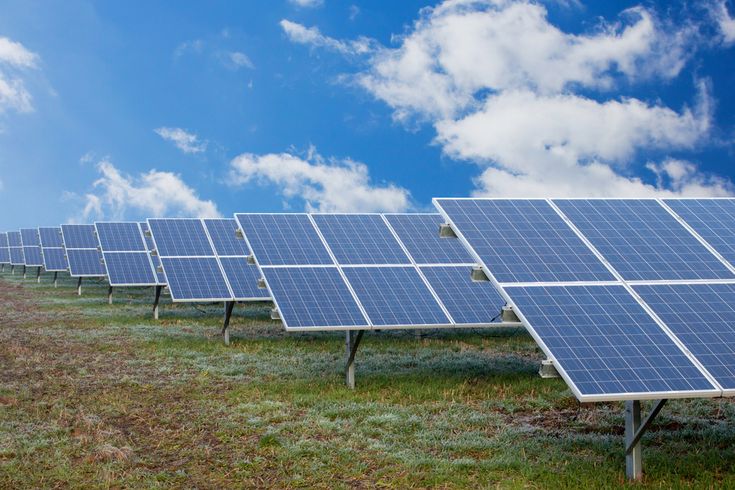
Your electricity bill isn’t going to get smaller on its own. Tariffs are rising almost every year, and every unit you pull from the grid costs a little more than it did last summer. Solar panel installation is one of the few home upgrades that actually pays you back—month after month, for the next 25 years. But the difference between a solar system that quietly cuts your bills for two decades and one that underperforms within a year comes down to exactly one thing: how it’s installed. At KLK Ventures, we’ve spent over 30 years building things that last—starting as K.L. Khanna Gears Industries, manufacturing heavy industrial gears, and evolving into one of the trusted solar companies in India. This guide walks you through exactly what a proper installation looks like, so you know what to expect and what to demand from your installer. What Solar Panel Installation Actually Involves Installation isn’t simply about bolting panels to the roof and walking away. A professional solar installation includes: Site assessment Structural engineering Panel mounting Inverter integration Electrical wiring Safety testing Grid or battery connection Skipping any one of these steps can reduce system performance—or even damage your roof. A reliable solar power company in India manages every stage under one roof, ensuring nothing falls through the cracks. The Solar Panel Installation Process (Step by Step) 1. Site Survey and Load Assessment An engineer evaluates: Roof strength Shadow-free installation area Previous 12 months of electricity bills This determines the correct system size. If the sizing is wrong, the entire system suffers. 2. System Design The installer designs your system based on: Number of solar panels Inverter capacity Wiring layout Mounting angle Regional sunlight conditions Every design should be customized for your property—not copied from another installation. 3. Approvals and Net Metering Your installer submits the required applications to your local DISCOM for net metering. This allows surplus electricity generated by your solar system to be exported to the grid, earning energy credits. 4. Mounting and Wiring The installation team: Mounts panels at the optimal tilt angle Installs the inverter Completes code-compliant electrical wiring Proper installation during this stage has the biggest impact on long-term performance. 5. Testing and Commissioning Before activation, the system undergoes: Electrical safety testing Performance verification Final commissioning This ensures the system is not just installed—but installed correctly. 6. Maintenance That Protects Performance Dust accumulation alone can reduce solar efficiency by 15–25%. To maintain optimal performance: Clean panels every 15–20 days Schedule one professional inspection annually Small maintenance habits protect a long-term investment. Why Your Installer Matters More Than the Solar Panel Brand Many solar problems begin with poor installation rather than poor equipment. An experienced solar company in India provides: System sizing based on actual electricity consumption Certified components with manufacturer warranties Compliance with electrical and safety regulations Accurate net metering documentation Reliable long-term after-sales support Choose an installer that will still support your system years after installation. Choose the Right Solar System System Type Best For Battery Required On-Grid Urban homes with reliable grid supply No Off-Grid Remote areas with frequent power cuts Yes Hybrid Homes needing backup power and bill savings Yes Explore KLK Ventures’ on-grid and off-grid solutions to determine the best option for your property. Solar Installation Cost and Return on Investment The total installation cost depends on: System capacity Solar panel quality Roof structure Battery requirements Government subsidy programs under the Ministry of New and Renewable Energy (MNRE) can significantly reduce the upfront investment. For a detailed cost breakdown, refer to our guide on Solar Panel Installation Cost in India, including expected payback periods for different household sizes. The Bottom Line A solar system is only as good as the people who install it. Every shortcut taken during installation eventually appears as: Lower electricity savings Reduced panel lifespan Roof damage Increased maintenance costs Carry out a proper load assessment, choose certified components, and partner with a trusted solar power company in India that provides long-term support—not just installation. Ready to switch to solar? Talk to KLK Ventures for a professional site assessment and a solar solution designed around the way you actually use electricity. Frequently Asked Questions 1. How long does solar panel installation take? A typical residential installation takes 3–7 days once approvals are in place, depending on system size and roof complexity. 2. Do I need government approval to install solar panels? Yes. Grid-connected systems require net metering approval from your local electricity distribution company (DISCOM). 3. What roof type is best for solar panels? Flat concrete (RCC) roofs are the easiest to work with, but sloped and metal roofs can also be fitted using the right mounting structures. 4. Can solar panels be installed on old buildings? Yes, as long as a structural inspection confirms the roof can safely bear the added load. Page 2 of 35 5. How much maintenance does a solar system need after installation? Very little — cleaning every 15–20 days plus one annual inspection is usually enough to keep output steady. 6. Is it better to go with a local solar company in India or an international brand? A local, established solar company in India usually means faster service response, simpler warranty claims, and installers who already know the local grid and subsidy rules inside out.
New Solar Energy Storage Ideas
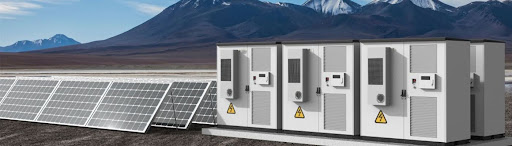
Solar energy is no longer just about panels on a roof. These days, it’s about what happens after the sun goes down. That’s where solar energy storage innovations come in and this year has already seen some major breakthroughs that could change how we store and use solar power. If you’re a homeowner, a tech geek, or just someone curious about the future of energy, this post is for you. We’re breaking down the coolest, smartest, and most game-changing advances in solar energy storage that are happening right now. Why Solar Energy Storage Matters Before we dive into the new stuff, let’s quickly recap why energy storage is such a big deal. Solar panels only produce electricity when the sun is shining. That’s great during the day, but what about evenings or cloudy days? Without a way to store that extra energy, it either gets wasted or sent back to the grid (sometimes at a lower rate than you paid to get it back). With storage, you can: Use solar energy at night Reduce your dependence on the grid Save more money Stay powered during outages That’s why solar energy storage innovations are at the center of the clean energy revolution. 1. Solid-State Batteries Are Gaining Traction One of the most exciting changes this year is the rise of solid-state batteries. These aren’t just better versions of lithium-ion, they’re a totally new approach. What’s New? Traditional batteries use liquid electrolytes, but solid-state batteries use solid materials instead. This makes them: Safer (less risk of fire or leaks) Longer-lasting (more charge cycles) More efficient (less energy loss) Several companies, like QuantumScape and Toyota, are working hard to scale these for home and grid-level solar storage. While still in early production, pilot programs have already started in select regions. Why It Matters: Solid-state batteries could last 2–3 times longer than traditional lithium batteries and offer faster charging. That’s huge for both homeowners and solar farms. 2. Iron-Air Batteries: Long Duration, Low Cost Another big player this year in the solar storage world? Iron-air batteries. These are designed for long-duration storage, like 100 hours or more, at a cost much lower than lithium-ion. How Do They Work? Iron-air batteries “breathe” oxygen from the air to convert iron into rust, storing energy in the process. When power is needed, the rust is converted back to iron, releasing energy. Who’s Making It Happen? A company called Form Energy is leading the charge, with large-scale installations being planned across parts of the U.S. Why It Matters: While they’re not for daily home use yet, iron-air batteries could help entire communities store renewable energy for days at a time, especially useful during storms or multi-day outages. 3. Hybrid Inverter + Battery Systems Traditionally, inverters and batteries were two separate components. This year, we’re seeing a rise in hybrid systems that combine both in one smart unit. What’s the Big Deal? Simplified installation Lower total cost Better communication between components More efficient energy management Companies like SolarEdge and Enphase have released all-in-one systems that include a battery, inverter, and energy management software. Why It Matters: This makes home solar storage systems more user-friendly, especially for people who want clean energy but aren’t “techy.” 4. AI-Powered Smart Batteries Artificial intelligence isn’t just for chatbots and self-driving cars anymore. AI is making solar batteries smarter and more efficient. How It Works: AI software inside the battery system analyzes: Your energy usage habits Weather forecasts Utility rates Then it automatically charges or discharges the battery at the best time to save money or maximize efficiency. Brands to Watch: Tesla Powerwall+ with “Time-Based Control” Sonnen EcoLinx with smart home integration Why It Matters: AI-driven batteries help homeowners get more value from solar without needing to constantly tweak settings. 5. Grid-Connected Community Storage Here’s a trend that’s growing fast: community-scale solar batteries. Instead of every home having its own system, neighborhoods or apartment complexes can share one large battery. What’s Changing? Utility companies and local governments are investing in shared energy storage It allows renters and lower-income households to benefit from solar too Pilot programs in states like California, Texas, and Massachusetts are already underway Why It Matters: Not everyone can afford their own battery, but shared systems could make clean energy more accessible and equitable. 6. Second-Life EV Batteries for Solar Electric vehicle batteries don’t just die and get thrown away. This year more companies are giving EV batteries a “second life” as home or grid-level solar storage. What’s the Benefit? Even when an EV battery is no longer strong enough for a car, it can still hold plenty of charge for home use. Real-World Example: Nissan is working on repurposing old LEAF batteries for home solar systems in Japan and Europe. BMW has a similar program for larger installations. Why It Matters: This reduces battery waste and brings down the cost of solar storage, good for your wallet and the planet. 7. Thermal Energy Storage Not all solar energy needs to be stored as electricity. One surprising innovation? Thermal energy storage, which stores excess energy as heat. How It Works: Systems store heat in materials like: Molten salt Sand Water Then they release that heat later to generate power or warm buildings. Cool Projects: Sand battery technology in Finland (yes, it’s real!) Molten salt towers used in solar power plants in the U.S. and Spain Why It Matters: Thermal storage is ultra-stable, low-cost, and scalable. It might not fit in your garage, but it’s a great solution for industrial and community-scale solar projects. What These Innovations Mean for You If you already have solar panels or are thinking about getting them, the latest solar energy storage innovations are making it easier than ever to go fully renewable. Here’s how they help: More reliable power at night or during outages Cheaper options for all types of households Smarter tech that works behind the scenes Better environmental impact with fewer wasted resources Even if you’re not upgrading right away, it’s good to