
Solar Panels Cleaning Properly: A Complete Guide
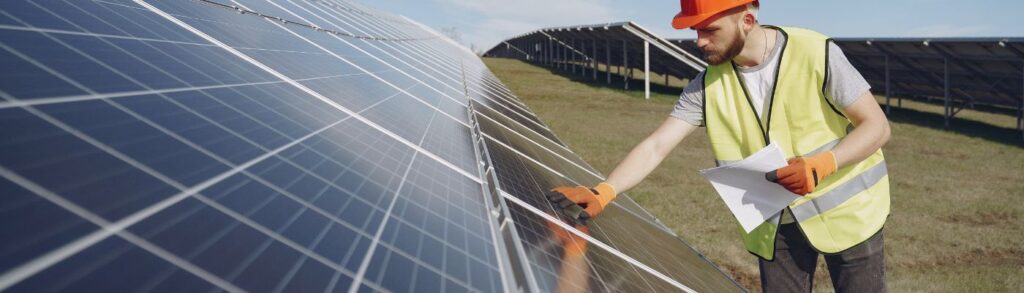
Keeping your solar panels clean might sound like a small task, but it plays a big role in how well your solar system performs. Dust, pollen, bird droppings, and pollution can slowly build up on the surface of panels, blocking sunlight and lowering energy output. A lot of homeowners don’t think about solar panel cleaning until they start noticing a drop in performance and by then, they’ve already lost a chunk of free energy. This complete guide walks you through how to clean solar panels, when to do it, which mistakes to avoid, and how to keep your system working at its best. The goal here is simple: to give you clear, practical advice that actually helps. No fluff or complicated jargon, just real insights explained in an easy way. Why Solar Panel Cleaning Matters Most solar panels don’t have moving parts, which makes them low-maintenance. But “low-maintenance” doesn’t mean “no maintenance.” Dirt buildup affects solar performance more than most people realize. How dirt affects efficiency Studies from the National Renewable Energy Laboratory (NREL) show that dirty panels can lose anywhere between 5% to 25% of their output depending on the environment. In areas with heavy dust or pollution, the loss can be even higher. Common things that lower PV efficiency include: Dust and sand (especially in dry climates) Pollen, which sticks like glue during certain seasons Bird droppings, which block light completely Leaves and debris from nearby trees Pollution residue from traffic or industries Hard water stains if panels are hosed down improperly When sunlight can’t reach the cells inside the panel, the system simply can’t create as much electricity. How Often Should You Clean Solar Panels? There’s no single rule that fits everyone, because it depends on your environment. But here’s a simple guideline: Recommended cleaning frequency Urban areas: Once every 6 months Rural or agricultural zones: Every 3–4 months Coastal regions: Every 2–3 months (salt residue builds up faster) Industrial areas: Every 2–3 months Very dusty regions: Monthly cleaning may be needed A good habit is to check your solar production data. If you suddenly see a noticeable drop in output (and weather is normal), it may be time to clean the panels. Should You Clean Solar Panels Yourself or Call a Professional? Before jumping into PV panel cleaning, decide whether it’s something you want to do yourself. DIY cleaning is good if: Your roof is safe and easy to access You’re comfortable using basic cleaning tools The dirt buildup is mild (dust, pollen, light dirt) Your system warranty does not forbid self-cleaning Professional cleaning is better when: Your roof is steep, high, or slippery There is thick or stubborn dirt buildup You have hard water that may leave stains Your panels have not been cleaned in over a year Your warranty requires professional service Most installation companies recommend at least one professional cleaning per year to maintain performance and warranty compliance. How to Clean Solar Panels: Step-by-Step Cleaning solar panels isn’t complicated, but doing it safely is the top priority. Whether you’re using a ladder or working on a terrace, take your time and follow proper precautions. Safety First Turn off your solar system before cleaning (as recommended in your user manual). Avoid stepping on the panels, they can crack under pressure. Do not clean during peak sunlight hours; morning or evening is safer. Never use harsh chemicals or abrasive materials. Once safety is covered, here’s how to clean solar panels the right way. 1. Gather the Right Tools You don’t need anything fancy. Most of the tools are common household items: Soft microfiber cloth or sponge Bucket of clean, lukewarm water Mild biodegradable soap (optional) Soft-bristle brush with a long handle Squeegee for drying Hose with low pressure Gloves for better grip Avoid pressure washers, they can damage the panel surface and void your warranty. 2. Rinse the Panels with Water Start by gently rinsing off dust and loose dirt. Think of it like rinsing a car before washing. This helps prevent scratches when you start wiping later. Tip: If possible, use filtered or RO water. Hard water leaves mineral stains that reduce efficiency over time. 3. Use a Soft Sponge and Soap Mix a few drops of mild soap in a bucket of water. Dip the sponge or brush and gently wipe the surface. Avoid circular scrubbing with force, it’s unnecessary and may cause micro-scratches. Soap is optional. Many experts suggest using only water unless the dirt is sticky. 4. Rinse Again Make sure no soap residue remains. Soap film can attract dust faster and reduce light absorption. 5. Dry with a Squeegee This step helps prevent water spots. A long-handle squeegee is safest and gives better control. If some drops remain, let them air-dry, they usually don’t affect performance unless the water is hard. 6. Inspect for Damage Look for signs like: Cracks Burn marks Loose wiring Birds nesting underneath Broken seals If you see anything unusual, call your installer immediately. Common Mistakes to Avoid When Cleaning Solar Panels Many people make simple mistakes that cost them energy or even damage the panels. Avoid these: Cleaning during the hottest hours, sudden temperature changes can crack glass Walking on the panels Using bleach or household detergents with harsh chemicals Using abrasive scrub pads Using high-pressure water jets Cleaning without turning off the inverter Being careful saves money and prevents long-term damage. Can Rain Clean Solar Panels? A light drizzle cannot replace proper solar panel cleaning. Rain actually helps loosen dust, but it also leaves dirty streaks. Think of it like your car windshield, rain alone never makes it spotless. Areas with frequent, heavy rain may require fewer manual cleanings, but they still need periodic washes to maintain performance. Do Solar Panels Have Self-Cleaning Coatings? Many modern panels come with hydrophobic coatings. These help water slide off more easily and reduce dust buildup. But they do not eliminate the need for cleaning. Think of them as an added layer of protection, not a full
How to Clean Solar Panels in the Best way
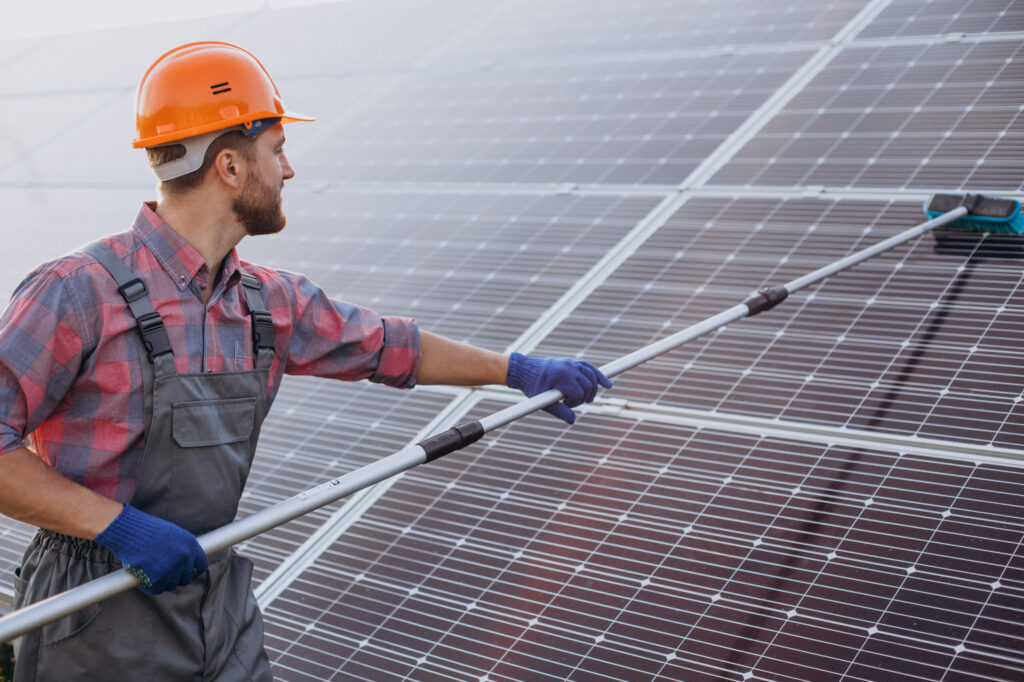
If you’ve invested in solar panels, you already know they’re a great way to save on electricity bills and reduce your carbon footprint. But like anything that lives outside, solar panels can get dirty, dust, bird droppings, leaves, and even pollen can build up over time. And when that happens, your panels can’t absorb sunlight as well, which means they won’t work as efficiently. That’s why learning how to clean solar panels properly, without damaging them is so important. The good news? Cleaning solar panels is easier than you might think. You just need to know what to use, what to avoid, and how often to do it. Let’s break it all down in this simple, step-by-step guide. Why Clean Solar Panels at All? You might be wondering: do solar panels even need cleaning? Won’t the rain take care of that? Well, rain does help, but not completely. According to the National Renewable Energy Laboratory (NREL), dirty solar panels can lose up to 25% of their energy output in some cases. That’s a pretty big drop, especially if you rely heavily on solar for your energy needs. Here are a few common things that reduce panel performance: Dust and dirt from nearby roads or construction Bird droppings (rain doesn’t wash these off easily) Leaves or pollen that sit on the surface Water spots from hard water Keeping your panels clean helps them perform better and last longer. It’s like giving your car a tune-up but much simpler. How Often Should You Clean Solar Panels? This depends on where you live. If you’re in a dry, dusty area or near trees where birds like to hang out, you might need to clean your panels every 3 to 6 months. In cleaner, rainy areas, once a year might be enough. Tip: Check your system’s output regularly. If you notice a drop in energy production that can’t be explained by weather, your panels might just need a cleaning. What You’ll Need Before you learn how to clean solar panels, gather your supplies. You don’t need anything fancy or expensive. Here’s a basic list: A soft brush or sponge with a long handle A bucket of lukewarm water (no hot water) Mild soap or dishwashing liquid (non-abrasive) A soft cloth or squeegee Garden hose with a gentle spray nozzle Optional: safety gear (if your panels are on the roof) Avoid: Pressure washers Harsh chemicals or bleach Scrub brushes or steel wool Abrasive pads These can damage the anti-reflective coating on your panels, which would reduce efficiency. How to Clean Solar Panels (Step-by-Step) Step 1: Turn Off the System Before doing anything, turn off your solar panel system. Check your inverter and any other instructions provided by the manufacturer. This is important for your safety. Step 2: Check the Weather Pick a cool, overcast morning or a day with mild temperatures. Cleaning in direct sunlight can cause water to evaporate too quickly, leaving streaks and spots. Plus, the panels can get hot. Step 3: Remove Loose Debris Use a soft broom or leaf blower to gently remove any leaves, branches, or dry dust. Do this before adding water to avoid making mud. Step 4: Spray With Water Use your garden hose with a gentle spray to rinse the panels. This helps remove most of the loose dirt. Don’t use a pressure washer, it could crack the glass or damage the frame. Step 5: Wash With Soapy Water Fill a bucket with lukewarm water and a few drops of mild dish soap. Use a soft sponge or brush with an extendable handle to gently scrub the panels. Work in small sections. Be careful not to step on the panels, especially if you’re cleaning a rooftop system. Step 6: Rinse Again ls with clean water to remove any soap residue. Step 7: Let Them Air Dry Most of the time, air drying is just fine. But if you have hard water or want a spotless finish, wipe the panels with a soft microfiber cloth or squeegee. What If Your Panels Are on the Roof? If your panels are difficult to reach or on a steep roof, don’t risk your safety. Instead: Use an extension pole for light cleaning from the ground. Hire a professional solar panel cleaning service. They’re trained, have the right equipment, and know how to clean solar panels safely. Things to Avoid When Cleaning To keep your panels safe, don’t: Use high-pressure washers Clean with vinegar, bleach, or other harsh chemicals Scrub with abrasive tools Clean during the hottest part of the day Walk on the panels (ever) Does Cleaning Solar Panels Void the Warranty? Not if you do it right. Most manufacturers encourage gentle cleaning and provide guidelines in the user manual. However, if you damage the panels while cleaning, say, by using a pressure washer or stepping on them, you might void the warranty. Always check your warranty terms first, and when in doubt, contact the installer or manufacturer. Monitoring Panel Performance After Cleaning After cleaning, it’s a good idea to monitor your system’s output for the next few days. You’ll likely notice a boost in performance, especially if your panels were heavily soiled. Some solar systems have monitoring apps that show you daily output. If yours doesn’t, consider installing one, or keep a simple log of your monthly electricity production. Final Thoughts Learning how to clean solar panels is a simple but important part of taking care of your solar energy system. With just a little effort every few months, you can keep your panels working at their best and make sure your investment pays off over time. Whether you decide to clean them yourself or hire a pro, the key is to be gentle, stay safe, and clean regularly.