
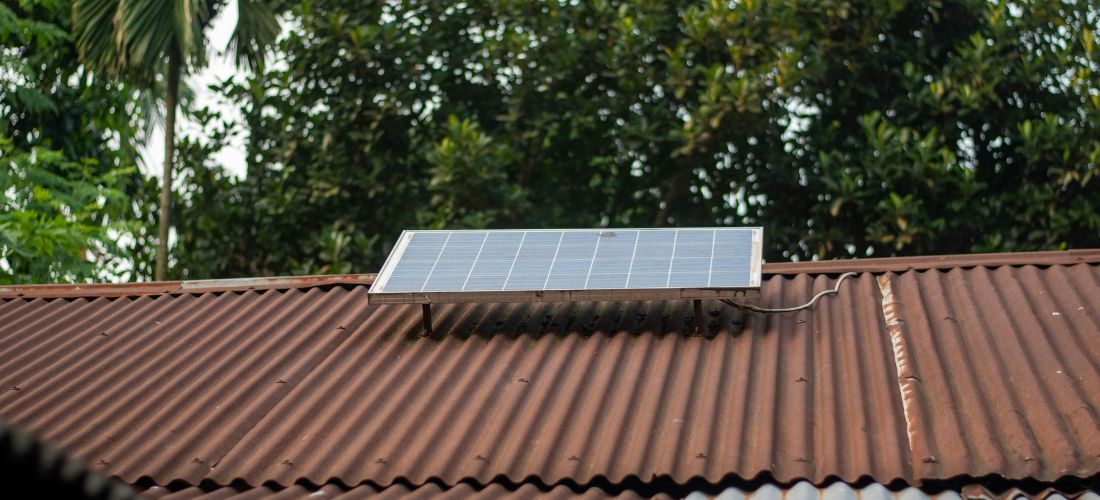
Solar thermal energy is a smart and practical way to use solar energy for heat-related needs. Instead of making electricity directly, solar thermal systems capture sunlight and convert it into heat, which can be used for hot water, space heating, industrial processes, and even electricity generation in some cases. Because it is simple, reliable, and cost-effective, solar thermal technology is widely used across homes, businesses, and industries.
What Is Solar Thermal Energy?
Solar thermal energy is a renewable energy technology that uses sunlight to produce heat. This heat is collected using solar thermal panels (also called solar collectors) and then transferred to water or another heat-carrying fluid. The stored heat can be used immediately or later, depending on the system design.
Unlike photovoltaic (PV) systems, which convert sunlight into electricity, solar thermal energy focuses on heat generation. This makes it especially useful for applications where heat is required directly, such as water heating, space heating, and industrial processes.
Also Know : Commercial Solar System
How Solar Thermal Energy Works
The working process of solar thermal systems is easy to understand and very efficient.
1. Sunlight Capture by Solar Thermal Panels
Solar thermal panels are installed on rooftops or open areas where they receive maximum sunlight. These panels absorb solar radiation and convert it into heat.
2. Heating the Heat Transfer Fluid
Inside the panels, a fluid (usually water, antifreeze solution, or thermal oil) flows through pipes. The absorbed heat raises the temperature of this fluid.
3. Heat Transfer and Storage
The hot fluid moves to a storage tank through natural circulation (thermosyphon) or a small pump. The heat is transferred to water stored in the tank.
4. Heat Usage
The stored hot water or heat is then used for:
- Domestic hot water
- Space heating
- Industrial heating
- Supporting cooling systems (absorption chillers)
- Power generation (in large solar thermal plants)
This entire process uses minimal electricity, making solar thermal energy highly energy-efficient.
Types of Solar Thermal Systems
Solar thermal systems are designed based on temperature needs and applications.
Low-Temperature Solar Thermal Systems
- Used for domestic hot water
- Swimming pools
- Space heating
- Operate below 100°C
Medium-Temperature Solar Thermal Systems
- Used in commercial buildings
- Food processing
- Textile and chemical industries
- Operate between 100°C and 250°C
High-Temperature Solar Thermal Systems
- Used for electricity generation
- Large-scale solar power plants
- Operate above 250°C using concentrated solar power (CSP)
Common Types of Solar Thermal Panels
Flat Plate Collectors
- Most common and affordable
- Suitable for homes and small businesses
- Long lifespan and low maintenance
Evacuated Tube Collectors
- Higher efficiency than flat plate collectors
- Work well in cold climates
- Slightly higher cost but better performance
Concentrated Solar Collectors
- Used in power plants
- Use mirrors to concentrate sunlight
- Generate very high temperatures
Key Benefits of Solar Thermal Energy
1. Renewable and Environment-Friendly
Solar thermal energy uses sunlight, which is unlimited and free. It produces no greenhouse gas emissions during operation, helping reduce air pollution and climate change.
2. High Energy Efficiency
Solar thermal systems can convert 60–80% of sunlight into usable heat, which is much higher than many other renewable technologies.
3. Lower Energy Bills
Using solar thermal panels for hot water can reduce electricity or gas bills significantly, especially in homes and hotels.
4. Low Operating and Maintenance Costs
Once installed, solar thermal systems require minimal maintenance and have low running costs.
5. Long System Life
Most solar thermal panels last 20–25 years with proper maintenance.
6. Works Well with Existing Systems
Solar thermal can be combined with:
- Electric heaters
- Gas boilers
- Heat pumps
This makes it a flexible solution.
7. Energy Independence
By using solar energy, users reduce dependency on fossil fuels and rising energy prices.
Applications of Solar Thermal Energy
Solar thermal energy is highly versatile and used across many sectors.
Residential Use
- Hot water for bathrooms and kitchens
- Space heating in winter
- Solar water heaters
Commercial Buildings
- Hotels and hospitals
- Schools and hostels
- Office buildings
Industrial Applications
- Food processing
- Textile drying
- Chemical manufacturing
- Water desalination
Agriculture
- Greenhouse heating
- Crop drying
- Dairy processing
Power Generation
- Concentrated solar thermal plants
- Hybrid solar power systems
Solar Thermal Energy vs Solar Photovoltaic Energy
Both use solar energy, but their purpose and working are different.
| Feature | Solar Thermal Energy | Solar Photovoltaic Energy |
|---|---|---|
| Main Output | Heat | Electricity |
| Efficiency | High (for heat) | Moderate |
| Best For | Hot water, heating | Power generation |
| Storage | Thermal storage (cheap) | Battery storage (costly) |
| Maintenance | Low | Low |
| Initial Cost | Lower | Higher |
Both technologies complement each other and can be used together for maximum benefit.
Why Solar Thermal Energy Is Still Relevant Today
With rising electricity costs and increasing focus on sustainability, solar thermal energy remains one of the most practical renewable solutions, especially in sunny countries like India.
In real-world usage:
- Homes save money on water heating
- Industries reduce fuel consumption
- Commercial buildings cut operational costs
Solar thermal energy often delivers faster return on investment compared to other renewable technologies.
Cost and Savings of Solar Thermal Systems
Initial Cost
The upfront cost depends on:
- Type of solar thermal panels
- Capacity (liters per day)
- Installation location
Long-Term Savings
- Reduced electricity or gas bills
- Minimal maintenance expenses
- Government subsidies in some regions
Most users recover their investment within 3–5 years, depending on usage.
Maintenance and Durability
Solar thermal systems are known for durability.
Maintenance Requirements
- Annual inspection
- Cleaning panels 2–3 times a year
- Checking insulation and pipes
System Lifespan
- Solar thermal panels: 20–25 years
- Storage tanks: 10–15 years
Proper maintenance ensures consistent performance for decades.
How to Choose the Right Solar Thermal System
Before installation, consider:
- Daily hot water requirement
- Available roof space
- Local climate conditions
- Budget and long-term goals
Consulting a professional installer helps in selecting the most efficient system.
Role of Solar Thermal Energy in a Sustainable Future
Solar thermal energy supports global sustainability goals by:
- Reducing fossil fuel use
- Lowering carbon emissions
- Supporting clean energy transition
When combined with solar energy systems like photovoltaics, it creates a balanced and reliable renewable energy solution.
Solar Thermal Energy and E-E-A-T Perspective
Experience
Solar thermal systems are already in use across homes, hotels, hospitals, and industries, proving their practicality.
Expertise
The technology is based on well-established thermal science and decades of real-world application.
Authoritativeness
Solar thermal energy is recognized by global energy agencies as a reliable renewable energy source.
Trust
With proven performance, long lifespan, and transparent working, solar thermal energy remains a trusted solution.
Final Thoughts
Solar thermal energy is one of the most efficient and practical ways to use solar energy. By converting sunlight directly into heat, it offers high efficiency, low operating costs, and long-term savings. From homes to industries, solar thermal panels provide a reliable, eco-friendly solution that supports energy independence and sustainability.
If your goal is to reduce energy bills, lower environmental impact, and make smart use of renewable resources, solar thermal energy is a solution worth considering-not just for today, but for the future.
