
Renewable energy is no longer a future idea-it’s a real, practical solution, and solar energy is leading the way. When people think about switching to solar panels or a solar rooftop, the first question is usually simple: Which one is right for me?
The answer depends on your roof, budget, power needs, and long-term plans-not just trends.
This guide breaks everything down in clear, simple language so you can make a smart, confident decision without confusion or sales pressure.
Introduction: Understanding Solar Energy Options
As the world moves towards renewable energy, solar energy has become one of the easiest and most reliable ways to generate electricity. In India especially, with high sunlight availability, both solar rooftop systems and solar panels are popular choices for homes, businesses, schools, and factories.
While people often use the terms interchangeably, solar rooftop and solar panels are not exactly the same thing. They serve the same goal—producing clean electricity—but they work differently and suit different needs.
If you’re planning to invest in solar energy, understanding this difference can save you money, time, and future regret.
What Is a Solar Rooftop System?
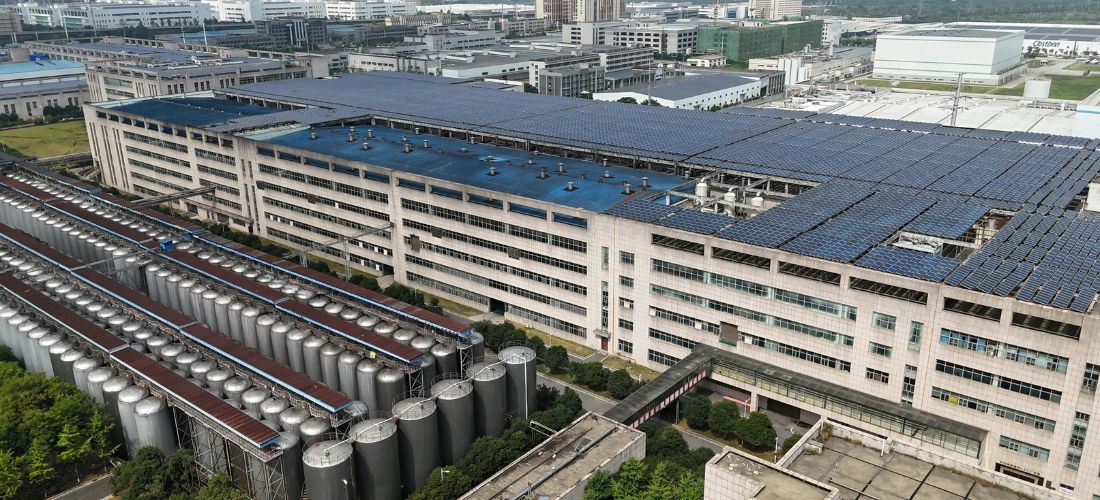
A solar rooftop system is a complete setup installed on the roof of a building to generate electricity using sunlight. It usually includes:
- Solar panels
- Mounting structure
- Inverter
- Wiring and safety equipment
The term solar rooftop refers to the entire system, not just the panels. It means your roof is being used as a power-generating space.
There are two common types of solar rooftop systems:
- Grid-connected (On-grid)
- Off-grid or Hybrid (with battery backup)
Most urban homes and commercial buildings choose grid-connected solar rooftops because they are cost-effective and easy to maintain.
What Are Solar Panels?
Solar panels are the main components of any solar energy system. They are made of photovoltaic (PV) cells that convert sunlight into electricity.
When sunlight hits the panel:
- PV cells absorb sunlight
- Electrons start moving
- Electricity is generated in DC form
- The inverter converts it into AC electricity for daily use
Solar panels can be installed:
- On rooftops
- On ground-mounted structures
- On sheds, parking areas, or open land
In short, solar panels are the tools, and the solar rooftop is the system that uses them.
Solar Rooftop vs Solar Panels: Core Difference
Many people ask: Solar rooftop vs solar panels—what’s the real difference?
Here’s the simplest way to understand it:
- Solar panels are individual units that generate electricity
- Solar rooftop is a complete power system using solar panels installed on your roof
To make it clearer, here’s a simple comparison table.
Solar Rooftop vs Solar Panels: Comparison Table
| Feature | Solar Rooftop System | Solar Panels |
|---|---|---|
| Meaning | Complete solar power setup on roof | Individual power-generating units |
| Includes | Panels, inverter, wiring, structure | Only panels |
| Usage | Direct electricity for home/business | Needs system to function |
| Installation | Planned as a full project | Installed as part of system |
| Best for | Long-term power savings | Flexible energy setups |
| Maintenance | Low, system-based | Depends on setup |
| Scalability | Limited by roof size | Easy to add more panels |
How a Solar Rooftop System Works
A solar rooftop system works quietly in the background once installed:
- Solar panels absorb sunlight during the day
- Electricity flows to the inverter
- Inverter converts power for appliances
- Extra electricity goes to the grid (in on-grid systems)
- You use solar power first, grid power only when needed
This reduces electricity bills and dependence on conventional power.
Benefits of Solar Rooftop Systems
1. Lower Electricity Bills
Solar rooftops significantly reduce monthly power costs. In many homes, bills drop by 60–90%.
2. Better Use of Empty Roof Space
Your roof becomes a productive asset instead of just a shelter.
3. Supports Renewable Energy Goals
Using solar energy reduces carbon emissions and fossil fuel use.
4. Long-Term Investment
Most systems last 25 years or more with minimal maintenance.
5. Net Metering Advantage
In many regions, excess power sent to the grid earns credits.
Benefits of Solar Panels
1. Proven Technology
Solar panels have been used globally for decades and are reliable.
2. Flexible Installation
They can be installed on different surfaces—not just rooftops.
3. Easy to Upgrade
You can add more panels later as energy needs grow.
4. Cost Control
You can start small and expand gradually.
Which Option Is Better for Homes?
For most residential users, a solar rooftop system is the better choice because:
- It’s designed for daily household consumption
- Works smoothly with the electricity grid
- Requires little involvement after installation
However, if you have limited roof space or plan future expansion, focusing on high-efficiency solar panels within a rooftop system is important.
Which Option Is Better for Businesses?
Commercial users usually focus on:
- Power output
- Return on investment
- System scalability
In this case:
- Solar rooftop systems work best for offices, schools, hospitals
- Solar panels with ground mounting suit factories or warehouses
Cost Comparison: Solar Rooftop vs Solar Panels
Below is a basic standard cost range to help you understand pricing. Actual prices may vary depending on location, brand, and installation conditions.
| System Size | Approximate Cost (₹) |
|---|---|
| 1 kW | ₹50,000 – ₹70,000 |
| 3 kW | ₹1.5 – ₹2.1 lakh |
| 5 kW | ₹2.5 – ₹3.5 lakh |
| 10 kW | ₹5 – ₹7 lakh |
Important Factors to Consider Before Choosing
1. Roof Size and Strength
Older roofs may need reinforcement.
2. Sunlight Availability
Shadows from trees or nearby buildings affect performance.
3. Daily Power Consumption
Higher usage needs larger systems.
4. Budget Planning
Initial investment vs long-term savings.
5. Local Policies
Net metering and subsidies vary by state.
Maintenance and Lifespan
- Solar panels last 25–30 years
- Inverters last 8–12 years
- Cleaning panels 2–4 times a year improves output
Maintenance is simple and affordable.
Environmental Impact
By switching to solar energy:
- You reduce carbon footprint
- You support renewable energy adoption
- You reduce dependence on coal-based electricity
A typical 5 kW solar rooftop can offset several tons of CO₂ over its lifetime.
Solar Rooftop vs Solar Panels: Quick Decision Guide
Choose Solar Rooftop if:
- You want complete power savings
- You have enough roof space
- You prefer a long-term solution
Choose Solar Panels (flexible setup) if:
- You plan gradual expansion
- You have open land or sheds
- You need modular energy solutions
Frequently Asked Questions
1. What is the main difference between solar rooftop and solar panels?
Solar panels are components, while a solar rooftop is a complete system installed on a roof.
2. Can I install solar panels without a rooftop system?
Panels need inverters and wiring, so technically they must be part of a system.
3. Is solar energy reliable for daily use?
Yes, especially with grid connection or battery backup.
4. How much roof area is needed for solar rooftop?
Roughly 100 sq. ft. per 1 kW system.
5. Does solar work during power cuts?
Only systems with batteries or hybrid setups work during outages.
Final Thoughts
If your goal is to save money, use clean renewable energy, and make your building future-ready, a solar rooftop system using high-quality solar panels is usually the best option.
Instead of thinking solar rooftop vs solar panels, think of them as parts of one smart energy decision. Choose based on your usage, space, and long-term plans—not just price.
Solar energy is not just about today’s savings; it’s about tomorrow’s security.
Disclaimer
The prices mentioned above are basic and standard estimates for understanding purposes only. Actual costs may vary depending on location, brand, system design, government policies, and installation conditions.
