
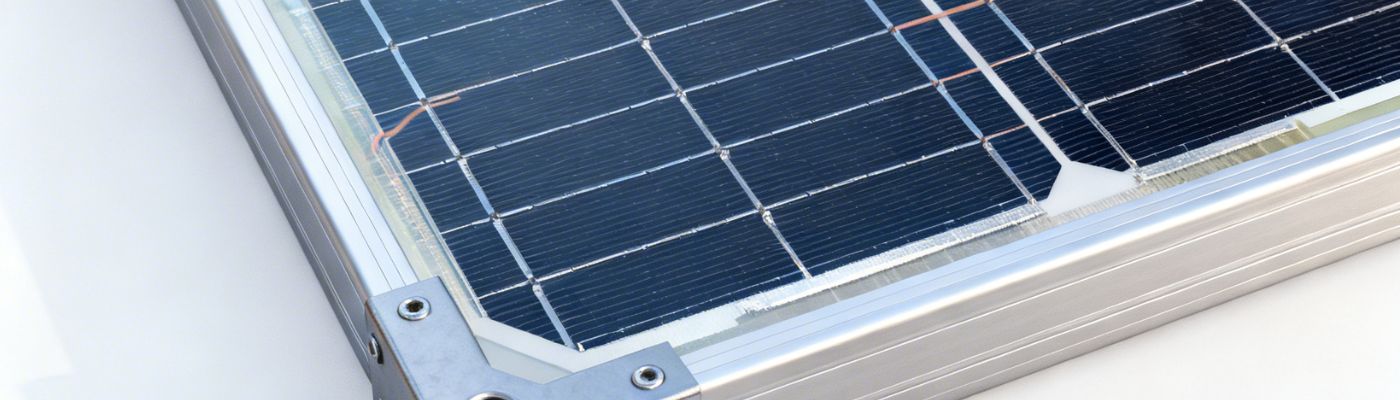
A Solar PV Module is the core component of any solar power system that converts sunlight into electricity. For businesses looking to reduce energy costs and improve sustainability, understanding how a Solar PV Module works is the first step toward making a smart investment.
With rising electricity tariffs and growing pressure to adopt clean energy, many companies are exploring solar solutions. This guide explains everything about Solar PV Module technology in a simple and practical way, especially for business owners, facility managers, and decision-makers.
What Is a Solar PV Module?
A Solar PV Module (Photovoltaic Module) is a panel made up of multiple solar cells that generate electricity when exposed to sunlight. These cells are usually made of silicon, a semiconductor material that reacts to light.
When sunlight hits the solar cells:
- Photons from sunlight strike the silicon surface.
- Electrons start moving due to the photovoltaic effect.
- This movement generates Direct Current (DC) electricity.
- An inverter then converts DC into Alternating Current (AC) for practical use.
In simple words, a Solar PV Module is the device that turns sunlight into usable power for factories, offices, warehouses, hospitals, and commercial buildings.
Most commercial modules today have:
- 60, 72, or more cells
- Power output ranging from 250W to 600W+
- A lifespan of 25 years or more
Basic Structure of a Solar PV Module
A Solar PV Module is not just a glass panel. It is made of multiple protective layers designed for long-term durability.
Here is a simple breakdown:
| Component | Purpose |
|---|---|
| Solar Cells | Convert sunlight into electricity |
| Tempered Glass | Protects cells from weather and impact |
| EVA (Encapsulation Layer) | Protects cells from moisture and dust |
| Backsheet | Provides insulation and protection |
| Aluminum Frame | Gives structural strength |
| Junction Box | Transfers generated electricity safely |
Each layer plays an important role in ensuring performance for 20–30 years, even in harsh weather conditions.
How Does a Solar PV Module Work?
The working principle is based on the photovoltaic effect.
Here’s a simple step-by-step explanation:
- Sunlight falls on the module.
- Solar cells absorb photons.
- Electrons get energized and start moving.
- Movement creates DC electricity.
- Electricity flows to the inverter.
- Inverter converts DC to AC.
- AC power runs machines, lights, and equipment.
In industrial projects, modules are connected in series and parallel combinations to increase voltage and current depending on required power capacity.
Types of Solar PV Modules Used in Businesses
Choosing the right Solar PV Module depends on budget, space, and energy goals.
1. Monocrystalline Modules
- Made from single-crystal silicon
- Higher efficiency (18–23%)
- Better performance in limited space
- Slightly higher cost
Best for: Rooftops with limited space.
2. Polycrystalline Modules
- Made from multiple silicon fragments
- Slightly lower efficiency
- More affordable
Best for: Large rooftop areas where cost is a major factor.
3. N-Type vs P-Type Modules
- P-Type: Widely used, cost-effective.
- N-Type: Lower degradation, higher lifespan, better efficiency.
Many modern industrial installations are shifting toward N-Type due to better long-term performance.
4. Bifacial Modules
- Generate power from front and rear sides.
- Higher energy yield.
- Ideal for ground-mounted systems.
5. Thin-Film Modules
- Lightweight and flexible.
- Lower efficiency.
- Used for special applications.
Read More – types of solar panel india
Key Features of Modern Solar PV Modules
Today’s Solar PV Module technology is far more advanced than it was 10 years ago.
Some important features include:
- PERC Technology for improved efficiency
- Low Light Induced Degradation (LID)
- Better Temperature Coefficient (important for hot climates like India)
- Multi Busbar (MBB) Technology to reduce resistive losses
- PID Resistance for longer life
- Certified under IEC standards
For example, in hot regions where rooftop temperatures can cross 60°C, modules with better temperature coefficients perform more reliably.
Applications of Solar PV Module in Business Projects
Solar PV Module installations are widely used across industries.
Commercial & Industrial Rooftop
- Factories
- Warehouses
- Malls
- Schools
- Hospitals
These systems reduce daytime grid dependency.
Ground-Mounted Solar Plants
Large land-based installations of 1MW or more supply power directly to industrial units.
Solar + Battery Systems
Helps during:
- Grid outages
- Peak demand hours
- Rural operations
Solar Carports
Parking areas covered with Solar PV Module structures generate power while providing shade.
EV Charging Stations
Clean energy for electric vehicle infrastructure.
Real Business Insight: Why Companies Shift to Solar
In many manufacturing units, electricity bills form 20–30% of operational expenses. Installing a Solar PV Module system can reduce that cost significantly.
In practical scenarios:
- Payback period ranges between 3–5 years.
- System lifespan is 25+ years.
- After ROI, electricity becomes almost free except maintenance.
Government policies like net metering and accelerated depreciation further improve financial feasibility (varies by country and state).
Factors to Consider Before Choosing a Solar PV Module
Before investing, businesses should evaluate:
1. Energy Consumption Pattern
- Daytime usage
- Seasonal variation
- Future expansion plans
2. Rooftop Condition
- Structural strength
- Orientation (South-facing preferred in India)
- Shadow analysis
3. Module Quality
- Efficiency rating
- Warranty (25-year performance warranty common)
- Certification standards
4. Climate Conditions
- High temperature zones
- Coastal areas (salt mist resistance required)
- Dust-prone industrial areas
5. Installer Expertise
Choosing experienced EPC partners reduces long-term risk.
Performance Factors Affecting Solar PV Module
Several environmental factors impact output:
- Dust accumulation
- Shading from nearby structures
- High temperature
- Improper tilt angle
- Aging components
Regular cleaning improves performance by 5–15% in dusty regions.
For example, factories near highways or cement plants may require more frequent cleaning schedules.
Cost of Solar PV Module for Businesses
The cost of a Solar PV Module depends on:
- Module type (Mono, Poly, N-Type, Bifacial)
- Capacity (kW or MW)
- Installation type (rooftop or ground)
- Location
- Government incentives
Disclaimer: Basic standard price is not a specific price; anything can happen. Market rates fluctuate due to raw material prices, import duties, currency changes, and policy updates.
Businesses should always request updated quotations before making financial decisions.
Financial Benefits of Installing Solar PV Module
Businesses invest in Solar PV Module systems mainly for:
- Reduced electricity bills
- Protection against tariff hikes
- Long-term savings
- Improved ESG score
- Tax incentives
- Better brand image
Many multinational companies now include renewable energy usage in sustainability reports.
Solar PV Module and ESG Compliance
Environmental, Social, and Governance (ESG) reporting is becoming mandatory in many regions.
Installing Solar PV Module systems helps businesses:
- Reduce carbon footprint
- Lower Scope 2 emissions
- Improve sustainability ratings
- Attract eco-conscious investors
This is not just an environmental move – it’s also a strategic financial decision.
Maintenance of Solar PV Module Systems
Maintenance is simple but important:
- Periodic cleaning
- Visual inspection
- Inverter monitoring
- Annual performance check
Unlike diesel generators, Solar PV Module systems have no moving parts, making maintenance easier and cheaper.
Lifespan of a Solar PV Module
Most quality modules offer:
- 10–12 years product warranty
- 25 years performance warranty
After 25 years, modules still produce around 80–85% of original capacity.
This makes solar one of the most reliable long-term infrastructure investments.
Future of Solar PV Module Technology
Innovation in Solar PV Module manufacturing includes:
- Higher efficiency cells
- HJT (Heterojunction Technology)
- TOPCon technology
- AI-based performance monitoring
As global solar capacity continues to grow rapidly, module efficiency and durability are improving every year.
Frequently Asked Questions
1. What is a Solar PV Module?
Ans- A Solar PV Module is a panel that converts sunlight into electricity using photovoltaic cells.
2. How long does a Solar PV Module last?
Ans-Typically 25 years or more with proper maintenance.
3. Which type is best for industrial use?
Ans- Monocrystalline or N-Type modules are commonly preferred due to higher efficiency.
4. Does temperature affect performance?
Ans- Yes, higher temperature slightly reduces efficiency, but modern modules are designed to handle hot climates.
5. Is solar suitable for all businesses?
Ans- Most businesses with daytime electricity consumption benefit significantly.
Conclusion
A Solar PV Module is the backbone of any solar energy system. For businesses, it represents more than just a clean energy source – it is a long-term financial strategy.
By understanding types, working principles, cost factors, and performance considerations, companies can make informed decisions. Solar adoption is no longer only about sustainability; it is about operational efficiency, cost control, and future readiness.
Investing in the right Solar PV Module system today can secure energy savings for the next 25 years and beyond.
