
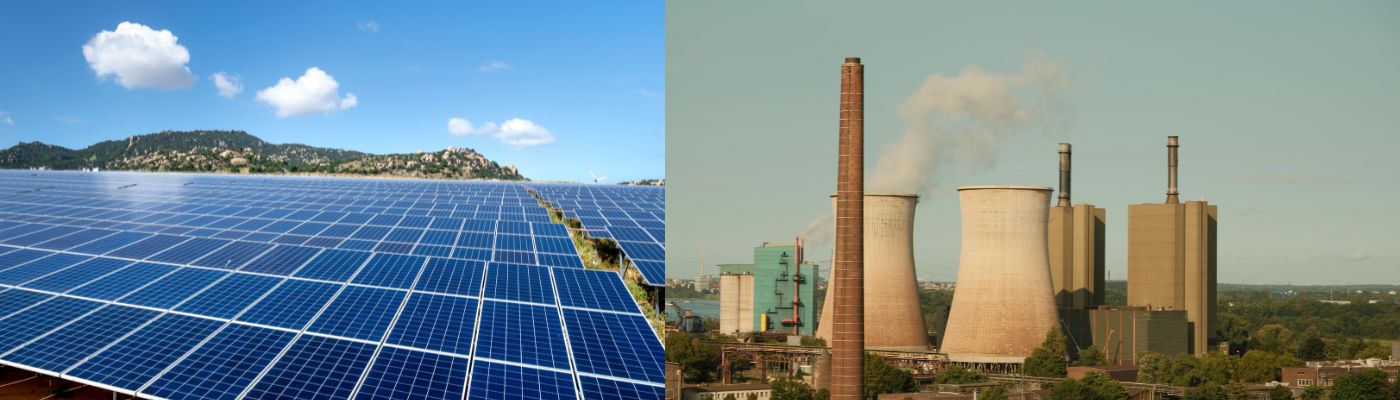
Solar Power and Traditional Power are the two main energy choices people consider today for homes, businesses, and industries. One depends on sunlight and renewable technology, while the other relies mostly on coal, oil, gas, or nuclear sources that have powered the world for decades. Choosing between them is no longer just about electricity-it’s about cost, reliability, long-term savings, and environmental impact.
In this detailed guide, I’ll explain the real differences between solar power and traditional power in simple language, using practical insights from real-world usage, industry data, and on-ground observations in India and globally. The goal is not to push one option blindly, but to help you make a smart, informed decision.
Understanding the Basics of Power Generation
Before comparing costs and sustainability, it’s important to understand how both systems actually work.
What Is Solar Power?
Solar power is electricity generated using sunlight. Solar panels (also called photovoltaic panels) capture sunlight and convert it into electrical energy. This electricity can be:
- Used directly
- Stored in batteries
- Exported back to the grid (net metering)
Key components of a solar power system:
- Solar panels
- Inverter (converts DC to AC power)
- Mounting structure
- Wiring and safety devices
- Optional battery storage
Solar power is widely used in:
- Homes (rooftop solar)
- Commercial buildings
- Factories
- Solar farms and utility-scale projects
Also Read : Solar light vs Traditional light
What Is Traditional Power?
Traditional power refers to electricity generated from conventional sources such as:
- Coal
- Natural gas
- Oil
- Nuclear energy
- Large hydropower plants
In India, coal-based thermal power plants still produce the majority of electricity. These plants burn fuel to produce steam, which spins turbines to generate electricity.
Key characteristics of traditional power:
- Centralized generation
- Long transmission lines
- Dependent on fuel supply
- Higher environmental impact (especially fossil fuels)
Cost Comparison: Solar Power vs Traditional Power
Cost is usually the first question people ask, and rightly so.
Initial Setup Cost
Solar Power:
- High upfront investment
- Includes panels, inverter, structure, and installation
- Rooftop solar for homes in India typically ranges from ₹45,000 to ₹65,000 per kW (before subsidy)
- Commercial or industrial systems are often cheaper per kW due to scale
Traditional Power:
- No direct setup cost for consumers
- Infrastructure cost is handled by power companies and governments
- Consumers only pay monthly electricity bills
At first glance, traditional power looks cheaper. But this is only the short-term view.
Long-Term Cost & Monthly Bills
This is where solar power changes the picture.
Solar Power:
- Sunlight is free
- Very low operating and maintenance cost
- No fuel cost
- Electricity bills reduce by 70–95% depending on system size
- System lifespan: 25–30 years
Traditional Power:
- Monthly bills continue forever
- Tariffs increase almost every year
- Fuel cost fluctuations directly affect electricity prices
Practical insight:
Many homeowners who installed solar 5-7 years ago are now enjoying almost zero electricity bills, while grid power tariffs have increased steadily during the same period.
Subsidies & Financial Support
Governments actively support solar power.
Solar Power incentives (India example):
- Central government subsidy for residential rooftop solar
- Net metering benefits
- Accelerated depreciation for businesses
- Low-interest solar loans from banks
Traditional Power:
- No direct subsidies for consumers
- Indirect subsidies often go to fuel suppliers, not end users
This makes solar power even more cost-effective over time.
Efficiency Comparison: How Well Do They Perform?
Efficiency doesn’t just mean how much power is produced—it also includes losses, reliability, and consistency.
Energy Conversion Efficiency
Solar Power:
- Panel efficiency: typically 18–23%
- Efficiency improves every year with better technology
- Works best in areas with good sunlight (India is ideal)
Traditional Power:
- Coal power plant efficiency: around 33–40%
- Nuclear power: higher efficiency but very high risk and cost
- Significant energy loss during fuel transport and transmission
While traditional power plants may seem more efficient on paper, they lose a lot of energy before electricity reaches your home.
Transmission & Distribution Losses
Solar Power:
- Rooftop solar generates power at the point of use
- Minimal transmission loss
- Ideal for reducing load on the grid
Traditional Power:
- Electricity travels long distances
- Transmission and distribution losses in India are around 18–20%
- Power cuts and voltage fluctuations are common in some areas
From real experience, homes with solar face fewer power quality issues compared to grid-only users.
Reliability & Availability
Solar Power:
- Depends on sunlight
- No power generation at night (unless batteries are used)
- Daytime production matches peak usage well
Traditional Power:
- Available 24/7 in theory
- In practice, outages, load shedding, and maintenance shutdowns occur
A hybrid system (solar + grid) often gives the best reliability.
Sustainability & Environmental Impact
This is where the difference becomes very clear.
Carbon Emissions
Solar Power:
- Zero emissions during operation
- No air or water pollution
- Reduces carbon footprint significantly
Traditional Power:
- Coal power emits CO₂, SO₂, NOx, and particulate matter
- Major contributor to climate change and air pollution
- Health impacts on nearby communities
According to international energy agencies, coal-based power is one of the largest sources of global carbon emissions.
Resource Availability
Solar Power:
- Sunlight is abundant and renewable
- India receives 4–7 kWh of solar radiation per square meter daily
Traditional Power:
- Coal, oil, and gas are finite
- Mining and extraction damage land and ecosystems
- Fuel imports increase dependency on other countries
Solar power offers true energy independence.
Water Usage
This factor is often ignored.
Solar Power:
- Requires almost no water for operation
- Only occasional cleaning of panels
Traditional Power:
- Thermal power plants consume massive amounts of water
- Cooling systems impact local water availability
In water-stressed regions, solar power is a far more sustainable option.
Maintenance & Lifespan
Maintenance Requirements
Solar Power:
- Very low maintenance
- Panel cleaning once every few weeks or months
- Inverter replacement after 10–12 years (normal cost)
Traditional Power:
- No maintenance for end users
- But grid failures and infrastructure issues affect supply quality
Overall, solar power systems are simple and reliable once installed.
System Lifespan
Solar Power:
- Panels last 25–30 years
- Performance degradation is slow (around 0.5–0.7% per year)
Traditional Power:
- Continuous dependence on external infrastructure
- No asset ownership for consumers
Solar power turns electricity from an expense into a long-term asset.
Simple Comparison Table: Solar Power vs Traditional Power
| Factor | Solar Power | Traditional Power |
|---|---|---|
| Fuel Cost | Free (sunlight) | Paid (coal, gas, oil) |
| Initial Cost | High upfront | No upfront |
| Monthly Bill | Very low | Recurring & increasing |
| Carbon Emissions | Zero | High |
| Water Usage | Minimal | Very high |
| Lifespan | 25–30 years | No ownership |
| Maintenance | Low | Not user-controlled |
| Energy Independence | High | Low |
Real-World Practical Insights
From working closely with solar installations and power consumers, a few things are clear:
- Homes with daytime power usage benefit the most from solar power
- Businesses save faster due to higher electricity tariffs
- Traditional power feels convenient, but long-term costs keep rising
- Solar power works best when designed correctly (right system size matters)
Many people delay solar thinking it’s “future technology,” but in reality, it’s already more mature and predictable than fossil-fuel pricing.
When Does Traditional Power Still Make Sense?
Despite its drawbacks, traditional power still has a role.
- Areas with very limited sunlight exposure
- Temporary setups or rented properties
- Locations without net metering policies
- Very high night-time power consumption without battery backup
However, even in these cases, partial solar adoption can reduce dependency.
Solar Power and the Future of Energy
Globally and in India, energy policies are clearly shifting toward renewable sources. Solar power capacity additions now outpace new coal plants in many regions.
Reasons behind this shift:
- Falling solar panel costs
- Climate commitments
- Energy security concerns
- Public demand for cleaner air
Traditional power will not disappear overnight, but its dominance is clearly declining.
Conclusion
There is no one-size-fits-all answer, but for most homes and businesses:
- Solar Power wins on cost over time
- Solar Power is more sustainable and future-proof
- Traditional Power remains a backup, not the best long-term solution
If you look only at today’s bill, traditional power feels easier. If you look at the next 25 years, solar power is the smarter and more responsible choice.
FAQ
1. Is solar power cheaper than traditional power in the long run?
Yes. While solar power requires a higher initial investment, it significantly reduces monthly electricity bills. Over 20–25 years, solar power usually costs much less than traditional grid electricity.
2. What is the main difference between solar power and traditional power?
The biggest difference is the energy source. Solar power uses sunlight, which is renewable and free, while traditional power depends on fuels like coal and gas that are limited and polluting.
3. Does solar power work during cloudy days or at night?
Solar panels still produce electricity on cloudy days, but at lower efficiency. At night, solar systems rely on grid power or battery storage if installed.
4. Is traditional power more reliable than solar power?
Traditional power provides continuous supply but is affected by outages and rising tariffs. Solar power combined with the grid offers better stability and lower dependency on electricity companies.
5. Is solar power environmentally better than traditional power?
Yes. Solar power produces electricity without air pollution, carbon emissions, or heavy water usage, making it far more sustainable than coal-based traditional power.
