
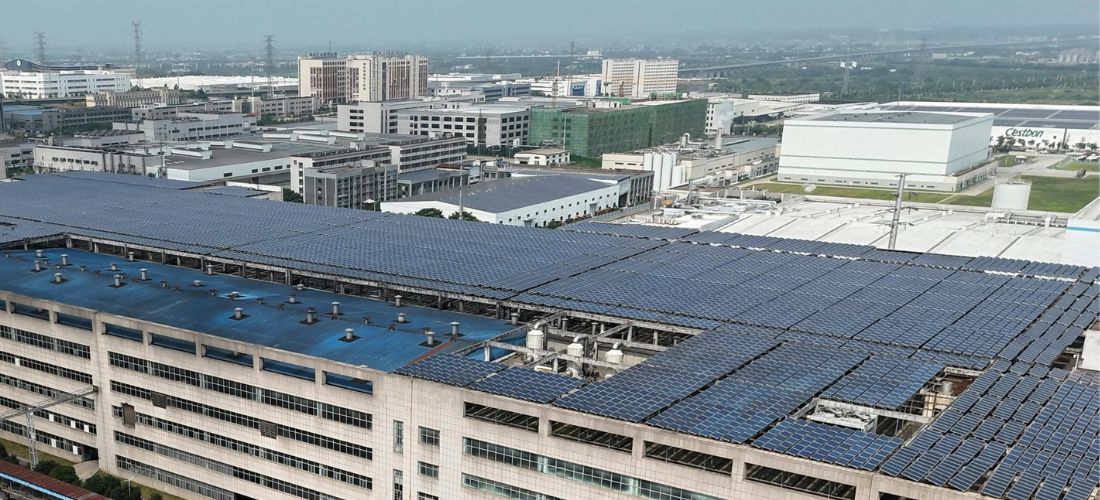
Solar Panels for Apartments are becoming a practical solution for people who want to save on electricity bills and support clean energy, even while living in shared buildings. With the rising cost of power in India and increasing awareness about sustainability, more apartment owners are now exploring Solar Panels and Rooftop Solar Panel systems as a smart long-term investment.
In this guide, we’ll explain everything in simple language – from feasibility and benefits to costs, permissions, and installation steps. Whether you are a flat owner, part of a housing society, or a builder, this guide will help you understand how solar works for apartments.
Why Solar Panels for Apartments Are Gaining Popularity
Over the last few years, electricity tariffs have steadily increased across many Indian states. At the same time, government initiatives like rooftop solar subsidies have encouraged residential solar adoption.
Apartment residents earlier believed that solar was only for independent houses. But that is no longer true.
Today, Rooftop Solar Panel systems can be installed on apartment buildings, benefiting:
- Individual flat owners
- Entire housing societies
- Common area electricity usage
- Builders planning green projects
Urban areas like Delhi NCR, Mumbai, Pune, Bangalore, and Ahmedabad are seeing a noticeable shift toward shared solar installations on apartment rooftops.
Is It Possible to Install Solar Panels in an Apartment?
Yes, but it depends on certain factors.
1. Ownership vs. Rental
- Flat Owners: If you own your apartment, you can propose solar installation through your housing society or RWA.
- Tenants: You need approval from the landlord and society.
2. Rooftop Access
In most apartment buildings, the rooftop is a common area. So installing a Rooftop Solar Panel system usually requires:
- Society approval
- Majority agreement from residents
- Structural safety clearance
3. Type of Solar Setup
There are generally two models:
- Common Area Solar System – Used to power lifts, water pumps, corridor lights, parking lights.
- Individual Meter Solar Allocation – Power is distributed to individual flats through net metering.
How Solar Panels for Apartments Work
A simple explanation:
- Solar Panels capture sunlight.
- Panels generate DC electricity.
- An inverter converts DC to AC power.
- Electricity is used in the building.
- Extra power goes back to the grid (if net metering is enabled).
This process is clean, silent, and low-maintenance.
Benefits of Installing Solar Panels for Apartments
1. Lower Electricity Bills
One of the biggest reasons people choose Solar Panels is cost savings.
For example:
- If a housing society spends ₹40,000 per month on common electricity,
- A properly sized Rooftop Solar Panel system can reduce that by 40–70%.
Over time, savings become significant.
2. Clean and Renewable Energy
Solar energy:
- Reduces carbon footprint
- Decreases dependency on coal-based electricity
- Supports India’s renewable energy mission
According to MNRE (Ministry of New and Renewable Energy), rooftop solar adoption is a key part of India’s 500 GW renewable energy target.
3. Increased Property Value
Apartments with solar installations often attract:
- Eco-conscious buyers
- Investors looking for long-term savings
- Higher resale value
Green buildings are becoming more desirable in urban markets.
4. Government Subsidies
Residential Rooftop Solar Panel systems may qualify for central or state subsidies under government schemes (subject to eligibility and policy updates).
This reduces the initial investment burden.
5. Energy Independence
During peak summer months when electricity demand rises, having Solar Panels provides partial independence from grid fluctuations.
Challenges of Solar Panels for Apartments
While the benefits are strong, there are practical challenges too.
1. Limited Rooftop Space
In high-rise apartments:
- Rooftop area is limited.
- Power generated must be shared wisely.
Solution:
- Prioritize common area usage first.
- Use high-efficiency panels.
2. Approval Process
Getting all residents to agree can take time.
Practical tip:
- Present a financial savings report.
- Show long-term benefits clearly.
3. Initial Investment
Though prices have reduced significantly in recent years, installing Solar Panels still requires upfront cost.
However, most systems recover cost within 4–6 years depending on usage and tariff rates.
Basic Cost Overview of Solar Panels for Apartments
Below is a simple estimated cost table for understanding purposes:
| System Size | Suitable For | Approx Basic Standard Price Range | Ideal Usage |
|---|---|---|---|
| 3 kW | Small apartment common load | ₹1.5 – ₹2.2 lakh | Lights & small loads |
| 5 kW | Medium society | ₹2.5 – ₹3.5 lakh | Lift + lighting |
| 10 kW | Large apartment | ₹5 – ₹7 lakh | Multiple common utilities |
| 25 kW+ | High-rise building | Custom pricing | Major common load |
Disclaimer: Basic standard price is not a specific price; anything can happen depending on brand, structure, subsidy, and location.
For accurate pricing, site inspection is necessary.
Read More – Types of solar collectors
Steps to Install Rooftop Solar Panel in Apartments
Step 1: Energy Assessment
- Check monthly electricity consumption.
- Identify common load requirements.
- Evaluate peak demand.
Professional solar companies like klk ventures conduct detailed energy audits before recommending system size.
Step 2: Rooftop Feasibility Study
This includes:
- Structural strength check
- Shadow analysis
- Orientation and tilt angle
- Space availability
Proper analysis ensures maximum generation.
Step 3: Society Approval
Present:
- Cost breakdown
- Payback calculation
- Maintenance plan
Transparency builds trust among residents.
Step 4: System Design
Design includes:
- Number of Solar Panels
- Inverter capacity
- Mounting structure
- Wiring layout
Good design increases efficiency and lifespan.
Step 5: Installation
Installation usually takes:
- 2–7 days depending on system size.
Professional teams follow:
- Electrical safety norms
- MNRE guidelines
- Local DISCOM standards
Step 6: Net Metering & Activation
After installation:
- Inspection is done.
- Net meter is installed.
- System is activated.
Then you start generating electricity.
Technical Factors to Consider Before Installing Solar Panels
1. Roof Condition
The rooftop must:
- Be leak-free
- Structurally strong
- Capable of supporting mounting structure
2. Sunlight Exposure
Solar Panels perform best when:
- Facing south direction (in India)
- Free from shade between 9 AM – 4 PM
Even small shading can reduce performance.
3. Type of Solar Panel
Common types:
- Monocrystalline (higher efficiency)
- Polycrystalline (cost-effective)
For limited rooftop space, monocrystalline panels are usually better.
4. Inverter Type
- String Inverter
- Micro Inverter
- Hybrid Inverter
Choice depends on system design and budget.
5. Maintenance Plan
Solar Panels require:
- Cleaning every 2–3 months
- Annual inspection
- Monitoring system performance
Dust accumulation can reduce output by 10–20%.
Real-World Practical Insight
From practical experience in urban apartment projects, common area solar systems often deliver faster ROI compared to individual flat systems.
Why?
- Society electricity usage is predictable.
- Savings are shared.
- Management becomes easier.
For example, lift and water pump loads consume significant electricity. Covering just these loads using a Rooftop Solar Panel system can drastically reduce monthly maintenance charges.
Common Questions About Solar Panels for Apartments
Can one flat owner install solar separately?
In most cases, rooftop belongs to society. So individual installation needs society approval.
What if rooftop space is limited?
Priority is given to:
- Common area load
- Shared allocation
- High-efficiency panel installation
How long do Solar Panels last?
Most panels:
- Last 25 years or more
- Come with performance warranty
Inverters usually have 5–10 year warranty.
Is maintenance expensive?
No. Solar systems have low maintenance compared to diesel generators.
Financial Planning and ROI Understanding
Before installing Solar Panels for Apartments, calculate:
- Monthly electricity bill
- Expected solar generation
- Payback period
- Government subsidy (if applicable)
Typical payback:
- 4 to 6 years (depending on electricity tariff)
After that, electricity is almost free for the remaining lifespan.
Safety and Compliance
Make sure installation follows:
- DISCOM net metering guidelines
- MNRE standards
- Electrical safety codes
Choose experienced installers like klk ventures, who understand apartment-specific challenges and provide structured execution.
Why Choose a Professional Solar Company
Installing a Rooftop Solar Panel system in apartments is different from independent homes.
It requires:
- Structural engineering checks
- Society coordination
- Load management
- Grid synchronization
Working with experienced professionals reduces risk and improves performance.
Final Thoughts
Solar Panels for Apartments are no longer complicated or unrealistic. With proper planning, society approval, and expert guidance, installing a Rooftop Solar Panel system can significantly reduce electricity costs while contributing to a greener future.
The key is:
- Proper feasibility study
- Transparent cost planning
- Professional installation
- Regular maintenance
If you are considering solar for your apartment building, consult experts like klk ventures for a detailed assessment and customized proposal.
Clean energy is not just a trend – it’s a long-term smart decision.
Disclaimer: Basic standard price is not a specific price; anything can happen depending on market fluctuations, system design, structure type, brand selection, and government policies. Always confirm exact pricing through site inspection and official quotation.
FAQs
1. Can Solar Panels be installed in apartment buildings?
Ans- Yes, Solar Panels can be installed in apartment buildings, mainly on the rooftop. However, approval from the housing society or RWA is usually required since the roof is a common area.
2. How much rooftop space is required for a Rooftop Solar Panel system?
Ans- On average, 1 kW of Solar Panels requires around 80–100 square feet of shadow-free rooftop area. The exact requirement depends on panel efficiency and layout design.
3. Is government subsidy available for Solar Panels for Apartments?
Ans- Yes, residential Rooftop Solar Panel systems may be eligible for government subsidies under approved schemes. The eligibility and amount depend on current policies and state regulations.
4. Can individual flat owners install Solar Panels separately?
Ans- In most cases, individual installation is possible only with society approval because the rooftop is shared property. Many societies prefer a common solar system for shared benefits.
5. What is the average payback period for Solar Panels in apartments?
Ans- The payback period usually ranges between 4 to 6 years, depending on electricity consumption, tariff rates, and system size.
6. Do Solar Panels require regular maintenance?
Ans- Solar Panels require minimal maintenance. Cleaning every 2–3 months and an annual inspection are usually enough to maintain good performance.
7. What happens during a power cut?
Ans- If the Rooftop Solar Panel system is grid-connected without battery backup, it will shut down during a power cut for safety reasons. Hybrid systems with batteries can provide backup power.
8. How long do Solar Panels last?
Ans- Most Solar Panels come with a 25-year performance warranty, and they can continue working efficiently beyond that period with proper maintenance. Contact us now!
