
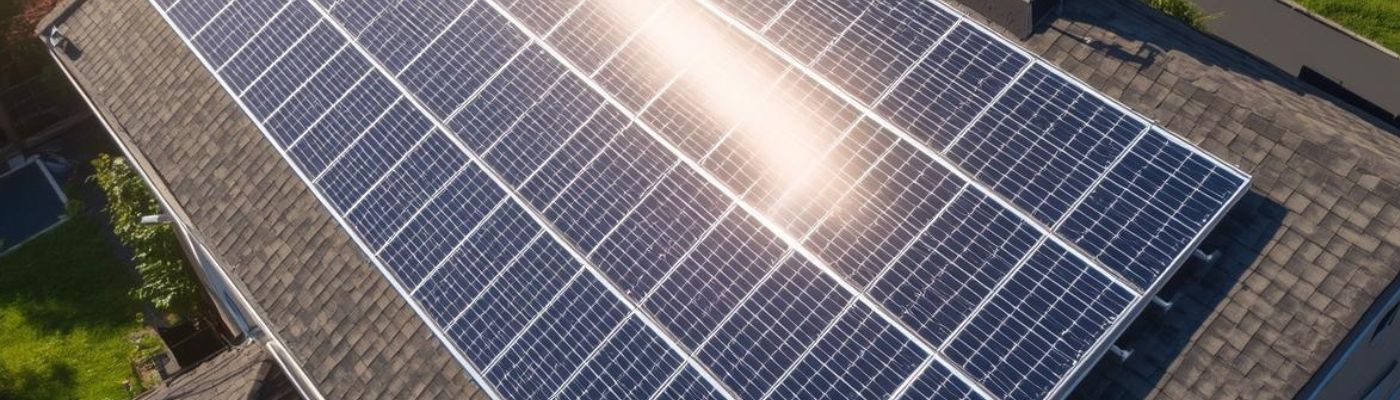
Solar panel technology is evolving faster than ever, and India is right at the center of this transformation. In just a few years, solar has moved from being an “alternative” energy source to a mainstream power solution for homes, businesses, factories, and even cities. By 2026, new innovations will make solar systems more efficient, flexible, smarter, and easier to integrate into everyday life.
At KLK Ventures, we closely track how solar panel technology is changing on the ground-from manufacturing trends to real installation challenges in Indian conditions like heat, dust, space limitations, and grid reliability. This guide is written to genuinely help homeowners, EPC contractors, builders, and business owners understand what’s coming next, without hype or technical jargon.
Why Solar Panel Technology Matters More Than Ever in India
India’s solar journey is not just about clean energy – it’s about affordability, energy independence, and reliability.
Some key realities driving innovation:
- High electricity demand and frequent peak load issues
- Rising power tariffs for commercial and industrial users
- Limited rooftop space in urban areas
- Extreme weather conditions (heat, dust, humidity)
- Government targets of 500 GW renewable capacity by 2030
To solve these challenges, solar panel technology must deliver:
- Higher efficiency in less space
- Better performance in Indian climates
- Lower long-term cost per unit
- Smarter systems with storage and monitoring
Now let’s explore the 7 most important solar panel technology trends for 2026 in India.
1. High-Efficiency Solar Panels Crossing 25%
What’s Changing
Traditional solar panels used to convert only about 10–15% of sunlight into electricity. Today, thanks to advanced cell designs like TOPCon, HJT, and n-type cells, efficiencies are crossing 22–25%, and this trend will strengthen by 2026.
Why It Matters in India
- More power from small rooftops
- Lower balance-of-system costs (less wiring, fewer structures)
- Ideal for apartments, factories, and urban homes
Practical Insight
In cities like Delhi, Mumbai, and Bengaluru, rooftop space is limited. High-efficiency solar panel technology allows the same roof to generate 20–30% more electricity without expanding area.
Real-World Benefit
- Smaller system size
- Faster ROI
- Better performance in low-light and winter conditions
2. Perovskite Solar Cells: The Biggest Breakthrough
What Are Perovskite Solar Cells?
Perovskites are advanced semiconductor materials that absorb light more efficiently than traditional silicon. They can be manufactured at lower temperatures and costs.
Why This Solar Panel Technology Is a Game-Changer
- Lower manufacturing cost
- Higher efficiency potential
- Lightweight and flexible designs
Tandem Technology Explained (Simple Words)
Perovskite cells are layered on top of silicon cells:
- Silicon captures long wavelengths
- Perovskite captures short wavelengths
Together, they generate more power from the same sunlight.
Current Progress
- Global lab efficiencies above 26%
- Pilot manufacturing already started
- Commercial availability expected to expand by 2026
Indian Impact
This technology can:
- Reduce solar panel prices in the long term
- Enable solar on weak roofs and mobile structures
- Increase adoption in rural and semi-urban areas
3. Bifacial Solar Panels Becoming the New Standard
What Are Bifacial Solar Panels?
Unlike traditional panels, bifacial panels generate electricity from both sides – front and back.
How They Work
- Front side absorbs direct sunlight
- Back side captures reflected light from ground, tiles, concrete, or sand
Why India Is Perfect for Bifacial Technology
- High solar radiation
- Concrete rooftops and reflective surfaces
- Large solar parks and open installations
Key Benefits
- 5–15% extra energy generation
- Better performance in open and elevated installations
- Longer lifespan due to glass-glass design
Common Applications
- Utility-scale solar plants
- Commercial rooftops
- Carports and ground-mounted systems
4. Flexible & Lightweight Solar Panel Technology
What’s New
New materials allow solar panels to be:
- Thin
- Bendable
- Extremely lightweight
Where Traditional Panels Fail
- Weak rooftops
- Temporary structures
- Curved surfaces
New Use Cases in India
- Warehouses with metal sheet roofs
- Portable solar for agriculture
- Solar on vehicles, sheds, and remote sites
Practical Advantage
These panels can be:
- Rolled and transported easily
- Installed without heavy mounting structures
- Used where glass panels are unsafe
Future Outlook
By 2026, flexible solar panel technology will grow rapidly in:
- Defense
- Disaster relief
- Rural electrification
- Smart mobility
5. Solar Panels Integrated with Energy Storage
Why Storage Is No Longer Optional
Solar generates power during the day, but demand continues at night. That’s where energy storage comes in.
What’s Improving
- Lithium-ion battery efficiency
- Longer battery life cycles
- Smarter battery management systems (BMS)
Benefits of Solar + Storage
- Backup during power cuts
- Reduced grid dependency
- Peak load management for industries
Indian Context
With frequent outages and voltage fluctuations, solar panel technology combined with storage is becoming essential for:
- Hospitals
- Data centers
- Manufacturing units
- Smart homes
6. Transparent Solar Panels for Buildings
What Are Transparent Solar Panels?
These panels look like glass but generate electricity by capturing invisible light (UV and infrared).
Where They Are Used
- Office windows
- Building facades
- Skylights
- Commercial complexes
Why This Matters for Urban India
- Limited rooftop space
- High-rise buildings with large glass areas
- Growing demand for green buildings
Key Advantage
Buildings can generate power without changing their appearance.
Future Scope
By 2026, transparent solar panel technology will support:
- Net-zero buildings
- Smart cities
- Green architecture projects
7. Smart Solar Panels with AI & IoT
What Makes Solar “Smart”?
Smart solar panel technology uses:
- Sensors
- AI-based monitoring
- IoT connectivity
What It Can Do
- Track performance in real time
- Detect faults early
- Optimize energy output automatically
Why It’s Useful in India
- Reduces maintenance costs
- Prevents unnoticed power loss
- Improves system lifespan
Simple Comparison Table: Solar Panel Technology Trends (2026)
| Technology Type | Key Benefit | Best Use Case |
|---|---|---|
| High-Efficiency Panels | More power in less space | Urban rooftops |
| Perovskite Cells | Low cost + high efficiency | Future mass adoption |
| Bifacial Panels | Extra energy from reflection | Solar farms, carports |
| Flexible Panels | Lightweight & bendable | Weak roofs, mobile use |
| Solar + Storage | Power anytime | Homes, industries |
| Transparent Panels | Energy + design | Smart buildings |
| Smart Solar Panels | Performance optimization | All system sizes |
Cost Expectations (Basic & Standard Estimate)
Disclaimer:
The prices mentioned below are basic standard estimates only. Actual prices may vary depending on brand, location, installation type, subsidies, raw material costs, and market conditions.
| Solar Panel Technology | Approx. Price Range (₹/Watt) |
|---|---|
| Standard Mono PERC | ₹22 – ₹28 |
| High-Efficiency Panels | ₹30 – ₹38 |
| Bifacial Panels | ₹32 – ₹40 |
| Flexible Solar Panels | ₹45 – ₹70 |
| Solar + Battery Systems | ₹55 – ₹90 |
| Transparent Solar Panels | Early-stage pricing |
How KLK Ventures Views the Future
At KLK Ventures, we believe solar panel technology in 2026 will not be about just panels-it will be about complete energy solutions.
Key shifts we see coming:
More focus on efficiency, not just capacity
- Smarter systems with real-time insights
- Design-friendly solar for buildings
- Strong push toward storage and reliability
Solar is no longer “install and forget.” It’s becoming intelligent, integrated, and essential.
Final Thoughts:
Whether you are:
- A homeowner planning rooftop solar
- A business aiming to reduce power bills
- A builder designing future-ready projects
- An EPC professional planning 2026 projects
Understanding solar panel technology trends today will help you make smarter decisions tomorrow.
The future of solar in India is:
- Efficient
- Affordable
- Flexible
- Smart
And most importantly-here to stay.
If you want guidance tailored to Indian conditions and real-world use cases, KLK Ventures is committed to helping you navigate the next generation of solar panel technology with clarity and trust.
FAQ
1. What is the latest solar panel technology expected in India by 2026?
By 2026, the latest solar panel technology in India will include high-efficiency n-type panels, perovskite-silicon tandem cells, bifacial modules, flexible solar sheets, and smart solar panels integrated with AI and IoT. These technologies aim to deliver higher power output, better durability in Indian weather, and lower long-term electricity costs.
2. Are high-efficiency solar panels worth the extra cost?
Yes, in most cases. High-efficiency solar panel technology produces more electricity from the same rooftop area. This is especially useful in Indian cities where space is limited. Although the upfront cost is slightly higher, better generation leads to faster ROI and lower cost per unit over time.
3. Will perovskite solar panels be commercially available in India by 2026?
Perovskite solar panel technology is currently in advanced pilot and early commercial stages globally. By 2026, limited commercial availability is expected in India, especially in hybrid (tandem) modules. Full-scale mass adoption may take a few more years, but early deployments are likely.
4. How do bifacial solar panels perform in Indian conditions?
Bifacial solar panel technology performs very well in India due to high sunlight and reflective surfaces like concrete rooftops, sand, and tiles. In suitable installations, bifacial panels can generate 5–15% more electricity compared to traditional panels, making them ideal for commercial and utility-scale projects.
5. Are flexible solar panels reliable for long-term use?
Flexible solar panel technology is improving rapidly. While they may not yet replace rigid panels for large power plants, they are reliable for specific use cases like metal roofs, portable setups, agriculture, and temporary structures. By 2026, durability and efficiency are expected to improve further.
