
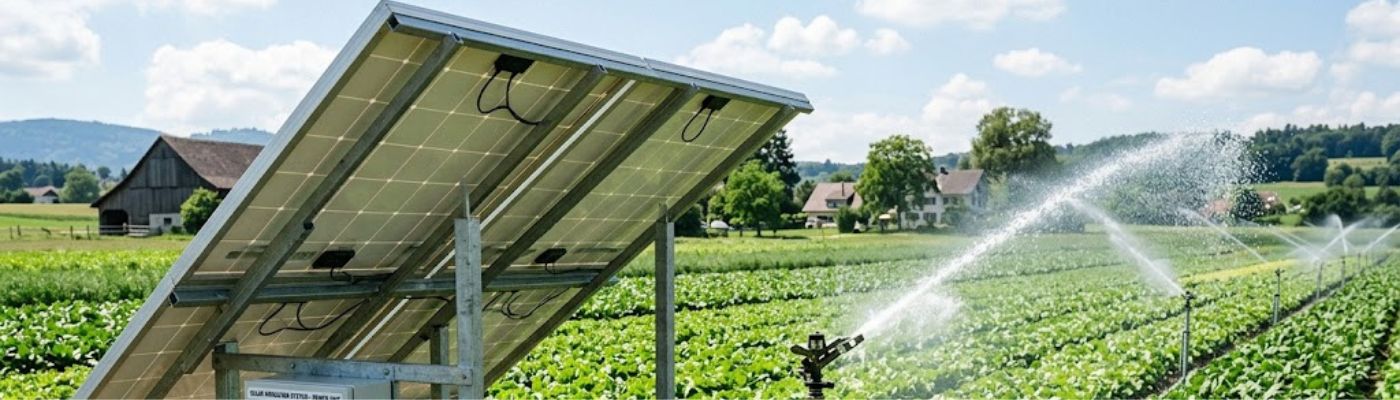
Being in the solar industry for years, one thing has become very clear-not all “easy solutions” are actually good for your solar panels. One such trending idea is the solar panel sprinkler system. Many homeowners believe that installing a solar panel sprinkler will keep panels clean automatically without effort.
But here’s the reality: a sprinkler system for solar panels can do more harm than good, especially in Indian conditions. What seems like a low-cost maintenance hack can actually reduce efficiency, damage panels, and even shorten the system’s lifespan.
Let’s break this down in a simple and practical way so you can make the right decision.
Why People Use a Sprinkler System for Solar Panels
When solar installations started growing rapidly in India, many vendors promoted the idea that:
- Solar panels are “maintenance-free”
- Rainwater is enough for cleaning
- Or, just install a sprinkler and forget everything
As dust and performance issues became visible, some installers introduced the solar sprinkler system as a quick fix.
Why it sounds attractive:
- Automatic cleaning
- Low upfront cost
- No manual effort
- Saves time
But this is where the problem begins.
The Real Problem with Solar Panel Sprinkler Systems
The biggest issue is simple:
Sprinklers don’t actually clean solar panels-they only wet them.
In India, dirt is not just loose dust. It’s a mix of:
- Sticky dust (due to humidity and pollution)
- Bird droppings (acidic and stubborn)
- Industrial residue (in urban areas)
- Pollen and organic waste
What happens when you use a sprinkler?
- Water spreads dirt instead of removing it
- Dust turns into muddy patches
- Residue sticks even harder after drying
This leads to uneven cleaning and long-term damage.
Indian Conditions Make It Worse
Solar panel maintenance in India is very different from other countries.
Key environmental factors:
- High dust levels (especially in North India)
- Pollution particles (Delhi NCR, industrial zones)
- Hard water (high mineral content)
- Irregular rainfall
Result:
Sprinklers simply cannot handle Indian dirt conditions.
What Exactly Goes Wrong with a Solar Panel Sprinkler
Let’s look at the practical issues you’ll face:
1. Sticky Dirt Stays on Panels
Sprinklers don’t have pressure or friction.
- Bird droppings remain
- Oil-based dirt doesn’t dissolve
- Dust becomes layered
2. Uneven Cleaning
Sprinklers don’t cover panels evenly.
- Corners remain dirty
- Edges accumulate grime
- Center looks clean, but isn’t
3. Water Spots and Stains
Most Indian water is hard water.
- Leaves white mineral deposits
- Blocks sunlight absorption
- Reduces efficiency
Table: Sprinkler vs Proper Cleaning
| Factor | Sprinkler System | Manual Professional Cleaning |
|---|---|---|
| Dirt Removal | Superficial | Deep cleaning |
| Bird Droppings | Not removed | Completely removed |
| Water Usage | High | Controlled |
| Cleaning Coverage | Uneven | Even |
| Risk of Damage | High | Low |
| Efficiency Impact | Decreases over time | Improves output |
The Hidden Danger: Hotspots
This is where things get serious.
When dirt accumulates unevenly, it creates hotspots.
What are hotspots?
- Areas where sunlight is blocked
- Cells overheat due to uneven energy absorption
What can happen?
- Panel cracks
- Burn marks on cells
- Permanent damage
- Fire risk (in extreme cases)
A sprinkler for solar panels actually increases the chances of this problem.
Loss of Power Generation
You might think:
“Even if it’s not perfect, at least panels are getting cleaned.”
But the truth is different.
Real impact:
- 10%–30% energy loss in dusty areas
- Even higher in industrial regions
According to studies by CEEW (Council on Energy, Environment and Water),
dust and dirt are responsible for up to 80% of solar underperformance in India.
Sprinklers don’t solve this problem-they make it worse over time.
Long-Term Damage to Solar Panels
Using a solar sprinkler system regularly can lead to:
1. Faster Degradation
- Dirt layers reduce light absorption
- Panels work harder → degrade faster
2. Glass Surface Damage
- Mineral deposits stain glass permanently
- Reduces transparency
3. Frame Corrosion
- Continuous water exposure
- Especially in rooftop systems
Warranty Risks You Should Know
Most people don’t realize this.
Important point:
Using a non-recommended cleaning method can void your warranty.
Manufacturers clearly mention:
- Avoid automated sprinkler cleaning
- Use proper cleaning tools and methods
If damage happens, companies may refuse claims.
The Cost Myth: Is Sprinkler Really Cheaper?
At first glance, yes.
But let’s look deeper.
Hidden costs include:
- Reduced electricity generation
- Frequent repairs
- Panel replacement
- Water usage cost
Reality:
You save a little initially, but lose much more over time.
A Better Way: How Solar Panels Should Be Cleaned
Manufacturers recommend a simple but effective approach.
Best method:
- Soft nylon brush
- Clean water (low TDS if possible)
- Gentle manual cleaning
Why it works:
- Removes sticky dirt
- Prevents residue buildup
- Ensures even cleaning
Practical Maintenance Tips
Here are some simple, practical tips:
1. Clean Panels Regularly
- Every 15–30 days in dusty areas
- More frequently near highways or construction
2. Avoid Midday Cleaning
- Clean early morning or evening
- Prevents thermal shock
3. Use Soft Materials Only
- No harsh brushes
- No chemicals
4. Don’t Rely on Rain
- Rain spreads dirt, doesn’t clean fully
Why Professional Cleaning is Safer
Cleaning solar panels is not as easy as it looks.
Risks of DIY cleaning:
- Slipping on rooftop
- Electrical hazards
- Panel damage
Professionals offer:
- Proper tools
- Safety equipment
- Correct cleaning techniques
Maintenance Comparison Table
| Maintenance Type | Description | Frequency |
|---|---|---|
| Preventive Monitoring | System performance tracking | Continuous |
| Basic Cleaning | Dust removal | Monthly |
| Deep Cleaning | Sticky dirt removal | Every 2–3 months |
| Inspection | Wiring & structure check | Quarterly |
Common Myths About Solar Panel Sprinklers
Myth 1: “Water is enough to clean panels”
Reality: Dirt needs friction to be removed.
Myth 2: “Sprinklers save time and effort”
Reality: They create long-term problems.
Myth 3: “Rain + sprinkler is enough”
Reality: Both are incomplete cleaning methods.
Real-World Scenario You Should Know
Many homeowners in North India installed sprinkler systems thinking it’s a smart investment.
After 1–2 years:
- Visible dirt patches
- Reduced electricity output
- Complaints about ROI
When panels were professionally cleaned:
- Output improved instantly
This shows the difference between surface cleaning vs actual cleaning.
Why Solar Sprinkler Systems Became Popular
It wasn’t because they are effective.
It happened because:
- Vendors wanted a low-cost solution
- Customers wanted easy maintenance
- Awareness was low
Now, as people gain experience, they are moving away from this method.
Disclaimer on Costs
Basic standard price is not a fixed price; anything can change depending on:
- Location
- Panel size
- Accessibility
- Service provider
Always check with a professional before planning maintenance.
Final Thoughts: Is a Sprinkler System Worth It?
Short answer: No.
A sprinkler system for solar panels may look convenient, but it:
- Doesn’t clean properly
- Causes uneven dirt buildup
- Reduces efficiency
- Increases long-term damage
Instead of protecting your investment, it slowly harms it.
Conclusion
Solar panels are a long-term investment expected to last 25+ years. But their performance depends heavily on how well you maintain them.
A solar panel sprinkler system may seem like a smart shortcut, but in reality, it’s one of the most harmful maintenance practices-especially in India.
If you truly want better performance, higher savings, and longer panel life, focus on proper cleaning-not shortcuts.
FAQs
Q1. Is a solar panel sprinkler system safe to use in India?
Answer: No, a solar panel sprinkler system is not safe for long-term use in India. It fails to remove sticky dust and bird droppings, leading to reduced efficiency and possible panel damage.
Q2. Why is a sprinkler system for solar panels not effective?
Answer: A sprinkler system only wets the surface but does not clean properly. It spreads dirt unevenly and leaves residue, which can create hotspots and reduce power generation.
Q3. Can sprinkler cleaning reduce solar panel efficiency?
Answer: Yes, using a sprinkler for solar panels can reduce efficiency over time. Uneven cleaning and mineral deposits block sunlight and lower energy output.
Q4. Does using a solar sprinkler system affect panel lifespan?
Answer: Yes, regular use of a solar sprinkler system can lead to faster degradation, hotspots, and long-term damage, reducing the lifespan of your panels.
Q5. What is the best method for solar panel maintenance?
Answer: The best method is professional cleaning using soft brushes and proper equipment. This ensures complete dirt removal without damaging the panels.
Q6. How often should solar panels be cleaned in India?
Answer: Solar panels should be cleaned every 15–30 days, depending on dust levels, pollution, and location.
Q7. Can a sprinkler system void solar panel warranty?
Answer: Yes, many manufacturers do not recommend sprinkler cleaning. Using such methods may void your warranty if damage occurs.
Q8. Is rain enough to clean solar panels?
Answer: No, rain alone is not enough. It may remove loose dust but cannot clean sticky dirt, bird droppings, or residue.
