
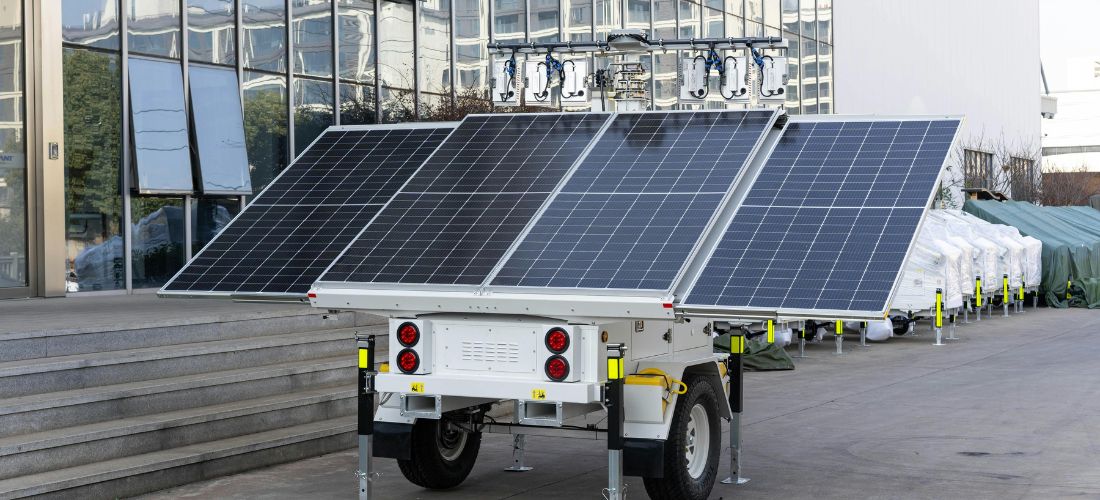
Solar panel installation for your home is becoming one of the smartest decisions Indian homeowners are making in 2026. With rising electricity bills, frequent power cuts, and growing awareness about clean energy, installing solar panels-whether 1 kW solar panels, 2 kW solar panels, or larger systems-has shifted from a “future idea” to a practical, money-saving solution.
This guide explains the home solar panel installation cost in India in 2026 in a simple, transparent, and human way. No jargon. No hype. Just real explanations, real numbers, and practical insights to help you decide what’s right for your home.
Understanding Home Solar Panel Systems
Before talking about cost, it’s important to understand what you are actually paying for when you install solar panels for your home.
A home solar panel system is not just panels on a roof. It’s a complete setup where multiple components work together to generate electricity safely and efficiently.
Read More – Solar panel Structure
Main Components of a Home Solar Panel System
A standard rooftop solar system in India usually includes:
- Solar panels
- Solar inverter
- Mounting structure
- DC & AC wiring
- Junction boxes & safety devices
- Battery (optional, only for backup systems)
Each component affects the final installation cost.
Solar Panels: The Heart of the System
Solar panels (also called PV panels) capture sunlight and convert it into electricity. In 2026, Indian homes mostly use these types:
- Monocrystalline / Mono PERC panels
- Polycrystalline panels
- Half-cut solar panels
- Bifacial panels (in premium setups)
Which Solar Panels Are Common for Homes?
For most residential users:
- 1 kW solar panels and 2 kW solar panels are the most popular
- Mono PERC and half-cut panels dominate due to better efficiency and longer life
High-efficiency panels cost more, but they:
- Need less roof space
- Generate more units per day
- Perform better in Indian heat conditions
That’s why many homeowners now prefer them despite the slightly higher price.
Solar Inverters: Converting Power for Daily Use
Solar panels generate DC electricity, but homes run on AC electricity. This conversion is done by a solar inverter.
Types of Inverters Used in Homes
- String Inverters
- Most common
- Cost-effective
- Suitable for simple rooftop layouts
- Micro Inverters
- Installed panel-wise
- Better performance in shaded areas
- Higher cost
- Hybrid Inverters
- Used when batteries are included
- Higher upfront investment
The inverter choice directly impacts your solar panel installation cost in India.
Mounting Structure: Holding Everything in Place
Solar panels must be mounted safely to handle:
- High winds
- Heavy rain
- Summer heat
- Long-term load
Types of Mounting Structures
- Rooftop mounting (most common)
- Elevated structures for concrete roofs
- Tin-sheet roof structures
- Ground-mounted structures (rare for homes)
Better quality structures increase durability but add to cost.
Read More – 5kw hybrid Solar
Batteries: Optional but Useful
Batteries store excess power for night-time or power cuts. In India, most homes still prefer on-grid systems without batteries because:
- Batteries increase upfront cost significantly
- Net metering allows grid export
- Maintenance is higher
However, batteries are useful in:
- Areas with frequent power cuts
- Homes needing backup power
Factors Affecting Home Solar Panel Installation Cost in India (2026)
There is no single fixed price for solar installation. Costs depend on multiple real-world factors.
1. System Size (kW Capacity)
The biggest cost factor is system size:
- 1 kW solar panels → Small homes, low usage
- 2 kW solar panels → 2–3 BHK homes
- Larger systems → Villas, high consumption households
Bigger systems cost more but reduce per-unit price.
2. Type & Quality of Solar Panels
- High-efficiency panels = higher upfront cost
- Budget panels = lower cost, slightly less output
Most people in 2026 balance cost + performance instead of choosing the cheapest option.
3. Solar Panel Manufacturing Company
The brand you choose matters.
A reputed solar panel manufacturing company offers:
- Certified panels (ALMM, BIS, IEC)
- Long warranties (25 years)
- Stable performance
- Better resale & service support
Unbranded or low-quality panels may look cheap but often fail early.
4. Roof Type & Installation Complexity
Costs increase if:
- Roof is small or uneven
- Extra structure height is needed
- Access is difficult
Flat concrete roofs are the easiest and cheapest to install on.
5. Government Subsidy & Net Metering
Government schemes can reduce installation cost significantly. Subsidies vary by:
- State
- System size
- Residential eligibility
Net metering further improves savings by exporting excess units to the grid.
Average Solar Panel Installation Cost in India (2026)
Below is a simple and user-friendly table showing average prices.
Average Solar Panel Installation Cost by System Size
| Solar System Size | Approx Cost (₹) |
|---|---|
| 1 KW | ₹65,000 – ₹85,000 |
| 2 KW | ₹1,05,000 – ₹1,25,000 |
| 3 KW | ₹1,50,000 – ₹1,70,000 |
| 4 KW | ₹1,85,000 – ₹2,05,000 |
| 5 KW | ₹2,30,000 – ₹2,50,000 |
| 6 KW | ₹2,85,000 – ₹2,95,000 |
| 7 KW | ₹3,15,000 – ₹3,25,000 |
| 8 KW | ₹3,60,000 – ₹3,80,000 |
| 9 KW | ₹4,05,000 – ₹4,15,000 |
| 10 KW | ₹4,50,000 – ₹4,60,000 |
Prices are indicative and may vary.
Solar Panel Installation Cost Per Watt in India
Larger systems get cheaper per watt.
Cost Per Watt Table (2026)
| System Capacity | Approx Cost per Watt (₹) |
|---|---|
| 1 KW | ₹65 |
| 5 KW | ₹60 |
| 10 KW | ₹56 |
| 15 KW | ₹59 |
| 20 KW | ₹58 |
| 25 KW | ₹57 |
| 50 KW | ₹56 |
| 100 KW | ₹56 |
| 250 KW | ₹51 |
| 500 KW | ₹48 |
| 1 MW | ₹46 |
This explains why many homeowners upgrade capacity once they see savings.
How Much Electricity Can Solar Panels Generate?
On average in India:
- 1 kW solar panels → 4–5 units/day
- 2 kW solar panels → 8–10 units/day
This depends on:
- Location
- Sunlight hours
- Panel efficiency
- Roof direction
Maintenance Cost of Solar Panels
One underrated benefit of solar panels for your home is low maintenance.
Typical costs:
- Panel cleaning: ₹1,000–₹2,000/year
- Inverter servicing: minimal
- Panel lifespan: 25+ years
No fuel, no noise, no daily attention.
Choosing the Right Solar Panel Manufacturing Company
Always choose a trusted solar panel manufacturing company that provides:
- ALMM-listed panels
- BIS, IEC & ISO certifications
- 25-year performance warranty
- Indian manufacturing support
This ensures:
- Subsidy eligibility
- Long-term reliability
- Peace of mind
Why 2026 Is a Good Time to Install Solar Panels
Several reasons make 2026 ideal:
- Electricity tariffs increasing yearly
- Improved panel efficiency
- Better government support
- Faster ROI (3–5 years)
- Higher awareness & skilled installers
Solar is no longer experimental-it’s mainstream.
Things to Check Before Installing Solar Panels for Your Home
Before finalizing:
- Roof size & shadow-free area
- Monthly electricity units
- Local DISCOM net metering rules
- Installer experience
- Panel brand & warranty
A good installer will explain everything clearly—avoid those who rush.
Final Thoughts: Is Solar Worth the Cost in 2026?
Yes-home solar panel installation in India in 2026 is one of the most practical long-term investments for homeowners. While the upfront cost may look high, the savings, energy independence, and environmental benefits make it worth it.
Whether you start with 1 kW solar panels, upgrade to 2 kW solar panels, or plan a larger setup, solar panels for your home offer stability in an unpredictable energy future.
If chosen wisely—from the right system size to the right solar panel manufacturing company-solar becomes less of an expense and more of a smart asset for your home.
If you’re planning solar, take time, compare options, and invest thoughtfully. 🌞
Disclaimer: Basic standard prices are not fixed. Actual commercial solar system costs may vary depending on system size, location, equipment quality, installation conditions, and applicable government policies. Prices can change at any time.
Frequently Asked Questions
1. How much does it cost to install solar panels for a home in India in 2026?
In 2026, the average cost of installing solar panels for your home in India usually starts from around ₹65,000 for 1 kW solar panels and can go up to ₹4.5–5 lakh for a 10 kW system. The final price depends on system size, panel quality, inverter type, roof structure, and location.
Disclaimer: Yeh basic standard price hai, exact cost thodi kam ya zyada ho sakti hai.
2. What is the cost of 1 kW solar panels for home use?
The installation cost of 1 kW solar panels in India generally ranges between ₹65,000 to ₹85,000 in 2026. This usually includes panels, inverter, mounting structure, wiring, and basic installation. Battery cost is extra if you choose backup.
3. How much roof space is needed for 1 kW and 2 kW solar panels?
Approximate roof space required:
-
1 kW solar panels: 80–100 sq. ft.
-
2 kW solar panels: 160–200 sq. ft.
The exact space depends on panel efficiency and mounting style. High-efficiency panels need less space.
4. Is 2 kW solar panels enough for an average Indian home?
Yes, 2 kW solar panels are sufficient for a small to medium household with basic usage like lights, fans, TV, refrigerator, and washing machine. Homes with air conditioners or higher consumption may need 3 kW or more.
5. How many units of electricity do solar panels generate per day?
On average in India:
-
1 kW solar panels generate around 4–5 units per day
-
2 kW solar panels generate around 8–10 units per day
Generation depends on sunlight, location, season, and panel quality.
6. Do solar panels work during cloudy days or monsoon?
Yes, solar panels still work on cloudy or rainy days, but power generation is lower. Panels generate electricity from daylight, not direct sunlight alone. Modern solar panels are designed to perform well even in Indian monsoon conditions.
