
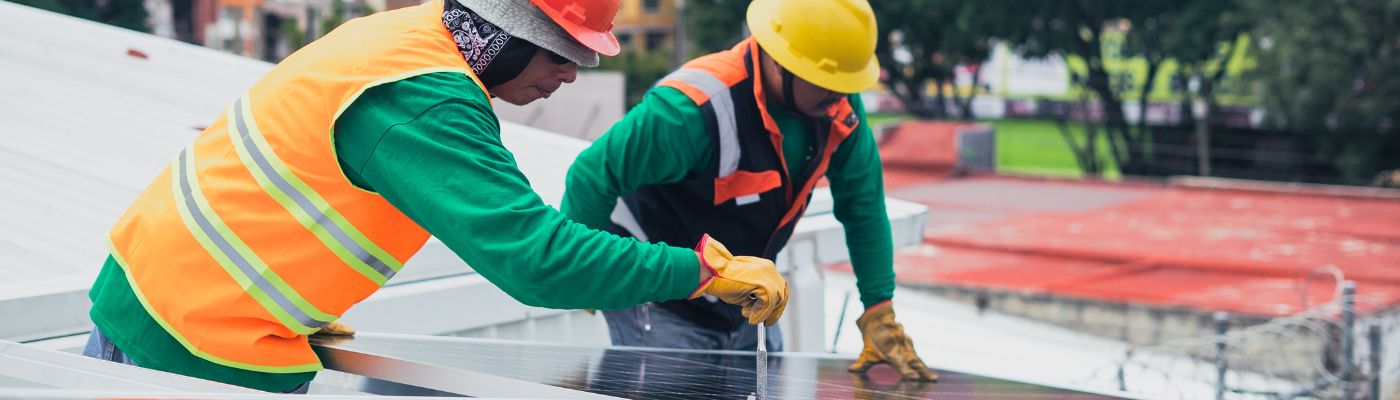
Solar maintenance services in India are essential for long-term performance, and KLKindia ensures that your solar system continues to deliver maximum output year after year. If you already use solar power or plan to switch soon, you’ve probably heard one common line from every installer: Maintenance is simple.
And yes, solar systems don’t need too much attention. But if you want your panels to perform at their best for 20–25 years, you must treat maintenance as a core part of the system—not an optional task.
Why Solar Maintenance Matters More in India
India gets excellent sunlight, but it also gets heavy dust, pollution, bird droppings, hard water stains, extreme heat, and monsoon moisture. These conditions directly reduce solar performance.
A few real examples:
- In Delhi NCR, a commercial rooftop system can lose 20–30% efficiency due to dust within a few weeks.
- In Rajasthan, sandstorms layer panels with fine dust, blocking sunlight almost completely.
- In coastal states like Gujarat, moisture and salt deposition can damage metal frames and connectors.
- In small towns, improper wiring or loose connections often cause downtime in off-grid solar systems.
This is why maintenance is not only about cleaning; it’s about inspection, monitoring, safety checks, and system optimization.
What Does Solar Maintenance Include?
A professional solar maintenance service provider like Klkindia usually offers these key services:
1. Solar Panel Cleaning
Solar panels work on sunlight. If sunlight can’t reach the cells because of dust or stains, power drops immediately.
A proper cleaning service includes:
- Dust removal
- Hard water stain removal
- Bird dropping removal
- Cleaning with soft brushes and silicone wipers
- Use of DM (de-mineralized) water to avoid marks
- Safety harness and equipment for high rooftops
Typical cleaning frequency in India:
- Residential homes: Every 20–30 days
- Commercial rooftops: Every 7–15 days
- Industrial mega roofs: Weekly
- Off-grid systems: Once a month (minimum)
Practical tip:
Avoid washing panels with hard water, because mineral deposits can leave stains that permanently reduce efficiency.
2. System Inspection & Performance Audit
A smart maintenance company doesn’t just clean panels-they audit the entire system.
This includes:
- Checking wiring, MC4 connectors, fuses, and junction boxes
- Inspecting inverter logs
- Checking battery health (for off-grid systems)
- Finding hotspots on panels
- Inspecting earthing, surge protection, and grounding
- Verifying that the system is generating expected units
Many system owners discover too late that their system was underperforming for months. A simple audit could prevent that.
3. Inverter & Electrical Maintenance
The inverter is the “heart” of a solar system. When it fails, the whole system shuts down.
Maintenance involves:
- Checking cooling fans
- Cleaning vents
- Updating firmware
- Testing AC/DC components
- Ensuring error codes are resolved
- Checking grid voltage fluctuations (common in India)
Tip:
Many inverters show minor warnings on their display that users ignore. These warnings often signal upcoming failures.
4. Battery Maintenance (Only for Off-Grid Solar Systems)
An off-grid system depends heavily on batteries. Poor battery care leads to:
- Low backup
- Shorter battery lifespan
- High replacement cost
Battery maintenance includes:
- Checking electrolyte levels (for lead-acid)
- Measuring voltage and specific gravity
- Cleaning terminals
- Checking battery health via load testing
- Ensuring no overcharging or deep discharge
Common mistake:
People often use cheap inverters or mismatched batteries, which reduces overall performance. A maintenance provider can guide you on replacements and upgrades.
5. Structural & Safety Maintenance
A rooftop system needs safe mounting to handle storms, monsoons, and strong winds.
Maintenance teams check:
- Mounting structures for rust
- Loose nuts and bolts
- Waterproofing around the mounting points
- Earthing and lightning arresters
- Cable management and conduit safety
This is extremely important for commercial rooftop systems, where long cable runs and large structures are used.
Types of Solar Systems That Need Maintenance
India uses several categories of solar systems, and each one has different maintenance needs.
1. Solar Panels for Home
Homeowners usually install a 1 kW–10 kW rooftop system. These are easy to maintain but still need:
- Monthly cleaning
- Yearly system check
- Inverter servicing
- Replacement of DC cables after 5–7 years
- Checking for bird nests under the panels
Tip:
Homes with heavy bird activity should install bird spike guards or netting to prevent nests.
2. Commercial Rooftop Solar Systems
Offices, warehouses, schools, and factories install 20 kW to multi-MW systems.
These systems need:
- Frequent cleaning (at least twice a month)
- Detailed performance audits
- Thermal imaging to detect hotspots
- Monthly inverter inspection
- Annual preventive maintenance
Why this matters:
If a commercial system loses even 5% performance, the financial loss is huge because the system generates thousands of units per day.
3. Off-Grid Solar System
Off-grid systems are popular in rural areas, farms, small shops, cabins, and remote sites.
They need more maintenance because:
- Batteries require regular checks
- Charge controllers must be calibrated
- Panels must always stay clean for maximum charging
- Wiring must be inspected to avoid unexpected shutdowns
Tip:
Never mix old and new batteries in an off-grid setup.
4. Hybrid Solar Systems
These systems run on solar + battery + grid.
Maintenance includes:
- Synchronizing power modes
- Updating hybrid inverter firmware
- Monitoring battery cycles
- Checking daytime and nighttime power flow
Many homeowners choose hybrid systems because they get backup without going fully off-grid.
Benefits of Hiring a Professional Solar Maintenance Service Provider
While many people try DIY cleaning, professional maintenance has clear advantages.
1. Higher Performance & More Electricity
A clean, well-maintained system can generate 15–40% more power than a neglected one.
2. Longer System Life
Good maintenance easily adds 5–7 extra years to panels and inverters.
3. Safety
High rooftops, electrical systems, and live wires are risky if handled without proper training.
4. Less Breakdown & Unexpected Shutdowns
Regular checks prevent:
- Loose connectors
- Cracked panels
- Inverter failure
- Battery damage (for off-grid systems)
5. Better ROI
Solar is an investment. Maintenance protects your investment.
What to Look for in a Solar Maintenance Provider in India
Choosing the right service provider matters. Here’s what you should check:
- Experience with both residential and commercial systems
- Trained technicians
- Use of DM water and soft cleaning tools
- Inverter expertise
- Battery maintenance capability
- Safety equipment
- Monthly reports and unit generation tracking
- Affordable annual maintenance contracts (AMC)
How Often Should Solar Panels Be Cleaned in India?
Different regions need different cleaning schedules:
| Region | Cleaning Frequency |
| Industrial areas | Weekly |
| North India (dusty cities) | Every 10–15 days |
| Coastal areas | Every 20 days |
| Residential rooftops | 20–30 days |
| Off-grid rural setups | Monthly |
Tips for Homeowners to Keep Solar Panels Performing Well
- Don’t climb the roof without safety.
- Never use detergent on panels.
- Try cleaning early morning or late evening.
- Check inverter display weekly.
- Keep plants or trees trimmed so they don’t cause shadows.
- Monitor monthly electricity bills to track performance.
Conclusion: Solar Maintenance Is Not Optional-It’s Essential
Whether you’re using a solar product for home, running a commercial rooftop system, or depending on an off-grid solar system, maintenance plays a huge role in long-term performance. Solar panels are durable, but the Indian climate demands regular care.
A professional solar maintenance service provider in India like Klkindia ensures:
- Higher performance
- Longer system lifespan
- Safer operations
- Better savings
- Maximum ROI
Switching to solar is smart, but maintaining it properly is even smarter. With the right care, your system can deliver clean energy for decades – without expensive repairs or sudden breakdowns.
