
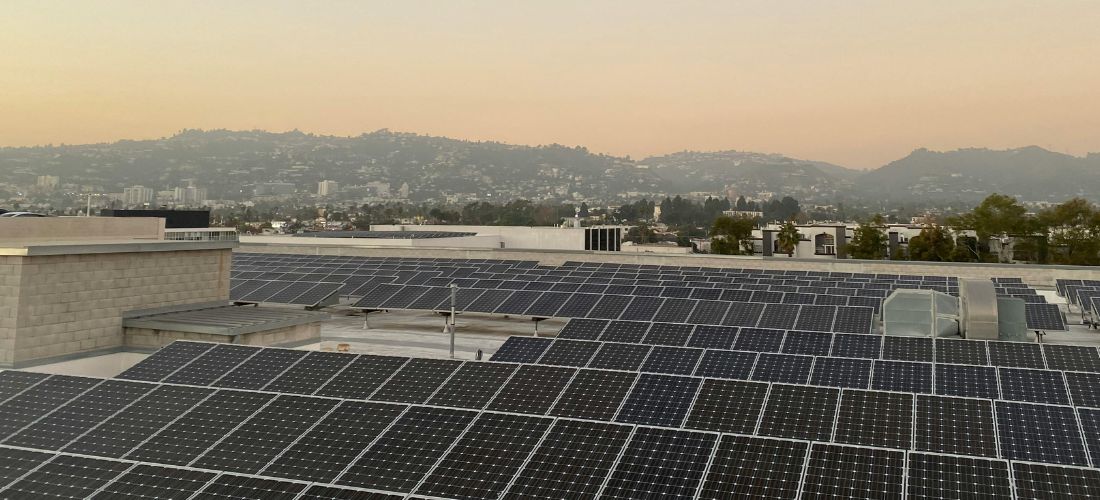
Rooftop Solar Power Plants are becoming one of the smartest energy choices for homes, businesses, and industries today. With rising electricity costs and growing awareness about clean energy, rooftop solar is helping people generate their own power using sunlight, right from their rooftops.
Instead of depending completely on the grid, a rooftop solar system allows you to produce electricity using solar panels installed on your roof and reduce your monthly power bills in a sustainable way.
What is Rooftop Solar?
Rooftop solar refers to a solar power system installed on the roof of a residential, commercial, or industrial building. It uses solar panels to capture sunlight and convert it into electricity that can be used to run lights, fans, appliances, machines, and more.
These systems are connected either:
- Directly to the electricity grid (on-grid)
- With battery storage (off-grid)
- Or a mix of both (hybrid)
Rooftop solar power plants are designed to use unused roof space efficiently while generating clean, renewable energy for everyday use.
How Rooftop Solar Power Plants Work
The working of rooftop solar is simple and practical.
Here’s how it happens step by step:
- Solar panels absorb sunlight during the day
- The panels convert sunlight into DC electricity
- An inverter converts DC power into usable AC power
- This electricity runs your home or business
- Extra power (in on-grid systems) is sent back to the electricity grid
This process happens automatically once the system is installed and switched on.
Main Components of a Rooftop Solar Power Plant
A rooftop solar installation includes a few essential parts that work together:
Solar Panels
Solar panels are the most visible part of the system. They are made of photovoltaic (PV) cells that capture sunlight and generate electricity.
Solar Inverter
The inverter converts DC electricity from solar panels into AC electricity that your appliances can use.
Mounting Structure
This structure holds the solar panels firmly on the roof at the right angle to get maximum sunlight.
Electrical Wiring & Safety Devices
These include cables, switches, and protection devices to ensure safe power flow.
Net Meter (for On-Grid Systems)
A net meter records how much electricity you consume from the grid and how much extra power you send back.
Read More – 5 mw solar power plant
Types of Rooftop Solar Power Plants
Choosing the right type of rooftop solar system depends on your electricity needs and location.
On-Grid Rooftop Solar System
- Connected to the electricity grid
- No battery required
- Most cost-effective option
- Ideal for areas with reliable power supply
Off-Grid Rooftop Solar System
- Works independently from the grid
- Uses batteries to store electricity
- Suitable for remote areas or frequent power cuts
Hybrid Rooftop Solar System
- Combination of on-grid and off-grid
- Includes battery backup
- Provides flexibility and power security
Benefits of Rooftop Solar Power Plants
Rooftop solar power plants offer many long-term advantages beyond just saving money.
Lower Electricity Bills
Once installed, solar panels generate free electricity from sunlight, reducing dependency on grid power.
Clean and Renewable Energy
Solar energy does not produce pollution, smoke, or harmful gases.
Better Use of Roof Space
Unused rooftops are turned into productive energy-generating assets.
Low Maintenance
Solar systems require minimal maintenance, mostly periodic cleaning and basic checks.
Long System Life
Most solar panels last 25 years or more with consistent performance.
Who Can Install Rooftop Solar?
Rooftop solar power plants are suitable for:
- Independent houses
- Apartments (with shared rooftops)
- Schools and colleges
- Hospitals
- Offices and IT parks
- Factories and warehouses
- Retail stores and malls
As long as the roof is strong and receives adequate sunlight, solar installation is possible.
Is Your Roof Suitable for Solar Installation?
Before installing solar panels, a basic roof assessment is important.
Check these factors:
- Roof should receive direct sunlight for most of the day
- Minimal shadow from trees or nearby buildings
- Sufficient space for required panel capacity
- Strong structure to support panel weight
- Preferably south-facing for better efficiency
A professional site survey usually confirms these points.
Rooftop Solar Installation Process
The solar installation process is systematic and well-planned.
Step 1: Site Survey
Experts inspect your roof, sunlight exposure, and electricity usage.
Step 2: System Design
Based on your needs, the system size and layout are planned.
Step 3: Approvals (for On-Grid)
Utility approvals and net metering paperwork are completed.
Step 4: Installation
Solar panels, inverter, and wiring are installed on the rooftop.
Step 5: Testing and Commissioning
The system is tested and activated for regular use.
Understanding Solar System Capacity
Solar power plant capacity is measured in kilowatts (kW).
Approximate idea:
- 1 kW system needs around 80–100 sq. ft. of roof space
- 1 kW can generate 4–5 units of electricity per day (average)
The right system size depends on your monthly electricity consumption.
Simple Cost Comparison Table
| System Size | Approx Roof Area | Daily Power Generation | Suitable For |
|---|---|---|---|
| 1 kW | 80–100 sq. ft. | 4–5 units | Small homes |
| 3 kW | 250–300 sq. ft. | 12–15 units | Medium homes |
| 5 kW | 400–500 sq. ft. | 20–25 units | Large homes |
| 10 kW | 800–1000 sq. ft. | 40–50 units | Commercial use |
Disclaimer:
Basic standard prices are not specific and may vary widely depending on location, brand, installation quality, subsidies, and site conditions. Actual cost kuch bhi ho sakta hai.
Maintenance Tips for Rooftop Solar Power Plants
Maintaining a rooftop solar system is easy but important.
Practical tips:
- Clean solar panels every 15–30 days
- Remove dust, bird droppings, and leaves
- Check inverter display for errors
- Ensure wiring remains secure
- Schedule annual professional inspection
Clean panels can improve energy output noticeably.
Solar Panels Performance in Indian Conditions
India has strong sunlight for most of the year, making rooftop solar highly effective.
Key points:
- Solar panels are designed to withstand high temperatures
- Modern panels work efficiently even in dusty environments
- Monsoon season does not damage panels when installed properly
This makes rooftop solar a reliable long-term solution in Indian cities and towns.
Government Support and Policies (Overview)
The Indian government promotes rooftop solar through:
- Net metering policies
- Subsidies (for residential users in many states)
- Simplified approval processes
Policies may vary by state, so local verification is always recommended.
Things to Consider Before Installing Rooftop Solar
Before finalizing solar installation, think about:
- Your average monthly electricity bill
- Available rooftop space
- Future electricity needs
- Type of system (on-grid, off-grid, hybrid)
- Quality of solar panels and inverter
- Installer’s experience and service support
Making informed decisions ensures better long-term performance.
Why Rooftop Solar Power Plants Are a Smart Investment
Rooftop solar power plants are not just about saving money—they’re about energy independence and sustainability.
They help:
- Reduce carbon footprint
- Increase property value
- Protect against rising electricity tariffs
- Support a cleaner environment
Over time, the benefits clearly outweigh the initial investment.
Final Thoughts
Rooftop solar power plants offer a practical, eco-friendly, and future-ready energy solution. Whether for homes or businesses, solar installation allows you to turn sunlight into savings while contributing to a greener planet.
If planned correctly and installed by experienced professionals, a rooftop solar system can serve you reliably for decades with minimal effort.
Frequently Asked Questions
1. What is a rooftop solar power plant?
Ans – A rooftop solar power plant is a system where solar panels are installed on the roof of a building to generate electricity using sunlight. The power produced can be used for daily needs like lighting, fans, and appliances, helping reduce dependence on grid electricity.
2. How does rooftop solar work?
Ans – Solar panels absorb sunlight and convert it into electricity. This electricity passes through a solar inverter, which makes it usable for homes or businesses. Any extra power generated can be sent back to the grid in on-grid systems.
3. Is rooftop solar suitable for homes?
Ans – Yes, rooftop solar is ideal for homes with sufficient roof space and good sunlight exposure. Independent houses, villas, and even apartments with shared rooftops can install rooftop solar power plants.
4. How much roof area is needed for solar panels?
Ans – On average, a 1 kW rooftop solar system needs around 80–100 square feet of shadow-free roof space. The exact area depends on the type and efficiency of the solar panels used.
5. What are the main types of rooftop solar systems?
Ans – There are three main types:
-
On-grid solar system (connected to electricity grid)
-
Off-grid solar system (with battery backup)
-
Hybrid solar system (grid + battery)
The choice depends on power usage and backup needs.
