
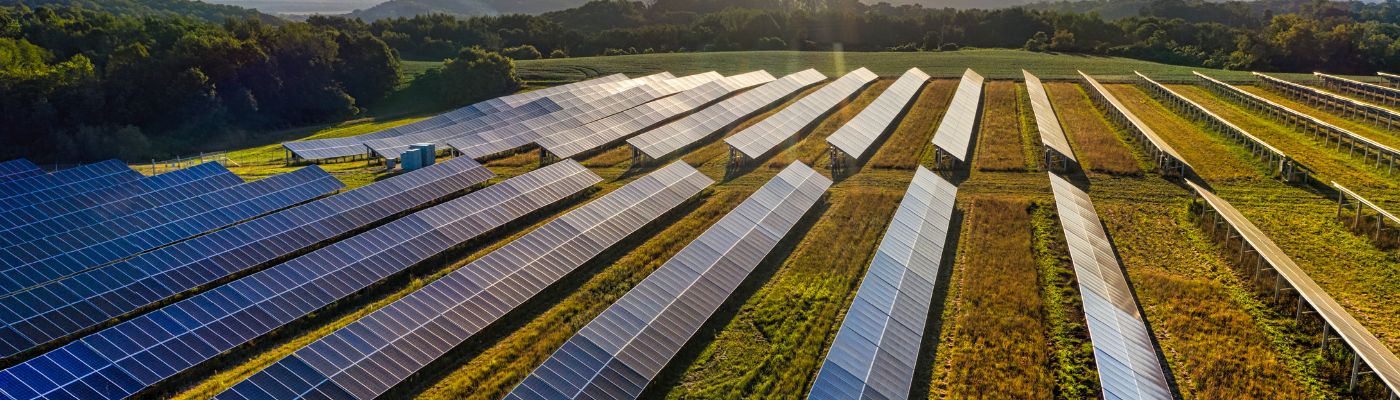
In today’s world, the demand for cleaner and more sustainable energy is increasing very fast. Solar Energy is becoming one of the most practical solutions to reduce environmental damage and fight climate change. When we use a solar power system, we directly reduce harmful emissions and depend less on fossil fuels. Solar power and solar panels are not just energy options anymore-they are long-term environmental solutions that help protect our planet for future generations.
In simple words, solar energy helps us produce electricity without polluting the air. It reduces carbon emissions, saves natural resources, and supports a cleaner lifestyle. In this blog, we will understand how solar energy helps reduce carbon footprint in a practical and easy way.
What is a Carbon Footprint?
A carbon footprint means the total amount of greenhouse gases released into the atmosphere because of human activities. These gases mainly include carbon dioxide (CO₂), which comes from electricity production, transportation, factories, and even household usage.
Most of the electricity we use today is generated from coal and natural gas. These fuels release a large amount of CO₂ when burned. This is one of the biggest reasons behind global warming and climate change.
Reducing carbon footprint means reducing these harmful emissions. One of the most effective ways to do that is by switching to solar energy and using a solar power system instead of fossil fuels.
How Solar Energy Helps Reduce Carbon Footprint
Solar energy plays a major role in reducing carbon emissions. It replaces polluting energy sources with clean and renewable sunlight. Let’s understand this in simple parts.
1. Replacing Fossil Fuels with Clean Energy
Traditional electricity is generated by burning coal, oil, or gas. This process releases large amounts of carbon dioxide into the air.
But when we use solar panels, sunlight is directly converted into electricity without burning anything. A solar power system works silently and cleanly without producing smoke or harmful gases.
This simple replacement has a huge environmental impact because:
- No fuel is burned
- No carbon emissions are released during power generation
- Renewable sunlight is used instead of limited resources
Over time, even a small solar installation can significantly reduce pollution levels.
2. Cutting Greenhouse Gas Emissions
One of the biggest advantages of solar energy is the reduction of greenhouse gases.
On average, a home using solar power can reduce around 3–4 tons of CO₂ every year. This is equal to the emissions produced by driving a car for thousands of kilometers.
When many homes and businesses switch to solar energy, the impact becomes massive at a national and global level.
3. Reducing Transmission Losses
Electricity usually travels long distances from power plants to homes. During this journey, some energy is lost in transmission lines.
But with a solar power system, electricity is produced right where it is used-on rooftops, buildings, or local setups. This reduces energy loss and improves efficiency.
Less energy loss means:
- Less fuel consumption in power plants
- Lower emissions
- Better energy efficiency overall
4. Encouraging Sustainable Lifestyles
When people install solar panels, they often become more aware of energy usage. They start saving electricity, reducing waste, and choosing eco-friendly habits.
This creates a positive lifestyle change:
- Turning off unused appliances
- Using energy-efficient devices
- Reducing unnecessary power consumption
So solar energy doesn’t just reduce carbon footprint directly-it also changes behavior in a sustainable direction.
Environmental Benefits of Solar Energy
The impact of solar energy goes beyond carbon reduction. It also improves air quality and protects natural resources.
Cleaner Air and Water
Unlike coal plants, solar energy does not release harmful gases like sulfur dioxide or nitrogen oxides. These pollutants are responsible for smog and breathing problems.
With solar energy:
- Air becomes cleaner
- Water sources are not polluted by industrial waste
- Health risks reduce in urban areas
Conserving Natural Resources
Fossil fuels like coal and oil take millions of years to form and are being used up quickly. Solar energy, on the other hand, uses sunlight-a resource that will never run out.
By using solar panels, we reduce:
- Coal mining
- Oil drilling
- Natural habitat destruction
This helps preserve the environment for future generations.
Climate Change Mitigation
Every unit of electricity generated through solar instead of fossil fuels helps slow down global warming.
Widespread use of a solar power system can:
- Reduce global temperature rise
- Stabilize weather patterns
- Reduce extreme climate events
Economic and Social Benefits of Solar Energy
Solar energy is not only good for the environment but also beneficial for society and the economy.
Saving on Electricity Bills
Once a solar power system is installed, electricity costs drop significantly. Many households save a large portion of their monthly bills.
Even though installation has an initial cost, long-term savings make solar a smart investment.
Energy Independence
Solar energy allows users to generate their own electricity. This reduces dependence on:
- Power companies
- Fuel imports
- Rising electricity prices
Energy independence gives both financial stability and security.
Creating Green Jobs
The solar industry is creating thousands of jobs in:
- Manufacturing solar panels
- Installation work
- Maintenance services
- Solar system design
This helps economic growth while protecting the environment.
Solar Power vs Fossil Fuels: Carbon Comparison
| Energy Source | CO₂ Emission per kWh | Environmental Impact |
|---|---|---|
| Coal | High (800+ g CO₂) | Very harmful |
| Natural Gas | Medium (450–500 g) | Polluting |
| Solar Energy | Very Low (20–40 g) | Clean & renewable |
This comparison clearly shows that solar energy is one of the cleanest sources of electricity available today.
Over time, solar panels compensate for the emissions created during manufacturing and continue producing clean energy for 25+ years.
How Individuals Can Reduce Carbon Footprint with Solar
Every individual can contribute to reducing pollution through small but effective actions.
- Install rooftop solar panels at home
- Choose a reliable solar power system based on energy needs
- Combine solar energy with energy-efficient appliances
- Avoid unnecessary electricity usage
- Encourage others to switch to solar energy
Even small steps matter when millions of people participate.
Future of Solar Energy
The future of solar energy is very promising. Technology is improving every year, making solar systems more efficient and affordable.
Some future developments include:
- High-efficiency solar panels
- Battery storage systems for nighttime use
- Smart solar grids
- Floating solar farms
As prices continue to fall, more households and businesses will adopt solar energy. This will lead to a major reduction in global carbon emissions.
Conclusion
Switching to solar energy is one of the most powerful ways to reduce carbon footprint and protect the environment. A solar power system helps reduce greenhouse gas emissions, saves natural resources, and supports a cleaner future. With growing awareness and better technology, solar power is becoming a key solution for sustainable living.
Choosing solar panels is not just about saving electricity bills-it is about making a responsible decision for the planet. Every small step toward solar energy contributes to a healthier environment and a greener future.
At klk venteures, we believe in promoting sustainable energy solutions that support both environmental protection and long-term savings.
Disclaimer: basic standrad price is not a specific price; Anything can happen.
