
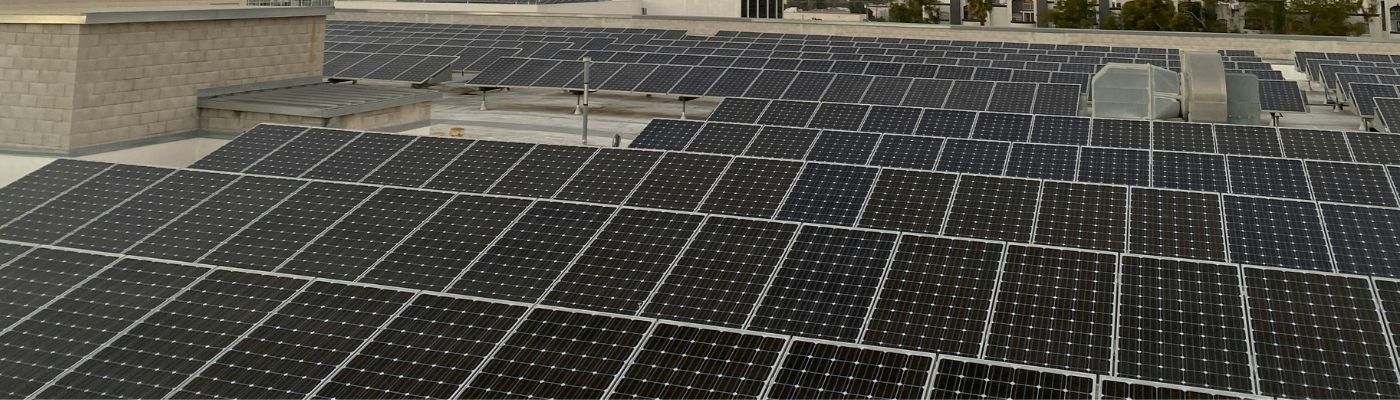
Half Cut Solar Panels are a modern solar panel technology designed to improve efficiency and performance. In this type of panel, traditional solar cells are cut into two smaller halves. This design reduces energy loss, improves power output, and allows the panel to perform better in different weather conditions.
Half Cut Solar Panels are becoming increasingly popular for residential, commercial, and industrial solar installations because they offer higher efficiency, better durability, and improved performance even in partially shaded areas.
Understanding How Half Cut Solar Panels Work
To understand Half Cut Solar Panels, it helps to know how a normal solar panel works. Traditional solar panels use full-sized silicon solar cells connected together to generate electricity from sunlight.
In Half Cut Solar Panels, each standard solar cell is cut into two equal halves using a laser cutting process. This creates smaller cells that carry lower electrical current. Because the current flow is reduced, electrical resistance inside the panel also decreases.
Lower resistance means less power loss and better efficiency.
Another important design feature is that Half Cut Solar Panels are divided into two separate sections (upper and lower). Each section works independently, which helps the panel continue producing electricity even if one part is shaded.
This simple design change significantly improves performance compared to standard solar panels.
Key Features of Half Cut Solar Panels
Half Cut Solar Panels include several advanced design features that make them more efficient and reliable.
Some important features include:
- Solar cells cut into two halves
- Reduced electrical resistance
- Lower heat generation
- Better performance in partial shading
- Improved durability and lifespan
- Higher energy output
Because of these features, Half Cut Solar Panels are widely used in modern solar power systems.
Types of Half Cut Solar Panels
Different types of Half Cut Solar Panels are available depending on the solar cell technology used. Each type offers different efficiency levels and price ranges.
1. Monocrystalline Half Cut Solar Panels
Monocrystalline Half Cut Solar Panels are made from high-purity single-crystal silicon. These panels are known for their high efficiency and strong performance.
They are a popular choice for rooftop installations where space is limited but higher energy output is required.
Key points:
- Higher efficiency
- Longer lifespan
- Better performance in hot climates
- Ideal for residential rooftops
These panels are commonly used in homes, offices, and commercial buildings.
2. Polycrystalline Half Cut Solar Panels
Polycrystalline Half Cut Solar Panels are made using multiple silicon crystals. Because of the manufacturing process, they are usually more affordable than monocrystalline panels.
However, their efficiency is slightly lower.
Key points:
- Lower cost
- Good for large installations
- Slightly lower efficiency
- Suitable for ground-mounted systems
Many businesses choose these panels when budget is a priority.
3. Mono PERC Half Cut Solar Panels
Mono PERC Half Cut Solar Panels combine two advanced technologies – PERC technology and half cut cell design.
PERC (Passivated Emitter and Rear Cell) improves light absorption by reflecting unused light back into the solar cell. This increases the total energy generated by the panel.
Key points:
- Higher power output
- Better low-light performance
- Improved efficiency
- Popular for rooftop solar systems
These panels are widely used in modern solar installations due to their strong performance.
4. Bifacial Half Cut Solar Panels
Bifacial Half Cut Solar Panels can generate electricity from both the front and the back side of the panel.
The front side absorbs direct sunlight, while the rear side captures reflected light from surfaces such as roofs, concrete, or ground.
Key points:
- Dual-side power generation
- Higher total energy production
- Ideal for open areas
- Common in solar farms
These panels are often used for large solar power plants or ground-mounted systems.
Advantages of Half Cut Solar Panels
Half Cut Solar Panels offer several advantages compared to traditional solar panels.
Higher Efficiency
Because each solar cell is smaller, the electrical current flowing through the panel is reduced. This lowers resistive losses and improves overall energy production.
As a result, Half Cut Solar Panels generate more electricity from the same sunlight.
Better Performance in Partial Shading
Traditional solar panels can lose a large amount of power when part of the panel is shaded.
Half Cut Solar Panels solve this problem by dividing the panel into two independent sections. If one section is shaded, the other section can still produce electricity.
This feature is especially useful in cities where buildings, trees, or structures can block sunlight.
Lower Heat Generation
Smaller solar cells produce less electrical resistance. This helps reduce heat generation inside the panel.
Lower heat improves panel performance and also increases the lifespan of the system.
Increased Durability
Half Cut Solar Panels are designed to handle environmental stress better.
Because the solar cells are smaller, the risk of micro-cracks is reduced. This makes the panels more durable during transportation, installation, and operation.
Improved Reliability
These panels continue to produce electricity even under challenging conditions such as:
- Dust
- High temperatures
- Partial shading
- Cloudy weather
This reliability makes them a good option for many regions.
Better Energy Output Over Time
Because of improved efficiency and durability, Half Cut Solar Panels often deliver better long-term performance compared to traditional panels.
This means users can generate more electricity over the life of the solar system.
Half Cut Solar Panels vs Traditional Solar Panels
The following table explains the basic difference between traditional solar panels and Half Cut Solar Panels.
| Feature | Traditional Solar Panels | Half Cut Solar Panels |
|---|---|---|
| Solar Cell Size | Full size cells | Cells cut into two halves |
| Electrical Resistance | Higher | Lower |
| Energy Loss | More | Less |
| Efficiency | Standard efficiency | Higher efficiency |
| Shading Performance | Lower | Better |
| Heat Generation | Higher | Lower |
| Durability | Normal | Improved |
This comparison shows why Half Cut Solar Panels are considered an upgraded solar technology.
Applications of Half Cut Solar Panels
Half Cut Solar Panels are used in many different types of solar installations.
Residential Solar Systems
Homeowners install these panels on rooftops to reduce electricity bills and generate clean energy.
Because of their higher efficiency, fewer panels are required to produce the same amount of power.
Commercial Buildings
Many businesses install Half Cut Solar Panels to reduce energy costs and improve sustainability.
They are commonly used in:
- Offices
- Shopping malls
- Schools
- Hospitals
- Hotels
Industrial Solar Projects
Factories and manufacturing facilities often require large amounts of electricity.
Half Cut Solar Panels help industries generate their own power and reduce dependence on grid electricity.
Utility-Scale Solar Farms
Large solar farms use thousands of solar panels to generate electricity for the power grid.
Bifacial Half Cut Solar Panels are especially popular in these projects because they can produce additional power from reflected light.
Performance in Indian Climate
India has strong sunlight throughout the year, but it also experiences high temperatures, dust, and seasonal weather changes.
Half Cut Solar Panels perform well under these conditions.
Important benefits in Indian climate include:
- Better heat tolerance
- Higher efficiency in strong sunlight
- Improved performance in dusty environments
- Reliable power generation
Because of these advantages, many modern solar installations in India now prefer Half Cut Solar Panels.
Factors to Consider Before Buying Half Cut Solar Panels
Before choosing Half Cut Solar Panels, there are several factors that should be evaluated.
Efficiency Rating
Higher efficiency panels generate more electricity from the same sunlight.
Checking the panel efficiency helps in selecting the right product.
Panel Warranty
Most solar panel manufacturers offer warranties ranging from 10 to 25 years.
A longer warranty generally indicates better product reliability.
Installation Space
If rooftop space is limited, high-efficiency Half Cut Solar Panels can help maximize power generation.
Brand and Quality
Choosing panels from a reliable manufacturer ensures better performance and durability.
Quality certification and product testing also play an important role.
Budget
Solar panel prices vary depending on technology, efficiency, and brand.
It is important to select a panel that balances cost and performance.
Estimated Price of Half Cut Solar Panels
The cost of Half Cut Solar Panels can vary depending on several factors such as:
- Panel technology
- Watt capacity
- Brand
- Installation location
- System size
In India, the basic standard price range of Half Cut Solar Panels is generally between ₹25 to ₹40 per watt for the panel module. However, the final cost of a complete solar system also includes inverter, mounting structure, wiring, and installation charges.
Disclaimer: The basic standard price is not a specific price. Anything can happen depending on market conditions, technology updates, supply, demand, and project requirements.
Why Half Cut Solar Panels Are Becoming Popular
Solar technology is constantly improving, and Half Cut Solar Panels are one of the most important developments in recent years.
Several reasons explain their growing popularity:
- Higher efficiency
- Better shading tolerance
- Improved durability
- Lower energy loss
- Better performance in high temperatures
Because of these advantages, many solar manufacturers now produce Half Cut Solar Panels as their primary product line.
Future of Half Cut Solar Panels
The solar industry continues to evolve with new technologies and innovations.
Half Cut Solar Panels are already being combined with advanced technologies such as:
- PERC cells
- Bifacial modules
- High-efficiency monocrystalline cells
These innovations are helping improve solar panel performance even further.
As renewable energy adoption increases worldwide, Half Cut Solar Panels are expected to play an important role in future solar power systems.
Conclusion
Half Cut Solar Panels represent an important improvement in solar panel technology. By cutting traditional solar cells into two halves, these panels reduce electrical resistance, improve efficiency, and increase power generation.
They also perform better in partial shading and high-temperature environments, making them a reliable choice for residential, commercial, and industrial solar installations.
With growing demand for clean energy and improved solar technology, Half Cut Solar Panels are becoming a preferred solution for modern solar systems.
