
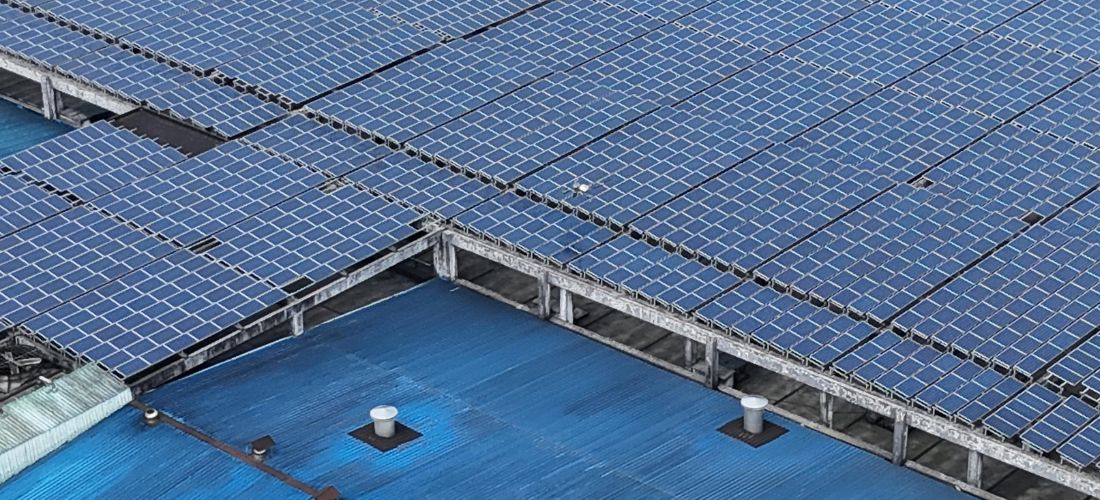
The future of solar power looks brighter than ever as countries, businesses, and households shift toward clean and renewable energy. The future of solar energy is driven by falling costs, better solar panels, smart technology, and strong government support, making solar energy one of the most reliable solutions for long-term power needs.
Introduction: Why the Future of Solar Energy Matters
The future of solar power is no longer just a concept-it is already becoming a reality across the world. As fossil fuels become expensive and climate concerns grow, solar energy is emerging as a practical, affordable, and sustainable solution. The future of solar energy depends on innovation, smarter grids, advanced solar panels, and widespread adoption of solar rooftop systems for homes and businesses.
From small houses using rooftop solar to large-scale solar farms powering cities, the future of the solar industry and renewable energy is reshaping how electricity is produced and consumed.
Understanding Solar Energy in Simple Terms
Solar energy is electricity generated by capturing sunlight using solar panels. These panels convert sunlight into direct current (DC) electricity, which is then converted into usable alternating current (AC) using an inverter.
Basic Components of a Solar System
- Solar panels
- Inverter
- Mounting structure
- Wiring and safety equipment
- Battery (optional, for storage)
In the future of solar power, these systems will become more efficient, compact, and affordable for everyone.
Why the World Is Moving Toward Solar Power
The global energy transition is happening fast, and solar energy is leading the way.
Key Reasons Solar Energy Is Growing
- Unlimited and free sunlight
- Lower electricity bills
- Reduced carbon emissions
- Energy independence
- Low maintenance
- Long lifespan of solar panels (25-30 years)
According to international energy agencies, solar power is expected to contribute a major share of new electricity generation worldwide over the next decade. This clearly shows the strength of the future of solar industry renewable energy.
The Future of Solar Power Globally
The future of solar energy at a global level is shaped by technology, policy, and awareness.
Global Solar Growth Highlights
- Solar is now one of the cheapest power sources
- Utility-scale solar farms are expanding rapidly
- Solar rooftops are increasing in urban areas
- Energy storage is improving grid reliability
Countries like China, the USA, Germany, and India are heavily investing in solar energy, strengthening the global future of solar power.
The Future of Solar Energy in India
India plays a crucial role in the future of solar power. With high sunlight availability and growing energy demand, solar energy is a natural choice.
India’s Solar Vision
- National Solar Mission
- Target of hundreds of GW solar capacity by 2030
- Promotion of solar rooftop systems
- Support for domestic solar panel manufacturing
Solar energy helps India reduce dependence on coal, cut pollution, and provide electricity to rural areas.
Solar Rooftop Systems: Powering Homes and Businesses
The solar rooftop segment is one of the fastest-growing areas in the solar industry.
Why Solar Rooftop Is the Future
- Uses unused roof space
- Reduces monthly electricity bills
- Easy installation
- Suitable for homes, schools, hospitals, and offices
In the future of solar power, rooftop solar will become a standard feature in new buildings.
Advancements in Solar Panels
Solar panels are the heart of any solar system. Continuous improvements are shaping the future of solar energy.
Types of Solar Panels
- Monocrystalline solar panels
- Polycrystalline solar panels
- Thin-film solar panels
Monocrystalline panels are currently the most efficient and widely used for residential and commercial projects.
Efficiency Improvements
- Higher power output in less space
- Better performance in low-light conditions
- Longer lifespan
These improvements make solar energy more accessible and cost-effective.
Role of Energy Storage in the Future of Solar Power
One major challenge of solar energy is that sunlight is not available at night. Energy storage solves this problem.
Why Solar Storage Is Important
- Stores excess daytime energy
- Provides power during outages
- Improves grid stability
- Enables off-grid living
In the future of solar energy, battery prices will drop, making solar-plus-storage systems common for homes and industries.
Floating Solar Projects: A Smart Use of Space
Floating solar power plants are installed on water bodies like reservoirs and lakes.
Benefits of Floating Solar
- Saves land
- Improves panel efficiency due to cooling
- Reduces water evaporation
- Ideal for countries with land constraints
Floating solar is an important innovation in the future of solar industry renewable energy.
Perovskite Solar Cells: A Game Changer
Perovskite solar cells are next-generation solar technology.
Why Perovskite Cells Matter
- Low manufacturing cost
- High efficiency potential
- Lightweight and flexible
Though still under development, they could redefine the future of solar power in the coming years.
Bifacial Solar Panels: More Power from Both Sides
Bifacial panels generate electricity from both the front and back sides.
Advantages
- Higher energy output
- Better performance on reflective surfaces
- Ideal for large solar farms
This technology improves the efficiency of solar projects without increasing land use.
AI and Smart Technology in Solar Energy
Artificial intelligence is playing a growing role in the future of solar energy.
How AI Helps Solar Systems
- Predicts energy generation
- Detects faults early
- Optimizes panel performance
- Reduces maintenance cost
Smart solar systems will become the norm in the future.
Solar Power and the Circular Economy
Sustainability goes beyond clean energy generation.
Circular Economy in Solar
- Recycling old solar panels
- Reusing materials like glass and silicon
- Reducing manufacturing waste
This approach ensures the future of solar industry renewable energy remains environmentally responsible.
Solar Power Cost Trends
Below is a basic and standard cost table to help users understand pricing trends.
| Solar System Type | Approx Basic Cost (India) | Suitable For |
|---|---|---|
| 1 kW Solar Rooftop | ₹55,000 – ₹75,000 | Small homes |
| 3 kW Solar Rooftop | ₹1.6 – ₹2.1 lakh | Medium homes |
| 5 kW Solar System | ₹2.6 – ₹3.5 lakh | Large homes |
| Commercial Solar | ₹45,000 – ₹60,000 per kW | Businesses |
| Utility-Scale Solar | Varies widely | Solar farms |
Disclaimer: The prices mentioned above are basic and standard estimates. Actual solar system prices may vary depending on location, brand, government policies, installation conditions, and market fluctuations. These figures are only for general understanding and not a final quotation.
How Solar Energy Supports Economic Growth
The future of solar power is not just about electricity-it also boosts the economy.
Economic Benefits
- Job creation
- Reduced energy imports
- Growth of local manufacturing
- Stable energy costs
Solar energy supports both environmental and economic sustainability.
Solar Energy and Climate Change
Solar power plays a key role in reducing greenhouse gas emissions.
Environmental Benefits
- Zero emissions during operation
- Reduces air pollution
- Conserves water compared to thermal power
This makes solar energy essential for fighting climate change.
Challenges in the Solar Industry
Despite rapid growth, some challenges remain.
Key Challenges
- Initial installation cost
- Grid integration
- Recycling old panels
- Skilled workforce requirement
However, continuous innovation is addressing these issues.
The Long-Term Vision of Solar Energy
Looking ahead, the future of solar energy includes:
- Solar-powered cities
- Energy-positive buildings
- Integration with electric vehicles
- Solar-powered hydrogen production
Solar will become the backbone of global energy systems.
Why Solar Power Is a Smart Choice Today
Choosing solar energy today means preparing for the future.
Reasons to Go Solar Now
- Rising electricity tariffs
- Government incentives
- Proven technology
- Long-term savings
Early adoption ensures maximum benefits from the future of solar power.
Conclusion
The future of solar power is clean, reliable, and full of opportunities. With advancements in solar panels, energy storage, AI, and smart grids, solar energy is becoming the most practical solution for global energy needs. The future of solar industry renewable energy promises lower costs, energy security, and a healthier planet for future generations.
Solar energy is not just an alternative-it is the future.
Frequently Asked Questions
1. Why is the future of solar power so important?
Solar power reduces pollution, lowers energy costs, and provides a sustainable solution for growing electricity demand.
2. What is the future of solar energy in India?
India has strong growth potential due to high sunlight, government support, and increasing demand for clean energy.
3. Are solar panels improving over time?
Yes, modern solar panels are more efficient, durable, and affordable than older versions.
4. Is solar rooftop a good investment?
Solar rooftop systems offer long-term savings, energy independence, and environmental benefits.
5. Will solar energy completely replace fossil fuels?
Solar energy will play a major role, but a mix of renewable energy sources will power the future.