
10 Types of Solar Panels in India: Cost, Efficiency & Power
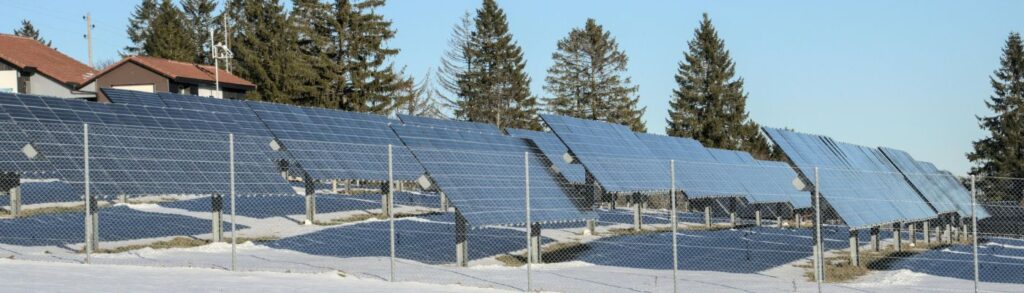
Solar energy is booming across India. As more homes and businesses explore solar power, it’s important to understand the types of solar panels (solar pv panels types) available, how they differ, and which ones best suit different use cases. In this blog, we’ll dive into 10 different types of solar panels, their costs, efficiencies, and where they are typically used from small rooftop systems to big commercial setups. Why Knowing Solar Panel Types Matters Choosing the right solar panel isn’t just about slapping some modules on your roof. Your decision impacts: How much electricity you can generate How long your system lasts The total cost (installation + maintenance) Whether you go for an On-Grid Solar System or Off-Grid Solar System How well your rooftop (or land) space is utilized What Are the 10 Types of Solar Panels? Based on current technologies widely used or emerging in India, here are the 10 types of solar panels you should know about, along with their costs, efficiency, and ideal use. 1. Monocrystalline Solar Panels Overview: These are made from a single silicon crystal. They have high purity, and their cells are usually uniform and black. Efficiency: Generally around 18–22%, depending on the panel. Cost (India): About ₹35–₹45 per watt as of 2025. Lifespan: 25–30 years or more. Best For: Residential rooftops where space is limited and efficiency matters most. Because they generate more power per square meter, they are highly suitable for commercial rooftop systems or dense urban areas. Pros & Cons: Pros: High efficiency, long lifespan, sleek design. Cons: Higher initial cost, slightly more expensive installation. 2. Polycrystalline Solar Panels (sometimes called multi-crystalline) Overview: Made by melting multiple silicon fragments and forming them into wafers. They typically look speckled blue. Efficiency: Generally between 15–17%. Cost (India): Around ₹25–₹32 per watt, though some sources mention up to ₹38 per watt. Lifespan: About 20–25 years. Best For: Larger rooftops, ground-mounted solar farms, and off-grid solar PV systems where land or space is not a constraint. Pros & Cons: Pros: Budget-friendly, well-tested technology. Cons: Lower efficiency, needs more space, less ideal for tight rooftop areas. 3. Thin-Film Solar Panels Overview: Thin-film panels are very different from traditional silicon panels. They use very thin layers of photovoltaic material (like amorphous silicon, Cadmium Telluride, or CIGS) deposited on a substrate. Efficiency: Typically lower: in the range of 6%–13% depending on the material. Cost (India): Often ₹20–₹28 per watt, making them one of the cheaper options. Lifespan: Roughly 10–20 years, depending on the specific thin-film technology. Best For: Large industrial roofs, flexible or curved surfaces (like vehicles, glass facades), or temporary setups. They’re less common for standard home rooftops because of the lower efficiency. Pros & Cons: Pros: Lightweight, flexible, low cost, good in diffuse light. Cons: Requires more area, lower power output, often shorter warranty/lifespan. 4. PERC Solar Panels (Passivated Emitter Rear Contact) Overview: PERC is actually a cell technology rather than a completely separate panel type. PERC cells include an extra passivation layer on the rear of the cell, which helps reflect unused light back into the cell and reduce recombination losses. Efficiency: Often more efficient than standard mono or poly, around 19–23%, depending on quality. Cost (India): This depends on the grade and type, but PERC panels are in the “medium to high” cost bracket compared to basic mono. Lifespan: Often around 25+ years. Best For: Roof spaces where you want higher efficiency without moving to super-premium module types. Good for both residential and small commercial systems. Pros & Cons: Pros: Improved efficiency, good performance in low light, better energy yield per panel. Cons: Slightly more expensive than basic monocrystalline; cost may not always justify for very large installations if space is not limited. 5. Bifacial Solar Panels Overview: These panels generate power from both the front and back sides. The rear side captures reflected light (albedo), which increases total output. Efficiency: When installed optimally, bifacial panels can effectively reach up to ~22–27% (combined), depending on how much reflected light they receive. Cost (India): Generally higher than regular mono or poly. For instance, some sources mention bifacial modules costing ₹55–₹70 per watt. Lifespan: Long, often 25+ years. Best For: Commercial rooftop systems, ground-mounted systems, or open-space PV farms where sunlight can reflect off a surface (like white concrete) back onto the panel. Also increasingly used in on-grid solar system setups to maximize output. Pros & Cons: Pros: Higher energy yield, more efficient land or roof usage, better ROI in right conditions. Cons: Need special mounting, more expensive, performance depends heavily on installation design and albedo. 6. Mono-PERC Half-Cut Panels Overview: These are PERC panels where each solar cell is “half-cut”, meaning the cell is cut into two smaller pieces. That reduces resistive losses and improves durability under shading or partial coverage. Efficiency: Typically similar or slightly better than full-cell PERC, often around 20–22% or more depending on manufacturing. Cost (India): Because of the advanced design, these cost more than standard PERC or mono panels. Exact prices vary by manufacturer and module wattage. Best For: Rooftops with partial shading (trees, chimneys) or for maximizing output on limited roof area. Also useful in commercial rooftop systems where module failure risk needs reducing. Pros & Cons: Pros: Better shade tolerance, slightly higher reliability, improved performance under real conditions. Cons: More expensive, slightly more complex to manufacture, may require good-quality inverters. 7. Mono-PERC Half-Cut Bifacial Panels Overview: This is a combination: half-cut PERC cells + bifacial design. You get the advantages of both technologies. It’s one of the more advanced and efficient solar pv panel types. Efficiency: Very high potential efficiency, sometimes up to ~22.5% or more, depending on setup and albedo. Cost (India): Higher-end among solar modules. Since you’re paying for bifacial + half-cut benefits, the cost is usually premium. Best For: Ideal for high-output residential systems, commercial rooftop systems, and ground-mounted systems where maximizing power per square meter is crucial. Pros & Cons: Pros: High energy yield, better shade handling, longer-term value. Cons: Costlier, needs good
Top 10 Solar Products for Home: Benefits & Uses
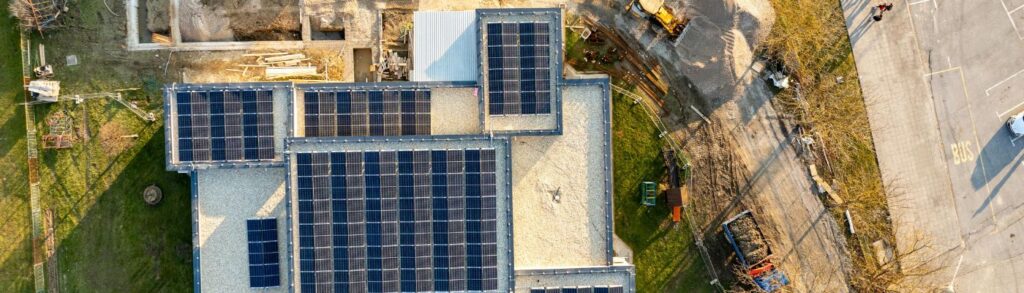
Harnessing the power of the sun is no longer just for large commercial rooftops or farms. With the spread of solar energy devices and innovations around solar products for home, homeowners in India and elsewhere now have more options than ever to go green and save. In this article, I’ll walk you through ten excellent solar-product categories you can install at home, explain how they work, share real benefits and uses, and give you things to watch out for. These aren’t just buzzwords, they’re devices you can pick today to use the sun’s power and reduce electricity bills. Why go solar at home? Before diving into specific products, it helps to understand why switching to solar makes sense. When you install a solar panel system or other solar energy devices, you’re tapping into a renewable, clean energy source with many perks: Lower electricity bills: Homeowners often reduce their monthly power cost significantly by generating their own electricity. Environment-friendly: Solar energy produces very little greenhouse gases compared to fossil-fuel based electricity. Energy independence: You rely less on the grid, which helps especially during power cuts or in places with unstable supply. Added home value: Houses with solar installations often sell faster or for more. Long term investment: With good maintenance, the system often pays off in several years and then produces “free” electricity after that. So if you’re looking at a longer-term view (10+ years) and are open to a moderate upfront cost, solar products can be a smart move. Top 10 Solar Products for Home Here’s a breakdown of ten real solar products/categories, their uses, benefits, and how you might pick one. 1. Solar Panels (Photovoltaic Modules) What they are: The most basic building block, a set of solar cells grouped into panels, mounted on your rooftop or ground-mount to convert sunlight into electricity. Uses: Generates electricity for your home’s lights, fans, appliances; can power an entire house if sized well. Benefits: Significant reduction in electricity bills over time. Long lifespan (often 20-30 years or more). Works in many climates; even if partly cloudy, panels still produce. What to look out for: Rooftop space and orientation (south facing in India generally best). Quality of the panel (efficiency, warranty). Installation cost and maintenance (keeping panels clean, shade avoidance). Whether you’ll pair with batteries (for night/back-up usage) or grid-tie. 2. Solar Inverter (and Hybrid Inverter) What it is: A device that converts the DC electricity produced by solar panels into AC electricity used in your home. A hybrid inverter also has battery connections. Uses: Without an inverter, your solar panels’ electricity can’t run normal appliances. A hybrid version lets you store excess energy in a battery for later use. Benefits: Enables you to use your solar power directly in home appliances. With battery backup, you can run some loads during grid outages or at night. What to look out for: Efficiency ratings (less conversion waste). Compatibility with your solar panels and any battery system. Monitoring features (some inverters let you track production via an app). 3. Solar Battery Storage (Solar Energy Storage Systems) What it is: A battery bank that stores excess electricity produced by your solar panels for use when the sun’s not shining (evening/night) or during power cuts. Uses: Lets you run your home (or parts of it) after sunset or during grid failures. Also useful if you live in an area with unpredictable power supply. Benefits: Better use of your solar investment (not just daytime use). Energy security: you’re less impacted by grid outages. Can help shift usage: you generate during day, consume at night. Challenges and things to check: Batteries add extra cost and maintenance (they degrade over time). Depth of discharge, warranty, cycle life (how many charge/discharge cycles). Whether it’s a “whole-home” battery or just for essential loads (lights, fridge, etc). 4. Solar Water Heater / Solar Thermal System What it is: These devices use solar heat (rather than electricity) to warm water for your home, rooftop solar collectors, insulated tanks, etc. Uses: Hot water for bathing, washing, or even heating in colder months in some climates. Benefits: Reduces the load on electric water heaters (which often draw heavy current). Especially beneficial in sunny regions like many parts of India. What to consider: The collector area and tank size must match your household hot-water demand. Insulation quality (to reduce heat loss). Maintenance (checking fluid, pipes, storage tank for issues). 5. Solar Street / Garden Lights (Outdoor Solar Lighting) What it is: Solar street lights with small solar panels + battery + LED light installed outdoors for pathways, gardens, security. Uses: Illumination of walkways, driveways, garden areas, security lighting, without wiring to mains. Benefits: No wiring needed, good for outdoor or retrofitting. Easy to install and often low-cost. Makes use of solar energy for lighting, thereby reducing mains electricity use for these lights. Things to check: The solar panel size and battery capacity (so it lasts through the night). Whether the light is bright enough for your needs. Weather-proofing and durability for outdoor use. 6. Solar Roof / Solar Tiles (Building-Integrated Solar) What it is: Solar panels or modules integrated into roofing materials (tiles/shingles), making them part of the building rather than separate panels mounted. Uses: For new homes or major roof renovations, where aesthetics and roof integration matter. Benefits: Cleaner look compared to panels bolted over roofs. Dual function: roofing + energy production. Potential drawbacks: Typically higher cost than standard panels. Might have fewer options or more limited warranty/installer network. Needs careful design for structural and waterproofing integrity. 7. Solar Pump Sets (for Gardens/Yards/Small Farms) What it is: Solar-powered pump systems that use solar panels to drive water pumps (for irrigation, fountains, ponds) without relying solely on grid or diesel. Uses: Ideal for homes with large gardens, vegetable patches, water features, or small-scale farm/yard irrigation. Benefits: Reduces electricity or diesel costs for pumping. Environmentally friendly; less noise/pollution. Works well in sunny locations with daylight water needs. Considerations: Sizing the pump and panel array for the water
The Difference Between On Grid And Off Grid Solar System
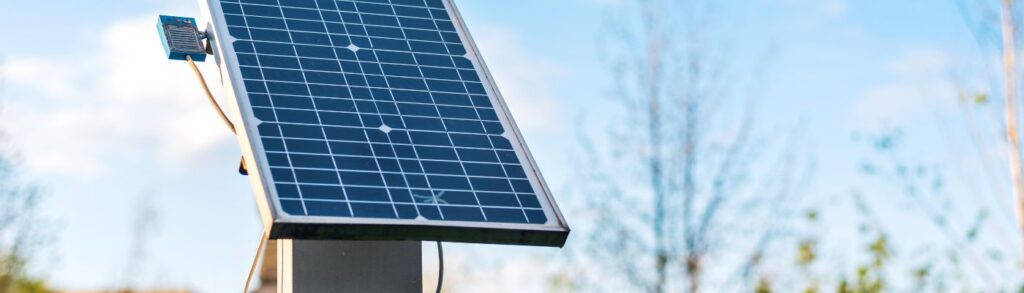
As solar energy becomes more popular, homeowners and businesses are increasingly exploring the best ways to harness the sun’s power. If you’re considering installing solar panels, understanding the difference between on grid solar system and off grid solar system is crucial. Both options can save money and reduce your carbon footprint, but they work in different ways. This guide will break down the key differences in a simple, clear way and explain which system might be best for your needs, whether it’s for residential rooftops or commercial rooftop systems. What Is an On Grid Solar System? An on-grid solar system, also called a grid-tied solar system, connects directly to your local electricity grid. It generates electricity from the sun during the day, and any excess electricity goes back into the grid. At night or when the sun isn’t shining enough, electricity is drawn from the grid to meet your needs. Key Features: No battery required: The grid itself acts as energy storage. Cost-effective: Typically cheaper than off-grid systems because there’s no need for batteries. Net metering benefits: In some areas, utilities credit you for the surplus electricity you feed into the grid. Low maintenance: Since there are no batteries, maintenance is simpler. Best for: Urban and suburban areas with a reliable electricity grid, where you want to reduce electricity bills and carbon footprint. What Is an Off Grid Solar System? An off grid solar system is completely independent of the electricity grid. It relies on batteries to store the energy generated during the day, which powers your home or business when the sun isn’t shining. Key Features: Battery storage: Essential to ensure electricity availability at all times. Higher upfront cost: Batteries and additional equipment make this system more expensive. Energy independence: Ideal for remote areas without reliable grid access. More maintenance: Batteries require regular checks and replacements over time. Best for: Remote homes, cabins, or areas with frequent power outages where self-sufficiency is necessary. Comparing On Grid and Off Grid Solar Systems Here’s a simple table to highlight the key differences: Feature On Grid Solar System Off Grid Solar System Connection to Grid Connected; feeds excess electricity back Independent; no grid connection Energy Storage No batteries needed Batteries Required Cost Lower upfront cost Higher due to batteries Maintenance Simpler, less frequent Higher, battery upkeep required Reliability Relies on grid, may fall if grid fails Fully reliable even during outages Best For Urban homes, commercial rooftop systems Remote locations, off-grid communities Advantages of On Grid Systems Affordable installation: Without batteries, installation costs are lower. Easier maintenance: Less equipment to monitor or replace. Energy savings: Reduce electricity bills and sometimes earn credits from the grid. Scalable for businesses: Perfect for commercial rooftop systems looking to reduce operational costs. Advantages of Off Grid Systems Complete independence: No reliance on local utilities. Reliable during outages: Your home or business remains powered even if the grid fails. Customizable: System size can be tailored to your energy needs. Eco-friendly: Encourages maximum use of solar energy without relying on fossil-fuel-powered grids. Choosing the Right System for You When deciding between an on grid solar system and an off grid solar system, consider: Location: Urban vs. remote; availability of reliable grid electricity. Budget: On-grid systems are cheaper initially, off-grid systems cost more due to batteries. Energy needs: How much electricity you consume and whether uninterrupted supply is critical. Maintenance willingness: Batteries in off-grid systems require regular upkeep. Environmental goals: Both reduce carbon footprints, but off-grid systems maximize solar use independently. For commercial rooftop systems, an on-grid system is usually the most practical option, providing cost savings and reliability without the complexity of managing batteries. Conclusion Both on grid and off grid solar systems offer significant benefits, but the right choice depends on your unique circumstances. On-grid systems are ideal for urban and suburban areas with reliable electricity, offering cost savings and low maintenance. Off-grid systems shine in remote locations or places with frequent power outages, providing independence and energy reliability. By carefully considering your location, budget, and energy requirements, you can make the best decision for your home or business, reduce your carbon footprint, and enjoy clean, renewable energy for years to come. FAQs 1. Which is cheaper: on-grid or off-grid solar? On-grid systems are cheaper because they don’t require batteries. 2. Do I need batteries for an on-grid solar system? No, on-grid systems use the utility grid instead of batteries. 3. Which system is better for remote areas? Off-grid systems are best because they provide full power independence. 4. Can an on-grid system work during a power outage? No, on-grid systems shut down for safety when the grid fails. 5. Which system is best for commercial rooftops? On-grid systems are typically preferred due to lower cost and easy scalability.
1 MW Solar Power Plant: Key Information on Specs & Cost
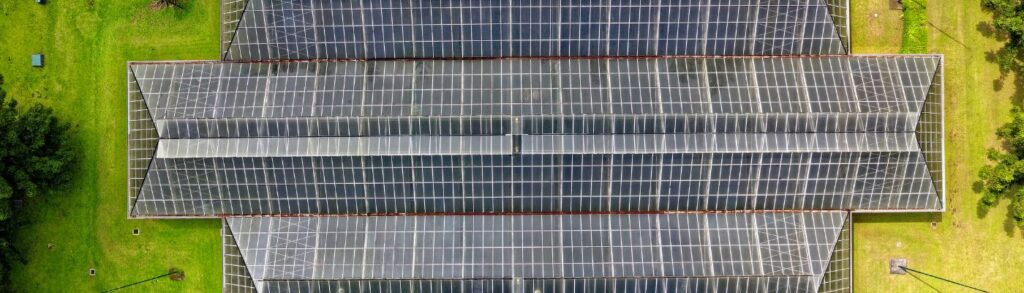
If you’re considering investing in a 1 MW solar power plant in India, you’re making a big step toward clean energy and self-sufficiency. In this blog, let’s break down what you need to know: what a solar power plant of this size includes, the typical specifications, the costs involved and the key factors that influence performance and return on investment. The idea is to give you clear, practical information, nothing overly technical or robotic; just what a smart tenth-grade-reader could follow. What is a 1 MW Solar Power Plant? Before digging into cost and specs, let’s clarify what we mean: “MW” stands for megawatt. A 1 MW solar power plant means a capacity of 1 megawatt (1,000 kW) of solar power above the grid-connection or inverter output rating. It’s a utility-scale (or near-utility) size system, much larger than a rooftop system for a home. This scale allows for meaningful solar energy production, often for commercial, industrial, or power-sale purposes. When we say “solar power plant,” we’re talking about a full system: the solar panels (PV modules), mounting structure, inverters, wiring, civil works, grid connection, monitoring, etc. So when you talk about installing a 1 MW solar power plant in India, you’re looking at a project that requires land (unless rooftop or floating), investment, regulatory permissions, and long-term operations. Typical Specifications for a 1 MW Solar Plant Here are the key technical specs and what you should expect when setting up a 1 MW solar energy project: Land & Location You’ll need about 4 to 5 acres of land (roughly 1.6 – 2 hectares) for a 1 MW ground-mounted solar plant in India. The land should ideally be flat, have good sun exposure (south-facing if possible, minimal shading), and be near grid connection/infrastructure. Solar Panels (PV Modules) Panel type: Many plants now use monocrystalline high-efficiency modules, often ≥400 W per panel. For example, if you use 400 W panels, you’d need around 2,500 panels to reach 1 MW. Module efficiency matters: A higher efficiency panel uses less space and can produce more energy per watt. Degradation: Over time, panels slowly lose output. Typical loss might be ~0.5% first year and ~0.6-0.7% in subsequent years. Inverters and Balance of System (BoS) Inverters convert DC from panels into AC for the grid. For 1 MW, you’ll allocate maybe 10-15% of total cost to inverters and power-electronics. BoS includes wiring, junction boxes, monitoring systems (SCADA), safety equipment, etc. Mounting structures: The supports (fixed-tilt or trackers) are also a major part, fixed tilt is cheaper and simpler; trackers cost more but can boost output (~10-20%). Generation & Output A 1 MW solar plant in India might generate ~14.4 lakh to ~17.3 lakh units (kWh) per year depending on location, sun hours, and efficiency. Daily output might average ~4,000-4,800 kWh (again varies by location). Lifespan & Maintenance Most solar power plants are designed for 25+ years of operation. Maintenance (cleaning panels, servicing inverters etc) is relatively low compared to other power plants. Annual O&M (operation & maintenance) costs are typically ₹5-10 lakh/year for a 1 MW plant in India. Cost of a 1 MW Solar Power Plant in India How much will it cost to set up? Good question. Here are the latest market trends for India. Typical CAPEX (Capital Expenditure) The setup cost for a 1 MW plant (grid-tied, ground-mounted, excluding battery storage) ranges from ₹3.75 crore to ₹5 crore+. Some sources say ₹4-6 crore. Example: One source reports cost in 2025 of ₹3.75 – ₹4.25 crore for 1 MW. Another reports a general range of ₹4–5 crore in 2025. Break-down of Cost Components Here’s a typical breakdown (based on ₹4-5 crore total): Component Approximate % of Total Approximate Cost (₹) Solar Panels (modules) ~50-55% ~₹2.0 – 2.5 crore Inverters & Power Electronics ~10-15% ~₹40-75 lakh Mounting Structures & Installation ~10-15% ~₹30-50 lakh Balance of System (BoS) & Wiring ~5-10% ~₹20-40 lakh Land, Civil Works & Misc Varies widely ~₹30 lakh-₹1 crore depending on land cost Operating Expenditure (OPEX) & Payback Annual O&M cost: Roughly ₹6-10 lakh per year for a 1 MW plant. Payback period: If everything goes well (good solar resource, favourable tariff, efficient system), payback could be 5-8 years in many cases. Recent Cost Decline Trend Project costs have been coming down thanks to cheaper modules, better efficiencies, and supportive policies. For instance, one source notes large-scale solar project costs dropped ~25.7% year-on-year in Q2 2024. Also, India recently cut GST (Goods & Services Tax) on solar PV modules from 12% to 5%, which helped reduce plant cost by ~5% or so. Key Factors Influencing Specs & Cost When you plan a 1 MW solar power plant, cost and specs are not fixed, they vary based on multiple factors. Here are the major ones: Sunlight & Location Sun-hours (peak irradiance) vary across India. States like Rajasthan, Gujarat get more sunshine and thus higher yield; northeastern or hilly regions may get less. Land altitude, inclination, shading, orientation all affect output and hence economics. Panel Efficiency & Technology Higher efficiency modules (monocrystalline, bifacial, TopCon, PERC) cost more upfront but give more output for the same area and may reduce land needs. If you use tracking (single-axis or dual‐axis) you boost output but increase cost and complexity. Land Cost & Terrain Land acquisition costs can vary hugely from one region to another. Land in prime locations or near the grid may cost much more. Uneven terrain or requirement for civil works (grading, drainage) adds to cost. Grid Connectivity & Regulatory Environment Proximity to the grid/substation reduces wiring and transmission cost. State policies, subsidy availability, net-metering or open-access rules all affect how quickly you recover costs. Operation & Maintenance Even though O&M is relatively low for solar, it still matters: panel cleaning, inverter replacement (after ~10-15 years), fault detection, etc. Degradation of modules over time reduces output, this must be accounted for when calculating output over 25-30 years. Financing & Tariff If you borrow via bank or other finance, interest and repayment terms matter for
How Solar Tracking Systems Work: Types, Pros & Cons
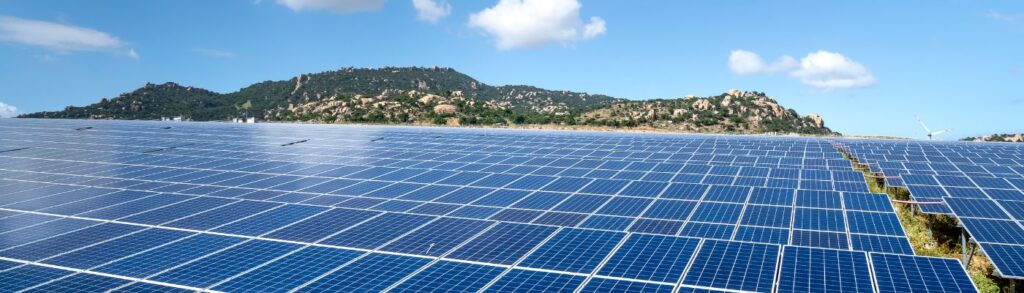
In the world of solar energy, one exciting technology is the solar tracking system. Put simply, this is a way to make your solar panels follow the sun, instead of just sitting fixed in one position. For anyone installing a sun tracking solar panel setup, whether a ground-mounted system, or part of a commercial rooftop system, understanding how solar tracking works, its benefits and drawbacks, and the different types available can help you make an informed decision. In this blog we’ll dive into the concept, show how it works, explore types, and weigh pros and cons, especially in relation to an on-grid solar system or large commercial rooftops. What is a Solar Tracking System? A solar tracking system is a mechanical and control system that adjusts the orientation of a solar panel or array of solar panels so that they face the sun more directly throughout the day. In contrast to a fixed tilt system (where panels remain in one angle, fixed in place), a tracker shifts the panel’s position to optimise the amount of sunlight hitting the panel surface. Why does this matter? The more direct sunlight hits the panel (i.e., the smaller the angle between the sun’s rays and the panel surface), the more solar energy the panel can convert. So for large-scale installations like commercial rooftop systems or a ground-mounted on-grid solar system, tracking can increase output and therefore improve return on investment. In simpler terms: imagine your panels are like faces turning to the sun as it moves, rather than staying turned away. That extra direct exposure adds up. How Does a Solar Tracking System Work? Here’s a breakdown of the working of a solar tracking system: Components & Basic Function Solar sensors or light detectors (sometimes sun position algorithms) detect the sun’s direction. A control unit gathers the sensor data, computes where the sun is or will be. Actuators or motors drive the physical movement of the panels (or the mounting structure). The panel array moves to maintain a more optimal angle to the sun throughout the day (and sometimes across seasons). The system is connected to the rest of your solar panel installation: The panels feed into the inverter, which connects to the grid (in an on-grid system) or to batteries/off-grid components (if applicable). Typical Operation in an On-Grid Solar System In an on-grid solar system, where your solar panels supply electricity to the grid (or offset your utility usage), tracking helps you maximise midday and afternoon output when demand (and often tariffs) are higher. For a commercial rooftop system, this means more production during peak hours, which can mean better economics. Real-world Considerations The structure must be able to rotate or tilt; this means stronger mounting, more open space (in many cases) and sometimes more complex foundations. Maintenance matters: motors, gears, sensors, and mechanical parts require upkeep (especially in dusty, harsh environments). The gain from tracking depends on your location (latitude, climate, shading, roof orientation) and the type of system you have. Types of Solar Tracking Systems There are several ways to classify solar tracking systems. Below are the main types and how they differ: 1. Based on Axis of Movement Single-Axis Solar Tracker: The panel rotates around one axis (usually east-to-west) to follow the sun as it rises and sets. Dual-Axis Solar Tracker: The panel rotates around two axes (east-west plus north-south tilt) so it can follow the sun both across the day and through the seasons. 2. Based on Mechanism Active Trackers: Use motors, gears and sensors to move the panels actively. Passive Trackers: Use physical/thermal mechanisms (e.g., fluids that expand/contract) to tilt the panels without motors. Simpler, but less precise. Manual Trackers: Someone physically adjusts the panels periodically. Rare in large systems. 3. Application-based Classification Ground‐mounted systems: Large installations, often utilising trackers because there is space. Commercial rooftop systems: Sometimes tracker may be used if space and structure allow, but less common than ground mounts because of rooftop constraints. Residential rooftop: As most sources note, trackers are often not cost-effective here because of space, structure and cost constraints. Advantages of Solar Tracking Systems Here are the benefits of using solar tracking systems (for example, in an on‐grid commercial rooftop project or a large ground‐mounted solar energy installation): Increased Energy Output: By keeping panels aligned with the sun, you can boost energy generation. Some sources note increases of 15-40% or more compared with fixed panels. Better Use of Space: If your land area is limited (for example in a commercial rooftop or grounds near your facility), a tracker allows you to get more yield per panel or per square metre. Higher Production During Peak Hours: Because the panel orientation is optimised, performance improves during morning and late‐afternoon hours, not just at solar noon. Flexibility Across Seasons (especially dual-axis): Dual-axis trackers adjust for seasonal sun height changes, making them especially useful in higher latitudes or where seasonal variation is large. Potentially Faster Payback (for large systems): For commercial or ground‐mounted systems, the extra yield may compensate for the extra cost and lead to better economics over the system’s lifetime. Disadvantages of Solar Tracking Systems No system is perfect. Here are the downsides you must consider before choosing a tracking setup for your solar energy system: Higher Initial Cost: Trackers add mechanical complexity (motors, sensors, actuators), stronger foundations, extra installation effort. That means more cost upfront compared to fixed solar panels. Increased Maintenance: Moving parts wear out, sensors may fail, motors may need servicing. For rooftop or commercial situations, this means additional operational cost. Structural and Space Constraints: On rooftops, especially commercial rooftops, the weight, movement envelope and wind load of a tracker may make it difficult or unsafe. Many trackers are more suited to ground-mount systems. Weather and Site Sensitivity: High winds, heavy snow, shading, uneven terrain can reduce the effectiveness of a tracking system or increase risk and cost. Diminishing Returns when Panels are Cheap: Since solar panels have become much cheaper, sometimes adding extra fixed panels may be more
How Solar Energy Can Reduce India’s Electricity Bills
Electric bills in India are rising, and many households and businesses are feeling the pinch. But there was a bright solution, solar energy is becoming one of the smartest ways to cut down on your power costs. In fact, more and more Indians were turning to the sun to reduce their dependence on the grid and save money. But how exactly can solar energy reduce electricity bills? Let’s break it down in simple terms, with real-life examples and useful facts, so you could see if going solar was the right move for you Why Electricity Bills Are a Growing Concern in India Before we dive into the benefits of solar, let’s talk about why electricity bills are such a big issue in the first place. Rising tariffs: Over the past few years, state electricity boards have increased residential and commercial power tariffs to meet growing demand. Power loss and inefficiencies: Many parts of India face frequent outages, which force people to rely on inverters and diesel generators, adding to their costs. Air conditioning and appliances: As more households upgrade their lifestyle with ACs, washing machines, and smart TVs, power consumption keeps climbing. If your monthly electricity bill is anywhere between ₹2,000 to ₹10,000 or more, solar could make a serious difference. How Does Solar Energy Work? Solar energy uses sunlight to generate electricity through photovoltaic (PV) panels installed on rooftops or open land. This electricity powers your home or business. There are two main types of solar setups: Grid-tied systems: These are connected to the electricity grid. When your solar panels produce more than you need, the extra energy goes back to the grid, and you may receive credits or payments (called net metering). Off-grid systems: These work independently and use batteries to store energy for use at night or during power cuts. Either way, the main idea is simple: you generate your own power, reducing what you need to buy from your utility company. How Solar Energy Reduce Electricity Bills in India Let’s get to the heart of it, how solar helps you save money on electricity. 1. You Produce Your Own Electricity Once your solar panels are installed, they start generating electricity using free sunlight. That means: Less reliance on grid electricity Smaller monthly bills Over time, the savings add up 2. Net Metering = Monthly Savings In many Indian states, net metering allows you to sell excess electricity back to the grid. This means: Your electricity meter runs backward when you send power to the grid You get credits that lower your bill In some cases, you can even bring your bill down to ₹0 3. Low Maintenance Costs One of the best things about solar panels is that they don’t require much maintenance. Occasional cleaning (to remove dust and leaves) Annual checks by a technician Compare this to the ongoing cost of running diesel generators or inverters, and solar becomes even more affordable. 4. Protection from Rising Tariffs Electricity prices aren’t going down anytime soon. But when you install a solar system: You lock in your energy cost (essentially ₹0 for solar power) You protect yourself from future price hikes This long-term predictability is a big financial win, especially for small businesses, schools, and large households. 5. Payback Period and Long-Term Savings While solar systems have an upfront cost, they pay for themselves over time. Here’s an example for a typical home in India: System Size: 3 kW Cost: ₹1.5 – ₹2 lakhs (after subsidy) Monthly Bill: ₹3,000 Monthly Savings: ₹2,500-₹3,000 Payback Period: 4-5 years Lifespan: 25 years So after 4-5 years, you’re essentially getting free electricity for 20+ years! Government Subsidies and Support To make solar more affordable, the Indian government offers several incentives: Subsidies under PM Surya Ghar Muft Bijli Yojana (2024-25) Up to ₹94,000 subsidy for a 3kW rooftop system Direct transfer to your bank account after installation Available for residential users across India Other Incentives: Net metering as mentioned earlier GST reduction on solar equipment (down to 5%) Soft loans through nationalized banks These policies make it easier than ever for middle-class households to adopt solar and save money. How Businesses Are Using Solar to Cut Costs It’s not just homes benefiting from solar, small businesses and industries are installing rooftop solar systems to slash their operating costs. Industries using solar: Textile units in Surat Dairy farms in Gujarat Cold storage in Punjab Educational institutions across southern India Businesses typically use more power during the day, exactly when solar is most effective. That makes it a perfect match. Is Solar Right for Every Home? While solar has huge benefits, it’s important to see if it suits your specific situation. Good candidates: Homes with a terrace or rooftop space Monthly bills over ₹2,000 Living in areas with plenty of sunlight Planning to stay in the same home for the next 5–10 years Might not be ideal if: You live in a rented house or apartment Your roof is shaded most of the day You have very low power usage In those cases, shared community solar or group housing solar projects could still be an option. Final Thoughts: Start Saving with the Sun If you’re serious about lowering your electricity costs, solar isn’t just a smart idea, it’s an investment. With falling panel prices, generous government subsidies, and rising power bills, there’s never been a better time to go solar. To sum up, here’s how solar energy reduces electricity bills in India: Generates free electricity from sunlight Cuts down your grid power usage Lets you earn credits via net metering Offers long-term protection from rising tariffs Pays back in a few years and keeps saving for decades
New Solar Energy Storage Ideas
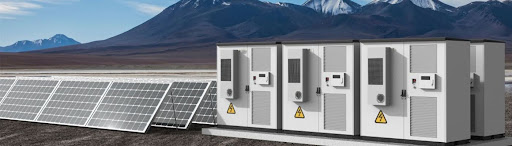
Solar energy is no longer just about panels on a roof. These days, it’s about what happens after the sun goes down. That’s where solar energy storage innovations come in and this year has already seen some major breakthroughs that could change how we store and use solar power. If you’re a homeowner, a tech geek, or just someone curious about the future of energy, this post is for you. We’re breaking down the coolest, smartest, and most game-changing advances in solar energy storage that are happening right now. Why Solar Energy Storage Matters Before we dive into the new stuff, let’s quickly recap why energy storage is such a big deal. Solar panels only produce electricity when the sun is shining. That’s great during the day, but what about evenings or cloudy days? Without a way to store that extra energy, it either gets wasted or sent back to the grid (sometimes at a lower rate than you paid to get it back). With storage, you can: Use solar energy at night Reduce your dependence on the grid Save more money Stay powered during outages That’s why solar energy storage innovations are at the center of the clean energy revolution. 1. Solid-State Batteries Are Gaining Traction One of the most exciting changes this year is the rise of solid-state batteries. These aren’t just better versions of lithium-ion, they’re a totally new approach. What’s New? Traditional batteries use liquid electrolytes, but solid-state batteries use solid materials instead. This makes them: Safer (less risk of fire or leaks) Longer-lasting (more charge cycles) More efficient (less energy loss) Several companies, like QuantumScape and Toyota, are working hard to scale these for home and grid-level solar storage. While still in early production, pilot programs have already started in select regions. Why It Matters: Solid-state batteries could last 2–3 times longer than traditional lithium batteries and offer faster charging. That’s huge for both homeowners and solar farms. 2. Iron-Air Batteries: Long Duration, Low Cost Another big player this year in the solar storage world? Iron-air batteries. These are designed for long-duration storage, like 100 hours or more, at a cost much lower than lithium-ion. How Do They Work? Iron-air batteries “breathe” oxygen from the air to convert iron into rust, storing energy in the process. When power is needed, the rust is converted back to iron, releasing energy. Who’s Making It Happen? A company called Form Energy is leading the charge, with large-scale installations being planned across parts of the U.S. Why It Matters: While they’re not for daily home use yet, iron-air batteries could help entire communities store renewable energy for days at a time, especially useful during storms or multi-day outages. 3. Hybrid Inverter + Battery Systems Traditionally, inverters and batteries were two separate components. This year, we’re seeing a rise in hybrid systems that combine both in one smart unit. What’s the Big Deal? Simplified installation Lower total cost Better communication between components More efficient energy management Companies like SolarEdge and Enphase have released all-in-one systems that include a battery, inverter, and energy management software. Why It Matters: This makes home solar storage systems more user-friendly, especially for people who want clean energy but aren’t “techy.” 4. AI-Powered Smart Batteries Artificial intelligence isn’t just for chatbots and self-driving cars anymore. AI is making solar batteries smarter and more efficient. How It Works: AI software inside the battery system analyzes: Your energy usage habits Weather forecasts Utility rates Then it automatically charges or discharges the battery at the best time to save money or maximize efficiency. Brands to Watch: Tesla Powerwall+ with “Time-Based Control” Sonnen EcoLinx with smart home integration Why It Matters: AI-driven batteries help homeowners get more value from solar without needing to constantly tweak settings. 5. Grid-Connected Community Storage Here’s a trend that’s growing fast: community-scale solar batteries. Instead of every home having its own system, neighborhoods or apartment complexes can share one large battery. What’s Changing? Utility companies and local governments are investing in shared energy storage It allows renters and lower-income households to benefit from solar too Pilot programs in states like California, Texas, and Massachusetts are already underway Why It Matters: Not everyone can afford their own battery, but shared systems could make clean energy more accessible and equitable. 6. Second-Life EV Batteries for Solar Electric vehicle batteries don’t just die and get thrown away. This year more companies are giving EV batteries a “second life” as home or grid-level solar storage. What’s the Benefit? Even when an EV battery is no longer strong enough for a car, it can still hold plenty of charge for home use. Real-World Example: Nissan is working on repurposing old LEAF batteries for home solar systems in Japan and Europe. BMW has a similar program for larger installations. Why It Matters: This reduces battery waste and brings down the cost of solar storage, good for your wallet and the planet. 7. Thermal Energy Storage Not all solar energy needs to be stored as electricity. One surprising innovation? Thermal energy storage, which stores excess energy as heat. How It Works: Systems store heat in materials like: Molten salt Sand Water Then they release that heat later to generate power or warm buildings. Cool Projects: Sand battery technology in Finland (yes, it’s real!) Molten salt towers used in solar power plants in the U.S. and Spain Why It Matters: Thermal storage is ultra-stable, low-cost, and scalable. It might not fit in your garage, but it’s a great solution for industrial and community-scale solar projects. What These Innovations Mean for You If you already have solar panels or are thinking about getting them, the latest solar energy storage innovations are making it easier than ever to go fully renewable. Here’s how they help: More reliable power at night or during outages Cheaper options for all types of households Smarter tech that works behind the scenes Better environmental impact with fewer wasted resources Even if you’re not upgrading right away, it’s good to
How to Clean Solar Panels in the Best way
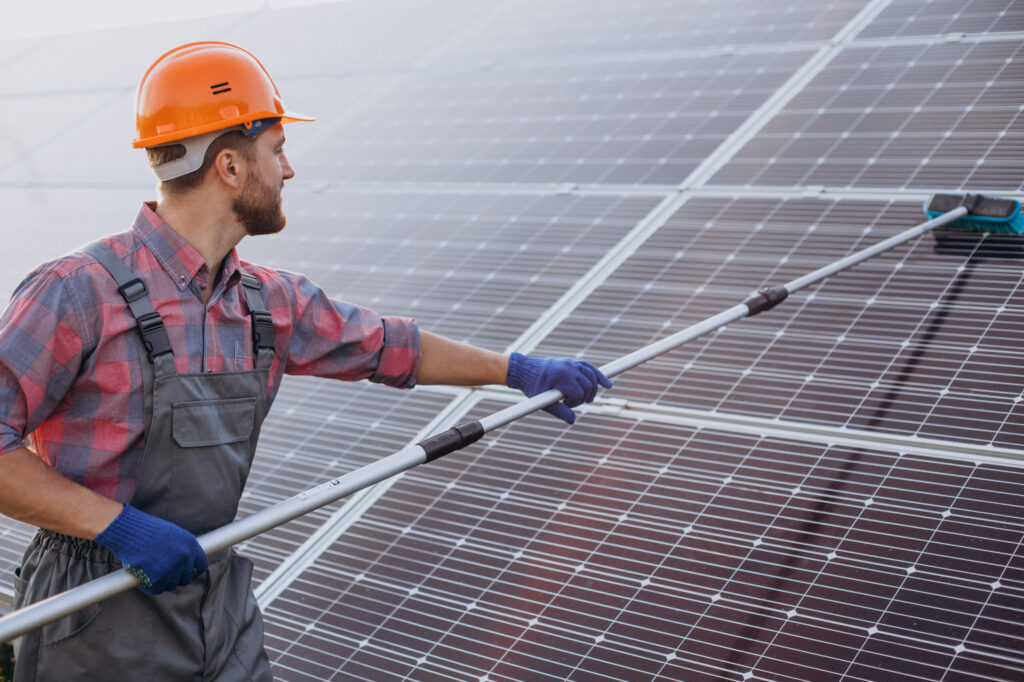
If you’ve invested in solar panels, you already know they’re a great way to save on electricity bills and reduce your carbon footprint. But like anything that lives outside, solar panels can get dirty, dust, bird droppings, leaves, and even pollen can build up over time. And when that happens, your panels can’t absorb sunlight as well, which means they won’t work as efficiently. That’s why learning how to clean solar panels properly, without damaging them is so important. The good news? Cleaning solar panels is easier than you might think. You just need to know what to use, what to avoid, and how often to do it. Let’s break it all down in this simple, step-by-step guide. Why Clean Solar Panels at All? You might be wondering: do solar panels even need cleaning? Won’t the rain take care of that? Well, rain does help, but not completely. According to the National Renewable Energy Laboratory (NREL), dirty solar panels can lose up to 25% of their energy output in some cases. That’s a pretty big drop, especially if you rely heavily on solar for your energy needs. Here are a few common things that reduce panel performance: Dust and dirt from nearby roads or construction Bird droppings (rain doesn’t wash these off easily) Leaves or pollen that sit on the surface Water spots from hard water Keeping your panels clean helps them perform better and last longer. It’s like giving your car a tune-up but much simpler. How Often Should You Clean Solar Panels? This depends on where you live. If you’re in a dry, dusty area or near trees where birds like to hang out, you might need to clean your panels every 3 to 6 months. In cleaner, rainy areas, once a year might be enough. Tip: Check your system’s output regularly. If you notice a drop in energy production that can’t be explained by weather, your panels might just need a cleaning. What You’ll Need Before you learn how to clean solar panels, gather your supplies. You don’t need anything fancy or expensive. Here’s a basic list: A soft brush or sponge with a long handle A bucket of lukewarm water (no hot water) Mild soap or dishwashing liquid (non-abrasive) A soft cloth or squeegee Garden hose with a gentle spray nozzle Optional: safety gear (if your panels are on the roof) Avoid: Pressure washers Harsh chemicals or bleach Scrub brushes or steel wool Abrasive pads These can damage the anti-reflective coating on your panels, which would reduce efficiency. How to Clean Solar Panels (Step-by-Step) Step 1: Turn Off the System Before doing anything, turn off your solar panel system. Check your inverter and any other instructions provided by the manufacturer. This is important for your safety. Step 2: Check the Weather Pick a cool, overcast morning or a day with mild temperatures. Cleaning in direct sunlight can cause water to evaporate too quickly, leaving streaks and spots. Plus, the panels can get hot. Step 3: Remove Loose Debris Use a soft broom or leaf blower to gently remove any leaves, branches, or dry dust. Do this before adding water to avoid making mud. Step 4: Spray With Water Use your garden hose with a gentle spray to rinse the panels. This helps remove most of the loose dirt. Don’t use a pressure washer, it could crack the glass or damage the frame. Step 5: Wash With Soapy Water Fill a bucket with lukewarm water and a few drops of mild dish soap. Use a soft sponge or brush with an extendable handle to gently scrub the panels. Work in small sections. Be careful not to step on the panels, especially if you’re cleaning a rooftop system. Step 6: Rinse Again ls with clean water to remove any soap residue. Step 7: Let Them Air Dry Most of the time, air drying is just fine. But if you have hard water or want a spotless finish, wipe the panels with a soft microfiber cloth or squeegee. What If Your Panels Are on the Roof? If your panels are difficult to reach or on a steep roof, don’t risk your safety. Instead: Use an extension pole for light cleaning from the ground. Hire a professional solar panel cleaning service. They’re trained, have the right equipment, and know how to clean solar panels safely. Things to Avoid When Cleaning To keep your panels safe, don’t: Use high-pressure washers Clean with vinegar, bleach, or other harsh chemicals Scrub with abrasive tools Clean during the hottest part of the day Walk on the panels (ever) Does Cleaning Solar Panels Void the Warranty? Not if you do it right. Most manufacturers encourage gentle cleaning and provide guidelines in the user manual. However, if you damage the panels while cleaning, say, by using a pressure washer or stepping on them, you might void the warranty. Always check your warranty terms first, and when in doubt, contact the installer or manufacturer. Monitoring Panel Performance After Cleaning After cleaning, it’s a good idea to monitor your system’s output for the next few days. You’ll likely notice a boost in performance, especially if your panels were heavily soiled. Some solar systems have monitoring apps that show you daily output. If yours doesn’t, consider installing one, or keep a simple log of your monthly electricity production. Final Thoughts Learning how to clean solar panels is a simple but important part of taking care of your solar energy system. With just a little effort every few months, you can keep your panels working at their best and make sure your investment pays off over time. Whether you decide to clean them yourself or hire a pro, the key is to be gentle, stay safe, and clean regularly.
Common Solar System Problems and How to Fix Them
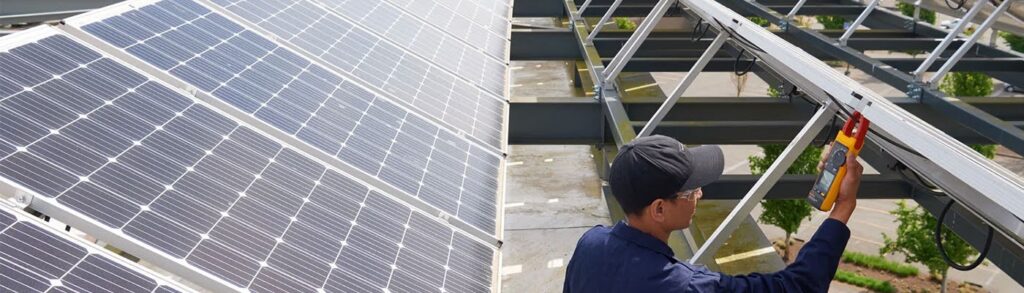
When we add solar panels to our homes, we usually picture clean, free energy flowing day after day. But just like any technology, solar power systems can hit a few bumps on the road. Below, I’ll walk through some common solar system problems, what they are, what causes them, and how you (or a trusted technician) can fix them. Think of this like a friendly guide from someone who’s researched thoroughly, not a bossy instruction manual. Why Tackling Solar System Issues Matters Before we dive into specific problems, let’s quickly talk about why it’s worth fixing issues early: Safety first: Faulty solar systems can lead to electrical risks, even small fires. Maximized savings: If the system isn’t running well, you won’t get all the energy (and bill reduction) you expected. Long‑term reliability: Fixing problems promptly helps your system last longer, many solar installations are meant to last 25 years or more. Okay, let’s explore the common solar system problems and their fixes, section by section. 1. Reduced Energy Output — Dirty or Shaded Panels What happens: Your solar panels don’t produce as much electricity as before, even on sunny days. What causes it: Dust, pollen, bird droppings, or debris cover panel surfaces. Shading by nearby trees or buildings blocks sunlight. How to fix it: Clean the panels gently using a soft, non‑abrasive cloth or a squeegee with deionized water. Avoid pressure washers, they can damage the panels. Trim tree branches that cast shade, ideally with permission if they’re on a neighbor’s property. Consider panel tilting or anti‑soiling coatings to reduce dust buildup over time. Why it works: Sunlight needs to hit the panels directly to generate electricity. Even a thin layer of dust can significantly reduce output. Cleaning and eliminating shade can often restore full efficiency. 2. Faulty Wiring or Loose Connections What happens: Your system shows unexplained power drops or shuts off completely during sunny times. What causes it: Wiring connections might become loose (especially after storms or wind). Animal chewing, rats or squirrels sometimes chew through wires. Corrosion at connectors due to humidity or salt air in coastal areas. How to fix it: Schedule a professional inspection every few years to check wiring and connections. Secure loose wires using proper connectors or cable ties. Install wildlife‑proof conduit or metal mesh to deter animal damage. In coastal or humid climates, use weather‑proof connectors or apply protective sealants. Why it matters: Loose or damaged wiring drops efficiency and can even create dangerous arcs that risk fire. Safe, solid connections mean your panels can send power consistently. 3. Inverter Problems — The Silent Culprit What it is: An inverter converts solar-generated DC (direct current) into AC (alternating current) your home uses. If it fails, your panels can’t power anything, even if they’re generating energy. Common signs: Warning lights or error messages on the inverter display. No power production during the day. Strange noises like humming or clicking. Steps to fix it: Reboot the inverter and turn it off for a few minutes, then back on. Sometimes this clears minor glitches. Check the manual or manufacturer’s app for error codes and troubleshooting tips. If the issue persists, call a certified solar technician. Inverters typically last 10–15 years, so it may need repair or replacement. Why it’s critical: Without a working inverter, your entire system might be offline even if panels are working. Acting quickly restores power flow to your home. 4. Panel Degradation Over Time What happens: After many years, panels naturally lose some of their efficiency, maybe 0.5%–1% per year. How to notice: A gradual dip in monthly output, especially after several years. What to do: Track your energy production monthly, if you see a steady decline beyond expected degradation, it’s worth investigating. Compare performance against panel specs or inverter logs to identify underperforming panels. Most manufacturers offer warranties, in many cases, panels still operate at 80–90% output after 25 years. If you’re under warranty and lose more than that, you may get replacements. Why it’s normal: Panels are built to degrade slowly. Knowing what to expect and tracking data helps you catch anything that’s not normal wear and tear. 5. Micro‑cracks and Hot Spots What they are: Tiny cracks on the panel surface (micro‑cracks) or overheating parts (hot spots) are often caused by physical stress or manufacturing defects. Symptoms: Individual panels produce much less than others. Visible dark patches or melted areas when inspecting panels. Fixes: Using a thermal camera or infrared inspection, many solar companies offer this service to spot hot spots. If a panel has serious damage, contact the installer or manufacturer for replacement under warranty. Avoid walking on panels, pressure can cause cracks. Why it matters: Hot spots can reduce output dramatically and may even pose fire risks. Detecting and replacing damaged panels keeps your system efficient and safe. 6. Grounding or Electrical Safety Issues What happens: Your system’s protective grounding fails, causing shocks or tripped safety devices. How to recognize it: Circuit breakers trip often. Metal racking or mounting structures feel “live” when touched. What to do: Have a licensed electrician review the grounding and bonding system. Install surge protection devices (SPDs), they protect against lightning or grid fluctuations. Ensure proper grounding rods are installed and regularly inspected for corrosion. Why it matters: Proper grounding ensures that faults don’t endanger people or property. Safety checks are worth doing, even if everything seems fine. 7. Monitoring System Failures What it is: The online or app‑based dashboard that shows your solar production stops reporting data. Common causes: Wi‑Fi or communication module failure. Cloud service outages from the monitoring provider. Firmware bugs in the monitoring hardware. What to try: Restart your home router and check Wi‑Fi settings for the inverter or monitoring device. Check service status on the monitoring provider’s website. If still offline, update firmware (if safe to do so) or contact support. Why it’s important: Monitoring helps you spot drops in production fast. Without it, small drifts or problems may go unnoticed for weeks or months.
Myths About Solar Panels: Facts You Need To Know
Solar energy is reaching far and wide as the years pass by and for all the right reasons. However, some people in India still hesitate to adopt the technology because of the myths attached to it. In this blog, we will address all the myths about solar panels so that you get a clear understanding of them. Solar panels are one of the greatest advancements we have, considering all the environmental benefits of solar energy. Even after that, people step back because of the myths like – “Solar panels don’t work during monsoon”, or “Installing and then maintaining solar panels is too costly”. All these are common misconceptions that hold people back from going solar. It’s time to clear them up with the real facts! Common Myths About Solar Panels There are many myths that people consider to be true about solar panels but in reality, that’s not even half the truth. Let’s begin by addressing the most common ones. Myth 1 – Solar Panels Only Work in Summer or on Sunny Days This is what many people generally think because of the whole concept of “sunlight helping in electricity generation”. Many believe that solar panels only work when the sun is shining. That is only half true about it. Fact: In reality, solar panels don’t stop working completely when it gets cloudy or starts raining. Their efficiency reduces to a certain degree but solar panels make the best use of scattered light. This helps them with electricity generation even during cloudy or rainy days. The panels won’t stop working fully unless it gets completely dark. Myth 2 – Solar Panels are Too Costly Gone are the days when solar technology was new and costly. Times have changed now and people are slowly learning all about the wonderful solar technology. However, it’s understandable why people would have this misconception about solar panels. Fact: It may be slightly costly to make the initial investment. But a number of government initiatives make solar energy really accessible to the general public. Also, it proves to be financially beneficial in the long run. How? Well, you won’t need to depend on the electricity grid and the bills will drop. You will start saving more and also contribute to the environment. Myth 3 – Solar Panels Require High Maintenance People worry about solar panels being “high-maintenance”. They think solar panels require constant cleaning and repairs, making them costly. But that’s not the truth. Fact: Solar panels are built to last 20-25 years easily. And because they have no moving parts, there will be no wear or tears. And the thing about maintenance is that, like all things, they need a little bit of cleaning. You just have to remove dust, leaves, or bird droppings for them to function fully. Maintaining them is simple and the efficiency they offer is worth it. Solar energy systems are really durable and reliable. Myth 4 – Solar Panel Installation Damages the Roof(H3) The idea that solar panel installation can harm the roof is yet another myth. Many believe that the installation is difficult and may involve a lot of drilling, which may damage the roof. Fact: By choosing a good solar company and skilled professionals, you will be able to set up your solar system without causing any damage to the roof. And not to mention the shade from solar panels actually protects the roof materials from debris and rain. Myth 5 – Solar Panels Aren’t Reliable Some people believe that solar power only works when the sun shines the brightest. It’s somewhat true that as the night falls, there won’t be any energy generation. But technology has the solution for it. Fact: Modern solar systems come with solar battery storage that lets you store excess energy produced during the daytime for later use. And if there’s no battery system, then many of them are connected to the grid. This means you can draw electricity from the grid in times of need and even send the surplus back and earn credits! Myth 6 – Solar Panels Don’t Last Long One of the myths about solar panels is that they don’t really last long and work only for a few years. However, the reality is a far different one. Fact: We all know how solar technology is rapidly advancing, and because of that, durability is a gift. Solar systems are made to last more than 25 years which is a great investment. So, now you won’t have to worry about the system failing. All they need is a little maintenance and care and they won’t disappoint you! Myth 7 – Switching to Solar is Complicated(H3) Many think of going solar as a complicated, technical process. Fact: Reality is that with the best solar panel company, everything becomes easy. The professional team will handle everything in the best way possible. Also, with the Annual Maintenance Contract, even the maintenance becomes easy! Myth 8 – Solar Panels Take Up Too Much Space(H3) People believe that installing solar panels will cover whole fields or large factories. But that’s not true. Fact: For most homes, rooftops are enough. With proper solar mounting structures, you don’t need to worry about the panels taking up too much space. If you plan to install solar panels in your home, your roof will be a perfect place. Why Do Solar Panel Myths Exist? All the myths we hear about are based on outdated information from years ago. Back then, solar energy wasn’t as prevalent as it is now. Also, the shortcomings of solar technology added to the “myths”. However, as time passed by, the technology developed into something so powerful that many people and businesses in India continue to adopt solar energy. Solar Panel Benefits Beyond the Myths Installing solar panels proves to be more beneficial than the myths give credit for. We just need to look beyond the myths about solar panels. Solar Panels help people save on electricity bills. By generating your own energy, you