
How Does Solar Power Work on a House?
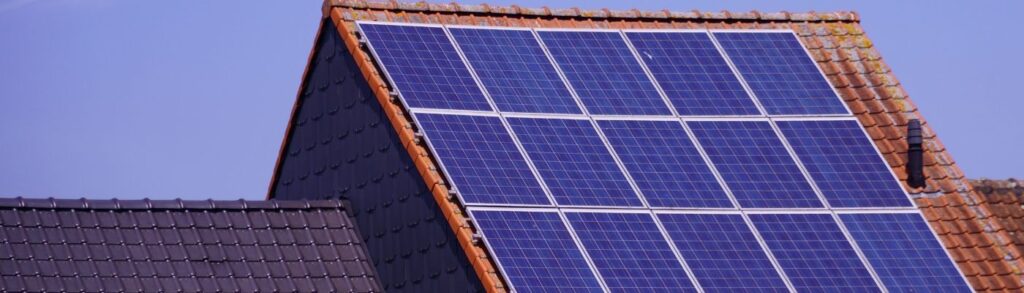
Switching to solar power for home use is becoming more popular every year. But many homeowners still ask a basic question: How does solar power actually work on a house? If you’ve ever wondered where the electricity comes from, how panels turn sunlight into usable power, or whether solar can run common appliances like lights, fans, motors, or even AC units, this guide is for you. In simple words, a home solar system collects sunlight, converts it into electricity, and then supplies that electricity to your home’s electrical system. But let’s break that down step-by-step so you can clearly understand how solar power works. What Are Solar Panels? Solar panels are the shiny rectangular plates you see on rooftops. They are made of many small units called solar cells, usually made from a material called silicon. You can think of each solar cell as a tiny energy factory. When sunlight falls on these cells, they react and start producing electricity. One panel has many cells, and a rooftop system can have anywhere from 5 to 30+ panels depending on your power needs. In simple terms: Sunlight falls on the panels. The panels capture energy from that sunlight. That energy becomes electricity. This is the first step in understanding solar panels working at home. How Solar Panels Convert Sunlight to Electricity Now that we know panels collect sunlight, how does that become actual electricity you can use to run lights or fans? Here’s the easy, beginner-friendly version: Sunlight hits the solar cells. The cells contain special materials that react when exposed to light. Electric charge begins to move. This movement creates direct current (DC) electricity. DC flows out of the panels through wires. But your home cannot use DC directly. This process is called the photovoltaic effect, but you don’t need to remember the name. Just remember this: Panels make DC electricity, but your home needs AC electricity. Role of Inverters in a Home Solar System An inverter is like a translator between your solar panels and your home appliances. It takes the DC electricity from the panels and converts it into AC electricity, the type used in homes. Simple steps: Panels: DC power Inverter: Converts to AC Home: Uses AC to run appliances Without an inverter, even if your roof produced plenty of solar electricity, your appliances wouldn’t understand it. Modern systems often use one of two inverter types: String inverters (one main inverter for all panels) Microinverters (small inverters on each panel) Both do the same basic job. On-Grid vs Off-Grid Solar Systems When choosing solar power for home, you’ll often hear two terms: on-grid and off-grid. Here’s the simplest explanation. On-Grid Solar System This system is connected to your local electricity grid. How it works: If your solar panels produce more electricity than you need, extra power goes to the grid. At night or during cloudy weather, you draw power back from the grid. Most homes today use on-grid systems because they’re cheaper and more flexible. Off-Grid Solar System This system is not connected to the grid. How it works: You need batteries to store extra energy. At night, the batteries supply power. Off-grid systems are useful in remote areas with no electrical connection. How Solar Connects with Your Home’s Electrical System Once the inverter produces AC electricity, it flows into your home just like normal grid power. A simple way to understand this: A solar inverter sends AC power to your main distribution board (DB). From there, electricity flows to all appliances: lights fans motors fridge TV even AC units (if the system is large enough) Your appliances do not know whether electricity is coming from solar or the grid. They behave exactly the same. What Happens on Cloudy Days? Solar panels don’t need direct sunlight all the time, they work even when it’s cloudy. However, they produce less power. Typical behavior: Sunny day: 100% production Partly cloudy: 40–80% production Rainy day: 10–30% production Think of it like charging your phone with a weaker charger, it still charges, just more slowly. In on-grid systems, the grid fills the gap. In off-grid systems, the batteries provide backup. Is Solar Power Enough for a Full House? Yes, solar can power a full house, but it depends on: Your home’s electricity consumption The size of your rooftop The size of your solar system Whether you use batteries For example: A small home may need a 3 kW system. A medium home may need a 5 kW system. A large home or one using ACs might need a 7–10 kW system. Many homes today run all major appliances on solar, lights, fans, washing machine, fridge, pumps, and even air conditioners (if designed properly). Final Thoughts Understanding how solar power works is the first step to making a smart decision about switching to renewable energy. A home solar system is a simple combination of panels, an inverter, wiring, and sometimes batteries. Together, they convert sunlight into usable electricity for your home, powering everything from lights and fans to fridges and even AC units. Going solar not only reduces electricity bills but also makes your home more eco-friendly. And with improving technology and falling prices, there has never been a better time to explore solar power for home use. FAQs 1. Can solar power run an air conditioner? Yes, solar power can run an air conditioner as long as your solar system is large enough to handle the load. A normal 1.5-ton AC usually needs around 1.5 to 2 kW while operating, so homes that plan to run air conditioning on solar often install a 5 kW to 8 kW system. On-grid solar setups work especially well for AC usage because they allow you to draw extra power from the grid whenever your panels cannot supply enough. 2. How much roof space do I need? Most homes need around 80 to 100 square feet of roof space for every 1 kW of solar panels. This means a 3 kW system generally requires
7 Benefits of Residential Solar
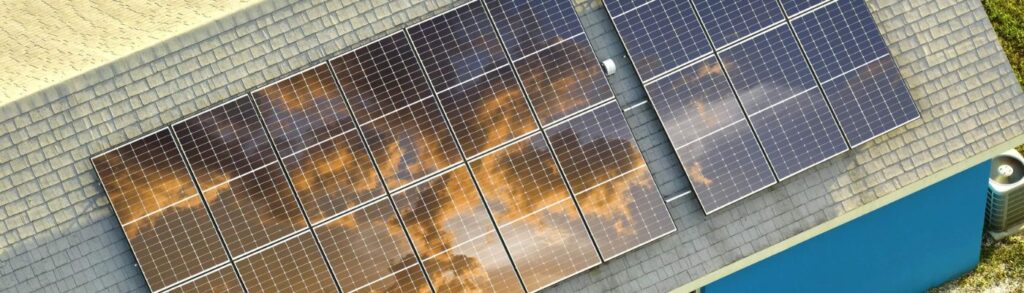
As electricity prices continue to rise, households around the world are looking for smarter and more sustainable ways to power their homes. One of the best solutions today is switching to solar energy. The benefits of residential solar go far beyond saving money, they offer long-term stability, cleaner power, and greater control over your home’s energy needs. Whether you live in a city apartment, a standalone house, or even a farmhouse, a residential solar system can transform the way your home uses electricity. In this blog, we’ll explore the 7 major home solar benefits and show why more families are choosing solar panels for their house. What Is a Residential Solar System? A residential solar system is a setup installed on the roof or open space around your home. It includes solar panels, an inverter, mounting equipment, and sometimes a battery for storing energy. Together, these components convert sunlight into usable power for lights, fans, appliances, and more. These systems come in different sizes depending on your needs. For instance: Apartments may use small 1–2 kW systems to power essential loads. Independent houses often install 3–10 kW systems to cover most or all consumption. Farmhouses can use even larger systems, especially where grid supply is weak. Regardless of the size, the core goal remains the same: reduce grid consumption and gain cleaner, more reliable energy at home. Benefit 1: Save Money on Electricity Bills One of the most attractive benefits of residential solar is the significant cost savings. After installation, the electricity generated from solar panels is completely free. Most systems last 20–25 years, which means decades of reduced energy costs. A typical home can see the following savings: Apartments: 30–50% lower monthly bills Urban houses: Up to 80–90% reduction depending on system size Farmhouses: Near-total independence from the grid These savings quickly add up. In many countries, homeowners recover their full installation cost within 3–5 years. After that, the electricity produced is almost pure profit. With electricity rates rising each year, choosing solar for home becomes an even smarter financial decision. Benefit 2: Low Maintenance Another reason why many households prefer solar is because it requires very little maintenance. Solar panels have no moving parts, which means minimal wear and tear. The only regular task is cleaning the panels once every few weeks to remove dust, dirt, or leaves so they function efficiently. Most homeowners handle this easily with water and a soft brush. Even in rural or dusty areas, maintenance remains low compared to generators or other power systems. Annual check-ups by a technician usually involve simple inspections of wiring, mounting structures, and inverter performance. This low-maintenance nature makes solar ideal for busy families, rental property owners, and farmhouses where regular maintenance might be difficult. Benefit 3: Clean and Renewable Energy Solar energy is one of the cleanest forms of power available today. It creates no pollution, no greenhouse gases, and no noise. Every unit of electricity generated from sunlight reduces dependence on fossil fuels like coal and gas. For households concerned about the environment, installing a residential solar system is a practical way to make a difference. Even a small 2 kW system can offset hundreds of kilograms of carbon emissions every year. Over its lifetime, a home solar system can reduce your carbon footprint as much as planting thousands of trees. Choosing solar for home not only benefits your wallet but also contributes to a cleaner and healthier planet for future generations. Benefit 4: Increases Home Value Installing solar panels can significantly increase the market value of your property. Many buyers today prefer homes that already have solar systems because it means: Lower future electricity bills Reduced dependence on the grid A modern and energy-efficient setup In competitive real estate markets, homes with solar often sell faster and at higher prices. For apartments, solar installations in shared rooftops can also make the entire building more attractive to buyers or tenants. Whether you plan to stay in your home long-term or eventually sell it, adding solar is a strong investment that improves both comfort and property value. Benefit 5: Long-Term Energy Security Depending only on the grid for electricity can be unpredictable. Power shortages, rising tariffs, and seasonal demand can all impact your monthly expenses. A residential solar system gives you more control over your own energy supply. Solar panels generate electricity independently of the grid. With the addition of batteries, you can store extra energy and use it during evenings or cloudy weather. This reduces your reliance on outside sources and provides long-term stability. Farmhouses and rural homes especially benefit from this independence because they often face voltage fluctuations and unstable supply. Solar brings consistent and reliable energy right at home. Benefit 6: Government Subsidies and Support Governments in many countries offer strong financial incentives to encourage households to install solar. These may include: Upfront subsidies on installation costs Tax rebates or income tax benefits Zero-cost EMI or low-interest loans Net metering policies that allow you to sell extra power back to the grid These incentives significantly reduce the upfront investment and make solar more accessible for middle-class families. When combined with long-term savings on electricity bills, the return on investment becomes even faster. Before installing solar, it’s a good idea to check the latest government schemes available in your region to maximize your benefits. Benefit 7: Reliable Solution During Power Cuts Power cuts continue to be a challenge in many areas, especially in rural and semi-urban regions. For households that experience frequent outages, solar with battery backup is a practical and reliable solution. When the grid goes down, your solar system can automatically switch to battery power, keeping essential appliances running. This includes: Fans, lights, and chargers Wi-Fi routers Refrigerators Water pumps Small kitchen appliances For farmhouses or homes far from the city, this feature provides stability and peace of mind. Even without batteries, a grid-tied solar system reduces grid load and helps maintain voltage consistency. Why Choose Solar for Your Home? The home
Active and Passive Solar Water Heater Systems
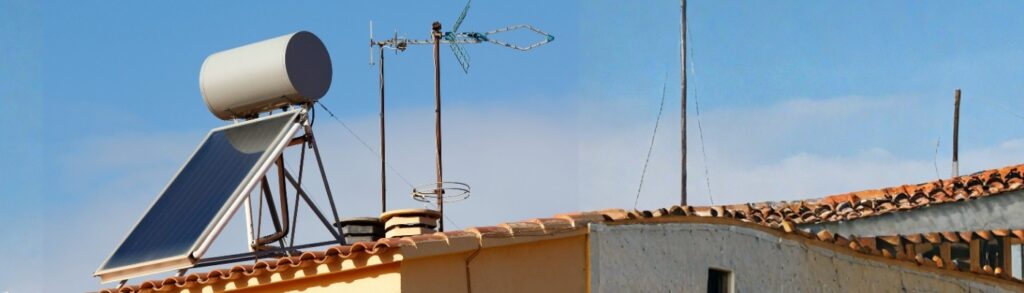
A solar water heater is one of the most efficient ways to reduce electricity bills while using clean, renewable energy. Solar water heating systems harness the sun’s energy to provide hot water for homes, offices, or industries. Choosing the right type of solar water heater is crucial because it affects efficiency, cost, and maintenance. In this guide, we’ll explore active and passive solar systems, their pros and cons, and which one may suit your needs best. Active & Passive Solar System Solar water heating systems are mainly categorized into active and passive systems. Both serve the same purpose-heating water-but they differ in technology, cost, and efficiency. Understanding their differences will help you make an informed choice. Active Solar Systems Active solar systems use external devices like pumps and controllers to circulate water or heat transfer fluids through the solar collectors. These systems are often more efficient and suitable for areas where sunlight availability varies or for large households. Types of Active Solar Systems: Direct Circulation Systems: Water is pumped directly through solar collectors to storage tanks. Indirect Circulation Systems: A heat transfer fluid (like glycol) circulates through the collector and transfers heat to water via a heat exchanger. Pros & Cons of Active Solar Systems Pros Cons More efficient in cold or cloudy regions Higher initial cost due to pumps and controllers Can supply hot water on demand, even during low sunlight Requires electricity to run pumps Can be integrated with large-scale applications Maintenance is slightly more complex Flexible installation and placement options Slightly more prone to mechanical failure Passive Solar Systems Passive solar systems work without pumps or controllers. They rely on natural convection (thermosiphon effect) to circulate water between the collector and the storage tank. This simplicity makes them low-cost and low-maintenance. Types of Passive Solar Systems: Integral Collector-Storage (ICS) Systems: Water is heated directly in the collector tank, which is often placed on the roof. Thermosiphon Systems: Water circulates naturally from the collector to the storage tank, based on temperature differences. Pros & Cons of Passive Solar Systems Pros Cons Lower installation and maintenance costs Less efficient in cold or cloudy climates No electricity required Hot water availability depends on sunlight and tank placement Simple design, durable, fewer moving parts Limited storage capacity compared to active systems Fewer mechanical issues Slower water heating rate Difference Between Active and Passive Solar Systems Feature Active Solar System Passive Solar System Operation Uses pumps and controllers Relies on natural circulation Efficiency Higher efficiency in variable climates Lower efficiency in colder regions Cost Higher upfront cost Lower upfront cost Maintenance Requires regular checks Minimal maintenance Flexibility Suitable for large-scale systems Best for small to medium households Reliability Slightly more prone to mechanical issues Very reliable due to no moving parts How Can We Help We provide guidance and solutions for installing solar water heating systems tailored to your needs. Whether you’re considering a high-efficiency active solar system or a low-maintenance passive system, we help you: Assess your energy requirements Choose the right type of solar water heater Ensure proper installation for maximum efficiency Provide maintenance tips for long-lasting performance Conclusion Choosing the right solar water heater depends on your climate, household size, and budget. Active systems are ideal for larger homes and variable climates, while passive systems are perfect for smaller households looking for a low-cost, maintenance-free solution. Investing in a solar water heating system not only reduces electricity bills but also contributes to a sustainable future. FAQ Q1: Which system is better for a cold climate? A: Active solar systems are more suitable because they use pumps to circulate water, ensuring hot water even during cloudy days. Q2: Are passive solar systems reliable? A: Yes, passive systems are very reliable because they have no moving parts, but they are less efficient in cold or cloudy weather. Q3: How long does a solar water heater last? A: With proper maintenance, both active and passive systems can last 15–20 years. Q4: Can I combine active and passive systems? A: Yes, hybrid systems exist that combine natural circulation with backup pumps for optimal efficiency. Q5: Is installation expensive? A: Passive systems are generally cheaper to install, while active systems have higher upfront costs but higher efficiency and flexibility.
Heat Exchangers for Solar Water Heating Systems
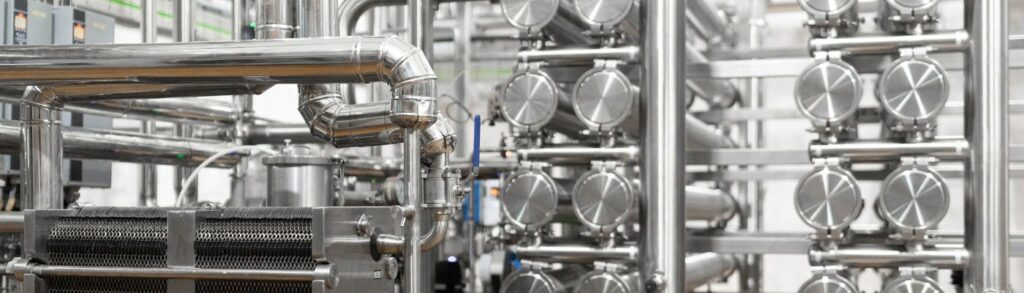
A heat exchanger is an important part of a solar water heating system. It helps move the heat from the solar collector fluid to the water you use at home. This way, the water heats up safely without the two fluids mixing. Using a heat exchanger makes the system more efficient. It helps the water warm up faster and keeps the system working well even on days with less sunlight. This means you get steady hot water with better energy savings. What Is a Heat Exchanger in a Solar Water Heating System? A heat exchanger in a solar water heating system is a device that helps transfer heat from the solar collector to the water you use at home. The sun warms up a special fluid in the collector, and this hot fluid then passes through the heat exchanger. As it flows, it transfers its heat to the cold water without mixing with it. This way, your water gets heated safely and efficiently using solar energy. Why Heat Exchangers Are Important Heat exchangers are very important because they help transfer heat from one place to another safely and efficiently. They save energy, protect machines from overheating, and make many systems work smoothly—like air conditioners, refrigerators, solar water heaters, and industrial equipment. Without heat exchangers, these systems would use more power and get damaged faster. Heat exchangers play a crucial role because they: Improve the overall efficiency by efficiently transferring solar heat to the water. Prevent contamination between the solar fluid and the household water. Protect the system from damage by isolating the solar loop. Help keep maintenance easier and safer by separating the fluids. Types of Heat Exchangers Used in Solar Systems Solar systems use different types of heat exchangers to transfer heat from the solar collector to the water or fluid. The most common ones are coil-type exchangers, plate exchangers, and shell-and-tube exchangers. Each type helps improve heating efficiency by moving heat quickly and safely. Choosing the right heat exchanger depends on the system size, water quality, and how much heat is needed. There are a few common types used, including: Plate Heat Exchangers: Thin metal plates stacked together, offering quick heat transfer in a compact space. Coil Heat Exchangers: Coiled tubes immersed inside the water tank, transferring heat directly. Shell and Tube Heat Exchangers: Tubes inside a larger shell where fluids flow separately, used often in larger or industrial setups. How Heat Exchangers Improve Heating Efficiency Heat exchangers help improve heating efficiency by quickly transferring heat from one source to another without wasting energy. They make sure that the heat produced is used properly, so the system doesn’t have to work harder. This saves power, reduces heating time, and keeps the overall system running smoothly. In simple words, heat exchangers help get more heat using less energy. Key Features to Look for in a Solar Heat Exchanger Look for a heat exchanger that’s durable, transfers heat quickly, and works well with your solar system. It should be easy to maintain and help your system run efficiently while saving energy. When choosing a heat exchanger, consider: Material Quality: Stainless steel or titanium resist corrosion and last longer. Size and Capacity: Match the heat exchanger size to your solar system and water usage. Efficiency Ratings: Look for units with good heat transfer rates to save energy. Maintenance Needs: Easy-to-clean designs reduce downtime and keep efficiency high. Safety Certifications: Ensures the product meets industry standards. Common Applications Solar heat exchangers are used in: Homes heating their hot water with solar panels. Hotels providing eco-friendly hot water solutions. Industries needing process water heating from solar energy. Installation and Maintenance Tips Ensure professional installation for proper sizing and connecting. Regularly clean the exchanger to prevent scale buildup and keep heat transfer efficient. Check for leaks or corrosion periodically. Use antifreeze in the solar loop if you live in freezing climates to protect the exchanger. FAQs 1. What is the function of a heat exchanger in solar heating? Ans- Its function is to transfer heat from solar-heated fluid to the water used in the building without mixing the two fluids, ensuring efficient and safe heating. 2. Which type of heat exchanger is best for solar systems? Ans- Plate heat exchangers are often best for their high efficiency and compact design, but coil and shell-and-tube types work well depending on system size and application. 3. How often should a heat exchanger be cleaned? Ans- Typically, cleaning is advised once a year or as recommended by the manufacturer, especially if the system uses hard water or if deposits build up. 4. Does a heat exchanger improve heating efficiency? Ans- Yes, by optimizing heat transfer and minimizing energy loss, heat exchangers enhance the overall efficiency of solar water heating systems.
Solar Water Heaters- Smart Energy Savings
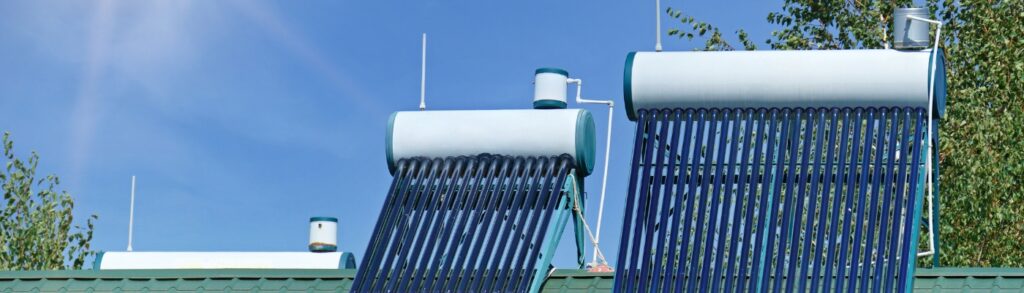
Solar water heaters use sunlight to heat water for your home. They reduce the need for electricity, which means your monthly bills become lower. These systems work well in sunny places and can provide hot water for bathing, washing, and daily use. They are also good for the environment because they don’t create pollution. Once installed, solar water heaters need very little maintenance. This makes them a smart and long-term solution for saving energy and money. What Is a Solar Water Heater? A solar water heater is a system that uses sunlight to heat water for your home or business. Instead of relying on electricity or gas, it uses panels or collectors installed on your roof to capture the sun’s energy. This makes it an eco-friendly hot water solution that helps reduce energy bills and carbon footprints. Solar water heaters can be used in homes, hospitals, schools, and small businesses, providing hot water more sustainably and often at a lower long-term cost. How Solar Water Heaters Work Solar water heaters use energy from the sun to heat water. The system has solar panels, usually placed on the roof, that collect sunlight and turn it into heat. This heat warms up the water stored in a tank connected to the system. Cold water enters the heater, gets warmed by the sun’s energy, and then flows into the tank for use. This method saves electricity because it uses natural sunlight instead of electric power. Solar water heaters are an eco-friendly and cost-effective way to get hot water, especially in sunny areas. There are two common types of systems: Direct circulation systems: Pump water directly through the collectors to heat it. Indirect circulation systems: Use a heat-transfer fluid that heats your water through a heat exchanger, which is safer in cold weather. Even in winter, solar water heaters can work well because they often include backup heaters or antifreeze fluids to maintain hot water supply. This makes them a smart choice year-round. Types of Solar Water Heaters Solar water heaters mainly come in two types: active systems and passive systems. Active systems use pumps or fans to move water, making them more efficient and suitable for colder regions. Passive systems work through natural water flow, so they are simpler, low-cost, and ideal for warm and sunny areas. These systems use two common collector types. Flat-plate collectors are wide panels that absorb sunlight to heat water, while evacuated tube collectors are long tubes that reduce heat loss, making them very effective in colder weather. Comparison Table: Active System vs Passive System Feature Active System Passive System Water Movement Uses pumps/fans Natural flow (no pumps) Cost Higher Lower Efficiency More efficient Moderate efficiency Best For Cold climates Warm/sunny climates Maintenance Requires regular maintenance Low maintenance Installation Slightly complex Simple installation Benefits of Using a Solar Water Heater at Home Using a solar water heater at home is a smart and eco-friendly choice. It helps you save money on electricity bills because it uses sunlight instead of power. Solar water heaters also work well throughout the year and need very little maintenance. They reduce pollution and help protect the environment. Overall, it’s a long-term investment that keeps your home energy-efficient and cost-effective. Solar water heaters offer many advantages: Cost savings: After the initial cost, sunlight is free. Over time, you’ll save money on energy bills. Eco-friendly: Solar energy reduces reliance on fossil fuels, cutting greenhouse gas emissions. Reliable hot water: Even in winter, advanced systems ensure hot water availability. Low maintenance: Once installed, these systems generally require little upkeep. Increased property value: Homes with solar water heating systems often attract buyers showing interest in energy efficiency. How Much Does a Solar Water Heater Cost? The cost of a solar water heater depends on the type of system, its size, and how complex the installation is. Basic models are usually more affordable and fit smaller households, while advanced systems with better collectors or bigger storage tanks fall in a higher price range. Even though the initial investment may feel a bit heavy, government rebates, tax benefits, and long-term savings on electricity bills often make the system pay for itself over time. Key Points: Costs vary based on system type and size Basic systems are more affordable Advanced systems cost more but offer higher efficiency Government rebates can reduce the total expense Long-term energy savings recover the initial cost Things to Check Before Buying When choosing a solar water heater for home use, consider these factors: Climate: Choose the system type that suits your region’s weather. Water needs: Match the system size to your household or business hot water demand. Installation space: Ensure your roof or property has enough sun exposure and mounting space. Quality and warranty: Look for reliable brands that offer good warranties. Maintenance requirements: Understand what upkeep is needed to keep the system running smoothly. Why Solar Water Heaters Are a Good Long-Term Choice Solar water heaters are a smart investment because they use sunlight to heat water, which means lower electricity bills and less dependence on the power supply. Once installed, they need very little maintenance and can last for many years. They are also eco-friendly, helping reduce pollution and saving energy. Overall, a solar water heater gives long-term savings, steady performance, and a cleaner environment. FAQs 1. How long does a solar water heater last? Ans- A solar water heater usually lasts 15 to 20 years, and with proper maintenance, it can even run longer. Regular servicing helps keep the system efficient and extends its lifespan. 2. Is a solar water heater effective in winter? Ans- Yes, especially systems with indirect circulation or antifreeze fluids, ensuring hot water even in cold seasons. 3. How much maintenance does a solar water heater need? Ans- Minimal maintenance like cleaning collectors and checking pumps or fluids once or twice a year is usually enough. 4. How much money can I save using a solar water heater? Ans- Savings vary but can be 50% or more
Solar Panels Cleaning Properly: A Complete Guide
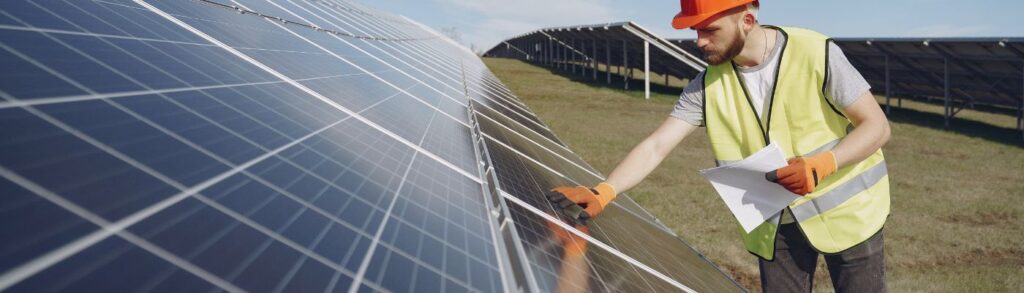
Keeping your solar panels clean might sound like a small task, but it plays a big role in how well your solar system performs. Dust, pollen, bird droppings, and pollution can slowly build up on the surface of panels, blocking sunlight and lowering energy output. A lot of homeowners don’t think about solar panel cleaning until they start noticing a drop in performance and by then, they’ve already lost a chunk of free energy. This complete guide walks you through how to clean solar panels, when to do it, which mistakes to avoid, and how to keep your system working at its best. The goal here is simple: to give you clear, practical advice that actually helps. No fluff or complicated jargon, just real insights explained in an easy way. Why Solar Panel Cleaning Matters Most solar panels don’t have moving parts, which makes them low-maintenance. But “low-maintenance” doesn’t mean “no maintenance.” Dirt buildup affects solar performance more than most people realize. How dirt affects efficiency Studies from the National Renewable Energy Laboratory (NREL) show that dirty panels can lose anywhere between 5% to 25% of their output depending on the environment. In areas with heavy dust or pollution, the loss can be even higher. Common things that lower PV efficiency include: Dust and sand (especially in dry climates) Pollen, which sticks like glue during certain seasons Bird droppings, which block light completely Leaves and debris from nearby trees Pollution residue from traffic or industries Hard water stains if panels are hosed down improperly When sunlight can’t reach the cells inside the panel, the system simply can’t create as much electricity. How Often Should You Clean Solar Panels? There’s no single rule that fits everyone, because it depends on your environment. But here’s a simple guideline: Recommended cleaning frequency Urban areas: Once every 6 months Rural or agricultural zones: Every 3–4 months Coastal regions: Every 2–3 months (salt residue builds up faster) Industrial areas: Every 2–3 months Very dusty regions: Monthly cleaning may be needed A good habit is to check your solar production data. If you suddenly see a noticeable drop in output (and weather is normal), it may be time to clean the panels. Should You Clean Solar Panels Yourself or Call a Professional? Before jumping into PV panel cleaning, decide whether it’s something you want to do yourself. DIY cleaning is good if: Your roof is safe and easy to access You’re comfortable using basic cleaning tools The dirt buildup is mild (dust, pollen, light dirt) Your system warranty does not forbid self-cleaning Professional cleaning is better when: Your roof is steep, high, or slippery There is thick or stubborn dirt buildup You have hard water that may leave stains Your panels have not been cleaned in over a year Your warranty requires professional service Most installation companies recommend at least one professional cleaning per year to maintain performance and warranty compliance. How to Clean Solar Panels: Step-by-Step Cleaning solar panels isn’t complicated, but doing it safely is the top priority. Whether you’re using a ladder or working on a terrace, take your time and follow proper precautions. Safety First Turn off your solar system before cleaning (as recommended in your user manual). Avoid stepping on the panels, they can crack under pressure. Do not clean during peak sunlight hours; morning or evening is safer. Never use harsh chemicals or abrasive materials. Once safety is covered, here’s how to clean solar panels the right way. 1. Gather the Right Tools You don’t need anything fancy. Most of the tools are common household items: Soft microfiber cloth or sponge Bucket of clean, lukewarm water Mild biodegradable soap (optional) Soft-bristle brush with a long handle Squeegee for drying Hose with low pressure Gloves for better grip Avoid pressure washers, they can damage the panel surface and void your warranty. 2. Rinse the Panels with Water Start by gently rinsing off dust and loose dirt. Think of it like rinsing a car before washing. This helps prevent scratches when you start wiping later. Tip: If possible, use filtered or RO water. Hard water leaves mineral stains that reduce efficiency over time. 3. Use a Soft Sponge and Soap Mix a few drops of mild soap in a bucket of water. Dip the sponge or brush and gently wipe the surface. Avoid circular scrubbing with force, it’s unnecessary and may cause micro-scratches. Soap is optional. Many experts suggest using only water unless the dirt is sticky. 4. Rinse Again Make sure no soap residue remains. Soap film can attract dust faster and reduce light absorption. 5. Dry with a Squeegee This step helps prevent water spots. A long-handle squeegee is safest and gives better control. If some drops remain, let them air-dry, they usually don’t affect performance unless the water is hard. 6. Inspect for Damage Look for signs like: Cracks Burn marks Loose wiring Birds nesting underneath Broken seals If you see anything unusual, call your installer immediately. Common Mistakes to Avoid When Cleaning Solar Panels Many people make simple mistakes that cost them energy or even damage the panels. Avoid these: Cleaning during the hottest hours, sudden temperature changes can crack glass Walking on the panels Using bleach or household detergents with harsh chemicals Using abrasive scrub pads Using high-pressure water jets Cleaning without turning off the inverter Being careful saves money and prevents long-term damage. Can Rain Clean Solar Panels? A light drizzle cannot replace proper solar panel cleaning. Rain actually helps loosen dust, but it also leaves dirty streaks. Think of it like your car windshield, rain alone never makes it spotless. Areas with frequent, heavy rain may require fewer manual cleanings, but they still need periodic washes to maintain performance. Do Solar Panels Have Self-Cleaning Coatings? Many modern panels come with hydrophobic coatings. These help water slide off more easily and reduce dust buildup. But they do not eliminate the need for cleaning. Think of them as an added layer of protection, not a full
Best Types of Solar Panels in India: A Complete Guide
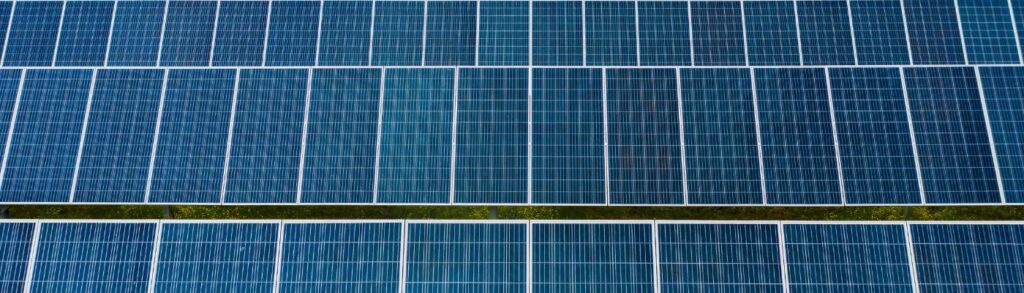
Solar energy has become one of the fastest-growing sources of clean power in India. With rising electricity costs and environmental concerns, many homeowners and businesses are looking for reliable solar solutions. However, choosing the right solar panel can be confusing due to the variety of options available in the market. In this guide, we’ll explore the types of solar panels, the best solar modules in India, and tips to select the best solar products India for your needs. Understanding Solar Panels A solar panel is a device that converts sunlight into electricity using photovoltaic (PV) cells. Solar panels are a key component of any solar power system and come in various technologies and designs. The main goal is to provide efficient energy conversion, durability, and performance. Types of Solar Panels (Solar PV Panels Types) Solar panels can be broadly categorized based on the material and technology used in the PV cells. Understanding solar PV panels types helps in choosing the right solution for your home or business. 1. Monocrystalline Solar Panels Monocrystalline panels are made from a single crystal structure and are known for their high efficiency and sleek black appearance. Key Features: High energy efficiency (15–22%) Long lifespan (25+ years) Performs well in low-light conditions Advantages: Compact size, ideal for limited rooftop space Reliable and long-lasting Disadvantages: Higher upfront cost compared to other types Best Use: Residential rooftops and commercial spaces with limited space. 2. Polycrystalline Solar Panels Polycrystalline panels are made from multiple silicon crystals, giving them a blue, speckled appearance. They are slightly less efficient than monocrystalline panels but more affordable. Key Features: Efficiency: 13–16% Moderate lifespan (20–25 years) Works well in sunny areas Advantages: Lower cost Simple manufacturing process Disadvantages: Slightly larger area needed for the same output Less efficient in low-light conditions Best Use: Large rooftops and open spaces where cost is a factor. 3. Thin-Film Solar Panels Thin-film panels are made by depositing a thin layer of photovoltaic material on a substrate like glass or metal. Key Features: Lightweight and flexible Lower efficiency (10-12%) Aesthetically versatile Advantages: Can be installed on irregular or curved surfaces Lightweight, reducing structural load Disadvantages: Requires more space for the same power output Shorter lifespan (10-20 years) Best Use: Innovative architectural designs or lightweight structures. 4. Bifacial Solar Panels Bifacial panels can capture sunlight on both the front and back sides, increasing overall energy production. Key Features: Higher energy yield Durable and often tempered glass on both sides Efficient in reflective environments like rooftops or snow Advantages: Increased energy output Long lifespan (25+ years) Disadvantages: Higher initial investment Requires proper mounting to optimize performance Best Use: Rooftops, solar farms, and high-performance installations. How to Choose the Best Solar Modules in India Selecting the best solar modules in India depends on several factors: Energy Requirements: Calculate your daily energy usage to determine panel capacity. Roof Space: Monocrystalline panels are ideal for limited space, while polycrystalline and thin-film panels suit larger areas. Budget: Polycrystalline and thin-film panels are cost-effective, while monocrystalline and bifacial panels have higher efficiency and longer lifespan. Climate: Consider panels that perform well under your local weather conditions. Monocrystalline panels perform better in low light, while bifacial panels are great for reflective environments. Warranty and Reliability: Choose reputable brands that offer at least 25 years of performance warranty. Best Solar Products India Apart from panels, a complete solar system includes inverters, batteries, mounting structures, and accessories. For the best results, look for products with: High-efficiency solar inverters Reliable storage batteries (like lithium-ion) Corrosion-resistant mounting structures Certified and tested accessories Combining the best solar modules in India with quality accessories ensures a long-lasting, high-performing solar system. Benefits of Installing Solar Panels in India Cost Savings: Significant reduction in electricity bills. Energy Independence: Generate your own electricity and reduce reliance on the grid. Environmental Impact: Reduce carbon footprint and contribute to a cleaner environment. Government Incentives: Various subsidies and tax benefits are available for solar adoption. Common Myths About Solar Panels Myth: Solar panels don’t work on cloudy days. Fact: Modern panels can generate electricity even on cloudy days, though efficiency may be slightly lower. Myth: Solar systems are too expensive. Fact: While initial costs can be high, long-term savings and government incentives make solar installation cost-effective. Myth: Maintenance is high. Fact: Solar panels require minimal maintenance, mainly periodic cleaning and occasional checks. Conclusion Choosing the right solar panel in India is crucial to maximize energy efficiency and long-term savings. By understanding the types of solar panels, evaluating your energy needs, and selecting the best solar products India, you can make an informed choice for your home or business. Whether you opt for monocrystalline vs polycrystalline, thin-film, or bifacial panels, investing in solar energy is a step towards sustainability and energy independence. FAQs 1. What are the different types of solar panels available in India? The main types of solar panels in India include monocrystalline, polycrystalline, thin-film, and bifacial solar panels. Each type has unique efficiency levels, costs, and applications depending on your energy needs and roof space. 2. Which are the best solar modules in India? The best solar modules in India are typically from reputable brands offering high efficiency, long warranties, and proven performance. Monocrystalline and bifacial panels are often preferred for their high output and durability. 3. How do I choose the right solar panel for my home? To select the right panel, consider your energy requirements, available roof space, budget, and local climate conditions. Monocrystalline panels are ideal for limited space, while polycrystalline and thin-film panels are suitable for larger areas. 4. Are solar panels effective on cloudy or rainy days in India? Yes. Modern solar PV panels types can still generate electricity on cloudy or rainy days, although their efficiency may be slightly reduced. Proper panel orientation and quality products ensure consistent energy generation. 5. What are the benefits of installing solar panels in India? Installing solar panels in India helps reduce electricity bills, promotes energy independence, lowers carbon footprint, and allows homeowners to
Types of Wind Turbines
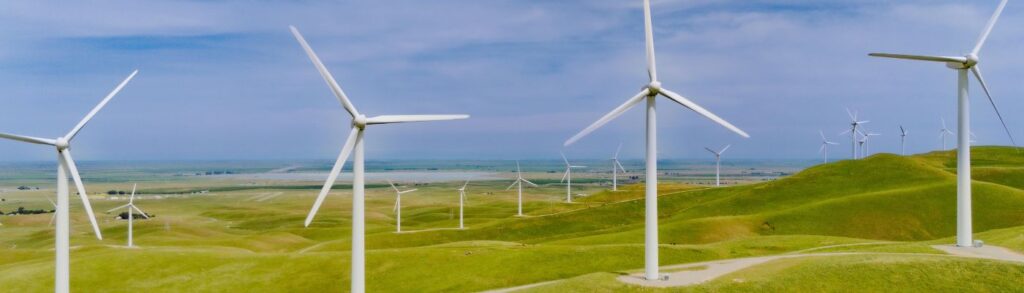
Wind energy is one of the cleanest and most sustainable sources of power. As the world shifts towards green energy, understanding the different types of wind energy turbines becomes crucial. In this blog, we will explore various types of windmill, types of wind turbine, and types of wind energy turbines, helping you understand how they work and where they are used. What is a Wind Turbine? A wind turbine is a device that converts the kinetic energy from wind into mechanical or electrical energy. Essentially, it captures wind energy and turns it into a usable form, often electricity. This makes it a critical component of green energy solutions. The main components of a wind turbine include: Rotor blades: catch the wind Nacelle: houses the gearbox, generator, and control electronics Tower: supports the turbine and elevates the blades Foundation: ensures stability Wind turbines are commonly categorized based on their design, axis of rotation, and purpose. Let’s dive into the main types of wind energy turbines. Types of Wind Turbines 1. Horizontal Axis Wind Turbines (HAWTs) The horizontal axis wind turbine is the most common type seen in wind farms around the world. In HAWTs, the rotor shaft and blades rotate on a horizontal axis, similar to a traditional fan. Key Features: Rotor faces the wind directly Usually has 2 or 3 blades Requires a mechanism to turn toward the wind (yaw control) Highly efficient in capturing wind energy Applications: Large-scale electricity production Offshore and onshore wind farms Advantages: High energy output Well-tested technology Limitations: Needs high wind speeds Larger space required 2. Vertical Axis Wind Turbines (VAWTs) Unlike HAWTs, vertical axis wind turbines have blades that rotate around a vertical axis. These turbines can capture wind from any direction, making them versatile for urban areas. Key Features: Rotor does not need to face the wind Compact and lower profile Usually slower rotation speed Types of VAWTs: Savonius Turbine: Uses scoops to capture wind; simple design Darrieus Turbine: Curved blades, looks like an eggbeater; more efficient than Savonius Applications: Small-scale electricity generation Rooftops or residential areas Advantages: Works with changing wind directions Quiet operation Limitations: Lower efficiency than HAWTs Not suitable for very large-scale power generation 3. Offshore Wind Turbines Offshore wind turbines are placed in bodies of water like seas or oceans. They are mostly HAWTs but specially designed to withstand harsh marine conditions. Key Features: Installed on platforms or floating structures Often taller and larger than onshore turbines Strong corrosion-resistant materials Applications: Coastal wind farms Utility-scale energy production Advantages: Access to stronger, more consistent winds Can produce large amounts of electricity Limitations: High installation and maintenance cost Requires specialized equipment 4. Small Wind Turbines Small wind turbines are designed for personal or local use, such as powering a home, farm, or small business. Key Features: Usually 1–100 kW capacity Can be HAWT or VAWT Simple installation and maintenance Applications: Residential energy generation Remote or off-grid locations Advantages: Reduces electricity bills Environmentally friendly and contributes to green energy initiatives Limitations: Cannot generate large-scale power Performance depends on local wind conditions 5. Hybrid Wind Turbines Hybrid systems combine wind turbines with other renewable sources like solar panels. They help provide consistent power even when wind speed is low. Key Features: Integration with solar PV or batteries Intelligent energy management Can be small or medium scale Applications: Remote villages or islands Backup power systems Advantages: Ensures continuous power supply Reduces dependency on a single energy source Limitations: Higher initial cost Requires careful system design Types of Windmill While modern wind turbines are mainly for electricity, traditional windmills were used for mechanical work, like grinding grain or pumping water. Understanding these gives context to the evolution of wind energy technology. Common Types of Windmill: Post Mill: The entire structure rotates to face the wind Tower Mill: Only the top rotates, taller and more stable Smock Mill: Wooden frame structure; intermediate between post and tower mills Polder Mill: Common in the Netherlands; used for water drainage These traditional types of windmill laid the foundation for today’s advanced wind turbines. Factors to Consider When Choosing a Wind Turbine When selecting a turbine, consider these factors: Wind speed and direction: Determines efficiency Space availability: Affects turbine size and layout Energy requirement: Small, medium, or large-scale use Budget: Initial cost, maintenance, and lifespan Environmental impact: Noise, wildlife, and aesthetics Conclusion Wind energy is evolving rapidly, and knowing the different types of wind energy turbines helps in making informed decisions. From traditional types of windmill to modern HAWTs, VAWTs, offshore turbines, and hybrid systems, there is a solution for nearly every application. As technology improves, wind power will continue to play a key role in sustainable energy production worldwide. FAQs 1. What are the main types of wind energy turbines? The main types include Horizontal Axis Wind Turbines (HAWTs), Vertical Axis Wind Turbines (VAWTs), offshore wind turbines, small wind turbines, and hybrid wind turbines. Each type has unique designs and applications based on location, wind conditions, and energy needs. 2. What is the difference between a windmill and a wind turbine? A windmill is a traditional device used for mechanical work like grinding grain or pumping water. A wind turbine, on the other hand, is designed to generate electricity from wind energy. Modern turbines are more efficient and often much larger than traditional windmills. 3. Which type of wind turbine is most efficient for electricity generation? Horizontal Axis Wind Turbines (HAWTs) are generally the most efficient for large-scale electricity production. They work best in areas with consistent, strong winds, which is why they are commonly used in both onshore and offshore wind farms. 4. Can vertical axis wind turbines be used in cities? Yes. Vertical Axis Wind Turbines (VAWTs) are ideal for urban areas because they can capture wind from any direction and have a compact design. They are quieter and can be installed on rooftops or smaller spaces where traditional horizontal turbines may not fit. 5. How do offshore wind turbines differ from onshore turbines? Offshore wind
What is a Hybrid Solar Power System?
If you’ve been researching ways to use solar power at home or for a commercial rooftop, you’ve probably come across the term “hybrid solar power system.” It sounds a little technical, but once you break it down, it’s actually a smart and practical setup that gives you the best of both worlds-the reliability of grid electricity and the savings of solar energy. This guide explains hybrid solar systems in an easy, conversational way-like a friend walking you through the basics. You’ll learn how hybrid solar systems work, why they’re becoming popular in homes and businesses, the types of solar energy systems available, and tips to choose the right setup. What Is a Hybrid Solar Power System? A hybrid solar power system is a solar setup that combines: Solar panels Solar batteries Grid connection So basically, it is a mix of on-grid and off-grid systems. Think of it like a car that runs on petrol but also has an electric battery. When one source isn’t enough, the other fills the gap. How a Hybrid System Works Here’s a quick, easy-to-understand breakdown: Solar panels capture sunlight and turn it into electricity. That electricity is first used to power your home or commercial building. Any extra power is stored in solar batteries for later use. If the stored power runs out (like during long cloudy days), the system automatically switches to the utility grid. If your system is producing extra power, you can also export it to the grid (if net metering is available). In short: You get savings + backup power + full control. This is one of the reasons hybrid solar systems are seen as the most flexible type of solar energy setup today. Why Hybrid Solar Systems Are Becoming Popular Earlier, people had to choose between two options: On-grid systems (cheaper but no backup) Off-grid systems (backup but expensive and fully battery dependent) But now, hybrid solar power systems offer a middle path. Here’s why many homes and commercial rooftops are choosing hybrid solar setups: ● Reliable Backup Power You don’t have to worry about power cuts. Your batteries handle emergencies automatically. ● More Savings on Electricity Bills You use solar power when available, battery backup when needed, and grid only when required. ● Ideal for Indian Weather India gets sunlight most days, but monsoon and winter can be unpredictable. Hybrid solar power systems handle both sunny and cloudy days smoothly. ● Great for Commercial Rooftops Businesses don’t want downtime. A hybrid solar system ensures continuous power for lights, machines, and office operations. ● Future-Proof As battery prices keep dropping, hybrid solar systems are becoming more affordable. Many people install hybrid-ready inverters and add batteries later. Types of Solar Energy Systems Before choosing a hybrid solar power system, it helps to know the three main types of solar energy setups. Type of System Works With Grid Contains Battery Backup Power Ideal For On-Grid Solar System Yes No No Homes/offices in areas with stable electricity Off-Grid Solar System No Yes Yes Remote areas with no grid connection Hybrid Solar System Yes Yes Yes Homes & commercial rooftops needing backup + savings Many people start by exploring types of solar energy, and most eventually choose hybrid because it balances cost, performance, and reliability. How Solar Power Actually Works To understand hybrid solar power systems better, let’s break down solar power work in the simplest way. Step 1: Sunlight hits the solar panels Panels convert sunlight into DC (direct current) electricity. Step 2: Inverter converts DC to AC Since your home uses AC, the inverter handles the conversion. Step 3: Power is distributed The system decides where the power goes: Home appliances Battery storage Grid export This automated flow is what makes hybrid solar so efficient-it intelligently shifts power where needed without any manual work. Components of a Hybrid Solar Power System A hybrid solar power system usually includes: ● Solar Rooftop System Installed on residential or commercial rooftops to capture sunlight. ● Hybrid Inverter The brain of the system. It manages: Grid supply Solar production Battery charging/discharging ● Solar Batteries They store unused electricity for later use-especially useful during nights or power cuts. ● Mounting Structures Hold the solar panels at the correct angle. ● Charge Controller Regulates power going into the battery. ● Monitoring System Lets you track power production on your phone-very useful for commercial users. How a Hybrid Solar Power System Helps a Small Business Let’s say a small bakery runs freezers, ovens, and lights daily. Before installing solar: Electricity bills were unpredictable. Frequent power cuts caused machine downtime. They needed a reliable backup. After installing a 5 kW hybrid commercial rooftop system: Daytime operations run mostly on solar. Batteries support the bakery during power cuts. Excess power is exported to the grid. Monthly savings increased by nearly 45–55%. The owner stopped using diesel generators completely. This is a real-type scenario that many small shops, offices, and factories in India experience. Benefits of Using Hybrid Solar for Homes If you’re thinking about a solar product for home, hybrid solar systems are worth considering. 1. Works During Power Cuts No more candles or inverters that run out quickly. Batteries give full backup. 2. Lower Monthly Bills Solar power is used first, so grid consumption drops instantly. 3. Store Daytime Power for Night Use Perfect for families that use more electricity in the evening. 4. Better Than Normal Home Inverters Solar charging saves money, unlike traditional inverters that charge from the grid. 5. Great for Future EV Charging You can later add an EV charging point and run part of it on solar. Benefits for Commercial Rooftops Hybrid systems fit well for: Schools Offices Hotels Factories Hospitals Warehouses Here’s why: ● Zero Downtime Machines and computers stay ON even during outages. ● Cost Control Commercial electricity tariffs are high. Solar reduces them significantly. ● Power Stability Helps protect equipment from voltage fluctuations. ● Scalable Start with a 10 kW system; expand to 50 kW or 100 kW later. When Should
Solar Maintenance Services Provider in India

Solar maintenance services in India are essential for long-term performance, and KLKindia ensures that your solar system continues to deliver maximum output year after year. If you already use solar power or plan to switch soon, you’ve probably heard one common line from every installer: Maintenance is simple. And yes, solar systems don’t need too much attention. But if you want your panels to perform at their best for 20–25 years, you must treat maintenance as a core part of the system—not an optional task. Why Solar Maintenance Matters More in India India gets excellent sunlight, but it also gets heavy dust, pollution, bird droppings, hard water stains, extreme heat, and monsoon moisture. These conditions directly reduce solar performance. A few real examples: In Delhi NCR, a commercial rooftop system can lose 20–30% efficiency due to dust within a few weeks. In Rajasthan, sandstorms layer panels with fine dust, blocking sunlight almost completely. In coastal states like Gujarat, moisture and salt deposition can damage metal frames and connectors. In small towns, improper wiring or loose connections often cause downtime in off-grid solar systems. This is why maintenance is not only about cleaning; it’s about inspection, monitoring, safety checks, and system optimization. What Does Solar Maintenance Include? A professional solar maintenance service provider like Klkindia usually offers these key services: 1. Solar Panel Cleaning Solar panels work on sunlight. If sunlight can’t reach the cells because of dust or stains, power drops immediately. A proper cleaning service includes: Dust removal Hard water stain removal Bird dropping removal Cleaning with soft brushes and silicone wipers Use of DM (de-mineralized) water to avoid marks Safety harness and equipment for high rooftops Typical cleaning frequency in India: Residential homes: Every 20–30 days Commercial rooftops: Every 7–15 days Industrial mega roofs: Weekly Off-grid systems: Once a month (minimum) Practical tip: Avoid washing panels with hard water, because mineral deposits can leave stains that permanently reduce efficiency. 2. System Inspection & Performance Audit A smart maintenance company doesn’t just clean panels-they audit the entire system. This includes: Checking wiring, MC4 connectors, fuses, and junction boxes Inspecting inverter logs Checking battery health (for off-grid systems) Finding hotspots on panels Inspecting earthing, surge protection, and grounding Verifying that the system is generating expected units Many system owners discover too late that their system was underperforming for months. A simple audit could prevent that. 3. Inverter & Electrical Maintenance The inverter is the “heart” of a solar system. When it fails, the whole system shuts down. Maintenance involves: Checking cooling fans Cleaning vents Updating firmware Testing AC/DC components Ensuring error codes are resolved Checking grid voltage fluctuations (common in India) Tip: Many inverters show minor warnings on their display that users ignore. These warnings often signal upcoming failures. 4. Battery Maintenance (Only for Off-Grid Solar Systems) An off-grid system depends heavily on batteries. Poor battery care leads to: Low backup Shorter battery lifespan High replacement cost Battery maintenance includes: Checking electrolyte levels (for lead-acid) Measuring voltage and specific gravity Cleaning terminals Checking battery health via load testing Ensuring no overcharging or deep discharge Common mistake: People often use cheap inverters or mismatched batteries, which reduces overall performance. A maintenance provider can guide you on replacements and upgrades. 5. Structural & Safety Maintenance A rooftop system needs safe mounting to handle storms, monsoons, and strong winds. Maintenance teams check: Mounting structures for rust Loose nuts and bolts Waterproofing around the mounting points Earthing and lightning arresters Cable management and conduit safety This is extremely important for commercial rooftop systems, where long cable runs and large structures are used. Types of Solar Systems That Need Maintenance India uses several categories of solar systems, and each one has different maintenance needs. 1. Solar Panels for Home Homeowners usually install a 1 kW–10 kW rooftop system. These are easy to maintain but still need: Monthly cleaning Yearly system check Inverter servicing Replacement of DC cables after 5–7 years Checking for bird nests under the panels Tip: Homes with heavy bird activity should install bird spike guards or netting to prevent nests. 2. Commercial Rooftop Solar Systems Offices, warehouses, schools, and factories install 20 kW to multi-MW systems. These systems need: Frequent cleaning (at least twice a month) Detailed performance audits Thermal imaging to detect hotspots Monthly inverter inspection Annual preventive maintenance Why this matters: If a commercial system loses even 5% performance, the financial loss is huge because the system generates thousands of units per day. 3. Off-Grid Solar System Off-grid systems are popular in rural areas, farms, small shops, cabins, and remote sites. They need more maintenance because: Batteries require regular checks Charge controllers must be calibrated Panels must always stay clean for maximum charging Wiring must be inspected to avoid unexpected shutdowns Tip: Never mix old and new batteries in an off-grid setup. 4. Hybrid Solar Systems These systems run on solar + battery + grid. Maintenance includes: Synchronizing power modes Updating hybrid inverter firmware Monitoring battery cycles Checking daytime and nighttime power flow Many homeowners choose hybrid systems because they get backup without going fully off-grid. Benefits of Hiring a Professional Solar Maintenance Service Provider While many people try DIY cleaning, professional maintenance has clear advantages. 1. Higher Performance & More Electricity A clean, well-maintained system can generate 15–40% more power than a neglected one. 2. Longer System Life Good maintenance easily adds 5–7 extra years to panels and inverters. 3. Safety High rooftops, electrical systems, and live wires are risky if handled without proper training. 4. Less Breakdown & Unexpected Shutdowns Regular checks prevent: Loose connectors Cracked panels Inverter failure Battery damage (for off-grid systems) 5. Better ROI Solar is an investment. Maintenance protects your investment. What to Look for in a Solar Maintenance Provider in India Choosing the right service provider matters. Here’s what you should check: Experience with both residential and commercial systems Trained technicians Use of DM water and soft cleaning tools Inverter expertise Battery maintenance capability Safety equipment Monthly reports and unit generation tracking