
What Is a Solar Power Plant? Working, Types & Benefits

A solar power plant is a system that generates electricity by converting sunlight into usable power. Also known as a solar energy power plant, it uses solar panels or mirrors to capture solar energy and turn it into electricity for homes, businesses, and industries. With rising electricity costs and climate concerns, solar power plants are becoming one of the most reliable and clean energy solutions worldwide. Why Solar Power Plants Are Important Today Solar power plants are not just a trend; they are a necessity. Countries like India are rapidly adopting solar energy to reduce dependence on fossil fuels, cut carbon emissions, and ensure long-term energy security. Here’s why solar power plants matter: Sunlight is free and available almost everywhere No air or noise pollution during operation Lower electricity bills in the long run Supports government renewable energy targets Ideal for both small-scale and large-scale power generation From rooftops to large open lands, solar energy power plants can be set up in many ways depending on need and space. How Does a Solar Power Plant Work? The working of a solar power plant may sound technical, but the basic idea is simple: sunlight comes in, electricity goes out. Let’s break it down step by step. Step 1: Sunlight Hits the Solar Panels Solar panels are made of photovoltaic (PV) cells, usually using silicon. When sunlight falls on these cells, it creates an electric charge. Step 2: Electricity Is Generated (DC Power) The electric charge produced is Direct Current (DC) electricity. However, most homes and machines use Alternating Current (AC). Step 3: Inverter Converts DC to AC An inverter converts DC electricity into AC electricity, making it usable for daily appliances, factories, or feeding into the grid. Step 4: Electricity Is Used or Stored Electricity can be used immediately Excess power can be stored in batteries Or sent to the electricity grid (net metering) Step 5: Monitoring and Safety Systems Modern solar power plants include monitoring systems to track performance and safety equipment to protect against faults. Main Components of a Solar Energy Power Plant Understanding the components helps you know where costs go and how maintenance works. 1. Solar Panels Capture sunlight and generate electricity Available as mono-crystalline, poly-crystalline, and thin-film 2. Inverter Converts DC to AC String inverter, central inverter, or micro-inverter 3. Mounting Structure Holds panels at the correct angle Can be rooftop-mounted or ground-mounted 4. Electrical Wiring and Combiner Box Transfers power safely Combines multiple panel outputs 5. Batteries (Optional) Store electricity for backup Useful in off-grid or hybrid systems 6. Monitoring System Tracks energy production Helps detect faults early Types of Solar Power Plants There are different types of solar power plants based on technology and application. Each has its own use case. 1. On-Grid Solar Power Plant An on-grid solar power plant is connected directly to the local electricity grid. Key Features: No battery required Excess electricity is exported to the grid Net metering helps reduce bills Best For: Homes Commercial buildings Factories in cities Advantages: Lower installation cost Easy maintenance Faster return on investment Limitation: No power during grid failure 2. Off-Grid Solar Power Plant An off-grid solar power plant works independently without any grid connection. Key Features: Uses batteries for storage Ideal for remote locations Best For: Villages Farms Remote industries Advantages: Complete energy independence Power available even during outages Limitation: Higher cost due to batteries Battery replacement over time 3. Hybrid Solar Power Plant A hybrid solar power plant combines both grid connection and battery storage. Key Features: Grid + battery system Smart energy management Best For: Areas with frequent power cuts Hospitals, schools, offices Advantages: Backup power available Efficient energy usage Limitation: Higher initial investment 4. Utility-Scale Solar Power Plant These are large solar energy power plants built on open land to supply electricity to the grid. Key Features: Capacity ranges from MW to GW Supplies power to thousands of homes Best For: Government projects Power distribution companies Advantages: Lowest cost per unit High efficiency at scale Limitation: Requires large land area 5. Rooftop Solar Power Plant Installed on residential, commercial, or industrial rooftops. Key Features: Uses unused roof space Reduces electricity bills Best For: Homes Malls Warehouses Advantages: No extra land required Fast installation Limitation: Limited capacity compared to ground-mounted systems Comparison Table: Types of Solar Power Plants Type of Solar Power Plant Grid Connection Battery Required Ideal For Cost Level On-Grid Yes No Cities, factories Low Off-Grid No Yes Remote areas High Hybrid Yes Yes Power backup needs Medium-High Utility-Scale Yes No Large power supply Medium Rooftop Yes/No Optional Homes & offices Medium How Much Power Does a Solar Power Plant Generate? Power generation depends on: Plant capacity (kW or MW) Location and sunlight availability Panel efficiency Maintenance quality Example Estimation: 1 kW solar power plant generates 4–5 units per day 1 MW solar energy power plant can generate 40-45 lakh units per year These numbers vary by region and system design. Also Read : 5 MW Solar Power Plant Real-World Practical Insights (From Industry Experience) From working with solar installations, one thing is clear: design matters more than people think. Wrong panel angle reduces output by 10–15% Poor wiring causes frequent inverter trips Lack of cleaning reduces efficiency quickly in dusty areas Many people focus only on panel price, but performance depends on engineering, not just equipment. Maintenance of a Solar Energy Power Plant Solar power plants are low-maintenance, but not zero-maintenance. Regular Maintenance Includes: Panel cleaning (once or twice a month) Checking inverter performance Inspecting cables and structures Tip: Even simple water cleaning can improve output by 5–10% in dusty regions. Environmental Benefits of Solar Power Plants Solar energy power plants play a big role in protecting the environment. Zero carbon emissions Reduces coal and diesel usage Saves water compared to thermal power plants A 1 MW solar power plant can reduce around 1,500 tons of CO₂ per year. Cost Factors of a Solar Power Plant The cost of setting up a solar power plant depends
5 MW Solar Power Plant Cost in India with Subsidy & ROI
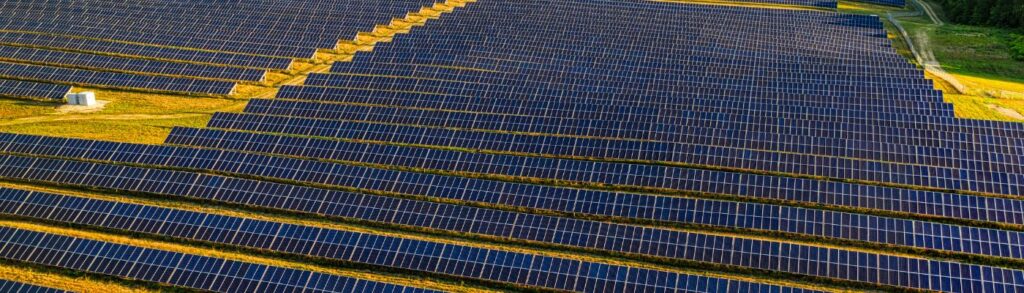
India’s solar journey has moved from small rooftop systems to large utility-scale projects. Among them, a 5 MW Solar Power Plant is a popular choice for businesses, landowners, and independent power producers who want stable long-term returns while supporting clean energy. In this article, I’ll explain the 5 MW Solar Power Plant cost in India, available subsidies and incentives, expected ROI, and practical factors that actually affect profitability. I’ll keep it simple, clear, and realistic, no hype, no confusing jargon. What Is a 5 MW Solar Power Plant? A 5 MW Solar Power Plant is a large-scale, ground-mounted solar project capable of generating electricity for industrial use or feeding power directly into the grid. To give you an idea of scale: 1 MW solar plant can power around 700–800 homes A 5 MW plant can supply electricity to 3,500–4,000 homes Land requirement: 20–25 acres, depending on technology and layout Such projects are usually developed under: Open access (selling power to private consumers) Captive consumption (own industrial use) Power Purchase Agreements (PPAs) with DISCOMs or private buyers 5 MW Solar Power Plant Cost in India The 5 MW Solar Power Plant cost in India depends on multiple factors such as location, equipment quality, and type of solar panels used. However, based on current market data, here’s a realistic cost range. Average Cost Breakdown Component Approximate Cost Solar Panels (Mono PERC/TopCon) ₹10-12 crore Inverters & Electricals ₹2-3 crore Mounting Structures ₹2-2.5 crore Land development & civil work ₹1-1.5 crore Transmission & Evacuation ₹1-1.5 crore Engineering & Installation ₹1-1.5 crore Total Estimated Cost: ₹18 crore to ₹25 crore for a complete 5 MW solar power plant This means: Cost per MW: ₹3.6–5 crore Cost per kW: ₹36,000–50,000 These numbers are aligned with current EPC trends in India and may vary slightly based on state policies and vendor selection. Subsidy for 5 MW Solar Power Plant in India: Reality Check This is where many people get confused. Is There a Direct Subsidy for a 5 MW Solar Power Plant? Short answer: No direct capital subsidy is usually available for large, ground-mounted solar plants above 1 MW. The Indian government (through MNRE) mainly offers subsidies for: Residential rooftop solar Small commercial rooftop systems However, that doesn’t mean there are no financial benefits. Government Incentives That Reduce Overall Cost While there is no upfront subsidy, large-scale solar projects enjoy indirect financial advantages that significantly improve ROI. 1. Accelerated Depreciation (AD) Solar projects are eligible for 40% accelerated depreciation Helps businesses reduce taxable income Major benefit for profitable companies 2. GST Benefit Solar power projects attract only 5% GST Reduces overall equipment and installation cost 3. State-Level Incentives Some states offer: Waiver on electricity duty Reduced wheeling and transmission charges Banking of power (carry forward excess units) These benefits vary by state and can significantly impact returns. 4. Open Access Benefits If the plant is developed under open access: Power can be sold directly to industrial consumers Tariffs are higher than DISCOM rates Better long-term revenue visibility Power Generation from a 5 MW Solar Power Plant Let’s talk about actual energy production. Average Annual Generation Capacity Utilization Factor (CUF): 18–22% Annual generation: 7–8 million units (kWh) Factors affecting generation: Solar irradiation in the region Panel efficiency Maintenance quality Tracking vs fixed structure Revenue & ROI from a 5 MW Solar Power Plant Electricity Tariff Assumptions Open access / captive tariff: ₹3.5–₹4.5 per unit DISCOM PPA tariff: ₹2.5–₹3.2 per unit Annual Revenue Estimate Scenario Approx. Revenue Low Tariff (₹3/unit) ₹2.1 crore/year Average tariff (₹4/unit) ₹2.8-3.2 crore/year ROI & Payback Period Expected Returns Annual ROI: 12%–18% Payback period: 5–7 years Project life: 25–30 years Once the plant recovers its cost, electricity generation continues with minimal expenses, making solar one of the most stable long-term investments today. Operating & Maintenance Cost O&M costs are low but important. Typical O&M Expenses ₹6–8 lakh per MW per year For 5 MW: ₹30–40 lakh annually Includes: Panel cleaning Inverter maintenance Monitoring systems Security & insurance Land Requirement & Location Factors Land Needed 20–25 acres Flat, non-agricultural land preferred Near substation reduces transmission cost Best States for Solar Plants Rajasthan Gujarat Maharashtra Karnataka Tamil Nadu Telangana These states have high solar irradiation and supportive policies. Key Risks & How to Manage Them Every investment has risks. Solar is no different. Common Risks Policy changes Delay in grid connectivity Lower-than-expected CUF Payment delays from DISCOMs Risk Mitigation Tips Choose reliable EPC contractors Prefer private PPAs over government DISCOMs Install real-time monitoring systems Use high-quality Tier-1 panels Is a 5 MW Solar Power Plant Worth Investing In? From a long-term perspective, yes, if planned properly. Ideal For: Industrial units with high power consumption Businesses seeking tax savings Investors with long-term vision Landowners near substations Not Ideal For: Those expecting quick returns in 1–2 years Investors unwilling to manage approvals and compliance Final Thoughts A 5 MW Solar Power Plant is not just a clean energy project, it’s a long-term financial asset. While the 5 MW Solar Power Plant cost in India may seem high initially, government incentives, tax benefits, and consistent power generation make it a reliable investment. The key is realistic planning: Understand true costs Don’t expect direct subsidies Focus on ROI over 25 years, not just year one If you’re serious about solar, this scale offers the perfect balance between investment size and profitability. Disclaimer: Costs and returns mentioned are indicative and may vary based on location, policy changes, and market conditions. Always consult a professional solar EPC or financial advisor before investing.
10kW Solar Panel Price in India with Subsidy in 2026
If you’re planning to install a solar system for your home, shop, or small business, understanding the 10kW solar panel price in India is a great starting point. A 10kW solar system is powerful enough to run most household appliances and can cut your electricity bill by up to 80-90%. In this guide, you’ll learn everything-from pricing, subsidy details, components, installation cost, and ROI to simple expert tips based on real experience. What is a 10kW Solar Panel System? A 10kW solar system is a medium-to-large capacity solar setup designed for homes with high power consumption or commercial spaces. It generates around 40-45 units of electricity per day, depending on weather and panel efficiency. A typical 10kW solar setup includes: Solar panels Solar inverter (on-grid/off-grid/hybrid) Batteries (only for off-grid or hybrid) Mounting structure Wiring & protection devices Installation & safety equipment This system is ideal for households consuming 900-1200 units per month. Why Choose a 10kW Solar Panel System? There are three main reasons people prefer a 10kW setup: 1. Big Savings on Electricity Bills A 10kW system can reduce power bills from ₹12,000-₹16,000 per month to almost zero (for on-grid systems with net metering). 2. Best for Large Homes & Small Businesses It easily supports: 2–3 ACs Refrigerator Washing machine Water pump Lights, fans, TV Office computers & commercial equipment 3. Strong ROI & Long-Term Value With 25-year panel life and 5–10 year inverter warranty, the system pays back its cost in 4-6 years. 10kW Solar Panel Price in India (2026) – On-Grid, Off-Grid & Hybrid Here’s the latest price range for a 10kW solar system in India (2026): Type of Solar System Approx. Price (₹) Suitable For Includes Battery? 10kW On-Grid Solar System ₹4,90,000 – ₹6,20,000 Homes & businesses with stable grid ❌ No 10kW Off-Grid Solar System ₹7,80,000 – ₹10,50,000 Areas with frequent power cuts ✔ Yes 10kW Hybrid Solar System ₹9,50,000 – ₹13,00,000 Best of both (grid + battery) ✔ Yes Prices can vary based on brand, installation type, roof height, and inverter choice. Key Specifications of a 10kW Solar Panel System Below is a quick look at core specifications: Specification Value Capacity 10kW Daily Power Generation 40–45 units Monthly Power Generation 1200–1350 units Space Required 600–900 sq. ft. Panel Type Mono PERC / Half-Cut Voltage 48V / 96V (depends on inverter) System Type On-grid / Off-grid / Hybrid Key Components of a 10kW Solar System A complete 10kW system includes: 1. Solar Panels Usually 440W–550W monocrystalline panels. 2. Solar Inverter Options include: On-grid inverter Off-grid inverter Hybrid inverter 3. Solar Batteries Used for backup systems. Common sizes: 150Ah, 200Ah Li-ion, LFP batteries. 4. Mounting Structure GI/Aluminium structure based on roof type. 5. AC/DC Protection System Isolator switches, surge protection devices, etc. 6. Cables & Earthing Kit These parts ensure safety, durability, and proper power conversion. Different Types of 10kW Solar Panel Systems 1. On-Grid 10kW Solar System Cheapest option No batteries Works with net metering Best for reducing electricity bills 2. Off-Grid 10kW Solar System Works without grid Includes batteries Ideal for remote areas Higher cost due to battery backup 3. Hybrid 10kW Solar System Combines grid + battery Provides backup + savings Most premium system Specifications of a 10kW Solar System Here is a simple, user-friendly breakdown: Component Details Solar Panels 18–24 mono PERC panels Inverter 10kW single-phase or three-phase Battery (optional) 10kWh–20kWh pack Structure Roof-mounted / ground-mounted Warranty Panels: 25 years, Inverter: 5–10 years Generation Upto 45 units/day 10kW On-Grid Solar Price (2026) – Subsidy, Net Metering & ROI Price Range (2026): ₹4,90,000 – ₹6,20,000 Why choose on-grid? Lowest cost No battery maintenance Ideal for cutting monthly bills Net-metering helps export extra units to DISCOM 10kW Solar Subsidy in India (2026) – Updated Rates Under PM Surya Ghar Muft Bijli Yojana, subsidies may apply to systems up to 3kW or 10kW depending on state norms. For 10kW systems, the subsidy ranges between ₹78,000 – ₹1,17,000, depending on state policies. (Important: Some states cap the subsidy at 3kW or 5kW. Always check local DISCOM guidelines.) 10kW Hybrid Solar System Price in India (2026) Price Range: ₹9,50,000 – ₹13,00,000 Hybrid systems include lithium batteries and advanced inverters, making them: Quiet 4x more efficient than lead-acid Long-lasting (10–15 years) Hybrid is best for people who want backup + bill savings. 10kW Solar Panel Price Breakdown (Panels, Inverter, Batteries & Installation) Component Approx. Cost (₹) Solar Panels (18–22 units) ₹2,40,000 – ₹3,00,000 Inverter (on-grid/hybrid) ₹60,000 – ₹2,80,000 Batteries (optional) ₹1,80,000 – ₹4,00,000 Structure & Wiring ₹50,000 – ₹75,000 Installation & Labor ₹40,000 – ₹60,000 Net Metering + Approvals ₹5,000 – ₹15,000 10kW Solar System Units Generation Per Day & Per Month Average generation: Duration Units Generated Per Day 40–45 units Per Month 1200–1350 units Per Year 14,000–16,000 units This is enough for most 4–6 BHK homes or commercial shops. Space Required for a 10kW Solar Panel System You need: Shadow-free roof 600–900 sq. ft. area Can be installed on RCC roof, metal shed, or ground Raised structures cost slightly more. Maintenance Cost of a 10kW Solar System Solar maintenance is simple: Annual cost: ₹3,000-₹6,000 Includes: Panel cleaning Wiring inspection Inverter service Lithium battery systems need very low maintenance compared to lead-acid. Lifespan & Warranty of 10kW Solar Components Component Lifespan Warranty Solar Panels 25–30 years 25 years Inverter 10–12 years 5–10 years Li-ion Batteries 10–15 years 5–8 years Structure 20+ years 5 years Panels degrade by 0.5%-1% yearly, which is normal. 10kW Solar System Price Comparison Brand System Type Approx Price Tata Power Solar On-Grid ₹5,50,000 – ₹6,20,000 Loom Solar Hybrid ₹10,00,000 – ₹12,00,000 Waaree On-Grid ₹5,10,000 – ₹5,80,000 Adani Solar On-Grid ₹5,20,000 – ₹6,00,000 RenewSys Off-Grid ₹8,20,000 – ₹9,80,000 How Much Money Can You Save with a 10kW Solar System? (Savings & ROI) Average savings per month: ₹12,000-₹16,000 Payback Period On-grid: 4-5 years Off-grid: 6-8 years Hybrid: 7-9 years After the payback period, electricity becomes almost free. Average Installation Time & Process for a 10kW System Time Required: 4-7 days Steps: Site inspection Design &
Solar Wind Hybrid System: Working, Benefits, and Applications
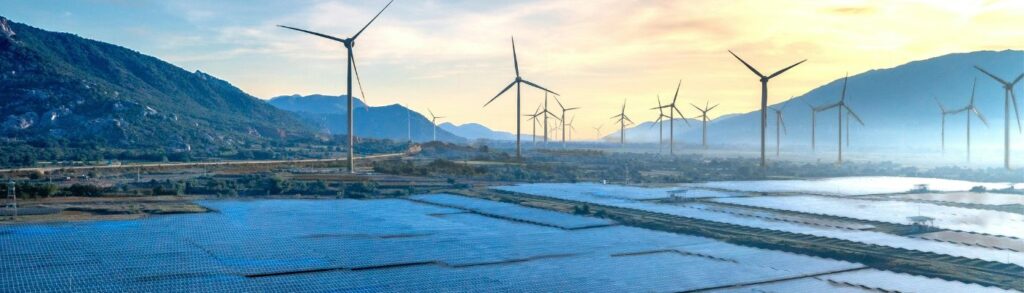
A solar and wind hybrid system (also called a wind solar hybrid system or hybrid solar wind system) is becoming one of the most reliable clean-energy solutions today. Many people want steady, year-round power without fully depending on the grid, and combining solar power + wind power helps solve this. In this guide, you’ll understand how hybrid systems work, what components they use, where they are useful, and whether they are the right fit for your location. What is a Solar and Wind Hybrid System? A solar and wind hybrid system is a power setup that uses both solar panels and a wind turbine to generate electricity. Instead of depending on just one source-like only wind or only solar-the system shares the load between both. This reduces power fluctuations and produces more consistent energy throughout the day and night. This type of system is commonly used in places where: Solar energy is strong during the day Wind energy increases during the evening or at night The grid supply is weak or unreliable Electricity costs are high and backup power is essential In simple words, a hybrid solar wind system gives you two renewable sources working together for stable power. Can You Run Solar and Wind Power Together? Yes, absolutely. Solar power and wind power can run together without any conflict. In fact, this combination is one of the biggest advantages of hybrid systems. When both are available, the hybrid controller intelligently manages the energy flow, charges the battery bank (if present), and sends power to the load. Here’s why they work well together: Solar produces the most power in summer Wind usually peaks during winter or monsoon Solar works in daytime Wind can run day and night This complementary nature ensures your home, farm, or business has a more stable electricity supply. What Are the Main Components of a Hybrid Solar Wind System? A complete wind and solar hybrid system includes the following major parts: 1. Solar Panels These capture sunlight and convert it into DC electricity. Most systems use monocrystalline panels for higher efficiency. 2. Wind Turbine A small wind turbine (300W to 10kW depending on load) spins with wind, generating power that works alongside the solar input. 3. Hybrid Charge Controller This is the “brain” of the system. It handles: Power coming from the solar array Power coming from the wind turbine Safe charging of the battery Load management Protection from overcharging or high wind speeds 4. Batteries (Optional / For Off-Grid Systems) Deep-cycle batteries store energy for night or cloudy weather. 5. Inverter Converts DC to AC so appliances can use the power. 6. Mounting Structures & Poles Solar mounting structures hold the panels at the correct angle A wind mast or pole supports the turbine at a safe height (typically 20-40 ft) 7. Safety Components These may include: Breakers Surge protectors Dump load (to dissipate extra wind energy) Earthing and lightning arrestors How Does a Solar and Wind Hybrid System Work? The working of a solar wind hybrid system is fairly simple once you understand how each source feeds into the controller. Step-by-Step Working Process Sunlight hits solar panels → DC power is generated. Wind rotates the turbine → AC (or sometimes DC) power is produced. Hybrid charge controller receives both inputs and decides how to distribute power. Power flows to: Battery bank for storage, Inverter, and Direct loads (lights, fans, pumps, etc.). If batteries are full, the controller may activate a dump load to safely release excess wind energy. The inverter converts DC to AC, making it usable for all standard appliances. Why This System Is More Stable Solar alone fails at night. Wind alone fails during still conditions. Together, they reduce downtime, providing steadier power output over 24 hours. How to Size a Hybrid Controller Based on Wind and Solar Output? A hybrid controller must be sized based on maximum combined output of the solar and wind sources. Here’s a simple, easy-to-follow sizing approach: Step 1: Calculate Solar Panel Output Example: If you have 1kW solar panels → max output = 1000W Step 2: Calculate Wind Turbine Output Example: A 500W turbine → max output = 500W Step 3: Add Both Values Total hybrid input = 1000W + 500W = 1500W Step 4: Choose Controller Rating Your controller must handle at least 1500W, but it’s smarter to choose 20–30% higher capacity. Recommended controller size: 1500W × 1.25 = 1875W → round up to 2kW hybrid controller Why Oversizing Helps Wind output can spike during storms Solar can sometimes exceed rated power in cold weather Batteries stay protected from overcharging In real-world installation, hybrid controllers are available in: 1kW 2kW 3kW 5kW 10kW Always select based on your combined wind+solar peak output. What Happens if Solar Power is More Dominant Than Wind Power? This is very common. In most regions, solar produces more energy than wind because sunlight is more consistent than strong wind. When solar becomes dominant: What the System Does Automatically The hybrid controller prioritizes safe charging Excess solar energy goes to the load Wind energy becomes a secondary backup Batteries stay topped up without stress Is It a Problem? No. Solar dominance is normal and safe. The system will simply run like a solar-first hybrid setup, with wind acting as a booster whenever speed increases. Practical Note If wind speeds are low in your area throughout the year, installing a wind turbine may not be cost-effective. In such cases, going for a normal rooftop solar system is a better choice. Where Can a Solar and Wind Hybrid System Be Used? Hybrid systems are highly useful in regions where both wind and sunlight are available in decent amounts. Common use cases include: Farms and agricultural lands Remote villages or off-grid homes Hill stations Highway hotels or rest points Industrial sheds in rural areas Islands or coastal regions Telecom towers Resorts or eco-tourism centers Research stations Anywhere that needs reliable, day-night renewable energy can benefit from a hybrid solar and wind system. What
Commercial Solar Panel Cost in India: Cost & ROI
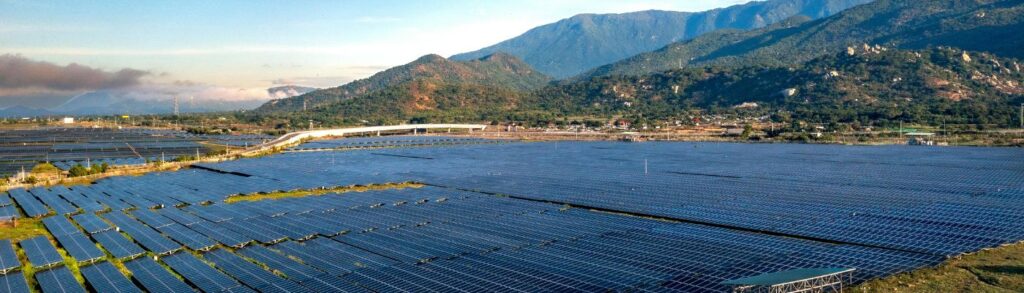
Solar energy adoption in India has been growing rapidly year after year. With rising electricity prices, sustainability goals, and strong government support, many businesses are now turning to solar power, especially commercial solar panel systems and on‑grid rooftop solar installations. In this blog, we’ll explain the complete picture of commercial solar panel costs in India, including real‑world prices, government policies, subsidies, and what you should know before going solar in 2025‑26. Why Businesses Are Switching to Solar Installing solar panels for commercial use isn’t just a trend, it’s practical and smart. Here’s why: Huge electricity cost savings: Solar power helps businesses reduce monthly electricity bills significantly. Sustainability and carbon reduction: Solar energy is clean energy, helping companies meet environmental goals. Government incentives & tax benefits: Businesses may not get direct subsidies like homes, but they benefit from tax breaks like accelerated depreciation. Increase asset value & energy security: A solar system can boost a property’s value and reduce reliance on unstable grid power. Solar is now a long‑term investment that delivers returns over 15–25 years. Understanding Commercial Solar Panel Cost in India Unlike residential systems, commercial solar panel installations are usually larger, often ranging from 25 kW to several megawatts (MW). This scale brings better pricing per watt but also more complexity. Here’s the latest price guidance for on‑grid rooftop solar installations in India: Commercial Rooftop Solar Cost per kW According to current 2025 cost estimates: Commercial rooftop solar systems typically cost ₹35,000 – ₹50,000 per kW installed in India. This includes solar panels, inverters, mounting structure, wiring, and installation labour. Because commercial projects are larger, the per‑watt cost gets lower as you increase system size. Example Costs for Common Commercial Systems Here’s what you might expect: System Size Typical Installed Cost (On-Grid) 25 kW approx. ₹12,00,000 – ₹14,00,000 50 kW approx. ₹22,50,000 – ₹25,50,000 100 kW approx. ₹30,00,000 – ₹36,00,000 (based on larger scale pricing) Larger systems like several hundred kW or MW‑scale installations will have even lower per‑watt rates due to bulk procurement and more efficient installation logistics. These figures should be used as guideline estimates, since actual quotes may vary based on location, roof complexity, hardware brand, and installer pricing. What Costs Are Included in Solar Installation? When you quote a commercial solar project, you’re not just paying for panels. A complete system cost includes: Solar panels Inverter(s) (converts DC to usable AC electricity) Mounting structures (metal racks that hold panels) Balance of system (BOS): wiring, combiner boxes, safety switches Installation labour Net‑metering pay‑offs and approvals (for grid connection) Commissioning & inspection These items together determine the solar installation cost, not just the panels themselves. Factors That Affect Commercial Solar Panel Costs Here are important variables that influence how much your system will cost: 1. System Size Larger systems spread fixed costs (like labour and approvals) over more power capacity, lowering the per‑watt cost. 2. Panel Type Standard monocrystalline panels are widely used. High‑performance TOPCon or bifacial panels cost more but yield higher output. 3. Inverter Type String inverters are cheaper, while micro‑inverters or power optimizers cost more but may improve performance in shaded areas. 4. Roof Type and Load Capacity Some roofs need custom mounting or structural reinforcement, which increases cost. 5. State vs Central Taxes and GST Solar components now attract lower GST (5%) in India, reducing project cost compared to previous years. Subsidies, Net Metering & Tax Benefits (Commercial) Subsidies Direct subsidies are typically available only for residential rooftop solar panels under schemes like the PM Surya Ghar Muft Bijli Yojana. Commercial projects do not usually receive direct central subsidies, but they benefit from other financial incentives. Net Metering Net metering lets businesses export excess solar electricity to the grid and receive credits on their utility bills. This can boost savings and improve project economics. Recent regulatory changes in some states affect how net metering/billing credits are calculated, so it’s important to check with your local DISCOM (electricity provider) before installing. Tax Incentives Commercial solar installations may enjoy: Accelerated depreciation (around 40%) GST reduction Deductible expenses on business books These incentives significantly enhance the return on investment (ROI) of commercial solar projects. Energy Savings and Return on Investment (ROI) Commercial solar systems can offer strong financial returns: A 25 kW system can generate thousands of units annually, potentially saving ₹2.5–₹3.5 lakh per year depending on electricity tariffs. Typical payback periods are 3-6 years for commercial setups due to energy bill relief and tax benefits. After payback, the energy produced is essentially free for the rest of the system’s life (often 25+ years). This means stable long‑term savings and protection against rising electricity costs. Choosing the Right Installer Getting the right installer can make or break your solar experience. -Check certifications & experience -Ask for detailed quotations with full cost breakdowns -Verify warranty terms on panels and inverters -Understand post‑installation services and maintenance contracts An experienced installer should help you navigate net‑metering approvals, DISCOM paperwork, and system commissioning, saving time and hassle. Final Thoughts Understanding the commercial solar panel cost in India in 2025 requires looking beyond just panel prices. You must consider: Total installed cost per kW Type and size of panel technology Net metering benefits Tax and financial incentives Long‑term performance and ROI With solar prices becoming more affordable and supportive policies in place, 2025‑26 is one of the best times for Indian businesses to invest in commercial solar energy. It not only cuts electricity costs drastically but also aligns your company with India’s clean energy goals.
Transparent Solar Panels: Types, Cost & Efficiency Explained

Solar energy has become one of the most popular renewable energy sources globally. Traditional rooftop solar panel systems have been widely adopted in homes, offices, and commercial spaces. But what if solar panels could generate electricity without blocking natural light? Enter transparent solar panels, a revolutionary technology reshaping the future of solar energy. In this blog, we’ll explore what transparent solar panels are, the different types available, their cost, efficiency, and how they compare with traditional solar panels. What Are Transparent Solar Panels? Transparent solar panels, also known as invisible or clear solar panels, are photovoltaic (PV) modules designed to generate electricity while allowing visible light to pass through. Unlike traditional solar panels, which are opaque, transparent solar panels absorb invisible parts of sunlight, mainly ultraviolet (UV) and infrared (IR) light, to produce electricity. These panels are ideal for building-integrated photovoltaics (BIPV). They can be incorporated into windows, skylights, and facades without obstructing views or natural light. The technology is still evolving, with efficiency ranging between 4% and 12%, lower than conventional silicon solar panels. How Do Transparent Solar Panels Work? Transparent solar panels use advanced materials and techniques to convert light into electricity without blocking visibility: Transparent Luminescent Solar Concentrators (TLSCs): Absorb UV and IR light and channel it to the edges, where small solar cells convert it into electricity. Organic Photovoltaic Cells (OPVs): Use carbon-based compounds to absorb invisible light. These are lightweight, flexible, and semi-transparent. Perovskite Solar Cells: Can be chemically adjusted to balance transparency and efficiency, although most are still in experimental stages. Transparent Conductive Films: Conduct electricity while letting visible light pass through, supporting energy generation. Essentially, these panels selectively absorb invisible light, allowing them to generate energy while maintaining transparency. Types of Transparent Solar Panels There are four main types of transparent PV panels: Fully Transparent Solar Panels Made using TLSCs and quantum dots Efficiency: 5-8% Look like clear glass and are ideal for windows Translucent PV Panels Made with organic PV and perovskite materials Efficiency: 7-12% Semi-transparent, perfect for skylights or glass facades Tinted Transparent Solar Panels Use dye-sensitized thin-film materials Efficiency: 6-10% Provide some shading while generating electricity Flexible Transparent Solar Panels Made from organic polymers and CIGS Efficiency: 4-7% Lightweight and bendable, suitable for curved surfaces Transparent Solar Panels vs Traditional Solar Panels While transparent solar panels are innovative, traditional silicon solar panels are still the preferred choice for most rooftop solar panel systems. Here’s why: Feature Transparent Solar Panels Traditional Silicon Solar Panels Efficiency 4-12% 15-22% Cost ~Rs. 5,500 per sq. ft. ~Rs. 2,500-3,000 per sq. ft Lifespan 10-15 years 25+ years Availability Limited Widely Available Applications Windows, Skylights, Facades Roofs, Large solar farms, residential & commercial rooftops Silicon solar panels remain cheaper, more efficient, and longer-lasting, making them better suited for homes, offices, and commercial rooftop solar systems today. Uses of Transparent Solar Panels Transparent solar panels are highly versatile and can be used in: Building Windows and Facades: Maintain aesthetics while generating electricity Skylights: Harness solar energy without blocking daylight Greenhouses: Produce power while letting sunlight through for plants Vehicle Glass: Power car electronics while remaining clear Consumer Electronics: Incorporate into devices like smartphones and laptops Digital Billboards: Generate power without affecting visibility These applications make transparent solar panels ideal for areas where light and aesthetics are crucial. Disadvantages of Transparent Solar Panels Despite their advantages, transparent solar panels have some drawbacks: Low Efficiency: Much lower than silicon solar panels High Cost: More expensive per square foot Limited Availability: Not widely produced or installed Shorter Lifespan: Typically 10-15 years Early Stage Technology: Still under research and development For now, they are not suitable as a primary source for residential rooftop solar panel systems. Cost of Transparent Solar Panels in 2025 The approximate cost of transparent solar panels is around Rs. 5,500 per square foot, depending on technology, brand, and efficiency. While the price may decrease as technology matures, it is still significantly higher than traditional solar panels, which typically cost Rs. 2,500–3,000 per square foot. Efficiency of Transparent Solar Panels Transparent solar panels generally have low efficiency due to the trade-off between transparency and energy conversion: Fully transparent (TLSC + quantum dots): 5-8% Translucent (Organic PV + perovskite): 7-12% Tinted (Dye-sensitized + thin film): 6-10% Flexible (Organic polymers + CIGS): 4-7% While improving, these efficiencies are still far behind conventional silicon solar panels, which reach up to 22% efficiency. Future of Transparent Solar Panels in India Transparent solar panels hold huge potential for India’s rapidly growing urban infrastructure. With increasing construction of glass facades, skyscrapers, and green buildings, integrating transparent PV panels can help generate clean energy without sacrificing aesthetics. Although not yet a mainstream solution for rooftop solar systems, future advancements may make these panels a viable complement to traditional solar energy solutions. Conclusion Transparent solar panels are an exciting innovation in the world of solar energy. They offer a way to generate electricity while preserving natural light and aesthetics, making them perfect for modern buildings and urban environments. However, due to low efficiency, high costs, and limited availability, traditional silicon solar panels remain the better option for most rooftop solar panel systems today. As research continues and production scales up, transparent solar panels may soon become a more practical solution for homes, offices, and commercial spaces in India and worldwide. For now, they are best suited for specialized applications where aesthetics and light are priorities.
Solar Installation Tips for Homeowners
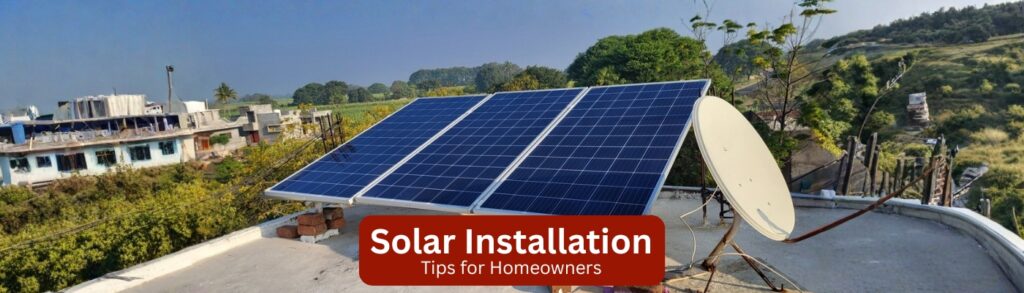
Residential solar adoption is growing at record pace, with 97% of US solar installations now found in homes. Whether you’re pursuing a full system or a DIY upgrade, knowing the right solar installation tips helps you get the most value, safety, and energy output from your investment. This practical guide simplifies best practices for both new solar adopters and hands-on homeowners. From site assessment to choosing hardware and wiring methods, we’ll cover proven ways to maximize results, improve home efficiency, and avoid common pitfalls in residential solar installation or DIY solar panels. Core Components of a Home Solar System Understanding the full range of parts in a residential solar power system is foundational for any homeowner interested in solar installation tips. Each component serves a crucial role in ensuring that your rooftop solar solution works efficiently, safely, and for the long term. The reliability and performance of residential solar installation depend on integrating these parts correctly. Here’s a detailed breakdown of key home solar system components and the essential balance of system elements you’ll need for DIY solar panels or any professional project: Solar panels (photovoltaic modules): The primary units that capture sunlight and convert it into DC electricity. Inverter: Converts DC power produced by the panels into AC power your home can use. Charge controller: Regulates voltage and current coming from the panels to the batteries, preventing overcharging and damage. Solar battery: Stores excess energy generated by your system for use when sunlight is unavailable. Wiring and cabling: Connects all system components, transferring power safely across the installation. Mounting hardware/rails: Secures panels to your roof or ground for optimal sun exposure while ensuring stability and safety. Transfer switch: Helps to integrate your solar setup with your home’s electrical system, enabling seamless backup or grid switching. Monitoring system: Provides performance data, fault alerts, and helps track energy production and consumption. Balance of system parts: Includes connectors like MC-4 plugs, combiner boxes, and safety devices-all crucial for code compliance and safety. Solar Photovoltaic Panels Explained Photovoltaic modules, commonly called solar panels, are made up of interconnected solar cells. These modules are engineered to convert sunlight directly into electrical energy through the photovoltaic effect. Each panel generally consists of many small silicon solar cells sandwiched between protective layers like tempered glass and a durable frame. For residential solar installation, commonly used photovoltaic modules include either monocrystalline or polycrystalline silicon. The panels connect using specialized MC-4 or similar connectors that maintain a secure, weather-resistant link between each module and the rest of the system. Homeowners should look for panels that include warranties and certifications verifying long-term performance. Modern DIY solar panels are designed for easy integration into new or existing solar installations, with plug-and-play features and standard connector types. Types of Solar Panels for Home Installations Home solar installation projects most often use three core panel technologies, each with distinct strengths and considerations: Monocrystalline: High efficiency and space-saving; sleek appearance, typically higher cost. Polycrystalline: Good value, slightly lower efficiency, and a blue, speckled look. Thin film: Lightweight and flexible; lower efficiency; best for unique shapes or portable setups. Panel choice affects both performance and cost, so consideration of roof space and budget is essential for the best solar installation tips. Check certifications to guarantee performance in local climate conditions. Inverters: Turning DC to Usable Power Inverters are at the heart of every residential solar installation, converting direct current (DC) from your solar panels into alternating current (AC) to power household devices. In grid-tied systems, inverters synchronize with external utility power, enabling net metering-the ability to send surplus electricity back to the grid. Hybrid and off-grid DIY solar panels setups require inverters that manage both storage and direct usage, supporting solar battery integration. Advanced inverter features include integrated monitoring and grid-support operations, making them a cornerstone for solar installation tips focused on maximum efficiency and safety. Choosing between grid-tied, hybrid, and off-grid inverters will depend on whether you want backup capability or aim for full self-sufficiency. For homes in areas with frequent power interruptions, a hybrid system provides seamless transitions between solar, battery, and utility supply. Smart inverters with remote diagnostics and app-based controls are recommended to simplify operation and maintenance. Types of Inverters: Micro-Inverter vs String Inverter Two primary inverter types are common in residential solar installation: Micro-inverter: Installed on each panel; boosts individual performance-best for roofs with shade or varying orientations. String inverter: Centralizes conversion; panels connected in series-cost-effective but less adaptable to shading/local differences. Power optimizer: Mounted at each panel; works with a string inverter to maximize energy regardless of shading. Choose micro-inverters or power optimizers for superior monitoring and flexibility, string inverters for lower initial cost where sunlight is unobstructed. Evaluate system design and local shading patterns when finalizing your inverter configuration. Performance, warranty, and compatibility with monitoring systems should guide your selection. How Power Optimizers Maximize Output Power optimizers enhance energy production by allowing each solar panel to function independently, even when partial shading occurs. These devices are installed at the individual module level, feeding optimized power to a central inverter. Counteracts mismatch or shading losses in large arrays. Improves safety by de-energizing DC cabling during shutdown or maintenance. Enables advanced system monitoring and troubleshooting-beneficial for both DIY and professional solar panel installations. Often a preferred option in challenging roof layouts or where maximum yield per panel is a priority. Role of Charge Controllers in Solar Charge controllers manage the flow of power from solar panels to batteries. They protect against overcharging, prevent battery damage, and help balance the system’s energy storage. Modern charge controllers also provide useful monitoring capabilities through digital displays or app interfaces. For reliable residential solar installation, including an appropriately-sized charge controller is vital. This device ensures solar batteries last longer and maintain healthy charge cycles for both on-grid and off-grid applications. MPPT vs PWM: Choosing the Right Controller When selecting a charge controller, your choice typically comes down to: MPPT (Maximum Power Point Tracking): Highly efficient-adjusts to varying sunlight, yielding more usable energy.
Solar Water Pumps – Renewable Water Solutions
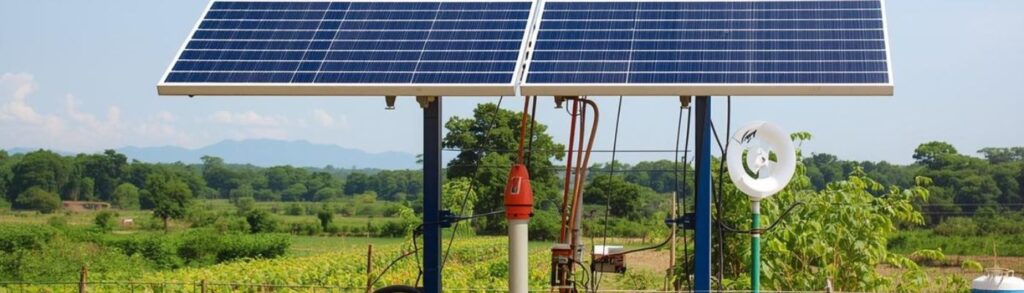
In a world where energy costs are rising and water demand is increasing, solar water pumps have become one of the most practical and affordable solutions. These renewable water pumps use sunlight to draw water for homes, farms, gardens, and even entire communities. With simple technology, low running costs, and long-term reliability, solar pump solutions are transforming how people access water, especially in remote or off-grid areas. What Is a Solar Water Pump? A solar water pump is a water pumping system powered by solar panels instead of electricity from the grid or diesel generators. When sunlight hits the solar panels, they generate electricity that runs the pump motor, allowing water to be lifted from wells, boreholes, rivers, or storage tanks. Unlike traditional pumps that depend on fuel or paid electricity, solar pumps work for free once installed. This makes them a smart investment for farmers, homeowners, small businesses, and community water projects. How Solar Water Pumps Work The working process of a solar-powered water system is simple: Solar Panels Capture Sunlight Photovoltaic (PV) panels convert sunlight into direct current (DC) electricity. Controller Regulates Power A pump controller manages voltage, protects the motor, and can optimize power output during cloudy weather. Pump Lifts or Moves Water The pump, either submersible or surface, pushes water to a storage tank, field, or distribution point. Stored Water Ensures Supply Anytime Most systems store water in tanks rather than relying on batteries. This ensures a steady supply even when the sun goes down. This simple mechanism makes solar-powered water systems reliable, long-lasting, and easy to maintain. Types of Solar Water Pumps Depending on your water source and usage needs, here are the main types: 1. Submersible Solar Pumps Installed deep inside boreholes or wells Best for lifting water from greater depths Ideal for farms, rural homes, and community water supplies 2. Surface Solar Pumps Installed on the ground near ponds, rivers, or tanks Suitable for shallow water sources Commonly used for garden irrigation, livestock water, and small farms 3. DC and AC Solar Pumps DC pumps run directly on solar power, efficient and economical AC pumps use inverters, useful when upgrading existing electric pumps Each type has its advantages, and the right choice depends on depth, water demand, and budget. Key Benefits for Homes, Farms, and Industries Switching to solar pump solutions offers multiple benefits: 1. Zero Electricity Bills Once installed, solar pumps run on free sunlight. This can save thousands of dollars over the pump’s lifetime. 2. Perfect for Remote Areas No need for grid electricity or diesel fuel. Villages, farms, and off-grid homes can enjoy reliable water access. 3. Low Maintenance Solar panels last 20–25 years and require only occasional cleaning. Pumps have fewer moving parts, so breakdowns are minimal. 4. Eco-Friendly Using solar energy reduces carbon emissions, fuel consumption, and noise pollution. 5. Consistent Water Supply Great for: Solar irrigation for crops Watering gardens Filling livestock tanks Household drinking water Industrial water systems 6. Cost-Effective Over the Long Term Even if the initial cost is higher than traditional pumps, savings from fuel and electricity quickly recover the investment. Why Solar Pumps Are Better Than Traditional Pumps Traditional water pumps rely on diesel or grid electricity. Both are expensive and often unreliable, especially in rural areas. Solar water pumps are better because: They cut fuel costs entirely. They reduce dependency on inconsistent power supply. They support sustainable agriculture and clean energy goals. They work quietly and produce no pollution. They are safe from fuel price fluctuations. For small farms, solar irrigation allows watering crops even during power cuts. For homes, it means constant water without monthly bills. For industries, it ensures steady operations without diesel generators. Applications: Irrigation, Livestock, Homes, Community Water 1. Solar Irrigation Farmers use solar pumps to: Irrigate fields during the day Operate drip or sprinkler systems Water plants directly without storage For example, a 2-acre vegetable farm can install a solar pump and save up to 90% on annual irrigation costs. 2. Livestock Watering Ranches and dairy farms use solar pumps to fill: Cattle troughs Drinking stations Grazing area tanks This removes the need for manual pumping or transporting water. 3. Household Water Supply Solar pumps provide water for: Drinking Bathing Cooking Cleaning Gardening A small home can run a 0.5–1 HP solar pump for daily needs. 4. Community Water Systems Many small villages install solar-powered water systems to: Supply clean drinking water Run overhead storage tanks Reduce dependency on diesel pumps These systems are especially helpful in remote regions with no reliable electricity. Factors to Check Before Buying a Solar Water Pump When choosing the right renewable water pump, consider: 1. Water Source Depth Deeper wells require stronger submersible pumps. 2. Daily Water Requirement Higher demand means larger panels and a higher HP pump. 3. Type of Pump Choose between surface, submersible, AC, or DC options. 4. Solar Panel Capacity Panel wattage must match the pump’s power needs. 5. Budget Select a system that balances cost and performance. 6. Storage Needs Decide if you need a tank for storing excess water. 7. Warranty and Support Choose brands that provide good after-sales service and spare parts. Conclusion Solar water pumps are an excellent choice for anyone seeking a reliable, affordable, and eco-friendly water solution. From small gardens to large farms and remote villages, these solar pump solutions are transforming water access and reducing dependency on costly energy sources. With low maintenance, long life, and major cost savings, solar-powered water systems offer a truly sustainable future for water management. FAQs 1. Are solar water pumps expensive? The initial cost can be higher than diesel or electric pumps, but the long-term savings are significant. With no fuel or electricity bills, most users recover their investment within 2–4 years. 2. Can solar pumps run without batteries? Yes. Most systems work without batteries by pumping water directly during the day and storing it in tanks for later use. This reduces cost and increases reliability. 3. How much maintenance is required? Maintenance
Why Solar Pumps Are the Future of Agriculture

Across India, farmers are looking for reliable, affordable, and long-term solutions to manage irrigation. With rising diesel costs, erratic electricity supply, and growing focus on sustainable farming, solar pumps for agriculture have emerged as a game-changing technology. These pumps use sunlight, an abundant and free resource, to draw water for fields, making irrigation easier, cleaner, and more cost-effective. This is why many experts are calling them the future of agriculture solar solutions. In this blog, we explore what solar pumps are, why farmers are adopting them, and how they are reshaping the future of Indian agriculture. What Are Solar Pumps? Solar pumps, also known as solar irrigation pumps, run on electricity generated from solar panels. These panels convert sunlight into energy, which powers the motor and helps lift groundwater or pump surface water for irrigation. Solar pumps come in two main types: DC solar pumps: ideal for small and medium farms AC solar pumps: suitable for larger farms and deeper borewells Because they depend on the sun, these pumps offer a completely diesel-free and electricity-free irrigation solution. This makes them especially useful in areas where grid power is unreliable or extremely costly. Why Farmers Are Switching to Solar Pumps Across rural India, more and more farmers are choosing solar pumps and for good reasons: Freedom from power cuts: Electricity in many villages is unpredictable. Solar pumps allow farmers to irrigate their fields during the day without waiting for supply. Goodbye diesel expenses: Diesel prices have increased sharply over the years. Solar pumps eliminate the need for fuel purchases, offering huge long-term savings. Low maintenance: Solar pumps have fewer moving parts than diesel engines, reducing breakdowns and repair costs. Reliable operation: As long as the sun shines, farmers get water. India’s climate ensures abundant sunlight for most of the year. These advantages make solar pumps one of the most practical renewable energy for farms today. Cost Savings Compared to Diesel or Electricity One of the biggest reasons behind the growing adoption of solar pumps is massive cost savings. Savings vs Diesel Pumps Diesel pumps require regular fueling, oil changes, and maintenance. For an average Indian farmer, annual fuel costs alone can run into ₹20,000–₹60,000 depending on usage. Over 5–7 years, this becomes a major financial burden. A solar pump, however, requires almost zero operational costs. Once installed, sunlight is free. Maintenance is minimal, and most systems operate efficiently for more than 15 years. Savings vs Electric Pumps Electric pumps are cheaper initially, but rural electricity often comes with drawbacks: irregular supply low voltage issues long-term power charges delays during peak irrigation seasons Solar pumps eliminate all these issues. Though the initial installation cost may be higher, farmers save substantially in the long run, making them a smarter investment. Benefits for Rural and Remote Areas Farmers in remote villages often face severe challenges due to lack of proper infrastructure. Solar pumps offer multiple benefits to such regions: No dependence on grid power: Remote areas with frequent outages or no electrical lines can pump water easily. Reduced transportation of diesel: Carrying diesel drums over long distances is costly and unsafe; solar pumps remove this need entirely. Greater productivity: Timely irrigation improves crop yields, helping farmers earn more. Better quality of life: When water availability improves, farmers can diversify crops, grow vegetables, and even adopt micro-irrigation. Because of these advantages, solar pumps are becoming a lifeline for rural agriculture. Impact on Sustainable Farming Solar pumps play a key role in the movement toward eco-friendly agriculture. Their impact includes: Reduced carbon emissions: They replace diesel pumps that emit harmful pollutants. Environment-friendly irrigation: Purely solar-powered irrigation supports organic and natural farming practices. Better groundwater management: Many solar pump setups come with controllers that optimize water use and prevent over-extraction. By reducing the carbon footprint of irrigation, solar pumps strengthen the push for a greener agricultural future. How Solar Pumps Improve Water Availability Water availability is one of the biggest concerns for Indian farmers, especially during summer months. Solar pumps help by: Providing daytime irrigation: When sunlight is strongest, crops get the most water, improving soil moisture. Supporting drip and sprinkler systems: Solar pumps work well with micro-irrigation setups, which save water and boost productivity. Enabling farmers to irrigate more frequently: With no fuel or electricity cost, farmers can irrigate whenever needed without worrying about expenses. Boosting groundwater access: High-efficiency solar pumps can lift water from deeper levels, making them suitable even in drought-prone areas. For many farmers, these benefits translate into healthier crops and improved income. Government Schemes Supporting Solar Pumps The Indian government has introduced several schemes to promote renewable energy for farms, especially solar pumps. The most notable scheme is: PM-KUSUM Scheme Under the Pradhan Mantri Kisan Urja Suraksha evam Utthaan Mahabhiyan (KUSUM): Farmers get subsidies up to 30–50% on solar pump installations. The scheme supports both off-grid and grid-connected solar pumps. It aims to install millions of solar pumps across India. In addition to PM-KUSUM, many state governments also provide incentives, additional subsidies, and easy financing options. These policies make solar pumps more affordable and accessible to small and marginal farmers. Conclusion Solar pumps are transforming Indian agriculture by offering a clean, affordable, and reliable alternative to diesel and electricity-based irrigation. Whether it’s saving money, improving water availability, or supporting sustainable farming practices, solar pumps bring multiple long-term benefits to farmers, especially in rural and remote regions. With strong government support and the growing need for renewable energy, solar pumps truly represent the future of agriculture solar solutions in India. For farmers looking to secure their irrigation needs without rising fuel or electricity costs, solar pumps are not just a good option, they are the future. FAQs 1. How many hours can a solar pump run? A solar pump typically runs 6 to 8 hours per day, depending on sunlight. In peak summer, it may run even longer. 2. Can solar pumps work for deep borewells? Yes. High-capacity AC solar pumps can lift water from deep borewells, making them suitable for regions
Solar Water Heaters Are a Smart Investment for Your Home
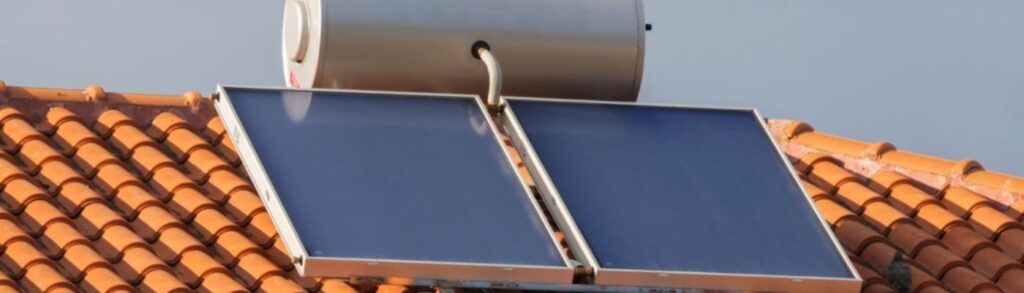
If you’re looking for a reliable, cost-effective, and eco-friendly way to heat water in your home, a solar water heater is one of the smartest investments you can make. Unlike traditional water heating methods that rely on electricity or gas, solar water heating systems use the sun’s free energy, helping you save money while reducing your carbon footprint. Over the years, these systems have become more efficient, durable, and suitable for homes of all sizes. In this guide, we’ll cover everything you need to know about solar water heaters, including their benefits, financial advantages, environmental impact, and tips for choosing and maintaining the right system for your home. Benefits of Solar Water Heaters Solar water heating systems offer numerous advantages that go beyond just lowering your electricity bill. Here are some key benefits: Cost Savings: Solar water heaters significantly reduce your monthly energy bills. Since sunlight is free, you can save up to 70–80% of the cost compared to traditional water heating methods. Energy Efficiency: Modern solar water heaters are highly efficient and can heat water even on cloudy days with minimal energy input. Low Maintenance: These systems require minimal upkeep. Most solar water heaters come with warranties of 10–20 years, and routine checks are usually enough to ensure they run smoothly. Long-Term Investment: Installing a solar water heater increases your property value. Prospective buyers often see homes with solar water systems as more modern and energy-conscious. Reliability: With proper installation, solar water heaters can provide hot water consistently for many years, even during high-demand seasons. Cost Savings and Financial Benefits One of the biggest reasons homeowners invest in solar water heating systems is the financial benefit. While the initial installation cost may seem high, the long-term savings often outweigh the upfront investment. Reduced Energy Bills: Depending on your water usage and the size of the system, solar water heaters can cut your monthly energy bills by 50–80%. Government Incentives: Many countries, including India, offer subsidies and incentives for installing solar water heating systems, reducing the initial cost. Return on Investment (ROI): Typically, a solar water heater pays for itself within 3–5 years through energy savings. After that, you continue saving money for years to come. Environmental Impact Switching to a solar water heater doesn’t just benefit your wallet—it also helps the planet. Reduced Carbon Footprint: Traditional water heaters rely on fossil fuels or electricity, contributing to greenhouse gas emissions. Solar water heating systems reduce your household’s carbon footprint significantly. Sustainable Energy: Solar energy is renewable and abundant. Using it for water heating helps reduce dependence on non-renewable energy sources. Less Pollution: By reducing electricity consumption, solar water heaters indirectly reduce air pollution caused by power plants. Applications of Solar Water Heaters Solar water heating systems aren’t just for homes—they can be used in a variety of settings: Residential Homes: Single-family houses, apartments, and villas can all benefit from solar water heaters. Hotels and Resorts: Commercial establishments with high hot water demand can save significantly by switching to solar water heating. Hospitals and Schools: Facilities with continuous hot water requirements can benefit from reduced operating costs. Industrial Use: Industries that require process water heating, like food processing and textile units, can install larger solar water heating systems. Choosing the Right Solar Water Heater Selecting the correct solar water heater for your home involves considering several factors: Type of System: There are two main types: Active Systems & Passive Systems Active Systems: Use pumps to circulate water through solar collectors. Ideal for larger homes or areas with inconsistent sunlight. Passive Systems: Rely on natural convection. More affordable and low-maintenance, but slightly less efficient. Capacity: Choose a system based on your household’s daily hot water needs. A typical family of 4 needs around 150–200 liters per day. Collector Type: Flat plate collectors are cost-effective, while evacuated tube collectors are more efficient in colder climates. Space and Orientation: Ensure your roof has enough space and proper sunlight exposure. South-facing roofs are usually ideal in the Northern Hemisphere. Installation and Maintenance Proper installation and maintenance are key to maximizing the lifespan and efficiency of solar water heaters. Installation Tips: Ensure the collector is at an optimal angle for maximum sunlight. Use insulated pipes to prevent heat loss. Hire certified professionals to avoid installation errors. Maintenance Tips: Clean the solar collectors periodically to remove dust and debris. Check for leaks and corrosion in pipes. Inspect the system annually to ensure optimal performance. With proper care, a solar water heating system can last 15–20 years or more. Conclusion Investing in a solar water heater is a smart choice for homeowners who want to save money, reduce environmental impact, and enjoy a reliable supply of hot water. With the combination of cost savings, long-term durability, and eco-friendliness, solar water heating systems are a solution that truly pays for itself over time. Whether for a single-family home, commercial building, or industrial use, switching to solar water heating is a step toward a sustainable and energy-efficient future. FAQ 1. Do solar water heaters work on cloudy days? Yes, modern systems can still heat water using diffused sunlight. Efficiency may be slightly lower compared to sunny days. 2. Can I use a solar water heater in winter? Absolutely. Systems with storage tanks and insulated pipes can provide hot water even in colder months. Evacuated tube collectors are especially effective in winter. 3. How much space is required for installation? It depends on the system size and your household needs. Typically, a family of four requires 2–3 square meters of roof space. 4. Are there government subsidies available? Yes, many regions offer subsidies to reduce installation costs. You can check local government or renewable-energy programs for eligibility and updated schemes. 5. How long does installation take? Residential installation usually takes 1–2 days. A professional installer will set up the collectors, tank, and piping for optimal performance. How Can We Help If you’re considering a solar water heating system for your home or business, we provide expert consultation, installation, and maintenance services.