
Key Differences Between Renewable and Non Renewable Energy Resources
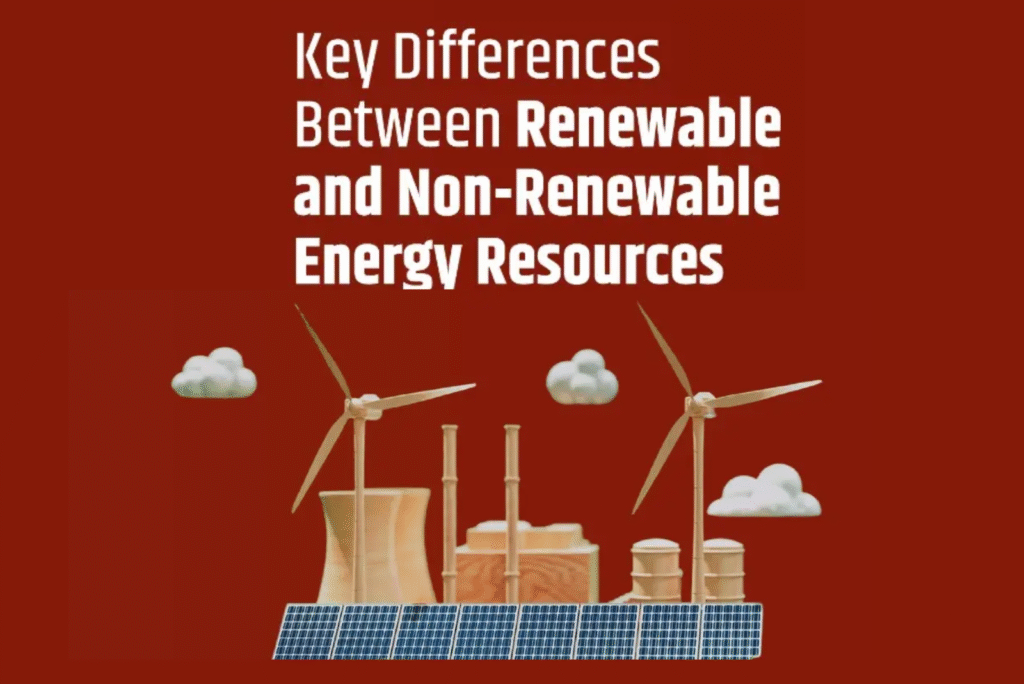
Key Differences Between Renewable and Non Renewable Energy Resources Home Blogs Energy fuels everything around us. Every time you charge your phone, run your fans & appliances or drive a car, you’re consuming energy. But do you stop and think where this amazing energy actually comes from? There are many sources of energy. Some are clean and endless while others are limited, slowly running out and polluting. This is why understanding the difference between renewable and non renewable energy resources becomes really important. In this blog, we’ll explore why choosing the right one matters. What are Renewable Energy Resources? Renewable energy resources are sources of energy that are naturally replenished on a human timescale. This means they don’t run out. This is the major difference between renewable and non renewable energy resources. These resources are available in abundance and are also cleaner and environmentally friendly. A great choice because you’ll find that they produce little to no greenhouse gas emissions. Which means that they are a great key to fighting climate change. Main Types of Renewable Energy Resources Solar Energy Solar energy is an important source. Solar panels and photovoltaic cells capture this amazing energy and turn it into electricity. It’s one of the most available and reliable sources of energy. Also read: Advantages and Disadvantages of Solar Energy Wind Energy Wind turbines harness the kinetic energy of air and turn it into electricity. This energy is suitable for plain areas and coastal regions where wind flow is steady. Read to know if wind power and solar energy can work together effectively Hydropower By harnessing the flow of rivers, dams and the ocean, you can generate hydropower. It’s also one of the largest sources of renewable electricity in the world. Biomass Energy This is one of the cleanest renewable energy sources as it’s often derived from organic materials. Wood, crop waste and even animal manure are used for it. What are Non Renewable Energy Resources Non-renewable energy resources are natural resources that cannot be replenished. That is to say, if you consume these resources, they might disappear forever. These resources were formed over millions of years through the slow geological processes of heat, pressure and decay. The upside is that non renewable resources have increased the growth of industries and modernisation for centuries. However, the negative thing is that at this point, their consumption might lead to their complete depletion. Main Types of Non Renewable Energy Resources Coal This is a black sedimentary rock that is rich in carbon. Coal is burned to produce heat and electricity. It’s one of the most polluting energy sources and contributes to air pollution. Oil (Petroleum) It’s a liquid fossil fuel taken from underground reservoirs. The oil is refined into gasoline, diesel and other fuels, which are heavily polluting and major contributors to global warming. Natural Gas This gas is made of methane and burns cleaner than coal and oil. However, it’s still not a clean source of energy and emits carbon. It’s often used for heating and electricity purposes. Nuclear Energy Nuclear power relies on uranium, which is a non renewable energy source. It produces radioactive waste which is harmful to the environment as well as humans. Difference Between Renewable and Non Renewable Energy Resources Characteristics Renewable Resources Non-Renewable Resources Definition Natural resources that are replenishable Natural resources that can’t be replenished within a human timescale Formation They are formed through ongoing natural processes They are formed through slow geological processes Examples Solar energy, Wind energy, Hydropower, Geothermal energy Coal, Oil, Natural Gas, Copper, Iron Environmental Impacts Minimal emissions and pollution Contributes to greenhouse gases and air & water pollution Costs Initial setup is higher with long-term cost savings Typically low upfront costs but rising long term expenses Supply Unlimited if the ecosystem remains intact Finite supply Long-term Sustainability Ideal for long-term energy goals Unsustainable in the long run Environmental Impact: Comparing Renewable and Non Renewable Energy Resources Low to No Greenhouse Gas Emissions –There is no pollution since solar panels and wind turbines harness the power of the sun and wind. With renewable energy sources, this is primarily true. They are an excellent choice because, even after extensive use, no dangerous gases or pollutants are released. You can learn more about wind vs. solar energy. Clean Air – Unlike fossil fuels, renewable energy sources don’t emit harmful pollutants into the atmosphere. You know what that implies? Less smog, cleaner air and fewer respiratory diseases. This proves to be advantageous for city life. Less Water and Land Damage – For the most part, renewable energy systems consume very little water compared to the enormous power plants using coal or natural gas. The systems tend to minimize damage to the ecosystem and also take up less land. This is particularly true in terms of rooftop solar panel installation and offshore wind farms. Sustainable by Nature – All the renewable energy sources like wind, sun and water are natural and fully replenishable. As long as the world continues to exist, you’ll find them in every corner. This makes renewable energy sustainable in the long run, something that isn’t the case with non renewable energy resources. Non-Renewable Energy High Greenhouse Gas Emissions – One of the main sources of carbon dioxide emissions is fossil fuels, particularly coal. Massive volumes of greenhouse gases are released when coal is burned for electricity, trapping heat and contributing to climate change. Air Pollution – You already know that the growing industries use non renewable energy sources to produce power. Power plants and vehicles run on oil and gas that emit toxic, air-polluting gases. These can cause serious health problems among people. Water Pollution and Waste – As the factories’ waste goes down into the rivers, the water gets polluted due to the non-renewable energy resources. Toxicity from heavy metals and other fossil fuels ruins the water, harming wildlife and communities. Unsustainable by Nature – As non-renewable energy resources are limited, they can never be replaced once they run out. This makes them unreliable and unsustainable. On top of this, they are also harmful to the environment. Conclusion
Can Wind Power and Solar Energy Work Together Effectively?
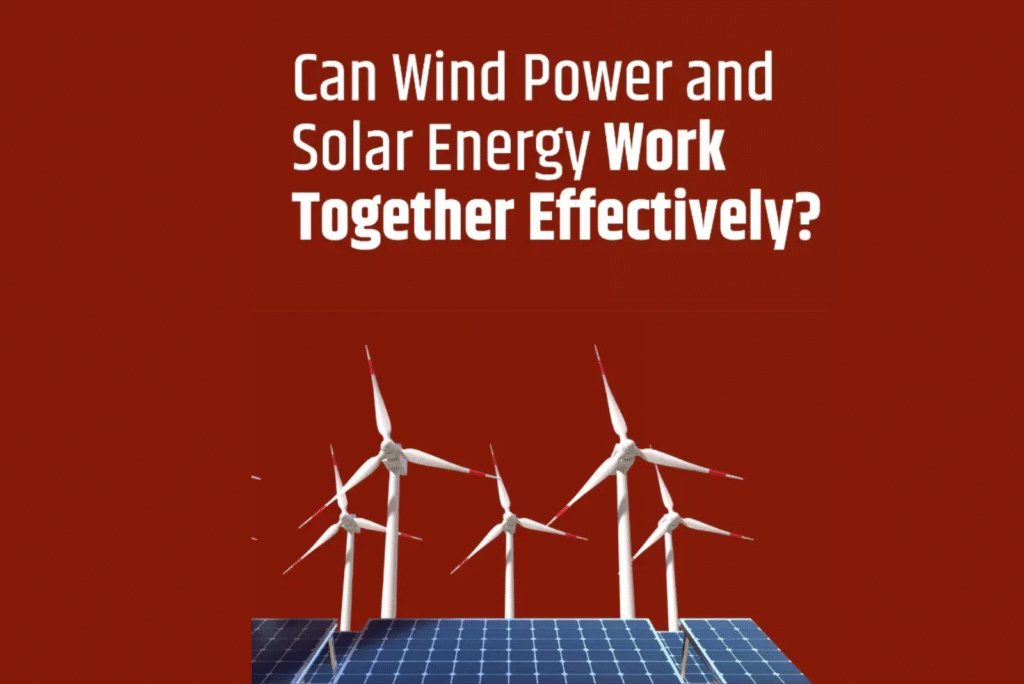
Can Wind Power and Solar Energy Work Together Effectively? Home Blogs Can you imagine how powerful a system that combines many renewable energy sources would be? With the world advancing in technology, it’s possible for different power sources to work together effectively. Even wind power and solar energy work efficiently when combined together. They form a hybrid power system, an efficient way to generate power. In this blog, you’ll understand the benefits and other aspects of these two amazing sources working together. Limitations of Single-Source Power System Both wind power and solar energy are amazing on their own, but there are certain challenges one might face with them. These systems alone have a few limitations that need to be addressed. 1. Solar EnergyDaytime Only – There are many reasons why solar panels are beneficial, but when it comes to energy generation 24/7, they fail. As the sun is the main source, they can function at night. This may cause issues with the power supply in case of emergencies if your system isn’t backed up with batteries. Weather Dependency – Solar panels give great energy output during sunny hours. But what happens when the weather conditions change? They stop functioning on rainy or cloudy days. Nighttime Energy Gap – When the sun sets, solar power doesn’t work. This creates a huge gap in energy supply if there’s no proper solar energy storage. 2. Wind Power Weather Reliance – Wind turbines require steady, high wind speeds to produce electricity. Yet, it’s not always going to be able to blow at high speed, so the system isn’t as efficient. Inconsistent Output – The amount of energy your wind turbines produce depends on the location and seasonal winds. Areas where there are very low wind speeds won’t get enough power supply. Long Periods of Low Power – Weather changes constantly and even areas where there’s a good speed of wind may face calm days. This causes the energy generation to be low. Both wind power and solar energy have their own gaps and limitations when it comes to generating electricity. In addition to that, single power systems can be costly and sometimes inefficient. This makes space for the need for wind power and solar energy to work together in a hybrid power system. What Is a Wind Solar Hybrid System? A wind-solar hybrid system means the best of both wind power and solar energy! This is a great renewable energy setup that is highly efficient in generating clean electricity at all times. With this system, you get the benefit of two in one. One system, either a solar power system or wind turbines, can only function at specific times of the day. But hybrid systems are designed to function during the day and night. You know that solar panels function during daylight hours while wind power tends to be strong during stormy weather or nighttime. When wind power and solar energy are combined, they generate sufficient power 24/7. Components of a Hybrid Power System Solar Panels – It includes photovoltaic panels to capture sunlight during the daytime to turn it into electricity. Wind Turbines – These are used to harness the amazing wind energy to generate power. A Charge Controller – This regulates the flow of electricity. And also protects them from overcharging. An Inverter – The inverter is one of the most important components, as it converts DC electricity into usable AC electricity. Battery Storage – This is optional, but still great for storing extra energy. This can be used when in need. Benefits of a Hybrid Power System | Combining Wind Power and Solar Energy There’s always a debate between wind vs solar energy. But do you know that using a hybrid system that combines wind power and solar energy has many advantages? Let’s look through them. 1. Continuous and Reliable Power SupplyBy combining two renewable energy sources, the system becomes even more efficient. Solar panels only work on sunny days, but wind turbines can run day or night. In this manner, the system provides a reliable power source and lowers the chance of power outages. 2. Increased Energy EfficiencyA hybrid power system maximises the use of natural resources. That is to say when it gets cloudy or rainy, wind turbines use the high wind speed to generate power. And when it’s sunny, solar panels work their magic! This system, thus, works most of the time. 3. Ideal for Remote LocationsIt’s a fact that even after continuous development, many remote areas lack the proper grid connectivity. And it’s a challenge to lay down a whole grid system there. In such cases, a hybrid power system can become really useful. Combining both wind power and solar energy will generate the required power. 4. Reduces the Need for Large Battery StorageSince there are two great energy sources working together to supply power at different times, there’s usually no need for battery banks. You won’t need to store energy as your system is constantly generating it. This further reduces the costs of installing large battery storage systems. 5. Lower Environmental Impact A hybrid system uses great renewable sources. What it implies is that there will not be any release of greenhouse gases into the atmosphere. These will enable you to keep your carbon footprint at a low level and benefit the environment to a higher standard. These systems are a means of cleaner and more sustainable energy generation. Challenges in Solar Development High Initial InvestmentWe know that solar power greatly helps save money in the long run, but the initial investment is still high. Especially for people who come from a middle-class background may see it as challenging. This often makes them hesitant to switch to solar energy. Lack of Public AwarenessPeople, especially those who live in rural areas are mostly unaware of the benefits and accessibility of solar power in India. And because many don’t know about the government subsidies and incentives, they don’t get started. However, this challenge can be resolved with awareness campaigns and educational programs. Administrative and Regulatory Hurdles
The Rise of Solar Technology in India
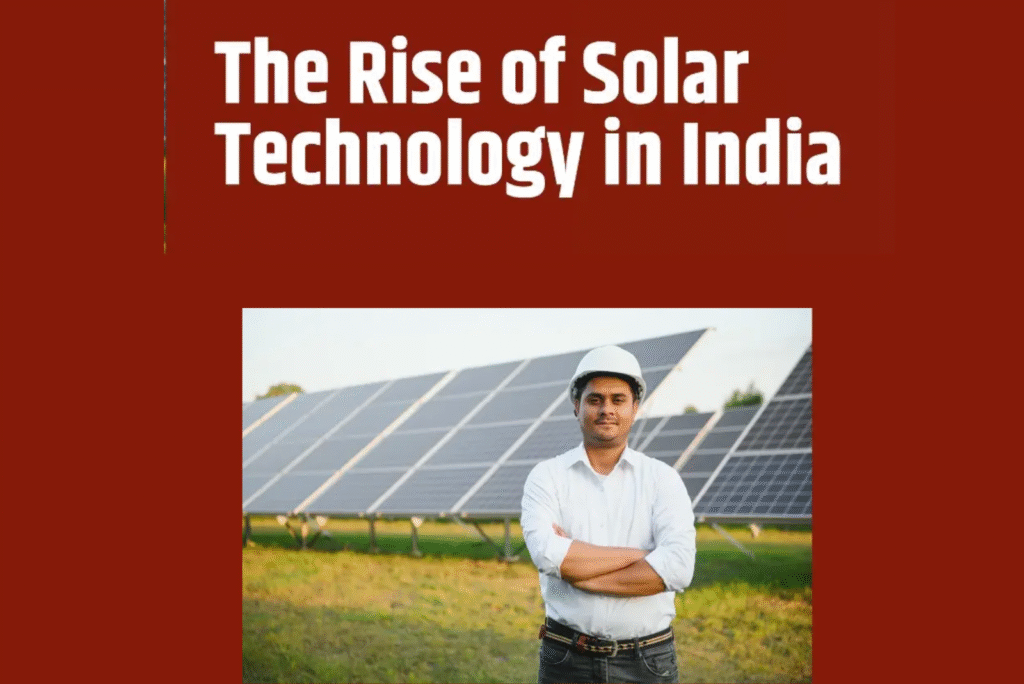
The Rise of Solar Technology in India Home Blogs As the world continues exploring renewable energy sources, solar energy still stands firm as one of the best. In countries like India, with around 300 sunny days, harnessing solar power becomes even easier. And with the help of advancing solar technology in India, everyone is looking forward to the sun as an amazing source. In this blog, we’ll explore how solar energy in India is becoming one of the most preferred choices of homeowners and businesses. We’ll also take a look at the opportunities and challenges in the solar energy sector. Potential of Solar Energy in India We already know that India is a sunny country that sees a lot of sunshine throughout the year. This is why solar technology in India has been advancing to make the most of it. In India, there’s an estimated potential of producing 5,000 trillion kilowatt-hours (kWh) of clean energy annually. The best part is that the energy that will be generated will be more than enough. The potential solar energy sector in India needs to be taken into consideration. With the right policies, infrastructure and awareness, this potential has the power to turn into an amazing reality! Why Choose Solar Energy? Before we move on to the best solar technology in India, let’s go through the reasons why one should go solar. Cost-Effective in the Long RunThe initial solar panel installation may seem a bit expensive to many, however, there’s an upside to that. Once you get your solar panels installed, it will make your electricity bills smaller and your savings bigger. Also, many Indian states offer solar panel subsidies and tax benefits. This makes solar energy in India even more affordable! Eco-Friendly and CleanSolar energy is a green and clean source of energy and it is valued for the same. In contrast to our conventional ones, such as coal and other fossil fuels, solar energy does not emit harmful greenhouse gases and pollutants. So, this option is a better way to power your homes or businesses. Energy IndependenceBefore solar technology in India was introduced, everyone was relying on a traditional electricity grid. However, this grid didn’t reach remote areas. With the amazing solar power, now rural areas and even households in urban settings can benefit from solar power. It reduces your reliance on the unreliable grid. Low MaintenanceWith the advancement in solar technology in India, modern solar panels require very minimal maintenance. The best part is that they are durable and last up to 25 years. They are reliable, clean and low maintenance. You don’t have to spend a fortune on their maintenance. Read more about why annual maintenance contracts are important. Job Creation and Local GrowthThe growing popularity of solar energy in India is creating a space for more jobs and supporting growth too. The solar energy sector in India is allowing jobs for people in the field of manufacturing, installation and maintenance. Attractive Government Subsidies and IncentivesWith amazing subsidies and incentives, the Indian government is strongly encouraging solar energy. Many initiatives like the Rooftop Solar Scheme offer up to 40% financial assistance for installing solar panels. This makes solar power affordable. Read more about – 2 kw solar panel price in India with subsidy & 1 kw solar panel in India Solar Technology in India – Types and Uses India is growing in the sector of solar energy and we can see it through the emerging solar technology in India. Solar Photovoltaic (PV) Technology Photovoltaic panels are the most common type of solar setup. This solar technology in India is famous and widely applied. You can often find these panels on rooftops or open lands to power homes, street lights and water pumps. Solar Thermal Technology There are different uses of solar technology and one of them is heating. This solar thermal technology uses sunlight to produce heat. Through this heat, you can heat up water or even generate steam that drives turbines. This technology is useful in buildings that require a constant hot water supply. Floating Solar Technology Urban areas in India are becoming crowded and land is becoming more expensive. For such cases, floating solar technology in India offers a really smart solution. Solar panels get installed on lakes, reservoirs or other water bodies. This saves land and also keeps the panels cooler while improving their efficiency. Solar Storage Systems Solar energy storage is another amazing solar technology in India that is gaining popularity. The integration of lithium-ion and other types of solar batteries helps the solar system store the excess energy for use at night or during power cuts. This makes solar power very reliable and consistent. Uses of Solar Technology in India Rooftop Solar Systems – Many homes and apartments generate electricity using rooftop solar systems. Solar Water Pumps – In India, different kinds of solar water pumps run on solar energy. Particularly in areas without a dependable power source, these pumps aid in the growth of the agriculture industry. Solar Water Heaters – This is common in hotels and hospitals for heating water. Solar Air Conditioners – The use of solar technology for air conditioning is a green and clean method. Solar air conditioners are amazing especially in the summer months. Challenges in Solar Development High Initial InvestmentWe know that solar power greatly helps save money in the long run, but the initial investment is still high. Especially for people who come from a middle-class background may see it as challenging. This often makes them hesitant to switch to solar energy. Lack of Public AwarenessPeople, especially those who live in rural areas are mostly unaware of the benefits and accessibility of solar power in India. And because many don’t know about the government subsidies and incentives, they don’t get started. However, this challenge can be resolved with awareness campaigns and educational programs. Administrative and Regulatory Hurdles Setting up large-scale solar projects isn’t easy. It requires government approvals, land acquisition and material supply. And most of the time, delays in permission can slow down the
Wind vs. Solar Energy: Which Renewable Energy Is Better?
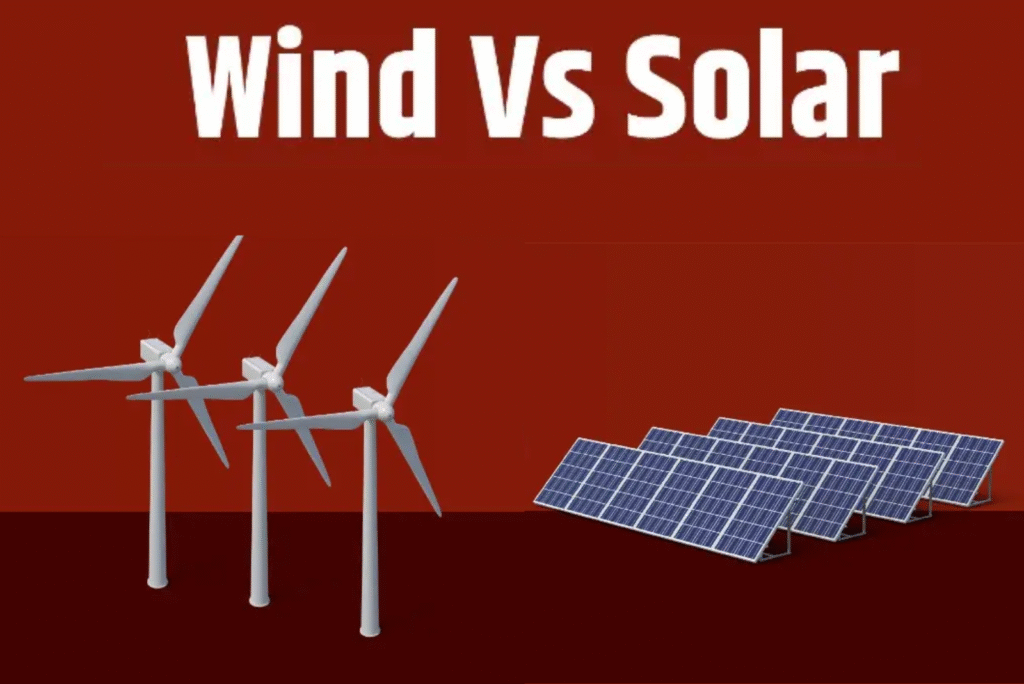
Wind vs. Solar Energy Home Blogs As the world continues shifting towards cleaner, greener energy, people keep looking for better options. Wind energy and solar energy are two of them. But one question keeps popping up: wind turbines or solar panels – which is the better choice? Both are amazing in their own ways. However, there are so many different factors that differentiate them from each other. In this blog, we’ll look into the pros and cons of solar power and wind power. By the end, you’ll have a clear understanding of solar power versus wind power and which one suits your needs best. Read more about 7 Renewable Sources of Energy. What is Wind Energy? Wind energy is a clean and green source of energy that is also highly efficient. Wind energy is harnessed with the help of wind turbines. The turbines’ blades move faster as the wind blows, driving the generator, which produces clean and green energy. This also requires certain technologies like generators. The electricity created through this provides power to the grid. It helps in powering homes, schools, or small businesses through the distribution of cable wires. What is solar energy? Solar energy is the cleanest and most renewable form of energy. As the name suggests, the energy is produced from the sun for the generation of heat or light energy. The Sun gives abundant and never-ending energy for maintaining an eco-friendly atmosphere. Solar panels are used for converting this energy into electricity through the use of photovoltaic cells. Wind Energy: Advantages & Limitations 1. Renewable Resource: Wind energy is a renewable source of energy. The turbines harness energy from the wind. Wind is an inexhaustible energy source and provides electricity without burning fossil fuels. 2. Generation in Remote Places: Wind Power is advantageous in those places with no connection to the electricity grid. It helps achieve significant savings in remote areas by avoiding expensive infrastructure. 3. Less Space Requirement: Wind Power does not need much space when constructed on land. The size of the blades and base is very negligible. The land can then be used for other purposes too. 4. Low Maintenance: Wind energy works for many years with very little maintenance. With more reliability and technology make the performance is higher and inexpensive. 5. Cost-effective: Wind Power is less expensive than traditional fossil fuels. It is, therefore, economical and sustainable. The affordability increases its demand and our dependence on this energy. Limitations of Wind Energy The wind turbines used for the creation of wind energy are noisy. It is mainly the noise of the blades and the generating machinery. This can affect a person if standing nearby, and also the wildlife of the surrounding areas. Wind power is also dangerous for wildlife. The birds can collide with the blades of turbines. This can be a risk to their lives. Wind Power cannot work everywhere. This is obvious because the only coastal areas, hills or fields are places where the wind is strong. Wind turbines can also be damaged in rough weather, for example, by lightning and strong winds. Solar Energy: Advantages & Limitations Here’s the general price list: 1 . Energy Independence: Solar energy is the cleanest and greenest form of energy. It is a renewable energy resource which decreases the emission of greenhouse gases in the atmosphere. It also reduces the dependence on fossil fuels. 2. Reduction in Bills: A solar energy system in your home can also reduce electricity bills. It also provides excess power which can be sent back to the utility grid. 3. Increased Home Value: Solar panel installation can also increase the value of your home. The residential rooftop system will increase a home’s resale value because it attracts buyers. 4. Low Maintenance: Investment in solar panels is also advantageous because it requires fewer maintenance costs. If kept in good condition, your solar panels will continue to provide uninterrupted service for many years. Annual solar maintenance services are the way to go. 5. Energy Saving: Solar panels get charged by the power of the sun. This charging helps save electricity through batteries. It can then be used during the night or on cloudy weather. Ultimately, it leads to more electricity production. Limitations of solar energy Solar panels are dependent on sunlight for the generation of electricity. It will not be able to work at night or in gloomy weather. If you need solar energy, your solar system needs batteries. The initial cost of installing the solar panels is not cheap. The materials required for the same are very expensive. Solar panel installation requires space. To install them, you will need a well-sized roof or place. If you want to add batteries too, the space requirement will further increase. Although solar panels do not require much maintenance, they need to be handled carefully during the process of installation process. The solar panel components are fragile and delicate. Advantages of Solar Energy Over Wind Power Predictability: When comparing wind turbines or solar panels, Solar energy is a more predictable form of energy. It also provides an increased production. Energy Production: The energy production is more through the photovoltaic cells connected in a solar power system. A series of windmills will not be able to provide this much energy. Less Noise Pollution: Solar panels do not create any noise. On the other hand, wind turbines have the constant noise of running wind turbines. Abundant Energy: The sun is a great source of energy. The electricity generation will therefore be much more than the wind energy. Low Maintenance: Solar panels require less maintenance than wind turbines. They can work effectively for around 30 years. Which is Better: Wind Turbines or Solar Panels? Wind turbines or solar panels? Several factors decide the choice between the two. Solar panels require less maintenance and are cheaper when compared with the initial cost of the installation of wind turbines. Windmills are also limited to a specific place when compared to the solar power system which can generate power in the entire city. Also, through the solar panel subsidy, the installation cost
Solar Air Conditioner : A Complete Guide
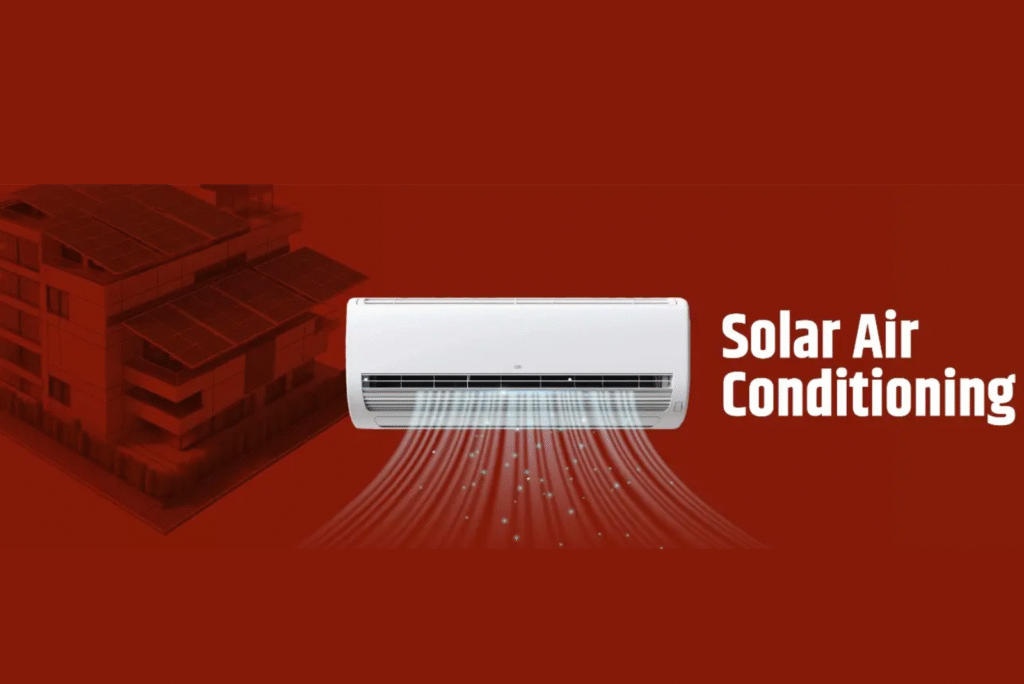
Solar Air Conditioner Home Blogs With summer arriving, temperatures soar across India, and staying cool becomes really important. Air conditioners are what help during such hot days. However, as the heat increases, so do the bills. That’s where solar for air conditioning enters the picture. A great solution that is not only comfortable and relieving but also cost-effective. Solar air conditioning is also something you should consider when searching for eco-friendly options. In this blog, we’ll learn what makes solar for air conditioning an amazing option. What is a Solar Air Conditioner? A solar air conditioner uses solar energy to cool your home or office spaces. The best part of the solar air conditioner is the energy independence it offers. This cool and innovative system doesn’t rely on the electricity grid to operate, thus saving on bills. It’s just like your regular air conditioners but much more efficient and beneficial in all aspects. The best thing you’re doing by choosing solar for air conditioning is keeping aside all the non-renewable energy sources for power needs. You’ll be able to enjoy cool and fresh air without any worries. How Does a Solar Air Conditioner Work? Are you wondering how these amazing solar air conditioners work? Read on! 1. Solar Panels Capture Sunlight This is how it all starts, with the most important part — solar panels. We’re sure you’re already aware of how solar panels work. These panels that are mounted on an open space or roof catch the sun’s rays and convert them into direct current (DC) electricity. 2. Power is Directed to the Air Conditioner Now that solar panels have generated electricity, it is sent to your solar air conditioner. However, it depends on the type of system you have. DC solar air conditioners run directly on the DC electricity from the panels. There’s no need for you to convert it. Hybrid solar ACS use solar power where there’s availability. If there’s no solar power, it continues using grid electricity. Grid-tied systems, after using the electricity, send any excess amount back to the grid for later use. This earns you credits too! It doesn’t matter what system you have, the point is that air conditioning with solar power will reduce your bills. 3. Optional Battery Storage Some of the solar air conditioning systems come with solar energy storage. This means the battery storage collects the energy during the day and keeps it for use at night or on cloudy days. You get uninterrupted cooling! This is useful for places that require full-time air conditioning with solar power. 4. Cools Your Space When the solar generated electricity powers the solar air conditioner, just like a regular AC, you get some cool and fresh air. The waves of air throughout the room will cool your space and offer comfort. Benefits are low electricity costs with the same efficiency! Isn’t solar for air conditioning amazing? Types of Solar Air Conditioning Systems There are many solar air conditioners, and each of the air conditioning with solar power works differently. Let’s see if solar for air conditioning fits well for your needs. Hybrid Solar Air Conditioners In countries like India, hybrid solar air conditioners are getting popular. These systems use both solar energy and electricity from the grid. However, their dependency on the grid is only when there’s no solar energy available. These systems are amazing for homes that want to use solar for air conditioning without fully letting go of the grid electricity. Hybrid solar air conditioners are very low maintenance, along with being cost-effective. DC Solar Air Conditioners Mostly, solar air conditioners run on direct current, and that is why DC powered solar air conditioning systems are popular. These systems are run entirely on solar power and are not tied to the grid. They’ll turn out to be one of the most environmentally friendly choices for solar air conditioning. Grid-Tied Solar Air Conditioners This system is somewhat similar to hybrid ACS but with the benefits of net metering. The solar air conditioners use solar energy during the day and if there’s excess energy, it’s sent back to the grid. You earn credits, thus reducing your electricity bills. Make the most of your solar for air conditioning by choosing these systems. Solar Thermal Air Conditioners Now, there are some air conditioners that use heat instead of electricity. These are slightly complex and you can often find them in commercial buildings. The sun collectors gather heat energy and it powers absorption chillers. The same chillers cool water and this is circulated to cool the air. These are an innovative form of solar air conditioning. Air conditioning with solar power offers a unique approach to air conditioning with solar power. Cost of Air Conditioning with Solar Power in India Here’s the general price list: Solar AC Panel Power of the Panel Selling Price 1 Ton Solar Air Conditioner 1500 Watt ₹90,000-1,00,000 1.5 Ton Solar Air Conditioner 2500 Watt ₹1,00,000-1,40,000 Government Subsidies for Solar Air Conditioners The government offers good subsidies for the installation of solar panels across India. If you’re wanting to install solar panels at your home or business site, you’ll be eligible to apply for a subsidy. There’s, however, no particular subsidy for the air conditioners. However, connecting your air conditioners to the solar panels will benefit you a lot. 1 kWh- 3 kWh systems get a subsidy up to 40%, and 4 kWh- 10 kWh systems get a subsidy up to 20 %. Read more about government subsidies here – solar panel subsidy in India & 1 kWh solar panel in India. Benefits of Solar for Air Conditioning There are so many advantages of solar panel installation. And the same goes for air conditioning with solar power. You’ll get: Lower Electricity Bills – This might be one of the biggest advantages of solar air conditioning. India is a hot country and you can agree that summer days here are pretty harsh. ACS become very important, but their constant working leads to high electricity bills.
1kW Solar Panels in India
Everything About 1kW Solar Panels in India: Cost, Area & Energy Output Home Blogs As solar energy becomes accessible across India, many homeowners and small businesses are eager to explore solar power as an eco-friendly solution. Solar power systems are a very cost-effective method of harnessing power, which is why many people are looking into the price for a solar panel in India to get a clear idea of all the costs. In this blog, you’ll learn about the price of 1 kW solar panel, space requirements, and energy outputs. Let us know if a 1 kw solar panel system fits well for your energy goals! How Much Does a 1 KW Solar Panel System Cost in India? We know understanding the price of 1 KW solar panel systems in India is the first step to look into. Whether it’s for a small home installation or a business, knowing the price for a solar panel will help you. 1 KW solar panel price in India varies widely, as it all depends on many factors. Some of them are panel type, brand, installation, inverter, and also on the type of solar power system. However, to give you a fair idea about the price of 1 KW solar panel, let’s break down the costs. These costs are based on panel type and system configuration. Polycrystalline panels: ₹45,000 to ₹55,000 Monocrystalline panels: ₹55,000 to ₹70,000 With installation and inverter: ₹60,000 to ₹85,000 Polycrystalline solar panels are generally more budget-friendly, while monocrystalline panels offer higher efficiency. You can choose any one of the polycrystalline and monocrystalline panels for your home or business. It’s not difficult to install a solar panel system on your own, and noting the lower price for a solar panel setup, many people consider the same. However, for the best energy output, choosing a full-service installation is preferable. What Affects the Price for a Solar Panel? 1 KW solar panel price depends on a lot of factors that are mentioned above. Let’s go through them in detail. Panel Efficiency – Solar panels like monocrystalline are usually very efficient and tend to fall on the costly side. Installation Type – The price of 1 KW solar panel also depends on the installation type (on the roof or on the ground). Inverter Selection – The inverter also plays a vital role in deciding the price of 1 KW solar panel. An on-grid solar system inverter requires an inverter that is less costly than the hybrid or off-grid ones. Brand and Warranty – You already know that different brands have different prices for solar panels. Brands that are reputed come with a higher price tag but give off amazing energy output. Subsidies and Incentives – The Indian government offers various subsidies for the installation of solar panels. For instance, the Central Financial Assistance (CFA) offers up to 40% subsidies for installing rooftop solar systems up to 3 kW. Also Read – Solar panel subsidy in India and 2 kW solar panel price with subsidy to learn more in-depth about the same. How Much Space Do You Need to Install a 1 KW Solar Panel? Space for solar panel installation is something you need to consider importantly along with the price of 1 kw solar panel. A 1 KW solar panel system generally requires around 80 to 100 square feet of maximum sunlight space. However, it’s important that you know the size and efficiency of panels affect the area that is required. Space for solar panel installation is something you need to consider importantly along with the price of 1 kw solar panel. A 1 KW solar panel system generally requires around 80 to 100 square feet of maximum sunlight space. However, it’s important that you know the size and efficiency of panels affect the area that is required. Roof type and OrientationFlat Roofs – You can easily mount your 1 kW solar panel systems on flat roofs. Orientation is important to make the maximum use of solar energy. The panels should face south to capture maximum sunlight. Sloped Roofs – A tilt angle between 15-30 degrees works best for solar roofs. Panel EfficiencyHigher panel efficiency means that you need very little space for the maximum energy output. Panels like monocrystalline panels with efficiency up to 25% take up 10-20% less space than polycrystalline panels. If there’s a limited space, you can opt for PERC panels that offer amazing energy output. Benefits of a 1 kW Solar Panel System Payback Period – The initial price for a solar panel generally ranges between ₹ 50,000 to ₹80,000. And you’ll be saving on your electricity bills, which are generally ₹1500-2000 monthly. This means the payback period is typically 4 to 5 years! Long-term Benefits – Your electricity generation is basically free after the payback period. You’ll no longer need to be dependent on the grid for power all the time. Eco-friendly – Along with the low 1 kW solar panel price, you’re getting an environmentally friendly alternative. You’re not just saving money but also helping the environment. Property Value Boost – By installing a solar panel system on your property, you’re increasing its value. The potential buyers will be attracted to your building or house due to the solar power systems. Government Incentives – Installing solar panels has become very easy and affordable because of the many subsidies the government offers. Even State-Level governments are contributing to the encouragement of solar power systems. This lowers the 1 kW solar panel price in India further. Quick Installation – Because of the compact size, installing a 1 kW solar panel is very simple. It consumes less time and offers great efficiency. Tips for Maintenance and High Efficiency of 1 kW Solar System Maintaining solar panels for their long-lasting impact is absolutely necessary. You have to take care of them if you want to enjoy high efficiency. Fortunately for you, maintaining them is the easiest job because they are very low-maintenance. Below are some tips: Clean your Panels: Solar panels are out in the
What are Greenhouse Gases?
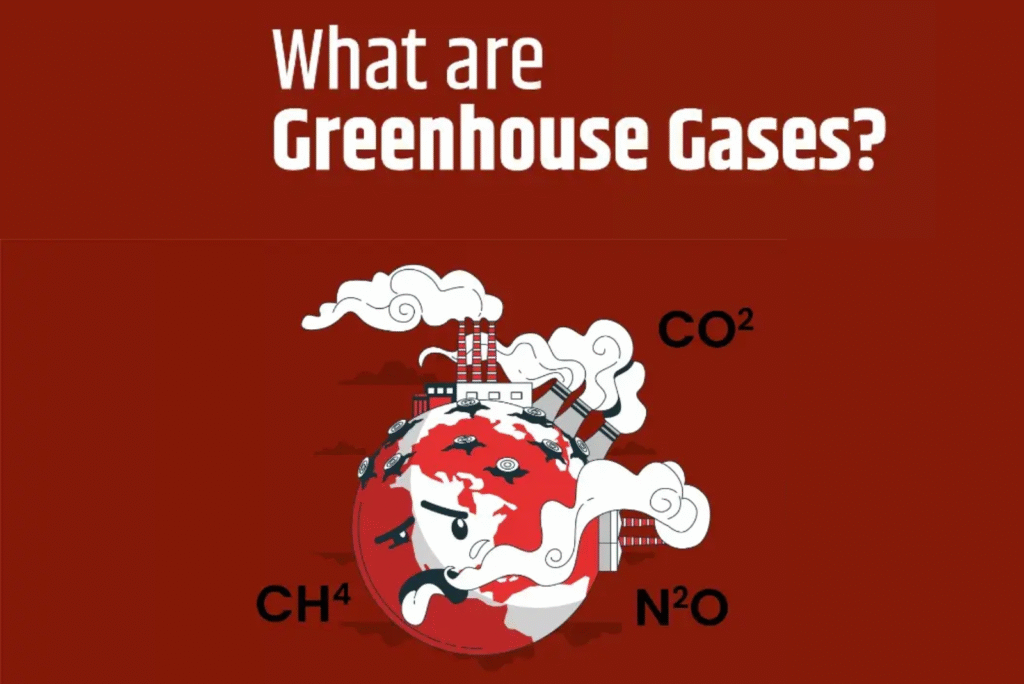
What are Greenhouse Gases? Home Blogs Climate change is a looming crisis intensified by greenhouse gases. These gases exist naturally in the atmosphere and are actually significant to sustain life. However, with the constant human activities, these are rising at an alarming rate, causing a problem. In this blog, we’ll take a closer look at how GHG greenhouse gases impact the environment. And also explore one of the best solutions out there, solar energy. Greenhouse Gases and the Greenhouse Effect The greenhouse effect is a natural process that keeps the Earth warm and livable. There won’t be any life without it, as the planet will be too cold to support any life. Let’s see how the process works in detail: 1. Sunlight AbsorptionThis is the start of the whole process. Sun’s rays reach our planet and illuminate it. Our Earth absorbs this energy obtained from the sun and generates a suitable environment. You can probably guess that it is this warmth that makes the sustenance of life possible. 2. Heat RadiationOnce the Earth absorbs the sunlight, the remaining heat is sent back towards space. 3. Greenhouse Gases Trap HeatHowever, some of the radiated heat doesn’t escape into space as the greenhouse gases in the atmosphere trap it. This heat causes further warming. 4. Normal BalanceUnder normal conditions, the greenhouse effect is not something to worry about. However, the continuing concentration of GHG greenhouse gases is a cause of worry for all of us. This is causing a major problem for the environment known as global warming. This, in turn, causes a lot of disruption to the weather patterns and leads to negative environmental consequences. What Are the Main Greenhouse Gases? 1. Carbon Dioxide (CO2)Carbon Dioxide (CO2) is by far the biggest contributor to climate change. When we humans burn fossil fuels like coal, oil, or natural gas for energy, there’s a huge production of these gases. There’s another thing that adds to the increase in CO2 levels. It’s deforestation. You might already know that trees absorb carbon dioxide from the atmosphere, helping balance it all out. But by cutting the trees down, there will be very little CO2 absorption. 2. Methane (CH4)While Methane makes up a smaller portion of greenhouse gases, it’s more effective at trapping heat than CO2! These gases are released when agricultural practices take place, especially livestock digestion, and also from landfills or natural gas production. 3. Nitrous Oxide (N2O)Nitrous oxide is probably familiar to you from its use in agricultural pesticides and fertilizers. Additionally, some industrial processes produce this greenhouse gas. What makes this one harmful, if you were wondering, is that it lingers in the atmosphere for a very long time. 4. Fluorinated GasesThese are another set of gases that are synthetic and contribute to the greenhouse effect. Similar to the case of N2O, these gases persist in our atmosphere for many, many years. We are sure you must have guessed how this property makes them super threatening to our climate. Why Are Greenhouse Gases Harmful?●Global Warming – As the levels of greenhouse gas rise, global temperatures spike up. The glaciers and polar ice caps melt leading to high sea levels. ●Extreme Weather – The imbalance of greenhouse gases impacts the environment negatively. These gases lead to severe weather conditions. Storms, droughts and frequent heat waves cause unfavourable weather conditions. ●Threat to Ecosystems – The increasing greenhouse gases disrupt the ecosystem to a great extent. It becomes difficult for the animals, birds and other species to survive with the increasing change in the climate. ● Human Health Risks – Apart from environmental issues, this rapid change in temperature worsens air pollution, leading to respiratory problems. The change can also increase the speed of various diseases which prove to be harmful to humans. How Can We Reduce Greenhouse Gases? The problem is increasing day by day, but there is still hope for improvement in today’s situation. This slow and steady change will come by inculcating renewable energy sources. 1. Switch to Solar PowerWe all use large amounts of energy on a daily basis. Imagine what our world as a whole consumes. Most of this energy is from fossil fuels which cause greenhouse gas emissions. This CO2 emission can be reduced if we decide to switch to solar power. Solar energy results in zero emissions while being adaptive to your homes, offices, corporations and even large scale industrial plants. 2. Solar-Powered Homes and Buildings Rooftop solar panels merged with technologies like outdoor solar lighting not only protect the environment but also your monthly electricity bills. It’s a one-time investment that pays off really well in all aspects. There are so many government schemes and subsidies that will make even this one-time investment super affordable for you. You can also use solar cookers, solar water heaters and much more. 3. Solar Powered Transportation A large number of fossil fuels are burned for driving vehicles. Travel and transport need a lot of energy and also release lots of polluting greenhouse gases. In these cases, solar powered vehicles (EVs) can be the best choice. Instead of the prevalent gas-powered cars, they are more eco-friendly and reliable. Setting up solar charging stations will also be a nice step to motivate opting for solar solutions instead of fossil fuels. 4. Commercial Solar Solution Our commerce sector is among the largest consumers of fossil fuels, which contributes to increasing pollution. Slowly, many companies are going solar by choosing commercial solar systems. Not only does this play a part towards our ecosystem, but it also proves beneficial in the long run. 5. Solar Farms and Large-scale ProjectsIndustries would be the next target for implementing solar energy solutions in place of fossil fuels. Factories and big projects usually pollute a lot and release toxic gases into the air. The solution? Large scale solar plants. In areas of abundant sunlight, these rows and rows of solar panels can provide enough energy to power such factories and local communities. The government can establish these plants to
Solar Panel Installation: A Step-by-Step Guide
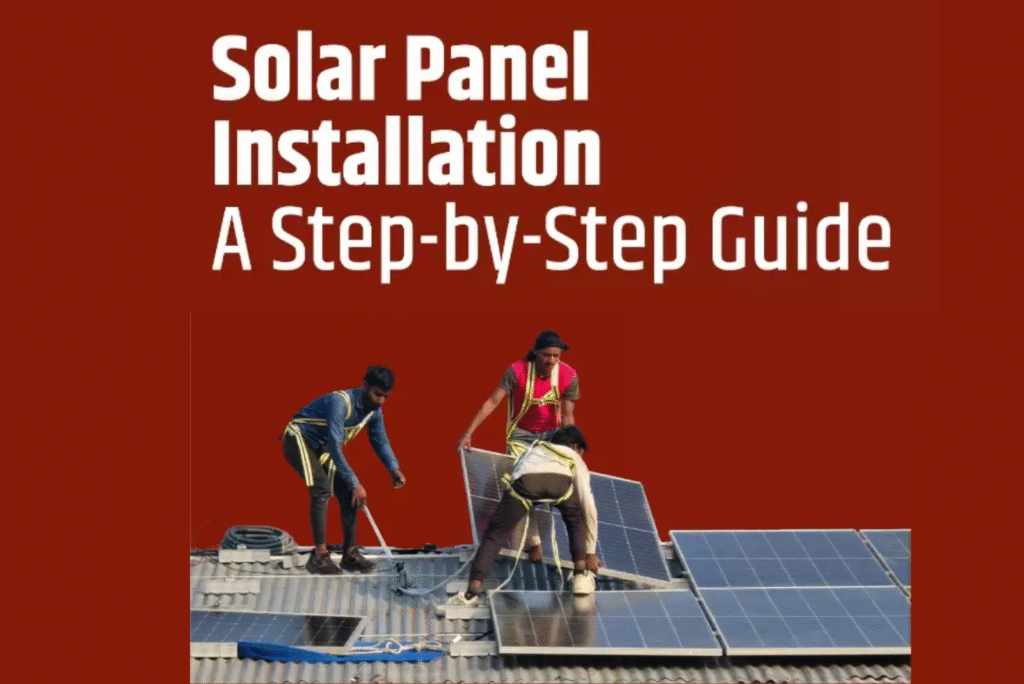
Solar Panel Installation: A Step-by-Step Guide Home Blogs The installation of solar panel systems is popular today as people are embracing renewables as a result of rising energy costs and eco-friendly concerns. This makes solar power one of the most readily available options as it is technology-friendly and government-supportive policy friendly. The installation of solar panels will lead to clean eco-friendly power generation and is beneficial to the environment. Long term investments show promise to generate savings while at the same time contributing to a cleaner environment. The all-in-one strategy proprietary approach provided on this platform allows for ease of understanding in each section of installation. Hence the provided pivot diagram guide is adequate for all-seven stages, starting from the initial survey powering households with eco-friendly energy to solar panel installation. Check our Step by step guide in the succeeding chapters that aim at powering your home with clean different types of solar energy. Step-by-Step Solar Panel Installation Process A complete guide to each stage of installing a solar power system: Step 1 – Site Survey We kick off the steps needed to prepare your site with a comprehensive site survey. This step can only be carried out by a qualified technician whose job is to ensure that solar panels can be installed onto your home or building. Specifically, making sure that the space in question has unobstructed sunlight as well as the structural integrity to house the solar panels. As a rule of thumb, site surveys cover the following steps: Looking at the roof’s structure including the tilt and the direction it facesInvestigating prospective shadiness from pillars, nearby buildings or treesEvaluating the amount of space that is accessible for the panels, wiring, inverter, and even the switchExamining the electric load and the existing connection pointsIf you are searching for resources that would help you understand how solar panels work, we invite you to read our blog on the mechanics of solar panels. Step 2 – System Design and EngineeringAfter the site has been approved, we move forward to System Design and Engineering. This particular step includes the design of a solar solution that is tailored specifically to meet energy requirements as far as the property conditions are considered. Components that are key and were decided upon in this primary step include but are not limited to: Estimations of solar panels needed based on average daily usageSelection of the type of the panel from either monocrystalline or polycrystalline.Specifics of the solar inverter to use which may be string, micro or hybridWiring layout and safety devicesStep 3 – Permits and DocumentsBefore starting any work, solar systems need to be vetted by the local utility company and the government. Most solar providers offer assistance with the important documentation needed. Some of the documentation needed includes: Application for net metering with DISCOMsElectrical safety endorsement from a qualified personPermission for installation from either municipality or societyApplication for state/central solar subsidies (if they are being provided)Completing this process may take several days or even weeks based on local requirements, although this is important for linking your system to the grid in a legal manner. Step 4 – Purchasing EquipmentNow, the installer starts purchasing the equipment. This step includes acquiring all components required for the installation of the solar panels. The following components are foundational: Solar panels (with 25-year warranty, the better option is MNRE-approved Tier 1 panels)Inverter (depending on system type; grid tied, hybrid, off-grid)Mounting structures (commonly galvanized iron or aluminum)Cables and MC4 connectors (weatherproof and UV resistant)Backup batteries (optional)Step 5 – Installation of Solar PanelsThe first step is to prepare the roof and mount the solar panel structure before securing it on. Steps involved in solar panel installation: Attaching the mounting framework to the roof surface Tiling and positioning the panels within the appropriate angle of inclination Safeguarding the panel against solar winds and other weather conditions Arranging the panels in a way that minimizes shading effects between rows Step 6 – Electrical Wiring The next step is wiring, where the panels are connected to the inverter and integrated with the power system. Connecting the panels in series or parallel as per the system’s design Running DC cables from the solar panels to the inverter Adding isolators, surge protection, and junction boxes Maintaining adequate earthing and grounding so as to eliminate electrical hazards Proper wiring with reliable fasteners is the cornerstone of the system’s performance reliability and overall durability. Step 7 – Connecting to Inverter The inverter is important as it enables utilization of solar energy by changing it into electricity. The inverter converts the direct current (DC) produced from the panels into alternating current (AC) to be used by appliances in the home. Process of Connecting an Inverter Includes: Connecting the DC Cables from the Solar Panels to the InverterLinking the Inverter’s AC Output to the Home’s Main Power SupplySetting Up Monitoring Systems (mobile application/web-based)If it is a hybrid system, connecting the battery and the grid.The inverter device provides data in real-time about the generation of solar energy, the savings made, and the health of the system. Step 8 – Net MeteringConnection to the grid is essential for net metering setup where maximum savings must be achieved. This gives the ability to sell excess electricity to the grid and receive credits. How the net metering works: The meter shows the energy consumed as well as the energy forwarded to the grid.Some states pay for the surplus units provided to the grid.This system allows ensuring value for every unit of energy produced by solar powering plants.Step 9 – Testing and commissioningThe system should be run in a comprehensive test of safety and performance which is based on set criteria to ensure everything functions before going live. Checking Panel Voltage and Current Output Inverter Input/Output Alongside Safety Setting Checking.Syncing Of Net Meter Synchronous With Remote Monitoring And Its Function Switching The System On After Checking Everything Is In Order To Start The System Earning Clean, Renewable Energy This Marks Clean Energy Generation Step 10 –
2 kW Solar Panel Price in India with Subsidy
2 kW Solar Panel Price in India with Subsidy Home Blogs In a world where clean energy is becoming a priority for many, people are looking for practical ways to reduce their carbon footprints. Solar energy emerges as a sustainable solution. The 2 Kilowatt solar system can be a great starting point if you’re wanting to switch to solar energy. Before you start, we know how important it is to know the 2 kW solar panel price, solar panel subsidies, and other aspects. In this blog, we’ll guide you through all that you need to know before bringing home the wonderful solar power systems. Solar Panel Price in India There are a lot of factors that affect the solar panel 2 kW price in India. These are brands, quality, and other requirements. However, to give you a rough idea, a 2 kW solar system generally costs between ₹1,50,000 to ₹1,70,000. The general prices of solar panels in India are: Solar Panel System Capacity Solar Panel Price 1 kW ₹80,000 – ₹85,000 2 kW ₹1,50,000 – ₹1,70,000 3 kW ₹2,50,000 – ₹2,70,000 5 kW ₹3,10,000 – ₹3,50,000 Understanding 2 Kilowatt Solar PanelsA 2 kW solar system is a great choice for houses. Because of its amazing efficiency and cost-saving nature, it’s the most preferred option. Depending on brand and panel efficiency, a 2 kW solar panel system generally has 5 to 6 panels. The 2 kW solar system is made to be efficient and compact. This makes it perfect for homes that have limited roof space and moderate energy consumption. And you know the best part is the affordability, a 2 kW solar panel price is budget-friendly and a good investment. Space Requirements for Your 2 Kilowatt Solar Panel System The first thing to consider is the space for the installation of a 2 kW solar panel system. Space is important because the location and surrounding factors will determine the working of the panels. The roof or any open area is the best because these are the areas that get constant sunlight throughout the day. For a system of up to 2 kW, 160 to 200 square feet of space is sufficient. However, there’s one thing you need to be sure of. Installing the panels at the right angle. Better absorption of sunlight will lead to better energy output. What Affects the 2 kW Solar Panel Price in India? There are many factors that affect the 2 kW solar panel price, including – Brand and Quality – The solar panel 2 kW price in India mostly depends on the brand and quality of the solar system. Solar panels from the most reputable brand may cost a bit more but they tend to offer higher efficiency and better performance. The quality is also top-notch. So while selecting solar panels for your homes, do focus on the brand and quality. Solar Panel Plate Rate – The total cost depends on the solar plate rate. Panels that have newer technology are more costly than older technologies. An individual solar plate further determines the total value of the system. You’ve to choose from the best panels if you want your solar power system to work efficiently. Installation Costs – The installation price of 2 kW solar panels varies a lot too. The complexity of the installation and location greatly impact the costs. Some places and installations require a lot of effort and time leading to higher installation fees. Government Subsidies – The government subsidies have a huge effect on the 2 kW solar panel cost as well. The subsidies and incentives have a huge impact on bringing down the installation costs, which makes them within the budget and affordability of middle-class families. 2kW Solar Panel Price with Subsidy Solar panel subsidies in India are what make the installation of on-grid solar systems and off-grid solar systems affordable and possible. A 2 kW solar panel price in India is usually around ₹1.5 to 1.7 lakh. However, with the government’s incentives and rebates, the solar panel 2 kW price in India has come down by 30-40% depending on the state. Central Government Subsidy for Solar Systems ● The PM Surya Ghar: Muft Bijli Yojana generously offers subsidies for rooftop solar installations. For systems up to 2kW, you can get a subsidy of up to 60%. ● The Grid Connected Rooftop Solar Programme under the Ministry of New and Renewable Energy (MNRE) targets the installation of solar panels. The best part is that it offers Central Financial Assistance (CFA) that covers 40% of the costs for systems up to 3 kW. State-Level SubsidiesAt the state level, the governments are coming up with various schemes to promote the use of solar energy. States such as Rajasthan, Uttar Pradesh, Tamil Nadu, Maharashtra, and Punjab offer great subsidies for the installation of solar panels. Benefits of Installing a 2 kW Solar Panel System 1. Cost SavingsA 2 kW solar panel price is not only affordable during the installation process but also cost-effective in the long run. You’ll be generating your own electricity. You know what that means? No sky-high electricity bills! The photovoltaic panels create power that is not only clean but also wallet friendly. 2. Environmental Impact You already know that solar energy is good for the environment. There are many benefits of installing rooftop solar panels. Not causing harm to the environment is one of them. The electricity that these panels produce is completely clean and green. 3. Energy IndependenceAlong with the affordable 2 kW solar panel price, you get the amazing benefit of energy independence. An off-grid solar system will generate electricity for you and even store it for later use reducing your reliance on the local utility grid. You no longer have to worry about the price fluctuations and frequent power cuts. 4. Increases Property ValueInstalling solar panels at your house means contributing to the property value. It’s a known fact that homes that are properly furnished with solar power systems are seen as attractive and beneficial. This attracts many potential buyers who are ready
Solar Inroof System: Using Solar Panels as a Roof
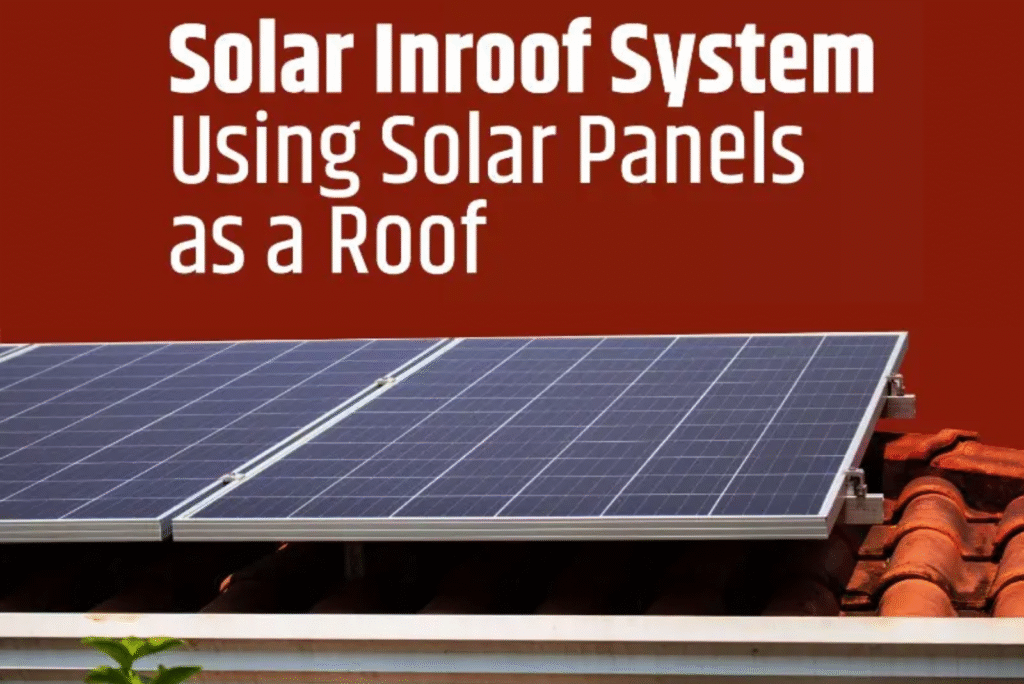
Solar Inroof System: Using Solar Panels as a Roof Home Blogs The modern world has been revolutionized by the concept of utilizing solar energy, with numerous options available for homes and businesses to take advantage of it. Solar energy not only provides homeowners with the opportunity to save money, but it also allows them to play a role in maintaining the environment. Using solar panels as roofs does not only protect the building, but also helps in the sustainability of the environment. Solar roofing refers to replacing regular roofing materials with solar panels. Unlike traditional systems that mount panels over an existing roof, this approach incorporates solar panels into the structure itself. With this new technology, the aesthetics as well as energy expenditure of the building are maximized making optimized use of the roof space. Benefits of Using Solar Panel as a Roof When a solar panel doubles as a roof, it is a revolution for businesses and homeowners alike. It fosters energy production alongside structural functionality, leading to cost efficiency and sustainability. With the focus on renewable energy sources, this solution is rapidly gaining acceptance globally. 1. Creates Electrical Energy Without Compromising Home ProtectionA solar roof serves the dual purpose of protecting your home while generating electricity from sunlight. For the energy-sensitive homeowners, this feature alone makes it a worthwhile investment. 2. Improved Solar Energy GenerationCommonly homeowners refrain from the idea of installing solar panels on the roof because they tend to look very chunky. With the new blend of solar panels and roofing, panels have a sleek modern appearance that will appeal to many more homeowners. This flexibility makes solar roofs more effective. 3. Maximizes Roof Surface Area Solar panel installation as a roof replaces the conventional roofing concept. In rest-mounted installations, the solar panels eat up a lot of space. Integrated solar roofing uses the entire space without needing any additional equipment, mounting hardware, and other solar panel accessories. If you want to know more about how solar panels work please read this blog – How do solar panels work? 4. Enhances Energy Efficiency In-roof solar panels reap the most sunlight compared to conventional solar panels. In roof solar panels consume a lot of solar energy since they do not have any shading issues coming from conventional roof structures like gables and hips. Unlike in-roof solar panels, standard panels get placed at angles that do not face the sun directly, reducing energy production due to suboptimal exposure. 5. Reduces Costs Over a Long Duration A solar roof is typically seen as more expensive, but in the long term the return is worth it. Having a clean energy generation system lowers the electricity bill significantly and dependency on grid power decreases. Other than that, there are propositioned benefits from various governments making solar roofing a very appealing option. 6. Increases Property Value Real estate agents claim that the home energy rating system associated with solar panels and roofing integrated systems tends to lure energy-smart buyers. This translates to increased resale value in the long term due to the added solar system. 7. Endures Severe Weather Conditions Compared to traditional roofs, solar roofs have a better longevity. Prolonged harsh rains, hail, strong winds, and even snow do not affect the functionality of the panels. The rugged design these panels possess means they withstand the elements without wearing out. In-Roof vs. Traditional Roofing Solar Panels Comparison Feature In – Roof solar panel Traditional solar panel Installation method Integrated into the roof by replacing conventional roofing materials. Installed on top of the existing roof using mounting brackets. Visual effects Sleek, modern look that blends with the architecture. Bulky appearance that may affect the aesthetic of the building. Space efficiency Maximizes roof space without extra hardware. Requires additional space for mounting systems. Cost comparison Higher upfront costs but better long-term savings and value. Lower initial cost but may incur higher maintenance over time. Things To Consider Before Installing A Solar Roof If the roof receives sunlight for a large part of the day, energy generation will be significantly higher. South-facing roofs are ideal, but east and west-facing roofs also yield good results. One of the most important inventions nowadays is solar energy and how it can be utilized. Not only does it help to save money for the homeowners but helps in conserving the environment. It also allows the installation of solar panel roofs which helps in the sustaining of the environment. Budget and Financing Options Even though the initial payment is expensive, there is an array of financing options available. These include solar loans, leasing schemes, and even government subsidies. Such aids make the cost of installing solar panels on roofs more feasible. Energy Requirements Before going ahead with the installation, assess how much electricity you consume in a day. Doing so will enable the determination of how big the solar roof needs to be so that it meets your energy requirements. Conclusion For modernists looking to cut expenses and become more cost-effective, using a solar panel as a roof is and will always remain, ŝ a smart investment. In addition to the myriad of benefits it brings, it’s a compact solution for saving space, visually appealing as well, making it stand out in comparison to traditional solar panels. Financial incentives paired with growing environmental concern will make mountable solar roofs the go-to choice. Switching to solar panels and roofing will help regain control over energy expenditures while paving the way toward a cleaner surrounding. If you wish to embrace renewable energy sources while going green, start by looking at your options today.