
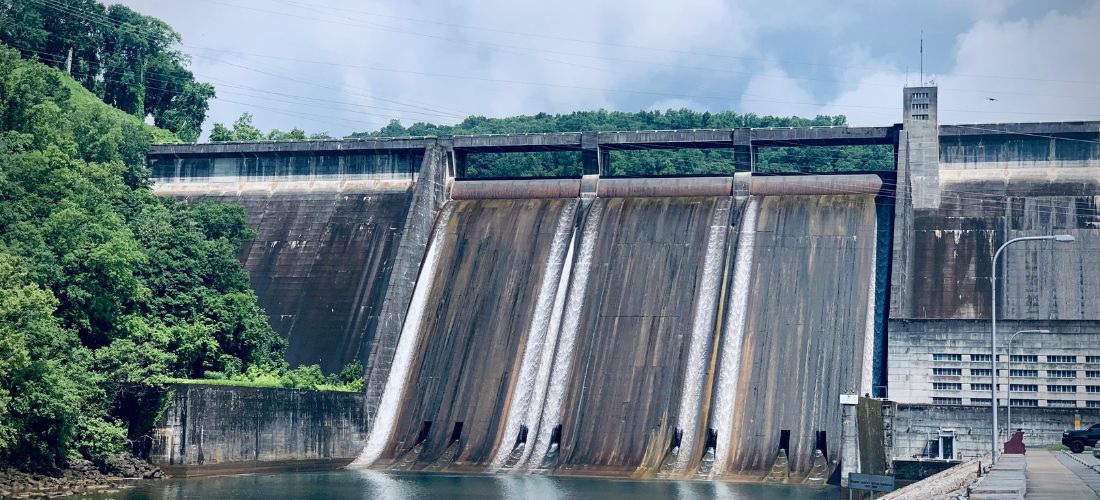
Water has been used for centuries to do useful work, from turning old wooden mills to producing electricity for modern cities. Today, a hydroelectric generating plant plays a major role in producing clean and renewable energy across the world. These plants use the force of flowing or falling water to generate electricity without burning fossil fuels.
A hydroelectric power plant is one of the most reliable renewable energy systems because it can generate large amounts of electricity with low pollution. Countries like China, India, Brazil, Canada, and the United States use hydroelectric plants to meet growing electricity demand while reducing carbon emissions. According to the International Energy Agency (IEA), hydropower still produces around 15–16% of the world’s electricity, making it the largest source of renewable electricity globally.
In this guide, you’ll learn how hydroelectric plants work, their major types, advantages, limitations, components, costs, and why they are important for the future of clean energy.
What Is a Hydroelectric Power Plant?
A hydroelectric power plant is a facility that converts the energy of moving water into electrical energy. It uses water stored in dams, rivers, or reservoirs to spin turbines connected to generators.
The process is simple:
- Water flows through turbines
- Turbines rotate due to water pressure
- Generators convert this movement into electricity
- Electricity is sent through transmission lines to homes and industries
This system is considered renewable because water is naturally replenished through the water cycle.
Hydroelectric plants are also known as:
- Hydroelectric power station
- Hydrogeneration plant
- Hydroenergy plants
- Power plant hydroelectric systems
- Hydroelectric energy plant facilities
Even though the names differ, the working principle remains the same.
Quick Overview of Hydroelectric Power Plants
| Feature | Details |
|---|---|
| Energy Source | Flowing or falling water |
| Type of Energy | Renewable energy |
| Main Components | Dam, turbine, generator, penstock |
| Fuel Required | No fossil fuel needed |
| Pollution Level | Very low |
| Efficiency | Around 85–95% |
| Lifespan | 50–100+ years |
| Main Use | Electricity generation |
| Common Locations | Rivers, dams, mountainous areas |
History of Hydroelectric Power
The use of water energy is not new. Ancient civilizations used water wheels for grinding grains and irrigation. The first modern hydroelectric energy power plant was built in the late 19th century.
Some important milestones include:
- 1878: First hydroelectric project demonstrated in England
- 1882: First commercial hydroelectric plant built in Wisconsin, USA
- 1902: Large hydro projects started growing worldwide
- Modern Era: Mega dams now generate thousands of megawatts
India also has a long history of hydropower development. States like Himachal Pradesh, Uttarakhand, Kerala, and Sikkim have many hydroelectric plants because of their rivers and hilly terrain.
How Does a Hydroelectric Power Plant Work?
The working process of a hydroelectric generating plant is based on converting water energy into mechanical energy and then into electrical energy.
Let’s understand it step by step.
1. Water Storage in Reservoir
Most hydropower plants use a dam to store water in a reservoir. The stored water contains potential energy because of its height.
The higher the water level, the greater the energy available.
2. Water Flows Through Penstock
When electricity is needed, gates open and water flows through a large pipe called a penstock.
The fast-moving water creates pressure as it moves downward.
3. Turbine Rotation
The water strikes turbine blades and makes them spin rapidly.
This converts water energy into mechanical energy.
Different turbines are used depending on water pressure and flow speed.
4. Electricity Generation
The turbine is connected to a generator.
As the turbine spins, magnets inside the generator rotate and create electricity through electromagnetic induction.
This is the core process inside every hydel power station.
5. Voltage Transformation
The electricity produced is sent to transformers.
Transformers increase voltage so electricity can travel long distances efficiently.
6. Transmission to Grid
Finally, electricity moves through transmission lines to homes, offices, factories, and industries.
The used water then returns to the river downstream.
Main Components of a Hydroelectric Plant
Understanding the parts of a hydroelectric plant helps explain how the entire system operates smoothly.
| Component | Function |
|---|---|
| Dam | Stores water |
| Reservoir | Holds water at height |
| Intake Gate | Controls water flow |
| Penstock | Carries water to turbine |
| Turbine | Converts water energy into rotation |
| Generator | Produces electricity |
| Transformer | Increases voltage |
| Powerhouse | Contains turbines and generators |
| Tailrace | Returns water to river |
Types of Hydroelectric Power Plants
Different hydroelectric plants are designed based on geography, water availability, and electricity demand.
1. Impoundment Hydroelectric Plant
This is the most common type of hydroelectric energy plant.
It uses a large dam to store water in a reservoir.
How It Works
- Water is stored behind the dam
- Water is released through turbines
- Electricity is generated as turbines spin
Advantages
- Large electricity production
- Water storage capability
- Flood control benefits
Disadvantages
- Expensive construction
- Environmental impact on nearby ecosystems
Example
The Three Gorges Dam in China is one of the world’s largest hydroelectric plants.
2. Run-of-River Hydroelectric Plant
This type uses the natural flow of rivers without large reservoirs.
How It Works
- River water is diverted through turbines
- Water returns back to river flow
Advantages
- Lower environmental impact
- Less land flooding
Disadvantages
- Electricity generation depends on river flow
- Lower power generation during dry seasons
This type is becoming popular in environmentally sensitive areas.
3. Pumped Storage Hydroelectric Plant
A pumped storage hydroelectric generation plant works like a giant battery.
How It Works
- Water is pumped uphill during low demand
- During high demand, water flows back down through turbines
Advantages
- Stores excess electricity
- Supports grid stability
Disadvantages
- High setup cost
- Requires suitable terrain
These systems are useful for balancing solar and wind energy fluctuations.
Read More: solar-power plant
4. Micro and Mini Hydroelectric Plants
These are small-scale hydroelectric power plants designed for villages, farms, or remote areas.
Features
- Small electricity output
- Lower construction costs
- Minimal environmental impact
Many remote Himalayan villages use mini hydel power stations for local electricity supply.
Types of Turbines Used in Hydroelectric Plants
Different turbines are selected based on water pressure and flow conditions.
| Turbine Type | Best For |
|---|---|
| Pelton Turbine | High head, low flow |
| Francis Turbine | Medium head |
| Kaplan Turbine | Low head, high flow |
Each turbine design improves efficiency under specific operating conditions.
Advantages of Hydroelectric Power Plants
Hydroelectric power offers many long-term benefits.
1. Renewable Energy Source
Water continuously moves through the natural water cycle.
This makes hydroelectric power sustainable and renewable.
2. Low Pollution
Hydroelectric plants do not burn coal, oil, or gas.
As a result:
- Very low greenhouse gas emissions
- Cleaner air quality
- Reduced carbon footprint
3. High Efficiency
Most hydroelectric plants operate at 85–95% efficiency.
This is much higher than many thermal power plants.
4. Low Operating Costs
After construction, operating costs are relatively low because:
- Water is free
- Less fuel transportation
- Lower maintenance compared to thermal plants
5. Long Lifespan
Many hydroelectric plants continue operating for decades.
Some have functioned for over 100 years with proper maintenance.
6. Flood Control and Irrigation
Large dams also help with:
- Flood management
- Water storage
- Agricultural irrigation
This gives hydro projects additional economic value.
7. Quick Power Supply
Hydroelectric power stations can start generating electricity very quickly during peak demand.
This flexibility supports a stable electricity supply.
Disadvantages of Hydroelectric Power Plants
Despite many advantages, hydroelectric plants also have some limitations.
1. High Initial Investment
Building dams and reservoirs requires huge capital investment.
Construction may take several years.
2. Environmental Impact
Large reservoirs can affect:
- River ecosystems
- Fish migration
- Forest land
- Wildlife habitats
Environmental planning is important before construction.
3. Dependence on Rainfall
Hydroelectric energy production depends on water availability.
Droughts and low rainfall can reduce electricity generation.
4. Population Displacement
Large dam projects sometimes require relocation of nearby communities.
This can create social and rehabilitation challenges.
5. Risk of Dam Failure
Though rare, dam failures can be dangerous.
Modern engineering and regular inspections reduce this risk significantly.
Hydroelectric Power Plant vs Thermal Power Plant
| Feature | Hydroelectric Plant | Thermal Plant |
|---|---|---|
| Energy Source | Water | Coal/Gas/Oil |
| Pollution | Very low | High |
| Operating Cost | Low | High |
| Fuel Needed | No | Yes |
| Renewable | Yes | No |
| Startup Speed | Fast | Slower |
| Construction Cost | High | Moderate |
Hydroelectric energy plants are cleaner, while thermal plants are often easier to build in flat regions.
Major Hydroelectric Plants in the World
Three Gorges Dam – China
- Capacity: Around 22,500 MW
- Largest hydroelectric plant in the world
Itaipu Dam – Brazil & Paraguay
- One of the highest electricity-producing dams globally
Hoover Dam – USA
- Famous engineering project
- Important source of power and water management
Major Hydroelectric Plants in India
India has many important hydroelectric power stations.
| Plant Name | State |
|---|---|
| Tehri Dam | Uttarakhand |
| Bhakra Nangal | Himachal Pradesh/Punjab |
| Nathpa Jhakri | Himachal Pradesh |
| Sardar Sarovar | Gujarat |
| Hirakud Dam | Odisha |
Hydropower plays a major role in India’s renewable energy goals.
Hydroelectric Power Plant Construction Cost
The cost of building a hydroelectric generating plant depends on several factors.
Major Cost Factors
- Dam size
- Land acquisition
- Reservoir area
- Turbine capacity
- Geological conditions
- Environmental approvals
Approximate Cost Range
| Plant Type | Estimated Cost |
|---|---|
| Small Hydro Plant | Moderate |
| Large Dam Project | Very High |
| Pumped Storage Plant | High |
Disclaimer: Basic standard price is not a specific price; actual project costs may vary depending on location, design, materials, labor, government regulations, environmental approvals, and market conditions. Anything can happen due to inflation, natural conditions, and policy changes.
Real-World Importance of Hydro Energy Plants
Hydroelectric power is important because it supports both energy production and sustainable development.
In many mountain regions, small hydro projects provide electricity where grid connectivity is difficult.
For example:
- Himalayan villages use mini hydro plants
- Agricultural dams provide irrigation and electricity
- Pumped storage plants support renewable energy integration
Many countries are increasing investment in hydro generation plants to reduce dependence on fossil fuels.
Environmental Impact and Sustainability
Modern hydroelectric projects focus heavily on sustainability.
Engineers now use:
- Fish ladders for migration
- Controlled water release systems
- Eco-friendly reservoir planning
- Sediment management methods
Small hydro projects are also gaining popularity because they reduce environmental disruption.
Future of Hydroelectric Power Plants
Hydroelectric energy is expected to remain a major part of renewable energy systems.
Future developments include:
- Smart hydroelectric grids
- AI-based water management
- Improved turbine efficiency
- Hybrid renewable systems
- Better environmental protection technologies
Pumped-storage hydro plants are especially important for storing solar and wind energy.
As renewable energy demand increases, hydroelectric plants will continue supporting stable electricity supplies worldwide.
Read more: rooftop solar power plants
Tips Before Investing in a Hydroelectric Project
If you are planning a hydroelectric energy plant project, consider these important points:
Check Water Availability
Consistent water flow is essential for long-term electricity generation.
Study Environmental Regulations
Government approvals and environmental clearances are mandatory.
Select Proper Turbine Technology
Choosing the correct turbine improves efficiency and reduces maintenance.
Consider Long-Term Maintenance
Hydro projects require regular inspection of:
- Dams
- Turbines
- Penstocks
- Electrical systems
Analyze Local Geography
Mountainous regions generally offer better hydroelectric potential.
Read More: largest solar power plants in india
Frequently Asked Questions
1. What is a hydroelectric power plant?
Answer: A hydroelectric power plant is a facility that uses flowing or falling water to generate electricity through turbines and generators.
2. How does a hydropower station generate electricity?
Water flows through turbines, causing them to spin. The turbine movement powers generators that produce electricity.
3. Is hydroelectric power renewable?
Answer: Yes, hydroelectric energy is renewable because it depends on the natural water cycle.
4. Which is the largest hydroelectric plant in the world?
Answer: The Three Gorges Dam in China is currently the largest hydroelectric generating plant in the world.
5. What are the main advantages of hydropower plants?
Answer: Major advantages include the following:
- Renewable energy
- Low pollution
- High efficiency
- Long lifespan
- Low operating cost
6. Are hydroelectric plants environmentally friendly?
Answer: Compared to fossil fuel plants, hydroelectric plants produce much lower emissions. However, large dams can affect ecosystems if not properly managed.
7. What is the lifespan of a hydroelectric plant?
Answer: Most hydroelectric plants can operate for 50–100 years or even longer with proper maintenance.
Conclusion
A hydroelectric power plant is one of the most efficient and reliable renewable energy systems available today. By using the natural movement of water, these plants generate clean electricity while reducing dependence on fossil fuels.
From massive dams to small hydro energy plants in remote villages, hydropower continues to support sustainable development worldwide. Although challenges like environmental impact and construction costs exist, technological improvements are making hydroelectric projects safer, smarter, and more eco-friendly.
As the world moves toward cleaner energy solutions, hydroelectric generating plants will continue playing a major role in powering homes, industries, and future generations with renewable energy.