
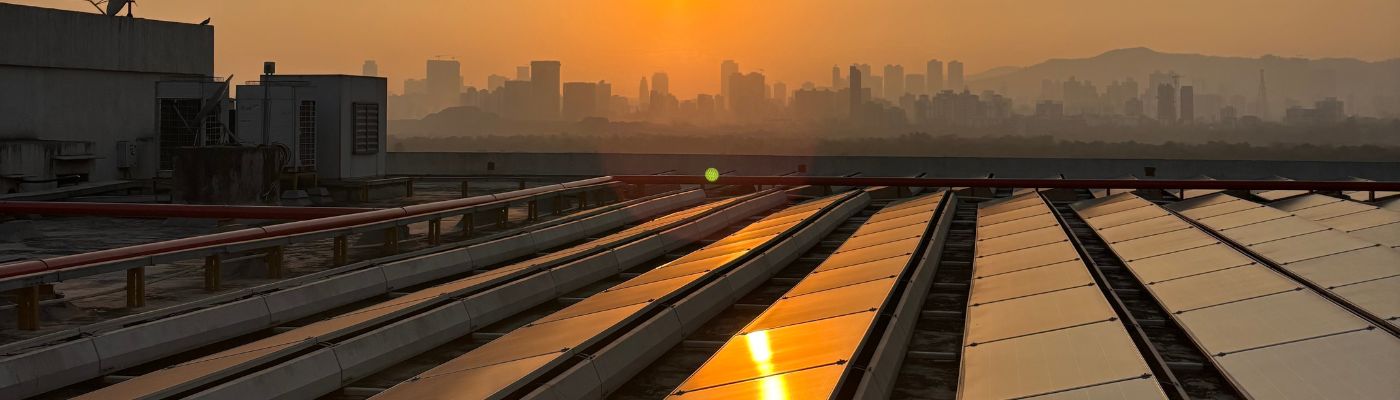
A 1 kW solar system is one of the most common entry-level solar setups for homes in India. Many homeowners choose it because it can generate enough electricity to support basic household appliances while reducing monthly electricity bills. When people research solar installation, they also want to know the 1 kw solar panel price india, expected power generation, and long-term savings.
In this guide, we will explain in simple terms how much electricity a 1 kW solar system can produce in India, what factors affect its performance, and how much it typically costs.
What is a 1 kW Solar System?
A 1 kW solar system is a rooftop solar setup designed to generate around 1000 watts of power at peak sunlight conditions. It typically includes the following components:
- Solar panels (usually 3–4 panels depending on wattage)
- Solar inverter
- Mounting structure
- Wiring and safety equipment
- Monitoring system (optional)
This system is suitable for:
- Small homes
- Shops or small offices
- Rural households
- Apartments with limited roof space
In most cases, a 1 kW solar system can power basic electrical appliances such as lights, fans, TV, laptop charging, and small kitchen appliances.
Average Power Generation of a 1 kW Solar System in India
India receives strong sunlight for most of the year. On average, most locations receive 4–5 peak sunlight hours per day. Because of this, a 1 kW solar system can generate approximately 4–5 units (kWh) of electricity daily under normal conditions.
Below is a simple estimate of electricity generation:
| Time Period | Average Electricity Generated | Ideal Conditions |
|---|---|---|
| Daily | 4 – 5 units | 5 – 6 units |
| Monthly | 120 – 150 units | 150 – 180 units |
| Yearly | 1400 – 1600 units | 1600 – 1800 units |
These numbers may vary slightly depending on your location, roof direction, and weather conditions.
How Many Units Does a 1 kW Solar System Produce Per Day?
Under standard conditions in India, a 1 kW solar system produces around 4 to 5 units of electricity per day.
For example:
- If your home consumes 5 units daily, a 1 kW system can almost cover that demand.
- If your home uses 8–10 units daily, the solar system will still reduce your electricity bill significantly.
Most households use this system to run:
- 4–6 LED lights
- 3–4 ceiling fans
- One television
- Phone charging and small electronics
Monthly Electricity Generation
Over a month, the electricity produced by a 1 kW solar system can range between 120 and 150 units.
This calculation assumes:
- 4–5 peak sunlight hours daily
- Minimal shading
- Good quality solar panels
For many small households, this can cover a large portion of their monthly electricity usage.
If electricity costs ₹7 per unit, then monthly savings could look like this:
- 120 units × ₹7 = ₹840
- 150 units × ₹7 = ₹1050
Over time, these savings make solar installation a cost-effective investment.
Annual Power Generation
A properly installed 1 kW solar system can generate around 1400 to 1600 units of electricity annually.
This means:
- Significant reduction in electricity bills
- Long-term savings for homeowners
- Reduced dependence on grid electricity
Most solar panels come with 25-year performance warranties, so the system can continue producing electricity for decades with proper maintenance.
Factors That Affect Solar Power Generation
Although solar systems are reliable, several factors influence how much electricity they produce.
1. Sunlight Availability
Solar panels generate electricity from sunlight. Areas with more sunshine produce higher electricity output.
For example:
- Rajasthan and Gujarat receive strong sunlight and may generate more electricity.
- Coastal or cloudy regions may produce slightly less.
However, most parts of India still receive enough sunlight to make solar energy effective.
2. Panel Orientation and Tilt
Solar panels perform best when installed facing south direction in India with an optimal tilt angle.
Proper installation can increase power generation by 15–20%.
Professional installers always analyze:
- Roof direction
- Shadow areas
- Sunlight exposure
before installation.
3. Quality of Solar Panels
Higher efficiency panels generate more electricity from the same sunlight.
Modern solar panels usually offer:
- 18%–22% efficiency
- Better performance in high temperatures
- Longer lifespan
Using high-quality solar panels improves overall system output.
4. Temperature and Weather
Solar panels work best in moderate temperatures.
Extreme heat can slightly reduce performance. Similarly:
- Dust buildup
- Heavy rain
- Cloudy weather
may temporarily reduce electricity generation.
5. Shadow on Panels
Even small shadows from trees, buildings, or poles can reduce solar panel output.
Proper installation ensures:
- Panels remain shadow-free
- Maximum sunlight exposure
throughout the day.
Roof Space Required for a 1 kW Solar System
One of the advantages of a 1 kW solar system is that it requires very little space.
Typically, you will need around:
- 80 to 100 square feet of rooftop area
This makes it ideal for:
- Small houses
- Apartments
- Small shops
- Rural homes
If you have more roof space, you can later upgrade to a larger solar system.
Typical Appliances Supported by a 1 kW Solar System
A 1 kW solar system can comfortably run essential appliances in a small household.
Example usage:
| Appliance | Quantity |
|---|---|
| LED Lights | 5 – 6 |
| Ceiling Fans | 3 – 4 |
| Television | 1 |
| WiFi Router | 1 |
| Laptop Charging | 1 – 2 |
However, high-power appliances such as air conditioners, geysers, and heavy motors may require larger solar systems.
1 kw Solar Panel Price India
One of the most common questions people ask is about the 1 kw solar panel price india.
The cost of installing a 1 kW solar system in India usually depends on:
- Solar panel quality
- Inverter brand
- Mounting structure
- Installation charges
- Government subsidy (if applicable)
Here is a basic price estimate.
| System Type | Estimated Price Range |
|---|---|
| On-Grid Solar System | ₹50,000 – ₹70,000 |
| Off-Grid Solar System | ₹70,000 – ₹1,00,000 |
| Hybrid Solar System | ₹90,000 – ₹1,30,000 |
These prices usually include:
- Solar panels
- Inverter
- Structure
- Basic installation
Some installers also provide monitoring systems and extended warranties.
Government Subsidy for Solar Systems
The Indian government promotes rooftop solar adoption through subsidy programs.
Under residential solar schemes, homeowners may receive financial assistance depending on system capacity.
Benefits of subsidy programs include:
- Reduced installation cost
- Faster return on investment
- Increased adoption of renewable energy
Before installation, it is advisable to check current eligibility guidelines from official solar programs.
Long-Term Savings from a 1 kW Solar System
Solar energy offers long-term financial benefits.
If a 1 kW solar system generates 1500 units annually, and electricity costs ₹7 per unit, then yearly savings could be:
1500 × ₹7 = ₹10,500 per year
Over 25 years, the total savings could exceed ₹2,50,000, depending on electricity tariff increases.
This is one reason many homeowners are now investing in rooftop solar systems.
Environmental Benefits of a 1 kW Solar System
Besides saving money, solar energy helps protect the environment.
A 1 kW solar system can reduce approximately 1000–1200 kg of carbon emissions every year.
This is roughly equal to:
- Planting 50 trees
- Reducing air pollution from fossil fuel power plants
- Supporting cleaner energy production
Solar energy plays a key role in India’s transition toward renewable energy and sustainable development.
Simple Maintenance Tips for Solar Panels
Solar panels require very little maintenance, but basic care can improve performance.
Helpful maintenance tips include:
- Clean panels every 2–3 weeks to remove dust
- Ensure no tree branches create shadows
- Check inverter performance regularly
- Monitor electricity generation using mobile apps
Regular maintenance can increase system efficiency by 5–10%.
Should You Install a 1 kW Solar System?
A 1 kW solar system is ideal for people who:
- Want to start using solar energy
- Have limited rooftop space
- Want to reduce electricity bills
- Run small homes or shops
However, larger households with higher electricity consumption may consider:
These larger systems generate more electricity and support additional appliances.
Important Disclaimer About Solar Pricing
The 1 kw solar panel price india mentioned in this article is only a basic standard estimate and not a fixed or specific price.
Actual solar system prices may vary due to:
- Location
- Installer charges
- Panel technology
- Government policies
- Market fluctuations
Anything can change depending on these factors, so it is always recommended to consult a professional solar installer for an accurate quotation.
Conclusion
A 1 kW solar system is a practical and affordable solution for small households and businesses looking to reduce electricity costs and adopt clean energy. In most parts of India, such a system can generate 4–5 units of electricity per day, which equals around 120–150 units per month and up to 1600 units per year.
Understanding the 1 kw solar panel price india, power generation potential, and system requirements helps homeowners make informed decisions about installing solar energy systems. With rising electricity prices and increasing environmental concerns, rooftop solar systems are becoming an attractive long-term investment for many Indian households.
By choosing the right solar setup and maintaining it properly, users can enjoy reliable renewable energy for many years while contributing to a greener future.
Frequently Asked Questions
1. How much electricity does a 1 kW solar system produce per day?
Ans- A 1 kW solar system in India typically generates around 4 to 5 units of electricity per day under normal sunlight conditions. The exact output depends on factors such as location, weather, panel efficiency, and installation angle.
2. How many solar panels are required for a 1 kW solar system?
Ans- Most modern installations require 3 to 4 solar panels to create a 1 kW solar system, depending on the wattage of the panels used. For example, if each panel is 400W, then about 3 panels may be enough to reach 1 kW capacity.
3. What is the average 1 kw solar panel price india?
Ans- The 1 kw solar panel price india usually ranges between ₹50,000 and ₹70,000 for an on-grid system. Prices may vary depending on panel brand, inverter quality, installation charges, and government subsidy availability.
4. How much roof space is needed for a 1 kW solar system?
Ans- A 1 kW solar system generally requires around 80 to 100 square feet of rooftop space. Proper installation with minimal shadow helps maximize electricity generation.
5. Can a 1 kW solar system run household appliances?
Ans- Yes, a 1 kW solar system can run basic appliances such as:
-
LED lights
-
Ceiling fans
-
Television
-
WiFi router
-
Laptop charging
Ans- However, high-power appliances like air conditioners or geysers may require larger solar systems.
6. How many units does a 1 kW solar system produce per month?
Ans- A 1 kW solar system can produce approximately 120 to 150 units of electricity per month, depending on sunlight availability and system efficiency.
7. Is a 1 kW solar system enough for a home?
Ans- A 1 kW solar system is suitable for small homes with limited electricity usage. It can cover essential energy needs and help reduce electricity bills.
8. What is the lifespan of a 1 kW solar system?
Ans- Most solar panels used in a 1 kW solar system have a lifespan of 25 years or more. With proper maintenance, the system can continue producing electricity for decades.
9. Does the government provide subsidy for a 1 kW solar system?
Ans- Yes, residential rooftop solar systems may qualify for government incentives under national solar programs. Subsidy availability depends on current policies and eligibility criteria.
10. Does weather affect a 1 kW solar system’s performance?
Ans- Yes, weather conditions such as cloud cover, dust, and heavy rainfall can temporarily reduce solar panel output. However, over the year, a 1 kW solar system still produces reliable electricity in most parts of India.