
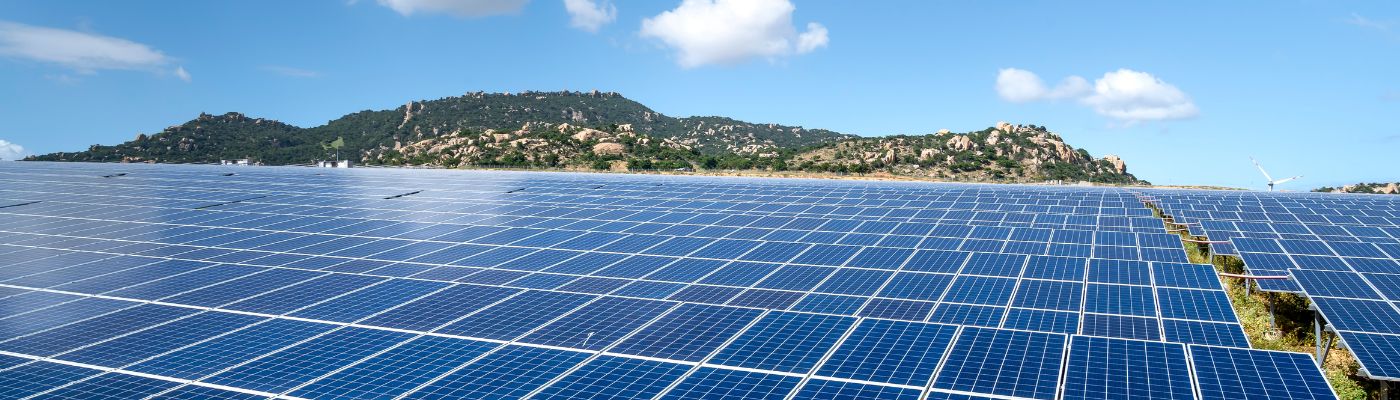
Solar energy is becoming one of the most important sources of power in modern India. With rising electricity costs and growing awareness about clean energy, solar energy in India is gaining popularity among homeowners, businesses, and industries. Many people are now looking for a reliable solar company in India to install systems that help reduce electricity bills and support a greener future.
India receives abundant sunlight throughout the year, making it an ideal location for solar power generation. Because of this natural advantage, solar energy is now playing a major role in the country’s renewable energy growth and long-term energy security.
What is Solar Energy?
Solar energy is the power generated from sunlight. This energy is captured using solar panels and converted into electricity or heat that can be used in homes, offices, factories, and commercial buildings.
Solar power works using photovoltaic (PV) technology, where sunlight is absorbed by solar cells installed in panels. These cells convert sunlight into electrical energy that can power appliances, lighting systems, and machines.
Since the sun is a natural and renewable resource, solar energy is considered one of the cleanest and most sustainable forms of power available today.
Key points about solar energy:
- It is a renewable energy source
- It produces no harmful emissions
- It reduces dependency on fossil fuels
- It can be installed on rooftops or open land
- It requires minimal maintenance once installed
Because of these advantages, solar energy is rapidly expanding across residential, commercial, and industrial sectors in India.
Solar Energy in India: Growth and Potential
The growth of solar energy in India has been remarkable over the last decade. The country receives approximately 4–7 kWh of solar radiation per square meter daily, with nearly 300 sunny days every year.
India is currently among the top solar energy producers in the world, and the government is actively promoting renewable energy adoption through multiple policies and incentive programs.
Important solar energy facts in India:
- India aims to achieve 500 GW of renewable energy capacity by 2030
- Solar energy contributes a large portion of this target
- The total estimated solar potential in India is around 748 GW
- Several large solar parks have been developed across the country
States with strong solar potential include:
- Rajasthan
- Gujarat
- Maharashtra
- Madhya Pradesh
- Andhra Pradesh
- Karnataka
These states receive high solar radiation and have large land areas suitable for solar projects.
As a result, the demand for reliable solar solutions and experienced solar companies in India is increasing rapidly.
How Solar Energy Works
Understanding how solar energy works is simple. The process involves converting sunlight into electricity using solar panels and supporting equipment.
Here is the basic process:
- Sunlight hits the solar panels
Solar panels contain photovoltaic cells that absorb sunlight. - Solar cells generate DC electricity
The absorbed sunlight creates an electrical reaction that produces direct current (DC). - Inverter converts DC to AC
A solar inverter converts DC electricity into alternating current (AC), which is used by most electrical appliances. - Electricity powers your building
The converted electricity is used to run lights, fans, machines, and other electrical equipment. - Extra electricity can go to the grid or battery
If the system produces more electricity than required, it can be stored in batteries or sent back to the electricity grid through net metering.
This process is quiet, efficient, and environmentally friendly, which is why solar systems are being installed in homes and businesses across India.
Types of Solar Energy Systems
Different types of solar energy systems are available depending on the power requirement and installation location.
1. On-Grid Solar System
This system is connected to the electricity grid.
Features:
- Most commonly used solar system
- No battery storage required
- Lower installation cost
- Excess electricity goes back to the grid
Best for:
- Homes
- Offices
- Commercial buildings
2. Off-Grid Solar System
Off-grid systems are not connected to the electricity grid.
Features:
- Uses battery storage
- Suitable for remote areas
- Provides power during outages
Best for:
- Rural locations
- Farms
- Areas without reliable electricity supply
3. Hybrid Solar System
Hybrid systems combine both grid connectivity and battery storage.
Features:
- Provides power backup
- Stores excess electricity
- Offers better energy independence
Best for:
- Homes with frequent power cuts
- Businesses needing backup power
Advantages of Solar Energy
Solar energy offers several benefits that make it an attractive option for both individuals and businesses.
1. Renewable Energy Source
Solar energy is derived from the sun, which is an unlimited natural resource. Unlike coal or fossil fuels, it will not run out.
2. Lower Electricity Bills
One of the biggest reasons people install solar systems is to reduce their monthly electricity bills.
Once the system is installed, solar energy generates free electricity for many years.
3. Environment Friendly
Solar power does not produce harmful emissions or pollution. This helps reduce carbon footprints and supports environmental sustainability.
4. Low Maintenance
Solar panels require minimal maintenance.
Typical maintenance includes:
- Cleaning panels periodically
- Checking wiring and inverter performance
- Occasional inspections
Most solar panels last 20–25 years or more.
5. Energy Independence
Solar energy allows homes and businesses to produce their own electricity instead of relying completely on the power grid.
This is especially helpful during electricity shortages or outages.
Disadvantages of Solar Energy
Although solar power has many advantages, it also has some limitations that should be considered before installation.
1. High Initial Investment
Solar systems require a significant upfront investment for equipment and installation.
However, government subsidies and long-term electricity savings often make it financially beneficial.
2. Weather Dependency
Solar energy depends on sunlight.
Cloudy weather or rainy seasons may reduce power generation temporarily.
3. Space Requirement
Solar panels require space for installation.
This can be a limitation for buildings with small rooftops.
4. No Nighttime Generation
Solar panels only generate electricity during daylight hours.
Battery storage is needed if electricity is required at night.
Basic Solar System Components
A solar energy system consists of several components that work together to generate electricity.
| Component | Function |
|---|---|
| Solar Panels | Capture sunlight and convert it into electricity |
| Solar Inverter | Converts DC electricity into usable AC power |
| Mounting Structure | Holds solar panels in place on roofs or ground |
| Solar Battery (optional) | Stores electricity for later use |
| Net Meter | Tracks electricity supplied to and from the grid |
Each component plays an important role in ensuring efficient solar power generation.
Solar Installation Process
Installing a solar system involves several steps.
Typical installation process:
- Site inspection and energy assessment
- System design based on electricity needs
- Selection of solar panels and inverter
- Installation of mounting structures
- Panel installation and wiring
- Inverter connection
- Testing and commissioning
A professional solar company in India usually handles the entire process, from design to final installation.
Government Support for Solar Energy in India
The Indian government strongly supports the growth of renewable energy, especially solar power.
Several schemes and incentives have been introduced to encourage adoption.
PM Surya Ghar Scheme
This initiative aims to promote rooftop solar installations in residential buildings across India.
Benefits include:
- Financial subsidies
- Reduced installation cost
- Increased solar adoption in homes
Net Metering
Net metering allows solar users to send excess electricity to the grid.
Benefits:
- Electricity bill reduction
- Efficient energy usage
- Faster return on investment
Tax Benefits for Businesses
Companies installing solar systems can receive financial advantages.
Examples include:
- Accelerated depreciation benefits
- Reduced GST on solar equipment
- Potential tax exemptions on solar project income
These policies encourage industries and commercial establishments to invest in solar energy solutions.
Solar Energy Applications
Solar energy can be used in many different sectors.
Common applications include:
Residential Solar
Homes install rooftop solar panels to reduce electricity bills and generate clean energy.
Commercial Solar
Offices, shopping malls, and hotels use solar energy to lower operational costs.
Industrial Solar
Factories install large solar systems to power machinery and production processes.
Agricultural Solar
Solar energy supports irrigation pumps, rural electrification, and agricultural operations.
How to Choose a Solar Company in India
Selecting the right installer is important for system performance and long-term reliability.
When choosing a solar company in India, consider the following factors:
- Industry experience
- Quality of solar panels and equipment
- Installation expertise
- Warranty and service support
- Customer reviews and reputation
A reliable solar provider will offer proper consultation, system design, and after-sales support.
Solar Energy Cost in India
The cost of installing solar panels depends on several factors such as system size, equipment quality, and installation complexity.
Typical factors affecting price:
- Solar panel capacity (kW)
- Type of solar system
- Inverter technology
- Battery storage (if required)
- Installation location
- Government subsidies
Approximate Residential Solar Cost
| System Size | Estimated Cost Range |
|---|---|
| 1 kW | ₹45,000 – ₹70,000 |
| 3 kW | ₹1.5 lakh – ₹2 lakh |
| 5 kW | ₹2.5 lakh – ₹3.5 lakh |
| 10 kW | ₹5 lakh – ₹7 lakh |
Prices may vary based on location, brand, installation conditions, and government incentives.
Future of Solar Energy in India
The future of solar energy in India looks extremely promising.
Several developments are expected in the coming years:
- Growth in rooftop solar installations
- Large solar parks across multiple states
- Advanced solar panel technologies
- Integration with battery storage
- AI-based monitoring and energy management
- Increased domestic manufacturing of solar equipment
As electricity demand grows, solar energy will play a crucial role in meeting the country’s power requirements while reducing environmental impact.
Why Solar Energy is the Future of Power
Solar power offers a combination of sustainability, affordability, and reliability.
Reasons solar energy will continue to grow:
- Abundant sunlight in India
- Government renewable energy targets
- Increasing electricity demand
- Declining solar technology costs
- Rising environmental awareness
These factors make solar energy a long-term solution for clean and sustainable power generation.
Conclusion
Solar energy is transforming the way electricity is produced and consumed in India. With strong government support, improving technology, and rising environmental awareness, solar energy in India is becoming a practical and sustainable energy solution.
Homes, businesses, and industries are increasingly adopting solar power to reduce electricity costs and reduce dependence on traditional energy sources. Choosing a reliable solar company in India can help ensure proper installation, better performance, and long-term energy savings.
As the country moves toward a greener future, solar energy will continue to play a major role in building a cleaner, more sustainable power system for the next generation.
Disclaimer
The basic standard price mentioned for solar systems is not a specific or fixed price. Actual costs may vary depending on location, system size, equipment quality, government policies, and installation conditions. Market fluctuations and other factors can also affect pricing at any time.
Frequently Asked Questions
1. What is solar energy?
Ans- Solar energy is the power generated from sunlight using solar panels. These panels convert sunlight into electricity that can be used to run appliances, lighting, and machines in homes or businesses.
2. Why is solar energy growing rapidly in India?
Ans- Solar energy in India is growing because the country receives abundant sunlight throughout the year. Government support, falling solar panel prices, and increasing electricity costs are also encouraging people to adopt solar power.
3. How does solar energy work?
Ans- Solar panels contain photovoltaic cells that absorb sunlight and convert it into direct current (DC) electricity. An inverter then converts this electricity into alternating current (AC), which is used to power electrical devices.
4. What are the benefits of solar energy?
Ans- Some major benefits of solar energy include:
-
Lower electricity bills
-
Clean and renewable energy source
-
Reduced carbon emissions
-
Low maintenance requirements
-
Long lifespan of solar panels
5. Is solar energy suitable for homes in India?
Ans- Yes, solar energy is suitable for homes across India because most regions receive strong sunlight for many months each year. Rooftop solar systems are widely used by homeowners to reduce electricity bills.
6. How much does a solar system cost in India?
Ans- The cost of a solar system depends on the system size, equipment quality, and installation location. Residential systems usually range from small rooftop installations to larger systems depending on energy requirements.
7. How long do solar panels last?
Ans- Most solar panels last 20–25 years or more. With proper maintenance, they can continue producing electricity for a long time with minimal efficiency loss.
8. What factors should be considered when choosing a solar company in India?
Ans- When selecting a solar company in India, consider:
-
Installation experience
-
Quality of solar panels and inverters
-
Warranty and after-sales service
-
Customer reviews and reputation
-
System design expertise
9. Can solar panels work during cloudy days?
Ans- Yes, solar panels can still generate electricity during cloudy weather, although the power output may be lower compared to bright sunny days.
10. Is solar energy the future of power in India?
Ans- Yes, solar energy is expected to play a major role in India’s future energy system. With strong government policies and growing renewable energy demand, solar power adoption will continue increasing.