
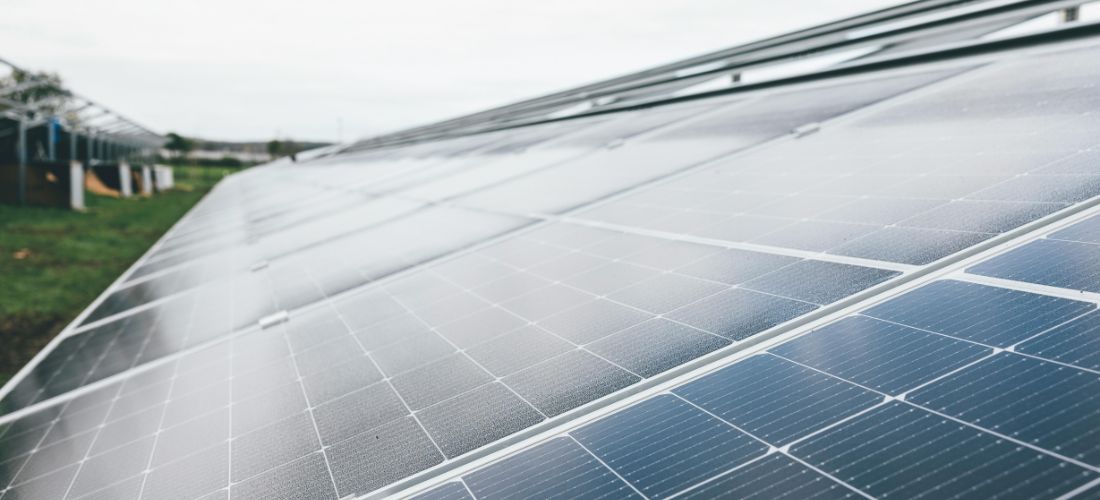
Bifacial solar panels are becoming a popular choice for homes, businesses, and large solar plants because they can generate electricity from both sides of the panel. Unlike traditional panels, these advanced panels capture sunlight from the front and also use reflected light from the ground at the back. This simple idea leads to better performance, higher efficiency, and better long-term value.
In this guide, you’ll learn everything important about bifacial solar panels-how they work, their price in India, benefits, limitations, and how they compare with bifacial solar modules monocrystalline and polycrystalline types. The goal is simple: help you make a clear and confident decision.
What Are Bifacial Solar Panels?
Bifacial solar panels are solar modules designed to produce power from both the front and rear sides. The front side works like a normal solar panel, absorbing direct sunlight. The back side captures reflected and scattered light from the surface below, such as concrete, white roofs, sand, or light-colored flooring.
This dual-side generation makes bifacial solar panels more efficient than traditional monofacial panels, which generate electricity only from one side.
What Are Bifacial Solar Cells?
Solar panels are made of small units called solar cells. In bifacial panels:
- Solar cells are active on both sides
- Light can pass through or reflect onto the rear side
- Electricity is generated from direct and reflected sunlight
In simple words, bifacial solar cells are like two solar cells placed back-to-back, working together to produce more power.
Bifacial Solar Panels vs Traditional Solar Panels
To understand why bifacial panels are special, let’s compare them with standard solar panels.
Key Differences at a Glance
| Aspect | Polycrystalline Solar Panels | Monocrystalline Solar Panels | Bifacial Solar Panels |
|---|---|---|---|
| Sunlight capture | Front side only | Front side only | Front + rear side |
| Cell type | Polycrystalline silicon | Monocrystalline silicon | Monocrystalline (mostly) |
| Efficiency range | 16–17% | 19–20% | Up to 22% |
| Power output | Standard | Higher than poly | Highest |
| Installation | Simple | Simple | Needs reflective surface |
| Cost | Lower | Medium | Slightly higher |
Important note: Prices and efficiency values are indicative and may change depending on brand, location, and market conditions.
How Do Bifacial Solar Panels Work?
The working of bifacial solar panels is easy to understand.
Front Side Power Generation
- Sunlight falls directly on the front surface
- Silicon cells absorb photons
- Electrons start moving, creating electric current
This is the same process used in monofacial solar panels.
Rear Side Power Generation
- Sunlight reflects from the ground or roof surface
- Reflected or diffused light reaches the back side
- Rear-side cells convert this light into extra electricity
Because of this extra input, bifacial solar panels generate 4–10% more energy compared to traditional panels. The exact gain depends on surface reflectivity and installation height.
Types of Bifacial Solar Panels
Bifacial solar panels can be classified in two main ways:
- Based on construction
- Based on cell technology
Let’s look at both in detail.
Types Based on Construction
1. Glass-Glass Bifacial Solar Panels
- Solar cells are sandwiched between two glass layers
- Stronger and more durable
- Better protection against moisture and heat
- Slightly heavier but longer lifespan
These are commonly used in commercial and utility-scale projects.
2. Glass-Backsheet Bifacial Solar Panels
- Front side has glass
- Back side uses a transparent polymer sheet
- Lighter in weight
- Slightly less durable than glass-glass panels
These are suitable for rooftops where weight matters.
3. Hybrid Bifacial Panels
- Mix of glass and polymer materials
- Balanced cost, durability, and performance
- Used when project needs flexibility
Types Based on Cell Technology
PERC (Passivated Emitter and Rear Cell)
- Most common bifacial technology
- Improved rear-side passivation
- Efficiency up to 22–22.5%
PERL (Passivated Emitter Rear Locally Diffused)
- Advanced rear contact design
- Higher efficiency than PERC
- Mostly used in research or premium systems
PERT (Passivated Emitter Rear Totally Diffused)
- Fully diffused rear surface
- Stable performance
- Used in large solar plants
HJT / HIT (Heterojunction Technology)
- Combines crystalline and thin-film silicon
- Very low temperature loss
- High efficiency even in hot climates
Bifacial Solar Modules: Monocrystalline and Polycrystalline
Most bifacial solar modules are made using monocrystalline cells because they allow light to pass more effectively to the rear side.
Bifacial Monocrystalline Solar Modules
- High purity silicon
- Better rear-side transparency
- Higher efficiency
- More common in the market
Bifacial Polycrystalline Solar Modules
- Less common
- Lower efficiency
- Limited availability
- Mostly replaced by monocrystalline bifacial modules
In practical use, bifacial solar modules monocrystalline are the preferred choice today.
Bifacial Solar Panels Price in India
The price of bifacial solar panels depends on:
- Panel wattage
- Technology (PERC, HJT, etc.)
- Brand and warranty
- DCR or non-DCR modules
Indicative Bifacial Solar Panel Price Table
| Panel Capacity | Approx Price per Watt* | Estimated Panel Cost* |
|---|---|---|
| 2 kW | ₹24 | ₹48,000 |
| 3 kW | ₹24 | ₹72,000 |
| 5 kW | ₹24 | ₹1,20,000 |
| 10 kW | ₹24 | ₹2,40,000 |
Disclaimer:
Total System Cost vs Panel Cost
Many people confuse panel price with system price. A complete solar system includes:
- Solar panels
- Inverter
- Mounting structure
- DC and AC wiring
- Earthing and safety devices
- Installation and service
Bifacial panels increase system output, but system cost depends on overall design.
Advantages of Bifacial Solar Panels
Bifacial solar panels offer several real-world benefits.
1. Higher Energy Generation
Because both sides work, energy output is higher than standard panels.
2. Better Performance in Low Light
They perform well during cloudy weather and early mornings.
3. Improved Return on Investment (ROI)
More energy generation means:
- Lower electricity bills
- Faster cost recovery
- Higher long-term savings
4. Long Lifespan
Glass-glass bifacial panels often last longer due to better protection.
5. Ideal for Open Areas
Perfect for rooftops, ground-mounted systems, and solar farms.
Limitations of Bifacial Solar Panels
While bifacial solar panels are powerful, they are not perfect.
1. Higher Initial Cost
They cost slightly more than monofacial panels.
2. Installation Needs Planning
For best results:
- Roof or ground should be reflective
- Panel height should allow rear-side light
3. Not Ideal for All Rooftops
Dark-colored or shaded rooftops may reduce rear-side benefits.
Installation Tips for Best Performance
To get the most out of bifacial solar panels:
- Use light-colored or reflective roofing
- Maintain proper spacing between panels
- Install at optimal height from surface
- Avoid shadows on both sides
Good installation planning makes a big difference.
Are Bifacial Solar Panels Worth It?
For many users, yes.
They are worth it if:
- You have space and reflective surfaces
- You want long-term savings
- You prefer higher efficiency over lower upfront cost
They may not be ideal if budget is very tight or space is limited.
Also Read : Solar Panel Technology
Government Subsidy on Bifacial Solar Panels
In India, bifacial panels are eligible for subsidy only if they meet DCR requirements and are part of an approved on-grid rooftop system.
Basic Eligibility Conditions
- Indian citizen
- Residential property
- Shadow-free rooftop
- Valid electricity connection
- DCR-compliant solar modules
Subsidy amount depends on system size and government scheme at the time of installation.
Who Should Choose Bifacial Solar Panels?
Bifacial solar panels are suitable for:
- Homeowners with open rooftops
- Commercial buildings
- Warehouses
- Factories
- Large solar power plants
They are especially useful where reflected light is available.
Maintenance and Durability
Bifacial solar panels require similar maintenance as standard panels:
- Regular cleaning
- Visual inspection
- Inverter monitoring
Glass-glass panels are more resistant to moisture and temperature changes, improving durability.
Future of Bifacial Solar Technology
The solar industry is moving toward:
- Higher efficiency
- Lower degradation
- Advanced bifacial designs
With falling prices and better awareness, bifacial solar panels are expected to become more common in the coming years.
FAQs
1. Are bifacial solar panels better than monocrystalline panels?
Yes. Bifacial solar panels are usually monocrystalline and offer higher efficiency because they generate power from both sides.
2. Can bifacial solar panels be used on rooftops?
Yes, but rooftops should be reflective or open for best results.
3. Do bifacial panels produce double power?
No. They produce around 4–10% more power, not double.
4. Are bifacial solar panels expensive?
They cost slightly more than standard panels, but the extra power often balances the cost over time.
5. What is the lifespan of bifacial solar panels?
Most bifacial panels come with 25–30 years performance warranty.
Final Thoughts
Bifacial solar panels are a smart upgrade in solar technology. They offer higher efficiency, better energy output, and improved long-term value. While the initial price may be slightly higher, the extra generation and durability often make them a solid investment.
If you have the right installation conditions and want maximum performance, bifacial solar panels, especially bifacial solar modules monocrystalline, are worth serious consideration.