
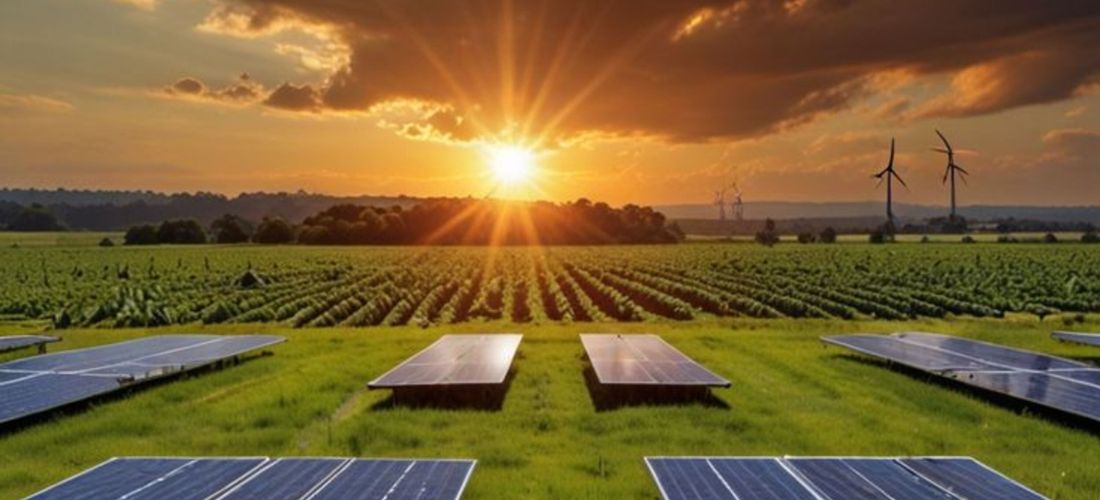
Renewable energy is becoming the backbone of the global power system in 2026. Countries are moving faster toward clean power to meet rising energy needs, reduce pollution, and protect the climate. From solar rooftops to large wind farms and energy storage, renewable energy trends are shaping how electricity is produced and used across the world.
India is playing a major role in this shift. With strong policies, falling costs, and new technologies, renewable energy is no longer just an alternative—it is becoming the first choice. To understand where things are heading, it is important to look at the types of renewable energy, how renewable energy is different from sustainable energy, and what major trends will define 2026 and the years ahead.
What Is Renewable Energy?
Renewable energy comes from natural sources that do not run out. These sources are naturally replenished and can be used again and again without causing long-term damage to the environment.
Unlike coal, oil, or gas, renewable energy sources produce very low carbon emissions. This makes them essential for fighting climate change and reducing air pollution.
Key features of renewable energy
- Comes from natural and unlimited sources
- Produces low or zero greenhouse gas emissions
- Reduces dependence on fossil fuels
- Supports long-term energy security
Renewable energy is now used to generate electricity, heat homes, power vehicles, and support industries.
Types of Renewable Energy
Understanding the types of renewable energy helps explain why clean power is growing so fast. Each type has its own role and benefits.
Solar Energy
Solar energy uses sunlight to produce electricity or heat. Solar panels convert sunlight into power using photovoltaic cells.
Common uses of solar energy include:
- Rooftop solar panels for homes and offices
- Large solar power plants
- Solar water heaters
- Solar-powered street lights
Solar energy is one of the fastest-growing renewable energy sources because sunlight is widely available and costs are falling every year.
Wind Energy
Wind energy uses moving air to generate electricity. Wind turbines convert wind power into electrical energy.
Wind energy is mainly used in:
- Onshore wind farms
- Offshore wind projects near coastlines
Wind power works best in open areas with strong and steady winds. It is clean, reliable, and scalable.
Hydropower
Hydropower uses flowing or falling water to produce electricity. It is one of the oldest forms of renewable energy.
Types of hydropower include:
- Large dams
- Small hydro projects
- Run-of-the-river systems
Hydropower provides stable power and supports grid balance, especially during peak demand.
Biomass and Bioenergy
Biomass energy comes from organic materials such as crop waste, wood, animal waste, and municipal waste.
Bioenergy is used for:
- Electricity generation
- Biogas for cooking
- Industrial heat
This type of renewable energy also supports waste management and rural income.
Geothermal Energy
Geothermal energy uses heat from inside the Earth. It is mainly used in regions with high underground heat activity.
Geothermal power is:
- Reliable and available 24/7
- Low in emissions
- Ideal for base-load power
Ocean Energy
Ocean energy includes tidal and wave power. These technologies are still developing but show strong potential for coastal regions.
Renewable Energy vs Sustainable Energy
Many people use these terms in the same way, but they are not exactly the same.
Renewable Energy
- Focuses on energy sources that do not run out
- Examples: solar, wind, hydro
- Concerned mainly with energy generation
Sustainable Energy
- Broader concept
- Includes renewable energy
- Also considers environmental, social, and economic impact
Sustainable energy looks at the full life cycle, including resource use, land impact, and long-term benefits for people and the planet.
Simple comparison table
| Aspect | Renewable Energy | Sustainable Energy |
|---|---|---|
| Meaning | Energy from natural, unlimited sources | Energy that meets present needs without harming the future |
| Scope | Narrow | Broad |
| Includes renewables | Yes | Yes |
| Focus | Clean power generation | Environment, society, and economy |
In short, all renewable energy is clean, but not all renewable energy is fully sustainable if it harms ecosystems or communities.
Why Renewable Energy Matters More in 2026
By 2026, global energy demand is rising faster than ever. Urban growth, electric vehicles, data centers, and digital services are increasing electricity use.
Renewable energy offers a clear solution because it is:
- Cleaner
- More affordable than before
- Locally available
- Supported by governments and investors
Many countries now see renewable energy as a strategic asset, not just an environmental choice.
Global Renewable Energy Trends in 2026
The global renewable energy market in 2026 is driven by innovation, policy support, and cost reduction. Several important trends are shaping the future.
Higher Efficiency in Solar and Wind Power
Solar panels and wind turbines are becoming more efficient every year. New materials and better designs allow more power generation from the same space.
Key improvements include:
- High-efficiency solar cells
- Larger wind turbine blades
- Better performance in low-light or low-wind conditions
These advancements make renewable energy competitive with fossil fuels even without subsidies.
Growth of Decentralized Energy Systems
Energy generation is no longer limited to large power plants. Decentralized systems allow power to be generated closer to where it is used.
Examples include:
- Rooftop solar systems
- Community solar projects
- Local microgrids
These systems reduce power losses, improve reliability, and support rural electrification.
Smart Grids and Digital Energy
Digital technology is changing how electricity flows through the grid. Smart grids use software and sensors to manage power in real time.
Benefits of smart grids include:
- Better demand forecasting
- Faster fault detection
- Lower energy losses
- Improved integration of renewable energy
Artificial intelligence and data analytics play a major role in this transformation.
Energy Storage as a Core Trend
Energy storage is essential for handling the variable nature of solar and wind power. In 2026, battery technology is advancing rapidly.
Major storage trends include:
- Large-scale battery energy storage systems
- Falling battery costs
- Longer battery life
- Improved safety
Energy storage helps ensure power supply even when the sun is not shining or the wind is not blowing.
Renewable Energy Trends in India 2026
India is one of the fastest-growing renewable energy markets in the world. With high energy demand and strong climate goals, renewable energy is central to India’s future.
India’s Renewable Energy Capacity Outlook
India has made significant progress in expanding renewable capacity. By the mid-2020s, renewables account for a large share of total installed power.
Key highlights:
- Strong growth in solar and wind power
- Expansion of hydro and bioenergy
- Focus on non-fossil fuel capacity
India aims to reach long-term climate goals while meeting the needs of a growing economy.
Solar Energy Leading the Growth
Solar energy continues to dominate renewable energy trends in India. Falling panel prices and government support have made solar power accessible across sectors.
Solar growth is driven by:
- Utility-scale solar parks
- Rooftop solar for homes and businesses
- Solar-powered irrigation and lighting
Solar energy also creates jobs in installation, maintenance, and manufacturing.
Wind Energy and Hybrid Projects
Wind energy remains a key part of India’s renewable mix. New projects focus on better turbine locations and hybrid systems.
Hybrid renewable systems combine:
- Solar power
- Wind power
- Energy storage
These systems provide more stable and reliable energy output.
Government Policies Supporting Clean Energy
Strong policy support is a major reason for renewable energy growth in India.
Key policy measures include:
- Renewable energy targets
- Competitive bidding and auctions
- Financial incentives
- Support for domestic manufacturing
These steps improve investor confidence and reduce project risks.
Clean Energy Trends Shaping 2026
Several clean energy trends are influencing how renewable energy is used and expanded.
Falling Costs of Renewable Power
The cost of renewable energy has dropped sharply over the past decade. By 2026, solar and wind power are among the cheapest sources of electricity.
Lower costs mean:
- More adoption by industries
- Affordable power for households
- Reduced energy bills over time
This makes renewable energy a practical choice, not just an environmental one.
Green Hydrogen as an Emerging Solution
Green hydrogen is produced using renewable energy and water. It is gaining attention as a clean fuel for sectors that are hard to electrify.
Uses of green hydrogen include:
- Steel and cement production
- Heavy transport
- Fertilizers
In 2026, green hydrogen is still developing but shows strong long-term potential.
Electric Vehicles Powered by Renewables
Electric vehicles are growing rapidly, and renewable energy is becoming a key power source for charging infrastructure.
This integration helps:
- Reduce oil dependence
- Lower transport emissions
- Balance electricity demand
Renewable-powered EV charging supports a cleaner transport system.
Bioenergy and Waste-to-Energy Growth
Bioenergy projects are helping manage waste while producing power.
Benefits include:
- Reduced landfill waste
- Additional income for farmers
- Local energy generation
These projects support a circular economy model.
Simple Table: Key Renewable Energy Trends in 2026
| Trend | What It Means for Users |
|---|---|
| Cheaper solar and wind | Lower electricity costs |
| Energy storage growth | More reliable power |
| Smart grids | Fewer power cuts |
| Hybrid projects | Stable renewable supply |
| Green hydrogen | Cleaner heavy industries |
Practical Tips for Businesses and Individuals
Renewable energy trends are not just for governments. Businesses and individuals can also benefit.
For homeowners
- Install rooftop solar if possible
- Use energy-efficient appliances
- Monitor power use with smart meters
For businesses
- Consider solar rooftops or open-access renewable power
- Invest in energy audits
- Plan for EV charging infrastructure
These steps reduce costs and improve sustainability.
The Road Ahead: Beyond 2026
The future of renewable energy looks strong beyond 2026. Technology, policy, and public awareness are moving in the same direction.
Key focus areas for the future include:
- Large-scale energy storage
- Grid modernization
- Clean fuels like green hydrogen
- Integration of renewable energy across sectors
India and other emerging economies will play a major role in shaping this future.
Final Thoughts
Renewable energy in 2026 is no longer a future idea-it is a present reality. With strong growth, better technology, and lower costs, renewable energy is transforming how the world powers homes, businesses, and transport. Renewable energy trends show a clear move toward cleaner, smarter, and more resilient energy systems.
As renewable energy continues to expand, it will play a critical role in building a stable, low-carbon future that supports both economic growth and environmental protection.
FAQs
1. What are the main renewable energy trends in 2026?
Ans – Major trends include cheaper solar and wind power, growth in energy storage, smart grids, hybrid systems, and green hydrogen development.
2. How is renewable energy different from sustainable energy?
Ans – Renewable energy focuses on clean power sources, while sustainable energy also considers social and economic impacts.
3. Which type of renewable energy is growing fastest?
Ans – Solar energy is currently the fastest-growing renewable energy source due to falling costs and wide availability.
4. Is renewable energy reliable?
Ans – With energy storage and smart grids, renewable energy is becoming more reliable and stable.
5. Why is renewable energy important for India?
Ans – Renewable energy helps India meet rising energy demand, reduce pollution, and achieve long-term climate goals.