
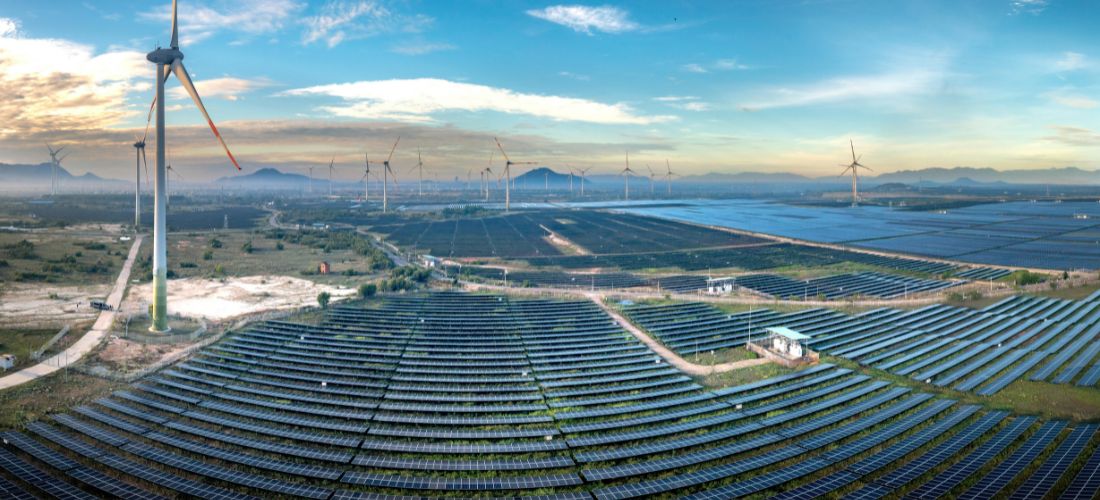
Renewable energy and sustainable energy are often used as the same thing, but they are not exactly alike. Renewable energy comes from natural sources that refill themselves, while sustainable energy focuses on using energy in a way that does not harm future generations. Understanding the difference helps people, businesses, and governments make better energy choices.
As climate change, rising power costs, and pollution become serious concerns, knowing how renewable energy and sustainable energy work and how they differ is more important than ever.
Introduction: Why People Confuse Renewable Energy and Sustainable Energy
Many articles, ads, and even policies use the terms renewable energy and sustainable energy interchangeably. This creates confusion. While they are closely related, they are not the same concept.
- Renewable energy is about where energy comes from
- Sustainable energy is about how energy is produced, used, and managed over time
Some renewable energy sources may not always be sustainable if they cause environmental damage or social harm. At the same time, all sustainable energy solutions aim to protect nature, people, and the economy in the long run.
Understanding this difference is the first step toward smarter energy decisions.
What Is Renewable Energy?
Renewable energy is energy generated from natural sources that are continuously replenished. These sources do not run out with use, unlike coal, oil, or natural gas.
Common renewable energy sources include:
- Sunlight
- Wind
- Water
- Organic waste
- Earth’s natural heat
These energy sources are considered renewable because nature replaces them faster than humans consume them.
Key Benefits of Renewable Energy
Renewable energy offers several clear advantages:
- Reduces dependence on fossil fuels
- Produces less air pollution
- Helps cut greenhouse gas emissions
- Supports energy security
- Creates local jobs
Because of these benefits, renewable energy plays a major role in global climate and energy policies.
Major Types of Renewable Energy
1. Solar Energy
Solar energy uses sunlight to produce electricity through solar panels. It can be installed on rooftops, open land, factories, farms, and even remote areas.
Key points:
- Works well in sunny regions
- Low maintenance after installation
- Suitable for homes, businesses, and agriculture
India has become one of the fastest-growing solar markets in the world due to abundant sunlight and supportive government policies.
2. Wind Energy
Wind energy converts moving air into electricity using wind turbines. Wind farms are commonly built in coastal areas, plains, and hill regions.
Key points:
- Clean and renewable
- Requires open land or offshore areas
- Generates power mainly when wind speeds are sufficient
3. Hydropower
Hydropower uses flowing water to generate electricity. It has been used for decades and provides steady power.
Key points:
- Reliable source of electricity
- Can support large power demands
- Environmental impact depends on project design
4. Biomass Energy
Biomass energy is produced from organic materials like crop waste, animal waste, and wood residues.
Key points:
- Helps manage agricultural waste
- Can provide power and heat
- Sustainability depends on responsible sourcing
5. Geothermal Energy
Geothermal energy uses heat from beneath the Earth’s surface.
Key points:
- Reliable and constant energy source
- Limited to specific locations
- Low emissions when managed properly
6. Tidal and Ocean Energy
Tidal energy uses ocean movements to generate electricity.
Key points:
- Highly predictable
- Still developing commercially
- High installation cost
What Is Sustainable Energy?
Sustainable energy is energy that meets current needs without harming the ability of future generations to meet their own needs. It balances three important factors:
- Environmental protection
- Social responsibility
- Economic viability
Sustainable energy focuses not just on clean sources but also on how energy systems impact people and ecosystems over time.
Core Principles of Sustainable Energy
Sustainable energy systems aim to:
- Reduce long-term environmental damage
- Ensure fair access to energy
- Support economic growth
- Use resources responsibly
- Promote efficiency and conservation
This means that even renewable energy must be planned and managed carefully to be truly sustainable.
Examples of Sustainable Energy Practices
Sustainable energy includes:
- Well-managed solar and wind projects
- Energy-efficient buildings
- Smart power grids
- Energy storage solutions
- Responsible hydropower development
- Clean cooking solutions
Energy efficiency is a major part of sustainability because the cleanest energy is the energy we do not waste.
Renewable Energy vs Sustainable Energy: Key Differences Explained
The easiest way to understand the difference is this:
- Renewable energy focuses on the source
- Sustainable energy focuses on the long-term impact
A renewable energy project can still cause harm if it:
- Destroys ecosystems
- Displaces communities
- Uses resources irresponsibly
Sustainable energy avoids these problems by considering environmental, social, and economic effects together.
Renewable Energy vs Sustainable Energy: Comparison Table
| Aspect | Renewable Energy | Sustainable Energy |
|---|---|---|
| Definition | Energy from naturally replenishing sources | Energy that supports long-term environmental and social well-being |
| Focus | Energy source | Long-term impact and responsible use |
| Environmental impact | Low emissions, but not always eco-friendly | Designed to minimize harm |
| Long-term vision | Source availability | Future generations’ needs |
| Includes efficiency | Not always | Yes |
| Social impact | Limited focus | Strong focus |
| Key idea | Nature refills the source | People and planet are protected |
Is All Renewable Energy Sustainable?
No. This is one of the most misunderstood points.
While renewable energy sources refill naturally, they are not automatically sustainable.
For example:
- Poorly managed biomass can cause deforestation
- Large hydropower projects can disrupt ecosystems
- Improper solar waste disposal can harm the environment
Sustainability depends on how renewable energy is planned, built, and operated.
Why Sustainable Energy Matters More Than Ever
Climate Change and Environmental Protection
The planet has warmed significantly due to fossil fuel use. Rising temperatures have led to:
- Melting glaciers
- Sea level rise
- Extreme weather events
Sustainable energy helps reduce carbon emissions and protects ecosystems.
Energy Security and Economic Stability
Sustainable energy:
- Reduces dependence on imported fuels
- Protects countries from fuel price shocks
- Encourages local energy production
This strengthens national energy security.
Health and Social Benefits
Cleaner energy leads to:
- Better air quality
- Fewer respiratory diseases
- Improved quality of life
Sustainable energy also supports rural development and job creation.
Renewable and Sustainable Energy in India
India is actively expanding both renewable energy and sustainable energy systems.
Key national goals include:
- Increasing non-fossil fuel power capacity
- Reducing emissions intensity
- Improving energy access
Solar rooftops, wind farms, green hydrogen, and energy efficiency programs are helping move the country forward.
The Role of Energy Efficiency in Sustainability
Energy efficiency means using less energy to perform the same task.
Examples include:
- LED lighting
- Efficient appliances
- Better insulation
- Smart energy management
Efficiency reduces energy demand and supports both renewable and sustainable energy goals.
Future of Renewable and Sustainable Energy
The future energy system will likely include:
- More renewable power
- Better storage solutions
- Smarter grids
- Stronger sustainability standards
Countries that invest early in sustainable energy systems will gain economic and environmental advantages.
Renewable Energy vs Sustainable Energy: Which One Should We Focus On?
The answer is both, but with clarity.
- Renewable energy provides clean sources
- Sustainable energy ensures those sources are used responsibly
Renewable energy without sustainability can create new problems. Sustainability ensures renewable energy truly benefits people and the planet.
Conclusion
Renewable energy and sustainable energy are closely connected but not identical. Renewable energy focuses on nature’s ability to refill resources, while sustainable energy looks at the bigger picture — protecting the environment, supporting communities, and ensuring long-term stability.
Choosing sustainable energy means choosing smarter systems, cleaner air, stable economies, and a healthier planet for future generations.
Frequently Asked Questions
1. Is renewable energy the same as sustainable energy?
No. Renewable energy refers to energy sources, while sustainable energy focuses on long-term impact and responsible use.
2. Can sustainable energy include non-renewable sources?
In some cases, yes – if they meet strict environmental and social standards.
3. What are examples of renewable energy?
Solar, wind, hydro, biomass, geothermal, and tidal energy.
4. What are examples of sustainable energy?
Solar power, wind power, energy efficiency, smart grids, and clean cooking solutions.
5. What is dirty energy?
Dirty energy usually refers to fossil fuels like coal and oil that produce high pollution and greenhouse gas emissions.