
Solar Panel Roof Cost: What Your Roof Type Adds to the Quote
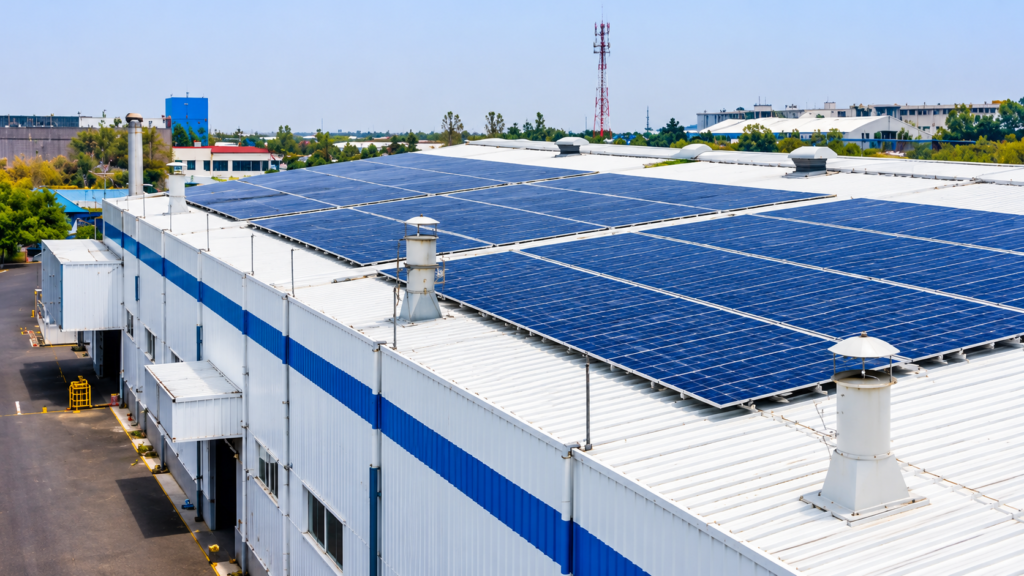
Short answer: Your roof changes solar panel roof cost through five items: mounting structure, fixing method, roof preparation, access and cable routing. Published installer rates put the structure line alone at about ₹6,000 to ₹8,000 per kW on RCC, ₹12,000 to ₹16,000 on an 8 ft elevated frame, and ₹4,000 to ₹5,500 on tin sheds. Picture two buildings that both want 10 kW of solar. One is a flat RCC terrace in Greater Noida. The other is a corrugated-sheet workshop a few kilometres away. The panels and inverter are identical, yet the quotes come back with different structure lines, different prep work and very different “extras”. This guide covers that gap, for panels mounted on existing roofs. If you are thinking of panels that replace the roof itself, read our solar in-roof system guide instead. System-size pricing and subsidy maths already have their own guides on solar panel installation cost in India and solar panel cost per watt. Here we stay on the roof. Which Parts of Solar Panel Roof Cost Depend on the Roof Panels and inverters cost the same whatever sits beneath them. Five items do not: Mounting structure: Material, height and number of fixing points. Fixing method: Bolts, clamps, ballast or hooks, each with its own labour. Roof preparation: Repairs, waterproofing, strengthening or sheet replacement. Access and safety: Hoisting, scaffolding, lifelines and edge protection. Cable routing: The run from roof to inverter and meter. A good quote lists these separately. If they are rolled into one lump sum, ask for a breakdown. RCC Roofs A flat RCC terrace is the easiest roof to price, which is why most quotes are built around it. Three things still move the number. For a wider look at frame types, see our guide to solar panel structures. Fixing and sealing. An RCC roof solar structure is either bolted into the slab on small pedestals or held down with ballast. Every bolted fixing is a hole in your waterproofing layer. Ask how each base will be sealed and who comes back if seepage shows up after the first monsoon. Height. A standard low frame is the cheapest option. Raising it so the terrace stays usable underneath costs more. On a 10 kW system, the structure line comes to roughly ₹60,000 to ₹80,000 for a standard frame versus ₹1.2 to ₹1.6 lakh for an elevated one, using the rates above. These are one vendor’s reference points, not a quote. Roof condition. Cracked screed, patched waterproofing or a history of leaks should be fixed before the frame goes on. Repairing afterwards means lifting panels. Also check parapet height and the shadow from water tanks and stairwell rooms, since they decide how much of the terrace you can actually use. Metal-Sheet Roofs and Tin Sheds Solar panel installation on a metal roof looks cheaper on paper, and the structure line often is. Tin shed solar structure cost sits at about ₹4,000 to ₹5,500 per kW in the same installer’s list, and another of its price lists puts tin or metal roofs at ₹3,500 to ₹6,000 per kW. The savings can disappear elsewhere. Our structure guide explains how shed mounts work. Here is what they do to the bill. The sheet is not the support. The load travels into the purlins and rafters beneath the sheet. Confirming that the roof can take the load is a site check, not a desk assumption. If the members are old or widely spaced, strengthening becomes the real cost. The profile decides the fixing. Standing-seam roofs use clamps that grip the seam, while trapezoidal sheets take their own clamp types. Screws, blind rivets and adhesive are also used as anchoring methods on trapezoidal roofs. Each hole needs sealing, so a roof already corroding or leaking needs attention first. Tilt is mostly fixed. On a tin shed the panels largely take the angle of the roof, with little room to adjust. A shed facing the wrong way can lose output that a tilted RCC frame would not. Heat costs generation. Too little gap between module and sheet makes panels run hotter and generate less. A slightly taller frame costs more but earns it back. Corrosion protection matters. One EPC guide cites a minimum of 80 microns of hot-dip galvanising for outdoor structures under IS 4759. A low quote sometimes hides a thin coating. Sloped Roofs Sloped roofs split into two situations. If the slope faces south or close to it, panels can sit almost flush and the frame stays simple. If it faces north, or the slopes face east and west, you pay for a tilted frame on a pitched surface and often get less generation for it. Flush mounting still needs an air gap behind the modules, the same heat rule as on sheds. Clay-tile roofs add their own cost. Fixings usually reach under the tiles to the rafters, so installers may budget for cutting tiles and replacing any that crack. Old tile-and-timber roofs need a structural look first, because the rafters carry the load. One installer guide advises against panels on wooden or thatched roofs altogether, suggesting a separate metal shed or a ground-mounted array instead. Industrial Rooftops Large roofs are where site specifics start to outweigh averages. KLK’s 1 MW guide already lists roof strengthening, safety and cable routing as extra cost drivers. On a factory roof each deserves its own line. Structural capacity: Steel trusses and PEB roofs are designed for the building, not for an added array. A load check by a structural engineer should come before design. Old sheeting: Asbestos-cement and aged fibre sheets are brittle and may crack underfoot. Many installers want them replaced, or an independent support frame built, before solar goes on. Ask for a written recommendation. Fragile zones and safety: Skylights, walkways, guard rails and lifelines add cost on larger roofs. Hoisting and cable runs: Hundreds of panels may need a crane