
1 Megawatt Solar Panel Cost in India: Complete 2026 Guide
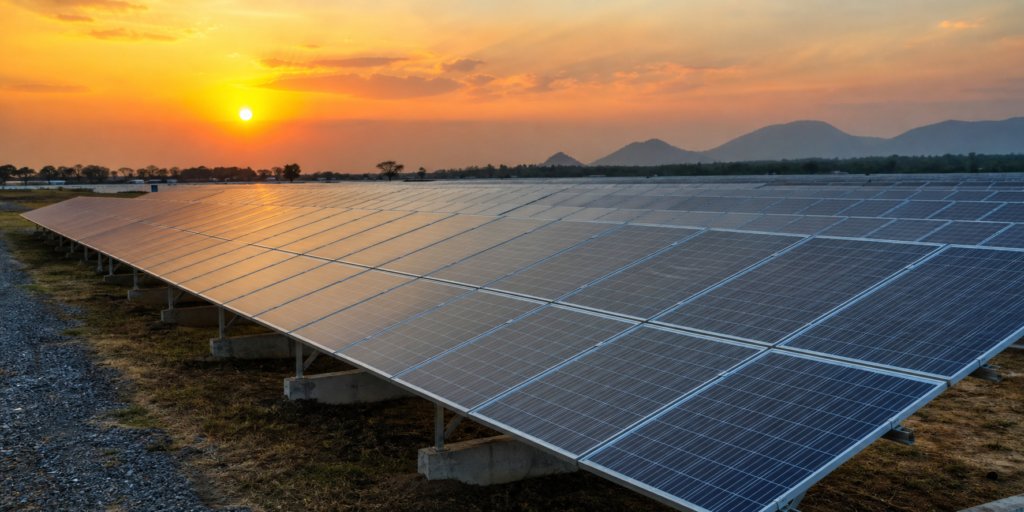
The 1 megawatt solar panel cost in India is not one fixed number. Published 2026 estimates for a complete 1 MW plant mostly fall between ₹3 crore and ₹5 crore, excluding land, depending on whether the plant is rooftop or ground-mounted and which equipment is specified. These are market estimates from industry voices, not official benchmarks and not a KLK Ventures quotation. The final price depends on site conditions, design, scope and procurement terms. This guide explains what shapes the 1 megawatt solar panel cost, so you can read any proposal with confidence. For smaller systems, see our commercial solar panel cost guide and per-watt pricing explainer. What Is the Cost of a 1 Megawatt Solar Power Plant in India? Quotations often blur four different things. Module cost is the price of panels alone, usually quoted per watt-peak (Wp). Complete plant cost adds inverters, structures, cabling, electrical equipment and installation. Turnkey EPC cost bundles design, procurement and construction under one contract. Off-grid systems add batteries, so they are not comparable with grid-connected plants. When buyers ask about the 1 megawatt solar panel cost, they usually want the installed, grid-connected figure. Source Project type Estimate for 1 MW Soleos Energy executive, Mercom India (2026) Behind-the-meter rooftop About ₹3 crore Installers quoted by Mercom India (date not stated) Rooftop ₹3.5–₹4.5 crore Credence Solar guide (October 2026) Ground-mounted, excluding land ₹3.5–₹4 crore; ₹4.3–₹5 crore with DCR modules Treat the table as a range of opinions, not a price list. The figures come from different dates, different scopes and different sources, and none of them replaces a quotation based on your drawings and load data. Older government benchmark costs were designed for subsidy calculations, mainly residential rooftops, and should not be read as current commercial prices. 1 Megawatt Solar Panel Cost Breakdown Every 1 megawatt solar panel cost estimate bundles several components. Vendor guides suggest modules and inverters together make up roughly half to 60% of project cost, which means the remaining balance sits in structures, electrical work, installation and project-specific items that buyers often overlook. Solar modules: the largest line item, driven by wattage, technology and domestic-content status. Inverters: string or central units, sized to the DC capacity. Mounting structures: roof-specific or ground-based. DC and AC cables: including earthing and protection. Transformers and electrical equipment: switchgear, metering and monitoring. Civil works and installation: foundations, labour and safety arrangements. Grid connectivity and evacuation: lines, metering and utility interface. EPC services: engineering, procurement, supervision and commissioning. Taxes, approvals, land and other expenses: project-specific. Not every quotation includes all these items. Land, evacuation lines, utility charges and approvals are most often excluded, so request an itemised scope. Factors That Affect the Cost of a 1 MW Solar Plant Module technology and specification, equipment brand and warranty terms all move the price. Location matters through land cost, terrain, soil conditions and distance to the grid connection point. On rooftops, structural strength, roof type, shading and access add complexity. System design, such as DC-to-AC ratio and inverter choice, changes equipment quantities. Procurement terms, including payment milestones, price validity and whether domestically manufactured modules are required, can shift quotations noticeably. Scale helps too: fixed engineering and approval costs are spread across more watts, which is why the 1 megawatt solar panel cost per watt is often lower than the rate quoted for a 50 kW system. Timing matters as well, because module and inverter prices change, so a quotation without a stated validity period deserves a follow-up question. Rooftop vs Ground-Mounted Solar Plant Cost Keep the two configurations separate when comparing any 1 megawatt solar panel cost, because rooftop and ground-mounted projects carry different risks, approvals and extra expenses. Aspect Rooftop Ground-mounted Space Roughly 1,00,000 sq ft of shadow-free roof (rule of thumb) About 4–5 acres, depending on layout Cost evidence above About ₹3–₹4.5 crore About ₹3.5–₹5 crore, excluding land Extra cost drivers Roof strengthening, safety, cable routing Land, fencing, foundations, evacuation Typical fit Factories and warehouses with large roofs Sites with spare land or open-access plans How Much Electricity Can a 1 MW Solar Plant Generate? Generation depends on solar irradiation, location, system losses, shading, equipment quality, availability and plant design. Installers cited by Mercom India report roughly 1.2 to 1.7 million units a year under ideal conditions. As an illustrative calculation only, 1.4 million units a year equals about 3,836 units a day (1,400,000 ÷ 365). Your site-specific energy yield assessment should replace this assumption. Ask any bidder to state the irradiation data, loss factors and degradation rate behind its generation figure, because a higher promised output with no assumptions attached is a warning sign rather than a selling point. Return on Investment and Payback Period Simple payback = project cost ÷ net annual savings. Net annual savings = (units generated and used × tariff avoided) + export compensation − operating expenses. Refine this with self-consumption, financing cost and annual module degradation. Mercom India quotes one executive placing operations and maintenance at ₹4–5 lakh per MW annually. Hypothetical example: ₹3.5 crore project cost, 1.4 million units used on site, ₹7 per unit avoided, ₹4.5 lakh annual O&M. Savings are about ₹98 lakh minus ₹4.5 lakh, or ₹93.5 lakh a year, giving a simple payback near 3.7 years. These numbers are assumptions, not a promised outcome. A plant that exports surplus power, or a factory that runs only one shift, will see a different result, so the 1 megawatt solar panel cost should always be tested against your own consumption pattern and tariff slab before you commit capital. How to Choose a Solar EPC Company Compare scope line by line, including what each bidder excludes. Check module and inverter specifications, warranties and compliance documents. Ask for a generation estimate with stated assumptions. Review installation quality standards, testing and commissioning procedures. Verify that the contractor has delivered comparable megawatt-scale projects and can share verifiable references. Confirm monitoring arrangements and solar maintenance services after handover. Frequently Asked Questions What is