
Solar Panel Installation: A Complete Guide for Indian Homes and Businesses
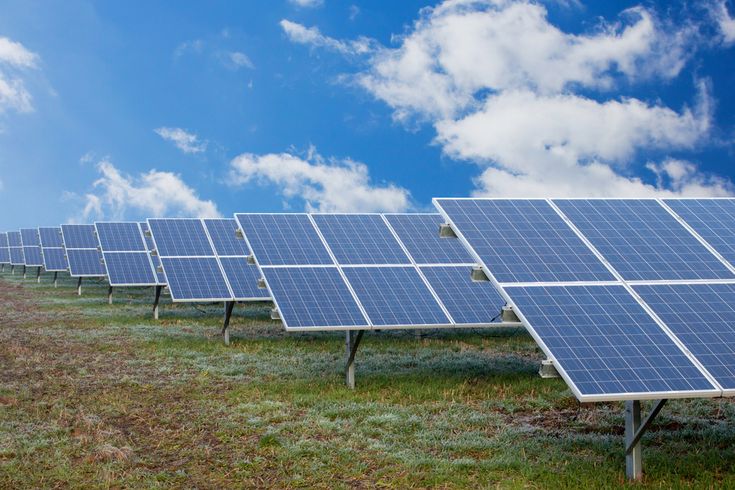
Your electricity bill isn’t going to get smaller on its own. Tariffs are rising almost every year, and every unit you pull from the grid costs a little more than it did last summer. Solar panel installation is one of the few home upgrades that actually pays you back—month after month, for the next 25 years. But the difference between a solar system that quietly cuts your bills for two decades and one that underperforms within a year comes down to exactly one thing: how it’s installed. At KLK Ventures, we’ve spent over 30 years building things that last—starting as K.L. Khanna Gears Industries, manufacturing heavy industrial gears, and evolving into one of the trusted solar companies in India. This guide walks you through exactly what a proper installation looks like, so you know what to expect and what to demand from your installer. What Solar Panel Installation Actually Involves Installation isn’t simply about bolting panels to the roof and walking away. A professional solar installation includes: Site assessment Structural engineering Panel mounting Inverter integration Electrical wiring Safety testing Grid or battery connection Skipping any one of these steps can reduce system performance—or even damage your roof. A reliable solar power company in India manages every stage under one roof, ensuring nothing falls through the cracks. The Solar Panel Installation Process (Step by Step) 1. Site Survey and Load Assessment An engineer evaluates: Roof strength Shadow-free installation area Previous 12 months of electricity bills This determines the correct system size. If the sizing is wrong, the entire system suffers. 2. System Design The installer designs your system based on: Number of solar panels Inverter capacity Wiring layout Mounting angle Regional sunlight conditions Every design should be customized for your property—not copied from another installation. 3. Approvals and Net Metering Your installer submits the required applications to your local DISCOM for net metering. This allows surplus electricity generated by your solar system to be exported to the grid, earning energy credits. 4. Mounting and Wiring The installation team: Mounts panels at the optimal tilt angle Installs the inverter Completes code-compliant electrical wiring Proper installation during this stage has the biggest impact on long-term performance. 5. Testing and Commissioning Before activation, the system undergoes: Electrical safety testing Performance verification Final commissioning This ensures the system is not just installed—but installed correctly. 6. Maintenance That Protects Performance Dust accumulation alone can reduce solar efficiency by 15–25%. To maintain optimal performance: Clean panels every 15–20 days Schedule one professional inspection annually Small maintenance habits protect a long-term investment. Why Your Installer Matters More Than the Solar Panel Brand Many solar problems begin with poor installation rather than poor equipment. An experienced solar company in India provides: System sizing based on actual electricity consumption Certified components with manufacturer warranties Compliance with electrical and safety regulations Accurate net metering documentation Reliable long-term after-sales support Choose an installer that will still support your system years after installation. Choose the Right Solar System System Type Best For Battery Required On-Grid Urban homes with reliable grid supply No Off-Grid Remote areas with frequent power cuts Yes Hybrid Homes needing backup power and bill savings Yes Explore KLK Ventures’ on-grid and off-grid solutions to determine the best option for your property. Solar Installation Cost and Return on Investment The total installation cost depends on: System capacity Solar panel quality Roof structure Battery requirements Government subsidy programs under the Ministry of New and Renewable Energy (MNRE) can significantly reduce the upfront investment. For a detailed cost breakdown, refer to our guide on Solar Panel Installation Cost in India, including expected payback periods for different household sizes. The Bottom Line A solar system is only as good as the people who install it. Every shortcut taken during installation eventually appears as: Lower electricity savings Reduced panel lifespan Roof damage Increased maintenance costs Carry out a proper load assessment, choose certified components, and partner with a trusted solar power company in India that provides long-term support—not just installation. Ready to switch to solar? Talk to KLK Ventures for a professional site assessment and a solar solution designed around the way you actually use electricity. Frequently Asked Questions 1. How long does solar panel installation take? A typical residential installation takes 3–7 days once approvals are in place, depending on system size and roof complexity. 2. Do I need government approval to install solar panels? Yes. Grid-connected systems require net metering approval from your local electricity distribution company (DISCOM). 3. What roof type is best for solar panels? Flat concrete (RCC) roofs are the easiest to work with, but sloped and metal roofs can also be fitted using the right mounting structures. 4. Can solar panels be installed on old buildings? Yes, as long as a structural inspection confirms the roof can safely bear the added load. Page 2 of 35 5. How much maintenance does a solar system need after installation? Very little — cleaning every 15–20 days plus one annual inspection is usually enough to keep output steady. 6. Is it better to go with a local solar company in India or an international brand? A local, established solar company in India usually means faster service response, simpler warranty claims, and installers who already know the local grid and subsidy rules inside out.