
What Is a Hydroelectric Power Plant? Types, Working & Benefits
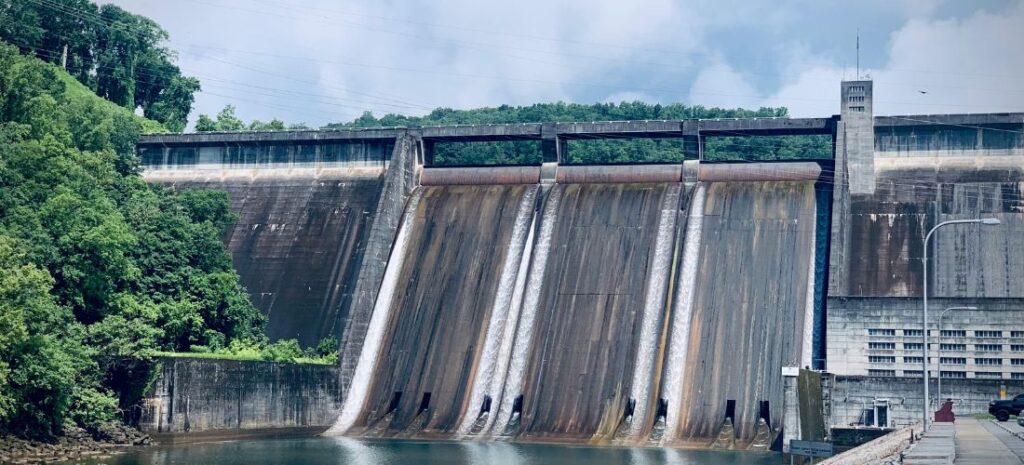
Water has been used for centuries to do useful work, from turning old wooden mills to producing electricity for modern cities. Today, a hydroelectric generating plant plays a major role in producing clean and renewable energy across the world. These plants use the force of flowing or falling water to generate electricity without burning fossil fuels. A hydroelectric power plant is one of the most reliable renewable energy systems because it can generate large amounts of electricity with low pollution. Countries like China, India, Brazil, Canada, and the United States use hydroelectric plants to meet growing electricity demand while reducing carbon emissions. According to the International Energy Agency (IEA), hydropower still produces around 15–16% of the world’s electricity, making it the largest source of renewable electricity globally. In this guide, you’ll learn how hydroelectric plants work, their major types, advantages, limitations, components, costs, and why they are important for the future of clean energy. What Is a Hydroelectric Power Plant? A hydroelectric power plant is a facility that converts the energy of moving water into electrical energy. It uses water stored in dams, rivers, or reservoirs to spin turbines connected to generators. The process is simple: Water flows through turbines Turbines rotate due to water pressure Generators convert this movement into electricity Electricity is sent through transmission lines to homes and industries This system is considered renewable because water is naturally replenished through the water cycle. Hydroelectric plants are also known as: Hydroelectric power station Hydrogeneration plant Hydroenergy plants Power plant hydroelectric systems Hydroelectric energy plant facilities Even though the names differ, the working principle remains the same. Quick Overview of Hydroelectric Power Plants Feature Details Energy Source Flowing or falling water Type of Energy Renewable energy Main Components Dam, turbine, generator, penstock Fuel Required No fossil fuel needed Pollution Level Very low Efficiency Around 85–95% Lifespan 50–100+ years Main Use Electricity generation Common Locations Rivers, dams, mountainous areas History of Hydroelectric Power The use of water energy is not new. Ancient civilizations used water wheels for grinding grains and irrigation. The first modern hydroelectric energy power plant was built in the late 19th century. Some important milestones include: 1878: First hydroelectric project demonstrated in England 1882: First commercial hydroelectric plant built in Wisconsin, USA 1902: Large hydro projects started growing worldwide Modern Era: Mega dams now generate thousands of megawatts India also has a long history of hydropower development. States like Himachal Pradesh, Uttarakhand, Kerala, and Sikkim have many hydroelectric plants because of their rivers and hilly terrain. How Does a Hydroelectric Power Plant Work? The working process of a hydroelectric generating plant is based on converting water energy into mechanical energy and then into electrical energy. Let’s understand it step by step. 1. Water Storage in Reservoir Most hydropower plants use a dam to store water in a reservoir. The stored water contains potential energy because of its height. The higher the water level, the greater the energy available. 2. Water Flows Through Penstock When electricity is needed, gates open and water flows through a large pipe called a penstock. The fast-moving water creates pressure as it moves downward. 3. Turbine Rotation The water strikes turbine blades and makes them spin rapidly. This converts water energy into mechanical energy. Different turbines are used depending on water pressure and flow speed. 4. Electricity Generation The turbine is connected to a generator. As the turbine spins, magnets inside the generator rotate and create electricity through electromagnetic induction. This is the core process inside every hydel power station. 5. Voltage Transformation The electricity produced is sent to transformers. Transformers increase voltage so electricity can travel long distances efficiently. 6. Transmission to Grid Finally, electricity moves through transmission lines to homes, offices, factories, and industries. The used water then returns to the river downstream. Main Components of a Hydroelectric Plant Understanding the parts of a hydroelectric plant helps explain how the entire system operates smoothly. Component Function Dam Stores water Reservoir Holds water at height Intake Gate Controls water flow Penstock Carries water to turbine Turbine Converts water energy into rotation Generator Produces electricity Transformer Increases voltage Powerhouse Contains turbines and generators Tailrace Returns water to river Types of Hydroelectric Power Plants Different hydroelectric plants are designed based on geography, water availability, and electricity demand. 1. Impoundment Hydroelectric Plant This is the most common type of hydroelectric energy plant. It uses a large dam to store water in a reservoir. How It Works Water is stored behind the dam Water is released through turbines Electricity is generated as turbines spin Advantages Large electricity production Water storage capability Flood control benefits Disadvantages Expensive construction Environmental impact on nearby ecosystems Example The Three Gorges Dam in China is one of the world’s largest hydroelectric plants. 2. Run-of-River Hydroelectric Plant This type uses the natural flow of rivers without large reservoirs. How It Works River water is diverted through turbines Water returns back to river flow Advantages Lower environmental impact Less land flooding Disadvantages Electricity generation depends on river flow Lower power generation during dry seasons This type is becoming popular in environmentally sensitive areas. 3. Pumped Storage Hydroelectric Plant A pumped storage hydroelectric generation plant works like a giant battery. How It Works Water is pumped uphill during low demand During high demand, water flows back down through turbines Advantages Stores excess electricity Supports grid stability Disadvantages High setup cost Requires suitable terrain These systems are useful for balancing solar and wind energy fluctuations. Read More: solar-power plant 4. Micro and Mini Hydroelectric Plants These are small-scale hydroelectric power plants designed for villages, farms, or remote areas. Features Small electricity output Lower construction costs Minimal environmental impact Many remote Himalayan villages use mini hydel power stations for local electricity supply. Types of Turbines Used in Hydroelectric Plants Different turbines are selected based on water pressure and flow conditions. Turbine Type Best For Pelton Turbine High head, low flow Francis Turbine Medium head Kaplan Turbine Low head, high flow Each turbine design improves efficiency under