
How Much Electricity Does an Air Conditioner Use?
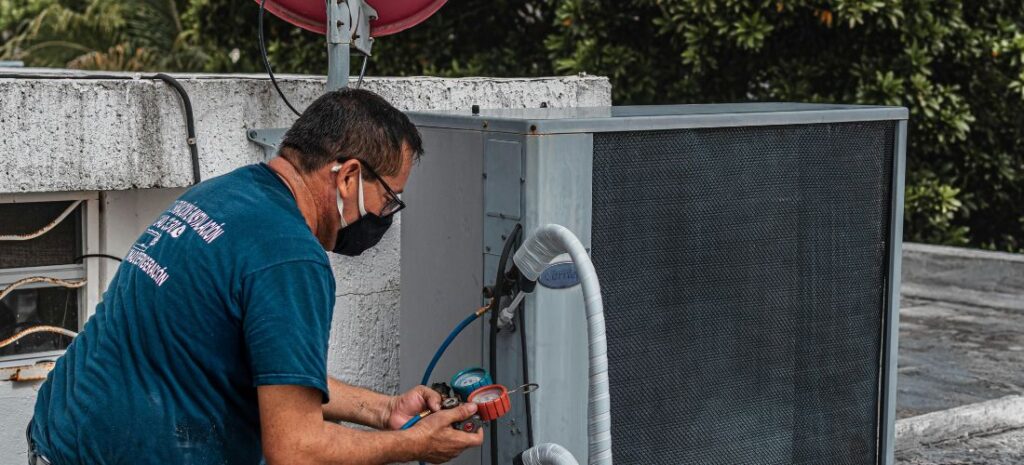
Air conditioners are now a basic need in many homes, especially during hot summer months. But one question that most people ask before buying or using an AC regularly is: how much electricity does an air conditioner use? Understanding the wattage of AC units helps you manage your electricity bill, choose the right appliance, and avoid unnecessary power consumption. Whether you use a window AC, split AC, or central cooling system, knowing the air conditioner watt usage can save money in the long run. In this guide, we’ll explain everything in simple words — from AC wattage and power consumption to calculation methods and practical energy-saving tips. What Is AC Wattage? The term wattage of AC means the amount of electricity an air conditioner uses while running. It is measured in watts (W) or kilowatts (kW). For example: A small window AC may use around 800 to 1200 watts A 1.5-ton split AC may consume around 1400 to 2200 watts A large central AC system may use over 3000 watts The actual air conditioner watt consumption depends on: AC type Ton capacity Energy efficiency rating Room size Temperature settings Usage hours Simply put, the higher the cooling capacity, the higher the electricity usage. Average Wattage of Different AC Types Here’s a simple table showing the estimated aircon wattage for different air conditioner types. AC Type Capacity Average Wattage Window AC 1 Ton 900 – 1200 Watts Window AC 1.5 Ton 1400 – 1800 Watts Split AC 1 Ton 1000 – 1500 Watts Split AC 1.5 Ton 1400 – 2200 Watts Inverter Split AC 1.5 Ton 1200 – 1800 Watts Portable AC Small Room 700 – 1200 Watts Central AC Whole House 3000 – 5000 Watts These numbers are average estimates. Actual electricity usage can vary depending on brand, weather, maintenance, and daily usage habits. Read More: types of solar panels Air Conditioner Kitne Watt Ka Hota Hai? Many people in India search for “air conditioner kitne watt ka hota hai” before buying an AC. The answer depends mainly on tonnage and technology. Here’s a quick breakdown: AC Capacity Approximate Watt Usage 0.8 Ton AC 700 – 900 Watts 1 Ton AC 900 – 1200 Watts 1.5 Ton AC 1400 – 2200 Watts 2 Ton AC 2000 – 3000 Watts An inverter AC generally consumes less electricity compared to a non-inverter AC because it adjusts compressor speed automatically. For example: Normal 1.5-ton AC → around 1800–2200 watts Inverter 1.5-ton AC → around 1200–1700 watts That difference can reduce your monthly electricity bill significantly. What Is the Difference Between Watts and kWh? Many people confuse watts with electricity bill units. Here’s the simple difference: Term Meaning Watts (W) Instant power usage Kilowatt-hour (kWh) Electricity consumed over time 1 unit on your electricity bill = 1 kWh. Example: If your AC uses 1500 watts and runs for 8 hours: 1500 × 8 = 12,000 watt-hours 12,000 ÷ 1000 = 12 kWh (12 units) So your AC consumes 12 electricity units daily. How to Calculate Air Conditioner Watt Usage You can calculate air conditioner watt usage using this simple formula: Formula Power Consumption (kWh) = Wattage × Hours Used ÷ 1000 Example Suppose your split AC uses 1600 watts. If you run it for 10 hours daily: 1600 × 10 = 16,000 16,000 ÷ 1000 = 16 kWh That means your AC uses: 16 units daily Around 480 units monthly Now multiply by your electricity rate. If electricity cost is ₹8 per unit: 480 × ₹8 = ₹3840 monthly This gives you a rough idea of your AC operating cost. Factors That Affect AC Watt Consumption The AC watt consumption is not fixed. Many factors affect how much electricity your air conditioner actually uses. 1. AC Size Bigger AC units consume more power. Example: 1-ton AC → lower electricity use 2-ton AC → higher electricity use Choosing the wrong size can waste electricity. 2. Inverter vs Non-Inverter Inverter ACs save more energy because they adjust cooling automatically. Non-inverter ACs repeatedly switch on and off, consuming extra electricity. In many homes, inverter models reduce energy bills by 20–40%. 3. Temperature Setting Lower temperatures increase power usage. Approximate comparison: Temperature Setting Power Usage 18°C Very High 22°C High 24°C Balanced 26°C Energy Efficient Experts usually recommend 24°C for comfort and efficiency. 4. Room Size Using a small AC in a large room forces the compressor to run continuously. This increases: Electricity usage Wear and tear Cooling time Always choose the right tonnage based on room size. 5. Weather Conditions During peak summer: AC compressors work harder Electricity usage increases Humidity also affects performance. Hot cities naturally increase air conditioner watt consumption. 6. Maintenance Condition Dirty filters and clogged coils reduce cooling efficiency. As a result: AC runs longer Power consumption rises Cooling performance drops Regular servicing helps maintain lower electricity usage. Read More: 100 watt solar panel price in india Running Watts vs Starting Watts Another important concept is understanding starting watts and running watts. Running Watts This is the normal electricity used while the AC is operating continuously. Example: Split AC running wattage → 1600 watts Starting Watts When the compressor starts, it requires extra power for a few seconds. This surge can be: 2–3 times higher than normal wattage Example: Running watts → 1600W Starting watts → 3500W This is why generators and inverters need higher capacity support. How Much Electricity Does a 1.5 Ton AC Use? A 1.5-ton AC is the most common household option in India. Average air conditioner watt usage for a 1.5-ton unit: AC Type Watt Usage Non-Inverter AC 1700 – 2300 Watts Inverter AC 1200 – 1800 Watts If used for 8–10 hours daily: Monthly consumption can reach 300–500 units Depending on weather and settings This is why choosing an energy-efficient model matters. AC Star Rating and Electricity Consumption The BEE star rating in India shows how energy efficient an AC is. Higher stars mean lower electricity use. Star Rating Electricity Consumption 1 Star Highest 3 Star Moderate
Understanding Solar Panel Wattage, Output & Ratings
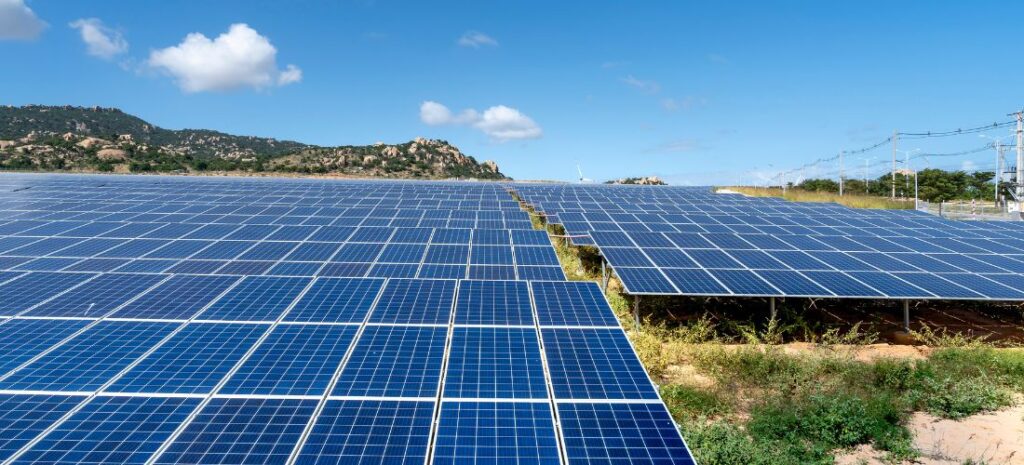
When people start researching solar energy, one of the first things they notice is the number written on a panel; 400W, 550W, 600W, and so on. This number is called solar panel wattage, and it plays a major role in deciding how much electricity a solar system can generate. Understanding solar panel wattage, solar panel ratings, and real-world output helps homeowners and businesses make smarter decisions before investing in solar energy. But here’s something important many people don’t realize: a panel’s rated watts and its actual electricity production are not always the same thing. Weather, temperature, sunlight hours, panel efficiency, roof direction, dust, and shading all affect how much power a system truly produces. That’s why understanding solar panel size wattage, solar power rating, and solar energy ratings matters so much. Whether you are planning a rooftop system for your house, comparing solar modules, or simply trying to understand how solar works, this guide explains everything in a simple and practical way. What Is Solar Panel Wattage? Solar panel wattage refers to the maximum amount of power a solar panel can produce under ideal laboratory conditions. It is measured in watts (W). For example: A 400W solar panel can generate up to 400 watts of electricity in perfect sunlight conditions. A 550W panel can generate up to 550 watts under the same testing conditions. This wattage is also known as the panel’s solar panel rating or solar module rating. Manufacturers use standardized testing conditions to measure output so buyers can compare different products fairly. Why Solar Panel Wattage Matters Solar panel wattage helps determine: Total electricity generation Number of panels needed Roof space requirements System cost Energy savings potential A higher wattage panel usually produces more electricity, which means fewer panels may be required for the same energy needs. How Solar Panels Are Rated Manufacturers test panels using something called Standard Test Conditions (STC). Under STC, solar panels are tested at: Testing Factor Standard Condition Sunlight Intensity 1000 W/m² Cell Temperature 25°C Air Mass 1.5 These conditions create a fair way to compare solar panel ratings. However, real outdoor conditions are rarely perfect. That is why actual output may differ from the panel’s label rating. Understanding Solar Panel Ratings Many buyers get confused between different ratings mentioned on a solar panel specification sheet. Here are the most important ones. Rating Type Meaning Wattage Rating Maximum power output Efficiency Rating How efficiently sunlight converts into electricity Voltage Rating Electrical pressure produced Current Rating Flow of electricity Temperature Coefficient Performance loss due to heat Power Tolerance Allowed variation from rated watts Understanding these solar panel ratings helps you compare quality, reliability, and expected performance. Read More: manufacturing process of solar panels Solar Panel Wattage vs Real Output A common misunderstanding is assuming a 400W panel always produces 400W all day. That is not how solar works. A panel reaches its peak output only under ideal sunlight conditions. In real life, output changes throughout the day. Example A 400W solar panel may produce: 320W in hot weather 250W on cloudy days 380W during strong sunlight Near zero at sunrise or sunset This is why actual daily electricity production is measured in kilowatt-hours (kWh), not just watts. What Affects Solar Panel Output? Several factors influence real-world solar panel power output. 1. Sunlight Hours The more sunlight your area receives, the more electricity the panel can generate. Areas with 5–6 peak sun hours daily produce significantly more energy than regions with only 3–4 hours. 2. Temperature Solar panels work better in cooler temperatures. Extreme heat lowers efficiency and reduces output. Most panels lose around: 0.3% to 0.5% efficiency for every degree above 25°C This means very hot rooftops can lower solar panel performance. 3. Shading Even small shadows from: Trees Water tanks Buildings Antennas Chimneys can reduce solar panel output significantly. 4. Dust and Dirt Dust blocks sunlight from reaching solar cells. This is especially important in: Industrial areas Dry climates Construction zones Regular cleaning improves solar panel power output. 5. Roof Direction and Angle South-facing roofs usually generate maximum electricity in many regions. Poor panel orientation can reduce output by 10–20%. Solar Panel Efficiency Explained Efficiency and wattage are related but not identical. Solar Panel Efficiency Efficiency measures how effectively a panel converts sunlight into electricity. For example: 20% efficiency means 20% of sunlight becomes electricity. Higher efficiency panels: Produce more power in less space Require fewer panels Work better for smaller rooftops Difference Between Efficiency, Wattage & Output Term Meaning Solar Panel Wattage Maximum possible power Solar Panel Efficiency Conversion ability Solar Panel Output Actual electricity generated Simple Example Two panels may both have 400W ratings: One could be larger with lower efficiency Another could be smaller with higher efficiency Both produce similar watts under testing conditions. Average Solar Panel Wattage in 2026 Solar technology has improved rapidly over the past decade. Residential Solar Panels Most home solar panels today range between: 350W to 480W The most common residential panel size is around: 400W to 450W Commercial Solar Panels Commercial projects often use: 500W to 700W panels These larger modules reduce installation costs for large solar plants. Portable Solar Panels Portable panels generally range from: 50W to 200W Used for: Camping RVs Backup charging Boats Solar Panel Size Wattage Relationship Many people search for solar panel size wattage because physical size and power rating are connected. Usually: Larger panels hold more solar cells More cells generate more electricity However, newer high-efficiency technology allows smaller panels to produce higher wattage. Typical Residential Panel Size Panel Type Average Wattage Approx Size Standard Residential 350W–450W 65 x 39 inches Commercial 500W–700W Larger format Portable 50W–200W Compact STC vs PTC Ratings You may also hear about: STC Ratings PTC Ratings STC (Standard Test Conditions) Lab-tested ideal output. PTC (PVUSA Test Conditions) More realistic outdoor performance estimates. PTC ratings are usually lower than STC ratings because they reflect real operating conditions better. Understanding Power Tolerance Power tolerance tells you how much a panel’s actual output may vary