
Renewable Energy Fuel: Advantages, Uses & Benefits in India

Energy is the backbone of modern life, and today, renewable energy fuel is becoming a key part of how India powers its future. As traditional fuels like coal and oil become limited and harmful to the environment, the shift toward cleaner and sustainable sources is no longer optional—it’s necessary. Renewable energy fuel helps reduce pollution, supports energy security, and ensures long-term availability. In simple words, renewable energy is about using natural sources that never run out. From sunlight to wind and water, these energy sources are available around us and can be used again and again without harming the planet. What is renewable energy? Before we go deeper, let’s understand what is Renewable Energy in simple terms. Renewable energy is energy that comes from natural sources that are constantly replenished. These sources do not get exhausted over time and are environmentally friendly compared to fossil fuels. Common Types of Renewable Energy Fuel: Solar Energy – Energy from sunlight Wind Energy – Power generated from wind turbines Hydropower – Energy from flowing water Biomass Energy – Fuel from organic materials like crop waste Geothermal Energy – Heat from beneath the Earth’s surface In India, solar and wind energy are the most widely used green fuels due to favorable climate conditions. Why Renewable Energy Fuel Matters in India India is one of the fastest-growing economies, which means energy demand is increasing every year. Relying only on coal and oil is not sustainable in the long run. Here’s why renewable energy fuel is important: Reduces dependence on imported fuels Helps control pollution levels Supports rural electrification Creates new job opportunities Strengthens energy security India has already set a target of achieving 500 GW of non-fossil fuel capacity by 2030, showing strong commitment toward green fuels. Advantages of Renewable Energy Fuel Renewable energy fuel offers multiple benefits beyond just clean power. Let’s break them down in a simple way. 1. Unlimited Energy Supply One of the biggest advantages is that renewable sources never run out. The sun rises every day Wind flows naturally Water cycles continuously This makes renewable energy a long-term solution. 2. Environment-Friendly Green fuels produce very low or zero emissions. Reduces carbon footprint Slows down climate change Protects natural ecosystems Unlike coal plants, renewable systems don’t release harmful gases. 3. Cost Savings Over Time While initial setup costs may be high, the long-term savings are significant. No fuel cost (sunlight and wind are free) Low maintenance expenses Reduced electricity bills 4. Job Creation The renewable sector is growing rapidly in India. Solar panel installation Wind turbine manufacturing Maintenance and operations Thousands of jobs are being created across different sectors. 5. Energy Independence India imports a large amount of oil and gas. Renewable energy reduces this dependency. More local energy production Less impact from global price changes Stronger national economy 6. Low Maintenance Modern renewable systems are designed for durability. Solar panels last 20–25 years Minimal maintenance required Reliable performance Disadvantages of Renewable Energy Fuel Even though renewable energy has many benefits, there are a few challenges to consider. 1. High Initial Investment Setting up renewable energy systems can be expensive. Solar panel installation costs Wind turbine setup Infrastructure development However, prices are gradually decreasing with technology advancements. 2. Weather Dependency Renewable energy depends on natural conditions. Solar power works only during the day Wind energy depends on wind speed This makes energy production variable. 3. Energy Storage Issues Since renewable energy is not constant, storage becomes important. Batteries are required Storage systems can be costly Technology is still improving 4. Land Requirement Large-scale projects need space. Solar farms require open land Wind farms need large areas Proper planning is required to avoid land conflicts. 5. Manufacturing Impact Producing renewable equipment also has some environmental impact. Mining of raw materials Industrial processes Waste management challenges Uses of Renewable and Green Fuels The use of green fuels is growing in every part of daily life. Let’s explore how renewable energy fuel is used. 1. Electricity Generation This is the most common use. Solar power plants Wind farms Hydropower stations These systems provide electricity to cities and villages. 2. Residential Use People are installing renewable systems at home. Rooftop solar panels Solar water heaters Small wind turbines This helps reduce electricity bills. 3. Transportation Renewable energy is transforming transport. Electric vehicles (EVs) Green hydrogen fuel Charging stations powered by solar 4. Agriculture Farmers are also benefiting. Solar-powered irrigation pumps Biomass energy from crop waste Reduced fuel costs 5. Rural Electrification In many remote areas, renewable energy is a game changer. Mini solar grids Off-grid solutions Reliable electricity access This improves education, healthcare, and local businesses. Table: Renewable Energy Fuel vs Fossil Fuels Feature Renewable Energy Fuel Fossil Fuels Availability Unlimited Limited Environmental Impact Low High Cost Over Time Low Increasing Maintenance Low High Pollution Minimal Significant Sustainability High Low Renewable Energy Trends in India India is making strong progress in renewable energy. Key Highlights: Over 200 GW renewable capacity achieved Rapid growth in solar installations Government subsidies for rooftop solar Expansion of wind energy projects Government Initiatives: National Solar Mission PM-KUSUM Scheme for farmers Renewable Purchase Obligations (RPO) Green Hydrogen Mission These initiatives are helping India move toward a cleaner future. Practical Insights from Real Usage From practical experience in India, renewable energy adoption is increasing not just in cities but also in smaller towns. For example: Many households are switching to rooftop solar to cut electricity bills Schools and institutions are installing solar panels for backup power Small businesses are using renewable energy to reduce operational costs These real-life applications show that renewable energy fuel is not just a concept—it is already improving everyday life. Tips Before Choosing Renewable Energy If someone is planning to switch to green fuels, here are some useful tips: Check location suitability (solar works best in sunny areas) Understand initial costs vs long-term savings Look for government subsidies Choose reliable equipment Plan for storage if needed Future of Renewable Energy Fuel in India The future looks promising.
Solar for Electric Car: A Simple Guide to Charging EVs with Solar Power
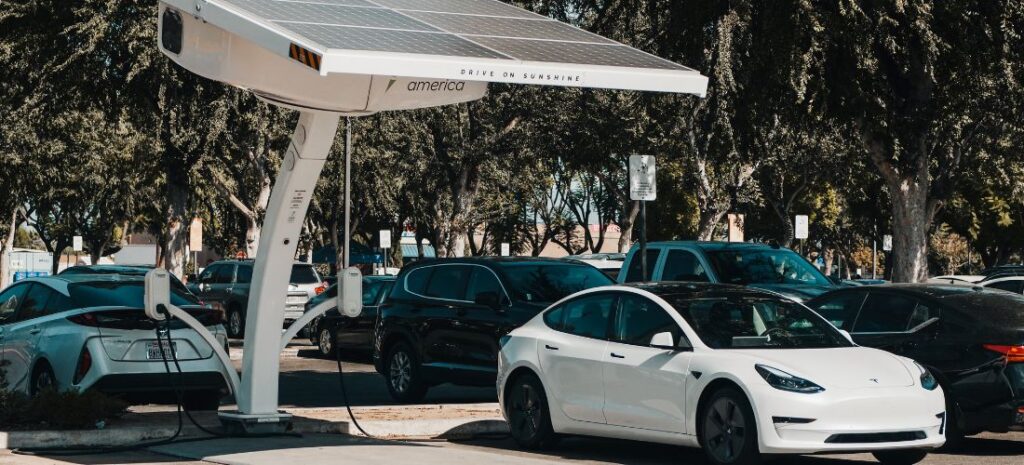
Using solar for electric car charging is no longer a futuristic idea-it’s becoming a practical solution for homeowners and businesses across India. With rising electricity costs and increasing EV adoption, many people are exploring electric car charging with solar as a cleaner and more affordable option. In simple terms, solar panels capture sunlight, convert it into electricity, and use it to charge your EV battery—reducing your dependency on the grid. If you’ve ever wondered how solar EV charging actually works, how much it costs, and whether it’s worth installing, this guide will walk you through everything in a clear and easy-to-understand way. What is Solar EV Charging? Solar EV charging means using solar panels to generate electricity and power your electric vehicle. Instead of relying entirely on grid electricity, your EV gets charged using energy from the sun. This setup usually includes: Solar panels installed on your rooftop An inverter to convert electricity A solar EV charger (also called a wall box) Optional battery storage system This system is commonly referred to as: Charging electric vehicle with solar Solar electric car charging Solar power electric car charger setup How Does Solar Energy Power Electric Cars? Whether you install solar panels at home or at a commercial site, the process remains simple and efficient. 1. The Basic Process Here’s how electric car charging with solar works step by step: Solar panels capture sunlight and convert it into DC electricity The inverter converts DC into AC power The solar electric car charger sends electricity to your EV Your EV battery stores this clean energy This process ensures smooth and efficient ev charging solar without relying heavily on grid electricity. 2. How Solar EV Charging Works After Installation Once your system is installed, it can operate in different ways depending on your setup: Home solar EV charging Your rooftop panels power your EV directly during the day Hybrid charging (Solar + Grid) Uses solar first, then switches to grid when needed Solar-powered charging stations Common in commercial areas or parking lots Off-grid solar EV charging Works independently using battery storage Future wireless solar charging Still emerging but shows promising potential Read More: hybrid solar inverters Why Use Solar for Electric Car Charging? Switching to solar for electric car charging offers both financial and environmental benefits. It’s not just about saving money-it’s about long-term sustainability. Key Benefits of Solar EV Charging Lower charging costs Solar energy is free after installation Reduced electricity bills Less dependency on grid power Clean and green energy No harmful emissions Energy independence Generate your own electricity Long-term savings System pays for itself over time Supports India’s green mission Aligns with renewable energy goals Real-Life Insight: What Most Homeowners Experience Many EV owners who install solar systems notice a big drop in their monthly electricity bills within the first few months. For example: Charging an EV daily using grid power can cost ₹3,000–₹5,000/month With solar, this cost can drop by up to 60–70% The biggest advantage? You are using sunlight-which is completely free. How Many Solar Panels Do You Need? The number of panels depends on several factors: EV battery size Daily driving distance Sunlight availability Panel efficiency Simple Example: A 40 kWh EV battery Requires around 10–12 solar panels for a full charge in a day If you drive more or own a larger EV, you may need a bigger system. Do You Need a Special Solar EV Charger? Yes, a standard plug may not be enough for efficient solar electric car charging. Key Components You’ll Need: Solar panels Inverter Solar EV charger / wall box Smart energy management system Optional: Battery storage Advanced Features (Optional but Useful): Smart charging controls Load management Bidirectional charging (vehicle-to-home) Using a proper solar EV charger ensures faster and safer charging. Solar EV Charging Cost in India Understanding costs is important before investing in a solar power electric car charger setup. Cost Comparison Table Aspect Details Solar power cost ₹2.5–₹3 per kWh Grid electricity cost ₹8–₹9 per kWh Savings potential Up to 60–70% Payback period 4–6 years Government incentives Subsidies & tax benefits available Maintenance Low Disclaimer: Basic standard price is not fixed. Costs can vary based on location, system size, and market conditions. Is Solar EV Charging Worth It in India? Short answer: Yes, for most people. India has strong sunlight availability, making it ideal for ev charging solar systems. Why It Works Well in India: High solar exposure Rising electricity prices Government support for solar energy Growing EV adoption Over time, solar charging becomes cheaper than grid charging. Challenges You Should Know While solar electric car charging is beneficial, there are a few limitations: High initial installation cost Requires rooftop space Charging depends on sunlight Battery storage adds extra cost However, most of these challenges are one-time or manageable. Practical Tips Before Installing Solar EV Charging If you’re planning to install a solar electric car charger, keep these tips in mind: Assess your daily driving needs Choose high-efficiency panels Install a smart EV charger Consider battery storage for night charging Check government subsidies Solar EV Charging for Homes vs Businesses For Homes: Ideal for daily commuting Smaller system size Lower installation cost For Businesses: Can install solar charging stations Attract EV users Generate additional revenue Future of Solar EV Charging The future of charging electric vehicle with solar looks promising. Upcoming Trends: Wireless EV charging Smart grid integration Vehicle-to-home power systems More affordable solar panels India is moving toward a clean energy future, and solar EV charging will play a big role. Read More : what is a solar carport Conclusion Using solar for electric car charging is one of the smartest decisions for EV owners today. It combines cost savings, environmental benefits, and energy independence into one powerful solution. While the initial investment may seem high, the long-term benefits outweigh the costs. As solar technology becomes more affordable and EV adoption increases, solar EV charging will soon become the standard rather than the exception. Frequently Asked Questions 1. Is