
Understanding Green Fuels – The Future of Energy Fuel

Green fuels are becoming an important part of how we think about energy fuels today. As the world looks for cleaner and more sustainable solutions, green fuel and other environmentally friendly fuels are helping reduce pollution and protect the planet. In simple terms, greener fuels are not just an option anymore-they are slowly becoming a necessity for a better future. It is not just about changing fuel sources; it is about changing the way we produce and use energy. These eco friendly fuels are designed to lower harmful emissions and create a balance between development and environmental care. Let’s understand everything about green fuels in a simple and practical way. What are green fuels? Green fuels are types of environmental friendly fuel that produce little to no harmful emissions when used. These fuels are made using natural or renewable resources like sunlight, wind, water, and organic materials. Unlike traditional fuels such as coal and petrol, green fuels do not damage the environment as much. They are cleaner, safer, and more sustainable over time. Some simple examples include: Solar energy from sunlight Biofuels made from crops Hydrogen fuel created using renewable energy These eco friendly fuels are designed to reduce carbon emissions and support a healthier planet. Why Green Fuels Matter The need for environmentally friendly fuels is increasing because of rising pollution and climate change. Traditional fuels release harmful gases that damage air quality and contribute to global warming. Here’s why greener fuels are important: Reduce Pollution: They produce fewer harmful gases Fight Climate Change: Lower carbon emissions help control global warming Renewable Sources: Most green fuels come from sources that don’t run out Energy Security: Countries can produce their own fuel instead of importing According to global energy reports, renewable energy sources could supply more than 50% of the world’s electricity by 2050 if adoption continues at the current pace. Types of Green Fuels Different types of eco friendly fuels are being used today. Each has its own benefits and uses. Biofuels Biofuels are one of the most common green fuel options. They are made from plants, crops, and organic waste. Key points: Used in vehicles as an alternative to petrol and diesel Made from renewable materials like sugarcane and corn Produce fewer greenhouse gases Example: Ethanol blended petrol used in India is a simple form of biofuel. Hydrogen Hydrogen is considered one of the cleanest energy fuel options available. Why it’s important: Produces only water when used as fuel High energy efficiency Can power vehicles and industries Green hydrogen is created using renewable energy, making it a powerful eco friendly fuel for the future. Wind Energy Wind energy uses turbines to convert wind into electricity. Benefits: No pollution during operation Low running cost after setup Works well in large open areas It is one of the fastest-growing environmentally friendly fuels worldwide. Solar Energy Solar energy is one of the easiest and most popular green fuels. Why people prefer it: Uses sunlight, which is free and unlimited Can be installed on rooftops Low maintenance cost Many homes and businesses are switching to solar panels to reduce electricity bills and carbon footprint. Geothermal Energy Geothermal energy uses heat from the Earth to produce power. Features: Reliable and consistent energy source Works day and night Low environmental impact Though less common, it is still an effective eco friendly fuel option. Read More: green energy resources Quick Comparison Table of Green Fuels Type of Green Fuel Source Main Use Environmental Impact Biofuels Plants & crops Vehicles Low emissions Hydrogen Water (via renewable energy) Transport & industry Zero emissions Wind Energy Wind Electricity No pollution Solar Energy Sunlight Homes & businesses Clean energy Geothermal Earth heat Power generation Very low emissions Advantages of Green Fuels Switching to green fuels has many benefits, not just for the environment but also for the economy and society. Environmental Benefits Reduces air pollution Helps control climate change Protects natural resources Economic Benefits Creates new job opportunities Reduces dependence on imported fuels Saves money in the long run Social Benefits Improves public health Provides cleaner living conditions Supports sustainable development Challenges and Solutions Even though eco-friendly fuels are beneficial, there are still some challenges. Challenges High Initial Cost: Setting up solar panels or wind farms can be expensive Storage Issues: Some fuels like hydrogen need advanced storage systems Infrastructure Gap: Limited charging stations or supply networks Awareness: Many people still don’t understand green fuel benefits Solutions Government Support: Subsidies and policies can help adoption Technology Improvement: Better storage and efficiency solutions Public Awareness: Education about benefits of greener fuels Private Investment: Companies investing in clean energy Read More : what is green energy Future of Green Fuels The future of environmentally friendly fuels looks promising. Governments and companies worldwide are investing heavily in renewable energy. In India, initiatives like: National Hydrogen Mission Solar energy expansion projects Electric vehicle push are helping increase the use of eco friendly fuels. Experts believe that in the next 20–30 years, a large part of global energy will come from green sources. Practical Tips to Use Green Fuels in Daily Life You don’t need to be a big company to support green fuel. Small steps can make a big difference. Install solar panels at home Use public transport or electric vehicles Save electricity wherever possible Support brands using sustainable energy Even small changes can help reduce your carbon footprint. Conclusion Green fuels are not just a trend-they are the future of energy fuel. As the world faces serious environmental challenges, switching to eco friendly fuels is one of the smartest decisions we can make. From solar and wind to hydrogen and biofuels, each type of green fuel brings us closer to a cleaner and healthier planet. While challenges still exist, continuous innovation and awareness are helping overcome them. The journey towards greener fuels is already happening. The question is not whether we should adopt them, but how fast we can make the shift. Frequently Asked Questions 1. What is green fuel? Answer:
11 Reasons Housing Societies Are Choosing Solar in 2026
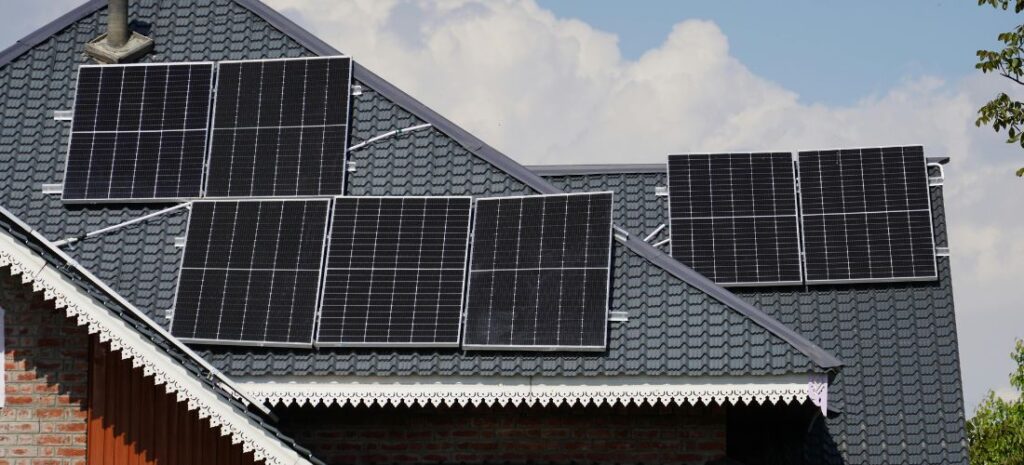
Solar for housing societies in 2026 is no longer just an eco-friendly idea-it has become a practical, money-saving decision for residential communities across India. With rising electricity bills, better government support, and improved solar technology, more societies are now switching to solar to reduce costs and gain long-term benefits. From cutting down common area expenses to increasing property value, solar is helping societies take control of their energy usage in a smart and sustainable way. If your society is still thinking about it, this guide will help you understand why the shift is happening so fast in 2026. What is Solar for Housing Societies? Solar for housing societies means installing a centralized solar power system (usually on rooftops or parking areas) that generates electricity for common facilities like: Lifts Water pumps Corridor lighting Security systems Clubhouse and gym In many cases, with virtual net metering, even individual flats benefit from the generated power. Why Solar Adoption is Growing Rapidly in 2026 Before we jump into the 11 reasons, let’s quickly understand what’s driving this trend: Electricity tariffs are increasing every year Government subsidies are more accessible Solar technology is more efficient and affordable Awareness about sustainability is growing Societies want long-term cost control 11 Reasons Housing Societies Are Choosing Solar in 2026 1. Major Reduction in Electricity Bills This is the biggest reason. Housing societies spend a huge amount every month on electricity for common areas. Solar directly reduces this cost. Here’s a simple estimate: Parameter Value Daily generation (1kW) 4–5 units Annual generation (1kW) 1500–1800 units Avg. tariff ₹7/unit Monthly savings (20kW system) ₹15,000–₹20,000 Annual savings ₹1.8–2.4 lakh Result: Many societies reduce their electricity bills by 60% to 90%. 2. Strong Return on Investment (ROI) Solar is not an expense-it’s a long-term investment. Payback period: 4–5 years System life: 25+ years After payback: Almost free electricity That means 20 years of savings after recovering your cost. 3. Government Subsidies Make It Affordable In 2026, solar adoption is strongly supported by government policies. Subsidies reduce upfront cost significantly Special benefits for housing societies Net metering policies improve savings This makes solar more accessible than ever before. 4. Turns Unused Rooftop Into Income-Generating Asset Most society rooftops are unused. Solar changes that. Rooftop becomes a power generator Parking areas can have solar sheds Every square foot generates value Instead of wasting space, societies earn from it. 5. Benefits All Residents Equally One major advantage of solar for housing societies in 2026 is fairness. With shared systems: Every resident benefits No need for individual installation Even lower floors get equal savings This creates a community-wide benefit model. Read More— What Is A Commercial Solar 6. Real-Time Monitoring and Transparency Modern solar systems come with smart monitoring tools. Society committees can: Track energy generation Monitor consumption Check system performance This builds trust and transparency among residents. 7. Very Low Maintenance Solar panels are simple systems with no moving parts. Maintenance includes: Occasional cleaning Basic inspection No heavy servicing required. This makes it ideal for housing societies that want a hassle-free solution. 8. Reduces Carbon Footprint Every unit of solar energy reduces dependence on coal-based electricity. Example: 5kW system = ~6 tons CO₂ reduction per year For a large society: Huge environmental impact over 25 years This supports India’s clean energy goals and creates a greener living environment. 9. Reduces Dependency on Diesel Generators Diesel generators are: Expensive Noisy Polluting Solar reduces generator usage, especially during daytime. Benefits: Lower fuel cost Less noise Cleaner air 10. Protection from Rising Electricity Prices Electricity prices are unpredictable and keep increasing. Solar gives control: Generate your own electricity Reduce dependency on grid Stable long-term costs This is a big advantage in 2026 where tariffs are rising faster. 11. Increases Property Value Homes in solar-powered societies are more attractive to buyers. Why? Lower maintenance charges Lower electricity bills Eco-friendly lifestyle This increases: Property resale value Rental demand Practical Insights: What Societies Should Know Before Installing Solar Here are some real, experience-based tips: Check Rooftop Condition Ensure shadow-free area Structural strength is important Choose the Right System Size Based on electricity consumption Avoid under or oversizing Understand Net Metering Policy Rules vary by state Impacts your savings Select Experienced Vendor Installation quality matters Maintenance support is important Common Mistakes to Avoid Choosing cheapest vendor instead of best quality Ignoring maintenance planning Not involving residents in decision Incorrect system sizing Final Thoughts Solar for housing societies in 2026 is not just a trend—it’s becoming a necessity. With rising electricity costs, better technology, and strong government support, the shift toward solar is happening faster than ever. For housing societies, it offers: Lower electricity bills Long-term financial savings Energy independence Environmental benefits The sooner a society adopts solar, the sooner it starts saving. Read More – benefits of a solar rooftop system FAQs 1. Why are housing societies choosing solar in 2026? Answer – Housing societies are choosing solar in 2026 mainly due to rising electricity costs, government subsidies, and long-term savings. Solar helps reduce common area electricity bills and provides energy independence. 2. How much can a housing society save with solar? Answer – A housing society can save up to 60% to 90% on common electricity bills depending on system size, usage, and local electricity tariffs. 3. What is the cost of installing solar for housing societies? Answer – The cost depends on system size, location, and technology used. However, subsidies and financing options make it more affordable for most societies. 4. What is the payback period for solar in housing societies? Answer – Most housing societies recover their solar investment within 4 to 5 years, after which they enjoy almost free electricity for 20+ years. 5. Do all residents benefit from solar installation? Answer – Yes, with shared solar systems and virtual net metering, all residents can benefit from reduced electricity costs, regardless of their floor. 6. Is maintenance required for solar panels? Answer – Solar panels require very low maintenance. Basic cleaning and periodic checks are enough