
The Role of Energy Trading in India’s Energy Transition

Energy trading in India is becoming one of the most important pillars in the country’s shift toward a cleaner and more efficient energy system. As India moves from traditional power sources to renewables like solar and wind, energy trading is helping bridge the gap between how electricity is produced and how it is consumed. It is not just about buying and selling power anymore-energy trading is now about flexibility, cost control, sustainability, and smarter energy management. Understanding Energy Trading in India Energy trading in India refers to the process where electricity is bought and sold through power exchanges or direct agreements between producers and consumers. This system creates a competitive marketplace where prices are determined transparently based on demand and supply. Instead of relying only on long-term contracts, businesses and utilities now have the option to: Buy electricity on a short-term basis Sell excess power in the market Choose from multiple trading options based on their needs This shift has made the power sector more dynamic and efficient. Key Platforms in Energy Trading Energy trading in India mainly happens through: Power Exchanges (like day-ahead and real-time markets) Bilateral Agreements (direct deals between buyers and sellers) Open Access Mechanism (allows businesses to buy power from preferred sources) Each of these plays a role in improving energy distribution and pricing. Why Energy Trading is Important for India’s Energy Transition India has set ambitious goals for renewable energy. But renewable sources like solar and wind are not constant. This is where energy trading becomes critical. 1. Managing Supply and Demand Electricity demand changes every hour. Renewable energy supply also varies depending on weather conditions. Energy trading helps in: Redirecting surplus electricity to areas with high demand Avoiding power shortages Preventing wastage of generated energy 2. Supporting Renewable Energy Growth Renewable energy is not always available 24/7. Energy trading allows: Solar power generated during the day to be balanced with other sources Wind energy fluctuations to be managed efficiently Buyers to access green energy even when direct supply is not available 3. Improving Price Efficiency Traditional electricity pricing can be rigid. Energy trading introduces flexibility. Benefits include: Competitive pricing through market-based discovery Lower electricity costs for businesses Better financial returns for power producers Types of Energy Markets in India Energy trading in India operates through different types of markets. Each serves a specific purpose. Market Type Description Best For Day-Ahead Market Power is traded one day in advance Planned consumption Real-Time Market Trading happens just before delivery Urgent needs Green Day-Ahead Market Specifically for renewable energy Sustainability goals Term-Ahead Market Contracts for future delivery Stability Bilateral Contracts Direct agreements between parties Long-term planning Disclaimer: Prices in these markets are not fixed. Basic standard prices are indicative only—actual prices can vary significantly depending on demand, supply, and market conditions. Anything can happen. How Energy Trading Benefits Businesses Energy trading is not just for utilities—it is increasingly beneficial for commercial and industrial users. Cost Savings Businesses can: Purchase power when prices are low Avoid high tariffs from traditional suppliers Optimize energy procurement strategies Flexibility Instead of being locked into long-term contracts, companies can: Switch suppliers Choose renewable energy sources Adjust procurement based on operations Sustainability Goals Many companies today aim to reduce their carbon footprint. Energy trading helps by: Providing access to green energy markets Enabling renewable power procurement Supporting ESG (Environmental, Social, Governance) targets Real-World Insight: How Businesses Use Energy Trading From practical experience across industries, here’s how companies actually use energy trading: A manufacturing unit buys cheaper power at night through real-time markets A corporate office sources green energy during peak solar hours A data center uses a mix of long-term contracts and short-term trading to balance costs These are not complex strategies-just smart ways of using available options. The Role of KLK Ventures in Energy Trading At KLK Ventures, the focus is on helping businesses understand and use energy trading effectively. Instead of offering one-size-fits-all solutions, the approach includes: Understanding the client’s energy consumption pattern Identifying the right mix of trading options Providing guidance on cost optimization Supporting renewable energy integration This practical, ground-level approach ensures that businesses actually benefit from energy trading rather than just adopting it as a trend. Integration with Renewable Energy Energy trading becomes even more powerful when combined with renewable energy systems. Key Benefits of Integration Better utilization of solar and wind energy Reduced dependency on fossil fuels Stable energy supply through hybrid models Example Approach A business might: Install solar panels Use stored energy during peak hours Buy additional power from the market when needed This combination creates a more reliable and cost-effective system. Government Policies Supporting Energy Trading India’s energy trading growth is supported by strong policy frameworks. Key Policy Drivers Green Energy Open Access Rules Renewable Purchase Obligations (RPOs) Development of power exchanges Digitalization of energy markets These policies aim to: Increase renewable energy adoption Encourage private sector participation Improve market transparency Challenges in Energy Trading While energy trading offers many benefits, it also comes with challenges. 1. Price Volatility Electricity prices can change quickly due to: Demand fluctuations Weather conditions Fuel costs 2. Infrastructure Limitations Grid capacity issues Transmission losses Regional imbalances 3. Regulatory Complexity Different rules across states Approval processes Compliance requirements These challenges require careful planning and expert guidance. The Future of Energy Trading in India Energy trading is still evolving, but its future looks strong. Emerging Trends Growth of green energy markets Use of digital platforms for trading Increased participation from businesses Integration with energy storage systems New Innovations Virtual Power Purchase Agreements (VPPAs) AI-based demand forecasting Smart grids These innovations will make energy trading more efficient and accessible. Practical Tips for Businesses Entering Energy Trading If you’re considering energy trading, here are some simple and practical tips: Start Small Begin with short-term market participation Understand pricing trends Analyze Your Energy Usage Identify peak consumption times Plan procurement accordingly Work with Experts Energy trading can be complex Guidance helps avoid costly mistakes Focus on Long-Term Strategy Combine trading with renewable
Solar Panel Low Performance: Causes, Effects, and How to Minimize It
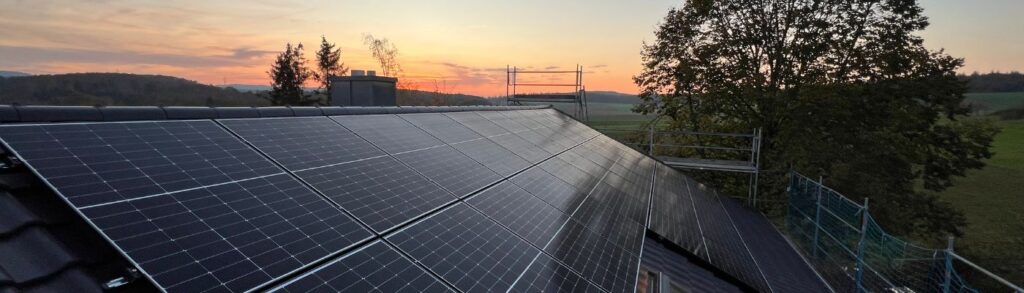
Solar Panel Low Performance is one of the most common concerns for homeowners and businesses investing in solar energy. Even though solar systems are designed to last 25+ years, their performance can drop due to several real-world factors. As a trusted renewable energy company in India, KLK Ventures understands that maintaining optimal solar output is not just about installation-it’s about long-term care, monitoring, and smart decisions. In this guide, we’ll break down the real causes, practical effects, and proven ways to minimize solar panel low performance, based on industry experience and on-ground insights. What is Solar Panel Low Performance? Solar panel low performance simply means your solar system is not generating the expected amount of electricity. This could be a temporary drop or a long-term decline. For example: A 10 kW system expected to produce 40 units/day might only produce 28–30 units Output gradually decreases over months without visible damage This gap between expected vs actual generation is what we call low performance. Why Does Solar Panel Performance Drop Over Time? Solar panels don’t suddenly fail-they slowly degrade or get affected by external conditions. Let’s understand the major causes in a simple way. Causes of Solar Panel Low Performance 1. Environmental Factors (Most Common in India) India’s climate plays a huge role in solar performance. Key issues include: Dust and pollution: Especially in cities like Delhi NCR Bird droppings: Can block sunlight completely in small areas Leaves or debris: Common in residential setups High temperature: Panels lose efficiency when overheated Real insight: Even a thin layer of dust can reduce efficiency by 15–25%. 2. Poor Quality Solar Panels Not all panels are built the same. Low-quality panels: Degrade faster Are not tested for Indian weather conditions May fail under high wind or heavy load What to check: IEC certification Warranty (minimum 25 years performance warranty) Load capacity (important for storms and dust) 3. Improper Installation This is one of the biggest mistakes people make-choosing cheap installation instead of quality work. Common installation issues: Loose wiring → power loss Wrong tilt angle → less sunlight absorption Poor alignment → reduced generation Shading from nearby objects Practical tip: Even a small shadow on one panel can affect the entire string output. 4. Electrical Problems Solar systems are electrical systems-so faults can happen. Examples: Overvoltage issues Inverter faults Loose connections Earthing problems These can cause: Heat generation Energy loss System shutdown in worst cases 5. Lack of Maintenance Many users install solar and forget about it. But solar is not “install and forget.” Without maintenance: Dirt builds up Connections weaken Small issues become big problems 6. Aging and Degradation All solar panels degrade naturally over time. Average degradation: 0.5% to 1% per year After 25 years: Panels still work at ~80% efficiency But poor quality panels degrade faster. Effects of Solar Panel Low Performance When your solar system underperforms, it directly affects your savings and ROI. 1. Reduced Energy Generation Less power means: Higher electricity bills More dependence on grid power 2. Increased Maintenance Costs Ignoring small issues can lead to: Panel replacement Inverter repair Wiring overhaul 3. Lower Return on Investment (ROI) Solar is a long-term investment. If performance drops: Payback period increases Expected savings reduce 4. Shortened System Lifespan Poor maintenance and stress can reduce system life from 25 years to 15–8 years. Solar Panel Performance vs Causes (Quick Overview Table) Cause Impact on Performance Risk Level Solution Dust & Pollution High High Regular cleaning Poor Quality Panels Medium to High High Choose certified panels Improper Installation High High Hire experienced installers Electrical Issues Medium Medium Regular inspections Lack of Maintenance High High AMC / routine servicing Aging & Degradation Low (gradual) Low Use high-efficiency panels How to Minimize Solar Panel Low Performance Now let’s talk about the most important part-solutions that actually work in real life. 1. Regular Cleaning is a Must Cleaning is the simplest yet most ignored step. Best practices: Clean panels every 10–15 days in dusty areas Use soft water and cloth (avoid harsh chemicals) Use robotic cleaning for large commercial plants In North India, dust accumulation is high—so frequent cleaning is essential. 2. Choose the Right Renewable Energy Company in India Your installer matters more than you think. A professional company like KLK Ventures ensures: Proper system design Correct tilt and direction High-quality components Safe electrical connections 3. Invest in High-Quality Components Don’t compromise on: Solar panels Inverter Mounting structure Cheap products may save money initially but cost more later. 4. Monitor Your System Performance Modern solar systems come with monitoring apps. Track daily: Power generation System efficiency Fault alerts If output suddenly drops, take action immediately. 5. Avoid Shading Issues Before installation: Check for trees, buildings, or water tanks Plan panel placement carefully After installation: Trim nearby trees regularly 6. Schedule Preventive Maintenance Annual Maintenance Contracts (AMC) are highly recommended. Includes: Panel cleaning Electrical inspection Performance testing Fault detection 7. Ensure Proper Wiring and Earthing Electrical safety is critical. Proper earthing prevents damage Tight connections avoid energy loss Surge protection is important in India 8. Use Anti-Soiling Coating (Optional) For industrial setups: Special coatings reduce dust sticking Improves long-term performance Practical Tips from On-Ground Experience Based on real installations across India: Rooftop systems in urban areas lose 20% efficiency without cleaning Commercial plants perform better with monthly inspections Most performance issues come from installation mistakes, not panels When Should You Worry? You should take action if: Output drops more than 10–15% consistently Inverter shows error frequently Some panels look darker or damaged Electricity bill suddenly increases Disclaimer The basic standard price is not a specific price; anything can happen. Solar system costs and maintenance expenses may vary depending on location, system size, quality, and market conditions. Conclusion Solar Panel Low Performance is not a rare issue-but it is completely manageable with the right approach. From environmental factors to installation quality, multiple elements affect how well your solar system performs over time. By focusing on regular maintenance, quality installation, and smart monitoring, you can easily