
How Solar Energy Helps Reduce Carbon Footprint
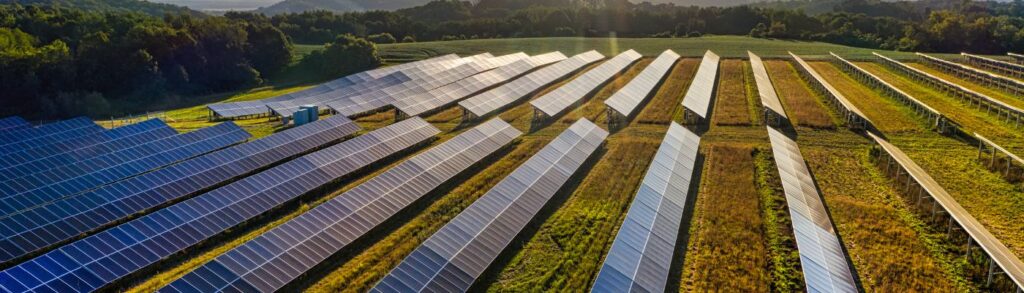
In today’s world, the demand for cleaner and more sustainable energy is increasing very fast. Solar Energy is becoming one of the most practical solutions to reduce environmental damage and fight climate change. When we use a solar power system, we directly reduce harmful emissions and depend less on fossil fuels. Solar power and solar panels are not just energy options anymore-they are long-term environmental solutions that help protect our planet for future generations. In simple words, solar energy helps us produce electricity without polluting the air. It reduces carbon emissions, saves natural resources, and supports a cleaner lifestyle. In this blog, we will understand how solar energy helps reduce carbon footprint in a practical and easy way. What is a Carbon Footprint? A carbon footprint means the total amount of greenhouse gases released into the atmosphere because of human activities. These gases mainly include carbon dioxide (CO₂), which comes from electricity production, transportation, factories, and even household usage. Most of the electricity we use today is generated from coal and natural gas. These fuels release a large amount of CO₂ when burned. This is one of the biggest reasons behind global warming and climate change. Reducing carbon footprint means reducing these harmful emissions. One of the most effective ways to do that is by switching to solar energy and using a solar power system instead of fossil fuels. How Solar Energy Helps Reduce Carbon Footprint Solar energy plays a major role in reducing carbon emissions. It replaces polluting energy sources with clean and renewable sunlight. Let’s understand this in simple parts. 1. Replacing Fossil Fuels with Clean Energy Traditional electricity is generated by burning coal, oil, or gas. This process releases large amounts of carbon dioxide into the air. But when we use solar panels, sunlight is directly converted into electricity without burning anything. A solar power system works silently and cleanly without producing smoke or harmful gases. This simple replacement has a huge environmental impact because: No fuel is burned No carbon emissions are released during power generation Renewable sunlight is used instead of limited resources Over time, even a small solar installation can significantly reduce pollution levels. 2. Cutting Greenhouse Gas Emissions One of the biggest advantages of solar energy is the reduction of greenhouse gases. On average, a home using solar power can reduce around 3–4 tons of CO₂ every year. This is equal to the emissions produced by driving a car for thousands of kilometers. When many homes and businesses switch to solar energy, the impact becomes massive at a national and global level. 3. Reducing Transmission Losses Electricity usually travels long distances from power plants to homes. During this journey, some energy is lost in transmission lines. But with a solar power system, electricity is produced right where it is used-on rooftops, buildings, or local setups. This reduces energy loss and improves efficiency. Less energy loss means: Less fuel consumption in power plants Lower emissions Better energy efficiency overall 4. Encouraging Sustainable Lifestyles When people install solar panels, they often become more aware of energy usage. They start saving electricity, reducing waste, and choosing eco-friendly habits. This creates a positive lifestyle change: Turning off unused appliances Using energy-efficient devices Reducing unnecessary power consumption So solar energy doesn’t just reduce carbon footprint directly-it also changes behavior in a sustainable direction. Environmental Benefits of Solar Energy The impact of solar energy goes beyond carbon reduction. It also improves air quality and protects natural resources. Cleaner Air and Water Unlike coal plants, solar energy does not release harmful gases like sulfur dioxide or nitrogen oxides. These pollutants are responsible for smog and breathing problems. With solar energy: Air becomes cleaner Water sources are not polluted by industrial waste Health risks reduce in urban areas Conserving Natural Resources Fossil fuels like coal and oil take millions of years to form and are being used up quickly. Solar energy, on the other hand, uses sunlight-a resource that will never run out. By using solar panels, we reduce: Coal mining Oil drilling Natural habitat destruction This helps preserve the environment for future generations. Climate Change Mitigation Every unit of electricity generated through solar instead of fossil fuels helps slow down global warming. Widespread use of a solar power system can: Reduce global temperature rise Stabilize weather patterns Reduce extreme climate events Economic and Social Benefits of Solar Energy Solar energy is not only good for the environment but also beneficial for society and the economy. Saving on Electricity Bills Once a solar power system is installed, electricity costs drop significantly. Many households save a large portion of their monthly bills. Even though installation has an initial cost, long-term savings make solar a smart investment. Energy Independence Solar energy allows users to generate their own electricity. This reduces dependence on: Power companies Fuel imports Rising electricity prices Energy independence gives both financial stability and security. Creating Green Jobs The solar industry is creating thousands of jobs in: Manufacturing solar panels Installation work Maintenance services Solar system design This helps economic growth while protecting the environment. Solar Power vs Fossil Fuels: Carbon Comparison Energy Source CO₂ Emission per kWh Environmental Impact Coal High (800+ g CO₂) Very harmful Natural Gas Medium (450–500 g) Polluting Solar Energy Very Low (20–40 g) Clean & renewable This comparison clearly shows that solar energy is one of the cleanest sources of electricity available today. Over time, solar panels compensate for the emissions created during manufacturing and continue producing clean energy for 25+ years. How Individuals Can Reduce Carbon Footprint with Solar Every individual can contribute to reducing pollution through small but effective actions. Install rooftop solar panels at home Choose a reliable solar power system based on energy needs Combine solar energy with energy-efficient appliances Avoid unnecessary electricity usage Encourage others to switch to solar energy Even small steps matter when millions of people participate. Future of Solar Energy The future of solar energy is very promising. Technology is improving every year, making solar systems
Microinverters: Everything You Need To Know
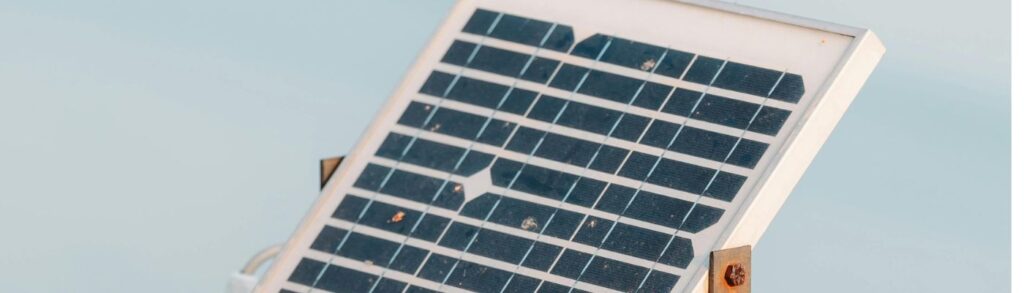
Microinverters are changing the way a solar panel system works, making solar energy more efficient, safer, and easier to manage. If you’re planning to install a solar panel setup for your home or business, understanding how a solar microinverter works can help you make a smarter investment. Instead of relying on a single central inverter, microinverters operate at the panel level-giving you more control, better performance, and long-term reliability. In this guide, we’ll break down everything in simple terms so you can clearly understand how microinverters work, their benefits, drawbacks, pricing, and whether they are the right choice for you. What Are Microinverters? A microinverter is a small electronic device installed directly on the back of each solar panel. Its main job is to convert DC (Direct Current) electricity generated by the panel into AC (Alternating Current), which is used by your home appliances. Simple Explanation: Solar panels produce DC electricity Your home uses AC electricity Microinverters convert DC to AC at each panel Unlike traditional systems where one inverter manages multiple panels, microinverters work individually on each solar panel. How Do Microinverters Work? Understanding how microinverters function is easier than it sounds. Step-by-Step Process: Sunlight hits the solar panel The panel generates DC electricity The microinverter (attached to the panel) converts DC to AC instantly AC electricity flows directly into your home or grid Key Feature: Independent Operation Each solar panel has its own microinverter. That means: One panel’s performance does NOT affect others Each panel works at its maximum efficiency This is possible because of MPPT (Maximum Power Point Tracking) at the panel level. Why Microinverters Are Becoming Popular The solar industry is shifting toward smarter systems. Microinverters are a big part of that change because they solve many common issues found in traditional setups. Real-Life Insight Imagine you have 10 solar panels on your roof. One panel gets shaded by a tree. In a traditional system → All panels lose efficiency With microinverters → Only that one panel is affected This difference alone can increase energy production significantly over time. Advantages of Microinverters 1. Higher Energy Output Microinverters maximize the output of each solar panel individually. Why it matters: Shade, dust, or damage on one panel won’t reduce the whole system’s output Ideal for Indian homes with uneven rooftops or nearby buildings 2. Better Monitoring You can track the performance of every solar panel through apps or software. Benefits: Easy to detect faults Real-time data visibility Improved maintenance planning 3. Improved Safety Traditional systems use high-voltage DC wiring (600–1000V), which can be risky. Microinverters: Convert electricity at the panel Keep DC voltage low Reduce fire hazards This is especially important in residential areas. 4. Flexible System Design Microinverters allow you to: Add more panels anytime Install panels in different directions Use complex roof layouts Example: If your roof has multiple angles, microinverters ensure each panel still performs well. 5. Longer System Life Most microinverters come with 20–25 years warranty, matching the life of a solar panel. Disadvantages of Microinverters While microinverters offer many benefits, they are not perfect. 1. Higher Initial Cost Microinverters cost more than traditional inverters. Reason: Each panel needs its own inverter More components = higher upfront investment 2. Roof Maintenance Can Be Difficult Since microinverters are installed behind panels: Repairs require panel removal Maintenance is more labor-intensive 3. Not Always Needed for Large Projects For: Large solar farms Open, unshaded areas A string inverter may still be more cost-effective. Microinverters vs String Inverters Here’s a simple comparison to help you understand the difference: Feature String Inverters Microinverters Installation Centralized Panel-level Performance Affected by weakest panel Independent panel performance Cost Lower upfront cost Higher upfront cost Monitoring Limited Detailed (panel-wise) Safety High DC voltage Low DC voltage (safer) Best For Large, simple layouts Homes with shading or complex roofs Microinverter Price in India The solar microinverter price depends on: Brand Capacity (watts) Features (monitoring, warranty) General Price Range: ₹6,000 to ₹15,000 per unit (approx.) Cost per watt is higher than string inverters Disclaimer: Basic standard price is not fixed. Prices may vary depending on market conditions, brand availability, technology updates, and installation factors. Anything can change over time. Is a Microinverter Worth the Cost? This depends on your specific situation. Choose Microinverters If: Your roof has shading issues Panels face different directions You want detailed monitoring Safety is a top priority Choose String Inverters If: You have a large open roof No shading issues Budget is limited Practical Tips Before Choosing Microinverters 1. Check Roof Condition Look for shadows from trees, buildings, or water tanks 2. Think Long-Term Higher upfront cost can mean better returns over 20–25 years 3. Ask About Warranty Always choose products with at least 20 years warranty 4. Compare Energy Output Ask your installer to show estimated output difference Common Myths About Microinverters Myth 1: They Fail More Often Truth: Modern microinverters are highly reliable and tested for harsh conditions. Myth 2: They Are Too Expensive Truth: While upfront cost is higher, long-term energy savings can balance it. Myth 3: They Are Only for Small Systems Truth: They can be used in both residential and commercial setups. Microinverters and the Future of Solar Energy The future of solar is moving toward: Smart energy systems Real-time monitoring Higher efficiency Microinverters fit perfectly into this trend. Industry Insight With increasing adoption of rooftop solar in India: Demand for safer systems is rising Users prefer more control over energy generation Microinverters are becoming a preferred choice in urban areas. When Microinverters Make the Most Sense Here are real-world scenarios where microinverters work best: Homes with partial shading Apartments with limited roof space Commercial buildings with complex layouts Projects requiring high safety standards Final Thoughts Microinverters are a smart upgrade in solar technology. They offer better performance, improved safety, and flexible design options compared to traditional systems. While the cost may be higher initially, the long-term benefits often make them a worthwhile investment. If your goal is to get the most out of