
What are Half Cut Solar Panels? Benefits, Types & Working
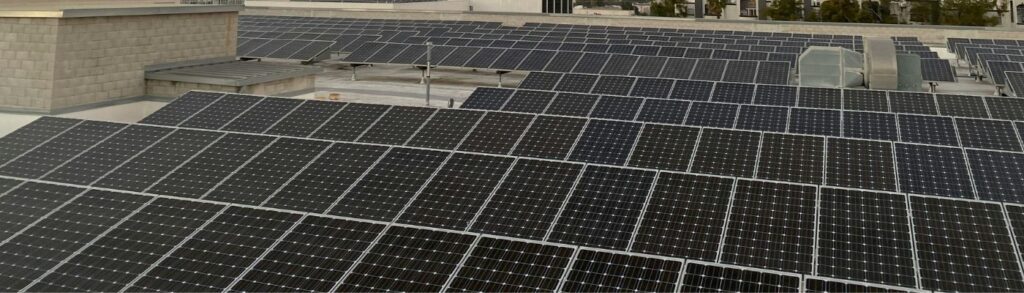
Half Cut Solar Panels are a modern solar panel technology designed to improve efficiency and performance. In this type of panel, traditional solar cells are cut into two smaller halves. This design reduces energy loss, improves power output, and allows the panel to perform better in different weather conditions. Half Cut Solar Panels are becoming increasingly popular for residential, commercial, and industrial solar installations because they offer higher efficiency, better durability, and improved performance even in partially shaded areas. Understanding How Half Cut Solar Panels Work To understand Half Cut Solar Panels, it helps to know how a normal solar panel works. Traditional solar panels use full-sized silicon solar cells connected together to generate electricity from sunlight. In Half Cut Solar Panels, each standard solar cell is cut into two equal halves using a laser cutting process. This creates smaller cells that carry lower electrical current. Because the current flow is reduced, electrical resistance inside the panel also decreases. Lower resistance means less power loss and better efficiency. Another important design feature is that Half Cut Solar Panels are divided into two separate sections (upper and lower). Each section works independently, which helps the panel continue producing electricity even if one part is shaded. This simple design change significantly improves performance compared to standard solar panels. Key Features of Half Cut Solar Panels Half Cut Solar Panels include several advanced design features that make them more efficient and reliable. Some important features include: Solar cells cut into two halves Reduced electrical resistance Lower heat generation Better performance in partial shading Improved durability and lifespan Higher energy output Because of these features, Half Cut Solar Panels are widely used in modern solar power systems. Types of Half Cut Solar Panels Different types of Half Cut Solar Panels are available depending on the solar cell technology used. Each type offers different efficiency levels and price ranges. 1. Monocrystalline Half Cut Solar Panels Monocrystalline Half Cut Solar Panels are made from high-purity single-crystal silicon. These panels are known for their high efficiency and strong performance. They are a popular choice for rooftop installations where space is limited but higher energy output is required. Key points: Higher efficiency Longer lifespan Better performance in hot climates Ideal for residential rooftops These panels are commonly used in homes, offices, and commercial buildings. 2. Polycrystalline Half Cut Solar Panels Polycrystalline Half Cut Solar Panels are made using multiple silicon crystals. Because of the manufacturing process, they are usually more affordable than monocrystalline panels. However, their efficiency is slightly lower. Key points: Lower cost Good for large installations Slightly lower efficiency Suitable for ground-mounted systems Many businesses choose these panels when budget is a priority. 3. Mono PERC Half Cut Solar Panels Mono PERC Half Cut Solar Panels combine two advanced technologies – PERC technology and half cut cell design. PERC (Passivated Emitter and Rear Cell) improves light absorption by reflecting unused light back into the solar cell. This increases the total energy generated by the panel. Key points: Higher power output Better low-light performance Improved efficiency Popular for rooftop solar systems These panels are widely used in modern solar installations due to their strong performance. 4. Bifacial Half Cut Solar Panels Bifacial Half Cut Solar Panels can generate electricity from both the front and the back side of the panel. The front side absorbs direct sunlight, while the rear side captures reflected light from surfaces such as roofs, concrete, or ground. Key points: Dual-side power generation Higher total energy production Ideal for open areas Common in solar farms These panels are often used for large solar power plants or ground-mounted systems. Advantages of Half Cut Solar Panels Half Cut Solar Panels offer several advantages compared to traditional solar panels. Higher Efficiency Because each solar cell is smaller, the electrical current flowing through the panel is reduced. This lowers resistive losses and improves overall energy production. As a result, Half Cut Solar Panels generate more electricity from the same sunlight. Better Performance in Partial Shading Traditional solar panels can lose a large amount of power when part of the panel is shaded. Half Cut Solar Panels solve this problem by dividing the panel into two independent sections. If one section is shaded, the other section can still produce electricity. This feature is especially useful in cities where buildings, trees, or structures can block sunlight. Lower Heat Generation Smaller solar cells produce less electrical resistance. This helps reduce heat generation inside the panel. Lower heat improves panel performance and also increases the lifespan of the system. Increased Durability Half Cut Solar Panels are designed to handle environmental stress better. Because the solar cells are smaller, the risk of micro-cracks is reduced. This makes the panels more durable during transportation, installation, and operation. Improved Reliability These panels continue to produce electricity even under challenging conditions such as: Dust High temperatures Partial shading Cloudy weather This reliability makes them a good option for many regions. Better Energy Output Over Time Because of improved efficiency and durability, Half Cut Solar Panels often deliver better long-term performance compared to traditional panels. This means users can generate more electricity over the life of the solar system. Half Cut Solar Panels vs Traditional Solar Panels The following table explains the basic difference between traditional solar panels and Half Cut Solar Panels. Feature Traditional Solar Panels Half Cut Solar Panels Solar Cell Size Full size cells Cells cut into two halves Electrical Resistance Higher Lower Energy Loss More Less Efficiency Standard efficiency Higher efficiency Shading Performance Lower Better Heat Generation Higher Lower Durability Normal Improved This comparison shows why Half Cut Solar Panels are considered an upgraded solar technology. Applications of Half Cut Solar Panels Half Cut Solar Panels are used in many different types of solar installations. Residential Solar Systems Homeowners install these panels on rooftops to reduce electricity bills and generate clean energy. Because of their higher efficiency, fewer panels are required to produce the same amount of power. Commercial Buildings Many businesses