
What Is a Solar PV Module: Complete Guide for Businesses
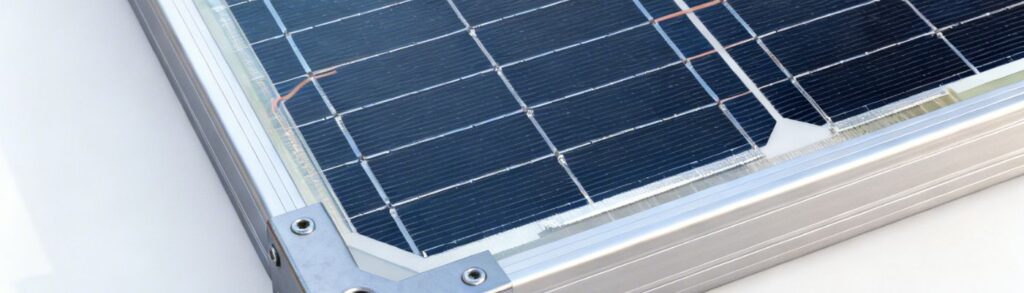
A Solar PV Module is the core component of any solar power system that converts sunlight into electricity. For businesses looking to reduce energy costs and improve sustainability, understanding how a Solar PV Module works is the first step toward making a smart investment. With rising electricity tariffs and growing pressure to adopt clean energy, many companies are exploring solar solutions. This guide explains everything about Solar PV Module technology in a simple and practical way, especially for business owners, facility managers, and decision-makers. What Is a Solar PV Module? A Solar PV Module (Photovoltaic Module) is a panel made up of multiple solar cells that generate electricity when exposed to sunlight. These cells are usually made of silicon, a semiconductor material that reacts to light. When sunlight hits the solar cells: Photons from sunlight strike the silicon surface. Electrons start moving due to the photovoltaic effect. This movement generates Direct Current (DC) electricity. An inverter then converts DC into Alternating Current (AC) for practical use. In simple words, a Solar PV Module is the device that turns sunlight into usable power for factories, offices, warehouses, hospitals, and commercial buildings. Most commercial modules today have: 60, 72, or more cells Power output ranging from 250W to 600W+ A lifespan of 25 years or more Basic Structure of a Solar PV Module A Solar PV Module is not just a glass panel. It is made of multiple protective layers designed for long-term durability. Here is a simple breakdown: Component Purpose Solar Cells Convert sunlight into electricity Tempered Glass Protects cells from weather and impact EVA (Encapsulation Layer) Protects cells from moisture and dust Backsheet Provides insulation and protection Aluminum Frame Gives structural strength Junction Box Transfers generated electricity safely Each layer plays an important role in ensuring performance for 20–30 years, even in harsh weather conditions. How Does a Solar PV Module Work? The working principle is based on the photovoltaic effect. Here’s a simple step-by-step explanation: Sunlight falls on the module. Solar cells absorb photons. Electrons get energized and start moving. Movement creates DC electricity. Electricity flows to the inverter. Inverter converts DC to AC. AC power runs machines, lights, and equipment. In industrial projects, modules are connected in series and parallel combinations to increase voltage and current depending on required power capacity. Types of Solar PV Modules Used in Businesses Choosing the right Solar PV Module depends on budget, space, and energy goals. 1. Monocrystalline Modules Made from single-crystal silicon Higher efficiency (18–23%) Better performance in limited space Slightly higher cost Best for: Rooftops with limited space. 2. Polycrystalline Modules Made from multiple silicon fragments Slightly lower efficiency More affordable Best for: Large rooftop areas where cost is a major factor. 3. N-Type vs P-Type Modules P-Type: Widely used, cost-effective. N-Type: Lower degradation, higher lifespan, better efficiency. Many modern industrial installations are shifting toward N-Type due to better long-term performance. 4. Bifacial Modules Generate power from front and rear sides. Higher energy yield. Ideal for ground-mounted systems. 5. Thin-Film Modules Lightweight and flexible. Lower efficiency. Used for special applications. Read More – types of solar panel india Key Features of Modern Solar PV Modules Today’s Solar PV Module technology is far more advanced than it was 10 years ago. Some important features include: PERC Technology for improved efficiency Low Light Induced Degradation (LID) Better Temperature Coefficient (important for hot climates like India) Multi Busbar (MBB) Technology to reduce resistive losses PID Resistance for longer life Certified under IEC standards For example, in hot regions where rooftop temperatures can cross 60°C, modules with better temperature coefficients perform more reliably. Applications of Solar PV Module in Business Projects Solar PV Module installations are widely used across industries. Commercial & Industrial Rooftop Factories Warehouses Malls Schools Hospitals These systems reduce daytime grid dependency. Ground-Mounted Solar Plants Large land-based installations of 1MW or more supply power directly to industrial units. Solar + Battery Systems Helps during: Grid outages Peak demand hours Rural operations Solar Carports Parking areas covered with Solar PV Module structures generate power while providing shade. EV Charging Stations Clean energy for electric vehicle infrastructure. Real Business Insight: Why Companies Shift to Solar In many manufacturing units, electricity bills form 20–30% of operational expenses. Installing a Solar PV Module system can reduce that cost significantly. In practical scenarios: Payback period ranges between 3–5 years. System lifespan is 25+ years. After ROI, electricity becomes almost free except maintenance. Government policies like net metering and accelerated depreciation further improve financial feasibility (varies by country and state). Factors to Consider Before Choosing a Solar PV Module Before investing, businesses should evaluate: 1. Energy Consumption Pattern Daytime usage Seasonal variation Future expansion plans 2. Rooftop Condition Structural strength Orientation (South-facing preferred in India) Shadow analysis 3. Module Quality Efficiency rating Warranty (25-year performance warranty common) Certification standards 4. Climate Conditions High temperature zones Coastal areas (salt mist resistance required) Dust-prone industrial areas 5. Installer Expertise Choosing experienced EPC partners reduces long-term risk. Performance Factors Affecting Solar PV Module Several environmental factors impact output: Dust accumulation Shading from nearby structures High temperature Improper tilt angle Aging components Regular cleaning improves performance by 5–15% in dusty regions. For example, factories near highways or cement plants may require more frequent cleaning schedules. Cost of Solar PV Module for Businesses The cost of a Solar PV Module depends on: Module type (Mono, Poly, N-Type, Bifacial) Capacity (kW or MW) Installation type (rooftop or ground) Location Government incentives Disclaimer: Basic standard price is not a specific price; anything can happen. Market rates fluctuate due to raw material prices, import duties, currency changes, and policy updates. Businesses should always request updated quotations before making financial decisions. Financial Benefits of Installing Solar PV Module Businesses invest in Solar PV Module systems mainly for: Reduced electricity bills Protection against tariff hikes Long-term savings Improved ESG score Tax incentives Better brand image Many multinational companies now include renewable energy usage in sustainability reports. Solar PV Module and ESG Compliance Environmental, Social, and Governance
How to Choose the Perfect Solar Pump for You?

A solar pump is a water-pumping system powered by solar panels instead of electricity or diesel. A solar pump system helps you lift water for irrigation, livestock, or household use without worrying about rising power bills. Choosing the right solar pump is not about buying the biggest one-it’s about selecting a system that matches your water needs, location, and budget. If you make the right choice today, your solar pump system can serve you efficiently for the next 15–25 years. Why More People Are Switching to Solar Pumps In the last few years, farmers, small landowners, and even homeowners have started shifting toward solar-powered water solutions. The reasons are simple and practical: No monthly electricity bill for pumping water No diesel expense Low maintenance Works in remote areas without grid power Long life of solar panels (20–25 years) According to India’s renewable energy targets under the PM-KUSUM scheme, lakhs of solar pump systems are being installed to reduce diesel usage and support farmers. This shift is not just about saving money-it’s about energy independence. Step 1: Understand Your Water Requirement Before choosing any solar water pump, first understand how much water you actually need. Many people make the mistake of buying a pump based only on horsepower (HP). But HP alone does not tell the full story. Here’s what you should calculate: 1. Daily Water Requirement Ask yourself: How many acres do you irrigate? Do you need water for crops, livestock, or home use? How many litres per day are required? For example: Small kitchen garden: 5,000–10,000 litres/day 1–2 acres drip irrigation: 20,000–40,000 litres/day Livestock farm: depends on number of animals Write your requirement clearly in litres per day. 2. Flow Rate (LPM) Flow rate means how fast you want the water. It is measured in: Litres per minute (LPM) If you need to fill a 5,000-litre tank in 1 hour: 5,000 ÷ 60 = about 83 LPM That means your solar pump system must support that flow rate. 3. Total Head Total head means the total height the water needs to travel. It includes: Static Head – Vertical distance from water level to tank Friction Loss – Resistance caused by pipe bends and length Formula: Total Head = Static Head + Friction Loss Example: Borewell depth: 120 feet Tank height: 20 feet Friction loss: 10 feet Total Head = 150 feet This number is very important while selecting your solar pump. Step 2: Choose the Right Type of Solar Pump Not all solar pumps are the same. There are mainly four types: 1. Submersible Solar Pump Installed inside borewells Suitable for deep water sources Works well if water table is below 20 feet Used for irrigation, drinking water, livestock Best for: Deep borewells (up to 50 metres or more depending on model) 2. Surface Solar Pump Installed outside water source Suitable for ponds, tanks, rivers Works for shallow water (less than 20 feet) Good for small farms and gardens Best for: Open wells and surface water bodies 3. DC Solar Pump Runs directly on DC power from solar panels No inverter required Higher efficiency Lower energy loss Best for: Small to medium use, off-grid locations 4. AC Solar Pump Requires inverter Slightly lower efficiency Good for higher capacity Easier servicing in rural markets Best for: Large farms and deep borewells DC vs AC Solar Pump (Simple Comparison) Feature DC Solar Pump AC Solar Pump Efficiency Higher (no inverter loss) Slightly lower Cost Higher initial cost Lower initial cost Maintenance Specialized service Easy to repair Noise Quieter Slightly noisy Best Use Small farms & homes Large irrigation use Choose based on: Budget Service availability Power requirement Water depth Step 3: Correct Sizing of Solar Panels Your solar pump system is only as strong as its solar panels. If panels are undersized: Pump won’t run properly Low water output Motor stress Basic Formula: Pump Power (W) ÷ Sun Hours = Required Panel Capacity In India, average sun hours = 5–6 hours/day. Example: 1 HP pump = 750 watts 750 ÷ 6 = approx. 125W per hourTotal required panel capacity = around 900–1000W Usually installed as: 3 panels of 330Wor 4 panels of 250W Proper panel sizing ensures smooth performance. Step 4: Choose a Good Controller (Very Important) The controller is the brain of the solar pump system. Always choose MPPT controller. Must-Have Features: Dry Run Protection (stops pump if water is low) Low Voltage Cutoff Overload Protection Surge Protection Short Circuit Protection This protects your investment and increases lifespan. Step 5: Estimate the Cost of Solar Pump The cost depends on: Pump capacity (1 HP, 3 HP, 5 HP) Pump type (surface/submersible) Panel size Brand quality Installation charges Average Basic Price in India (Before Subsidy) Pump Type Capacity Basic Standard Price Range Solar Surface Pump 1 HP ₹90,000 – ₹1,20,000 Solar Submersible Pump 1 HP ₹1,00,000 – ₹1,40,000 Solar Borewell Pump 3 HP ₹2,00,000 – ₹2,80,000 Solar Irrigation Pump 5 HP ₹3,00,000 – ₹4,50,000 These are basic standard prices. Final cost depends on brand, state, and installation conditions. Government Subsidy on Solar Pump Under PM-KUSUM scheme: Subsidy can go up to 60%–90% (varies by state) Farmers benefit the most Payback period reduces drastically Example: A 1 HP solar pump costing ₹1.2 lakh may cost around ₹20,000–₹40,000 after subsidy in some states. Always check your state renewable energy department website for accurate details. Installation & Maintenance Installation Cost: ₹5,000 – ₹20,000 depending on: Wiring distance Structure mounting Borewell condition Labour cost Maintenance: Very minimal. Clean solar panels every 15–30 days Annual inspection Check wiring occasionally Solar panels last 20–25 years. Pump motor can last 8–15 years with proper care. How to Avoid Common Mistakes Many buyers regret their decision because of these mistakes: Choosing wrong HP without checking total head Ignoring controller quality Buying cheap local panels Not checking water discharge rate Ignoring after-sales service Always ask supplier for: Pump curve chart Warranty details Panel brand specification Installation support When Is a Solar Pump Not Suitable? Be honest with your requirement.
