
11 Benefits of Solar Battery Storage
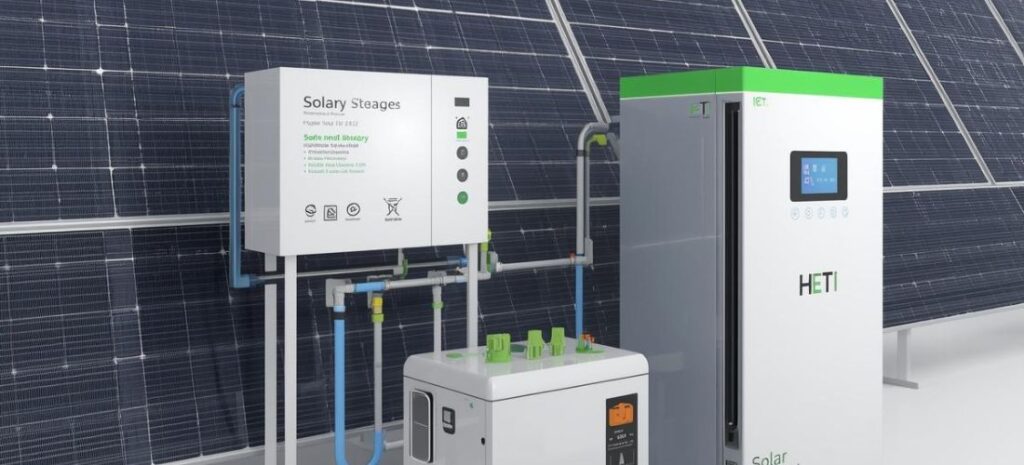
Solar Battery Storage is changing how homes and businesses use solar power. Instead of sending extra electricity back to the grid, a solar battery storage system saves that energy for later use. This means you can use your own solar power at night, during peak hours, or even during power cuts. As electricity prices increase and power cuts remain common in many areas, especially in India, more people are exploring different types of Solar Battery solutions to gain better control over their energy use. In this detailed guide, we will understand the real benefits, working process, costs, and future of solar battery storage in simple and practical language. What is Solar Battery Storage? A solar battery storage system is an energy storage setup that stores extra electricity produced by solar panels. During the day, solar panels often generate more electricity than your home needs. Instead of wasting it or exporting all of it to the grid, the battery stores this surplus energy. Later, when: The sun sets There is cloudy weather Electricity demand increases There is a power cut The battery releases stored power and keeps your appliances running. In simple words, solar battery storage helps you use more of your own solar energy instead of depending fully on the electricity board. How Does a Solar Battery Storage System Work? The working process is simple and easy to understand: 1. Energy Generation Solar panels convert sunlight into Direct Current (DC) electricity. 2. Conversion An inverter converts DC electricity into Alternating Current (AC), which is used by household appliances. 3. Power Supply to Home The electricity first powers your home appliances. 4. Storage of Extra Energy If extra power is generated, it charges the solar battery. 5. Discharge When Needed At night or during a power outage, the battery supplies stored electricity to your home. This complete process makes the solar battery storage system smart and efficient. 11 Benefits of Solar Battery Storage Explained Now let’s understand the real and practical advantages of installing Solar Battery Storage. 1. Reduced Electricity Bills One of the biggest benefits of Solar Battery Storage is lower electricity bills. When you store excess solar energy and use it later: You buy less electricity from the grid You avoid expensive peak-hour tariffs You maximize your solar investment In many Indian households, electricity rates are higher during evening peak hours. A solar battery storage system allows you to use stored solar energy instead of paying premium rates. 2. Increased Energy Independence With a solar battery storage system, you are less dependent on the power grid. This means: More control over when you use your energy Less worry about sudden tariff increases Better stability in areas with frequent power cuts Energy independence is especially important in semi-urban and rural areas where power interruptions are common. 3. Backup Power During Outages Power cuts can disturb daily life and business operations. A solar battery storage system works like a backup power source: Keeps lights on Runs fans and refrigerators Supports Wi-Fi routers and security systems Powers medical devices if required Unlike diesel generators, batteries are silent and pollution-free. 4. Maximum Use of Solar Energy Without battery storage, unused solar energy is often exported to the grid. But in many states, net metering benefits are reducing. With Solar Battery Storage: You use more of your own generated power Solar energy utilization increases Return on investment improves This makes your solar system more efficient and valuable in the long run. 5. Protection from Rising Electricity Prices Electricity prices rarely decrease. Over the past decade, tariffs have steadily increased. A solar battery storage system protects you from: Future rate hikes Unpredictable billing Seasonal tariff changes By storing energy today and using it later, you reduce exposure to rising grid costs. 6. Environmentally Friendly Solution Using stored solar energy instead of grid electricity reduces dependence on fossil fuels. Benefits for the environment: Lower carbon emissions Reduced air pollution Cleaner energy consumption Less strain on coal-based power plants Solar Battery Storage supports India’s renewable energy mission and global climate goals. 7. Smart Energy Management Modern solar battery storage systems come with smart monitoring apps. You can: Track energy production Monitor battery charging and discharging Analyze consumption patterns Optimize usage This smart control improves efficiency and helps you understand where electricity is being used. 8. Higher Property Value Homes with Solar Battery Storage are more attractive to buyers. Why? Lower electricity bills Backup power system included Modern energy-efficient infrastructure Real estate studies show that energy-efficient homes often sell faster and at better prices compared to regular homes. 9. Reduced Grid Pressure When more households use solar battery storage systems: Less demand on the power grid Reduced transmission losses Improved grid stability This is especially important during summer months when electricity demand peaks. 10. Scalability and Flexibility A major advantage of different types of Solar Battery systems is scalability. You can: Start with a small battery capacity Add more batteries later Upgrade as your energy needs grow This flexibility makes solar battery storage suitable for both homes and businesses. 11. Long-Term Financial Savings Although the initial investment may seem high, the long-term savings are significant. Over 10–15 years: Electricity savings add up Maintenance costs remain low Government incentives reduce upfront cost A properly selected solar battery storage system often pays for itself within a few years. Types of Solar Battery Choosing the right battery is very important. Let’s understand the major types of Solar Battery available in the market. 1. Lithium-Ion Solar Batteries Most popular option for residential use. Features: High efficiency (90%+) Longer lifespan (10–15 years) Compact size Low maintenance High depth of discharge These batteries are widely used because of their performance and reliability. 2. Lead-Acid Solar Batteries Traditional and budget-friendly option. Features: Lower upfront cost Requires maintenance (for flooded type) Shorter lifespan (5–7 years) Suitable for off-grid systems Good for people with limited budget, but not ideal for long-term high-performance needs. 3. Flow Batteries Advanced storage technology. Features: Long lifespan 100% discharge capability Large
Solar Panels for Apartments: A Comprehensive Guide
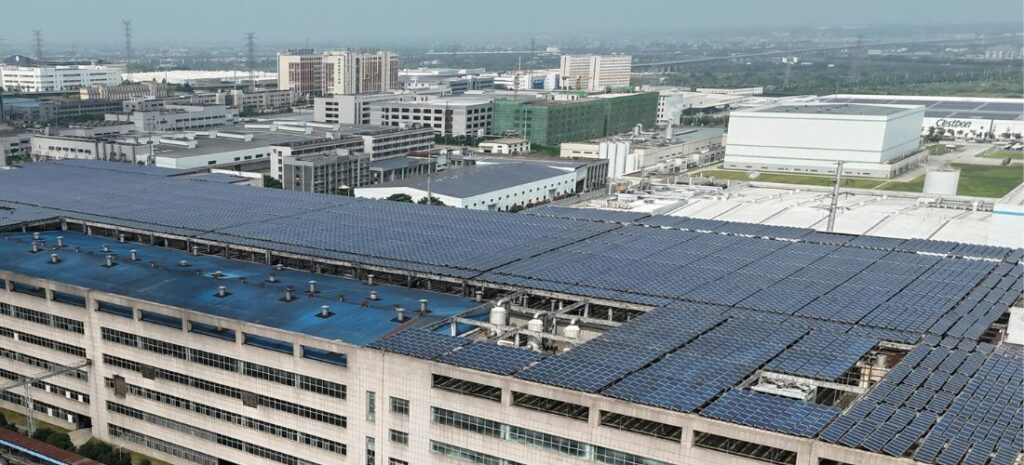
Solar Panels for Apartments are becoming a practical solution for people who want to save on electricity bills and support clean energy, even while living in shared buildings. With the rising cost of power in India and increasing awareness about sustainability, more apartment owners are now exploring Solar Panels and Rooftop Solar Panel systems as a smart long-term investment. In this guide, we’ll explain everything in simple language – from feasibility and benefits to costs, permissions, and installation steps. Whether you are a flat owner, part of a housing society, or a builder, this guide will help you understand how solar works for apartments. Why Solar Panels for Apartments Are Gaining Popularity Over the last few years, electricity tariffs have steadily increased across many Indian states. At the same time, government initiatives like rooftop solar subsidies have encouraged residential solar adoption. Apartment residents earlier believed that solar was only for independent houses. But that is no longer true. Today, Rooftop Solar Panel systems can be installed on apartment buildings, benefiting: Individual flat owners Entire housing societies Common area electricity usage Builders planning green projects Urban areas like Delhi NCR, Mumbai, Pune, Bangalore, and Ahmedabad are seeing a noticeable shift toward shared solar installations on apartment rooftops. Is It Possible to Install Solar Panels in an Apartment? Yes, but it depends on certain factors. 1. Ownership vs. Rental Flat Owners: If you own your apartment, you can propose solar installation through your housing society or RWA. Tenants: You need approval from the landlord and society. 2. Rooftop Access In most apartment buildings, the rooftop is a common area. So installing a Rooftop Solar Panel system usually requires: Society approval Majority agreement from residents Structural safety clearance 3. Type of Solar Setup There are generally two models: Common Area Solar System – Used to power lifts, water pumps, corridor lights, parking lights. Individual Meter Solar Allocation – Power is distributed to individual flats through net metering. How Solar Panels for Apartments Work A simple explanation: Solar Panels capture sunlight. Panels generate DC electricity. An inverter converts DC to AC power. Electricity is used in the building. Extra power goes back to the grid (if net metering is enabled). This process is clean, silent, and low-maintenance. Benefits of Installing Solar Panels for Apartments 1. Lower Electricity Bills One of the biggest reasons people choose Solar Panels is cost savings. For example: If a housing society spends ₹40,000 per month on common electricity, A properly sized Rooftop Solar Panel system can reduce that by 40–70%. Over time, savings become significant. 2. Clean and Renewable Energy Solar energy: Reduces carbon footprint Decreases dependency on coal-based electricity Supports India’s renewable energy mission According to MNRE (Ministry of New and Renewable Energy), rooftop solar adoption is a key part of India’s 500 GW renewable energy target. 3. Increased Property Value Apartments with solar installations often attract: Eco-conscious buyers Investors looking for long-term savings Higher resale value Green buildings are becoming more desirable in urban markets. 4. Government Subsidies Residential Rooftop Solar Panel systems may qualify for central or state subsidies under government schemes (subject to eligibility and policy updates). This reduces the initial investment burden. 5. Energy Independence During peak summer months when electricity demand rises, having Solar Panels provides partial independence from grid fluctuations. Challenges of Solar Panels for Apartments While the benefits are strong, there are practical challenges too. 1. Limited Rooftop Space In high-rise apartments: Rooftop area is limited. Power generated must be shared wisely. Solution: Prioritize common area usage first. Use high-efficiency panels. 2. Approval Process Getting all residents to agree can take time. Practical tip: Present a financial savings report. Show long-term benefits clearly. 3. Initial Investment Though prices have reduced significantly in recent years, installing Solar Panels still requires upfront cost. However, most systems recover cost within 4–6 years depending on usage and tariff rates. Basic Cost Overview of Solar Panels for Apartments Below is a simple estimated cost table for understanding purposes: System Size Suitable For Approx Basic Standard Price Range Ideal Usage 3 kW Small apartment common load ₹1.5 – ₹2.2 lakh Lights & small loads 5 kW Medium society ₹2.5 – ₹3.5 lakh Lift + lighting 10 kW Large apartment ₹5 – ₹7 lakh Multiple common utilities 25 kW+ High-rise building Custom pricing Major common load Disclaimer: Basic standard price is not a specific price; anything can happen depending on brand, structure, subsidy, and location. For accurate pricing, site inspection is necessary. Read More – Types of solar collectors Steps to Install Rooftop Solar Panel in Apartments Step 1: Energy Assessment Check monthly electricity consumption. Identify common load requirements. Evaluate peak demand. Professional solar companies like klk ventures conduct detailed energy audits before recommending system size. Step 2: Rooftop Feasibility Study This includes: Structural strength check Shadow analysis Orientation and tilt angle Space availability Proper analysis ensures maximum generation. Step 3: Society Approval Present: Cost breakdown Payback calculation Maintenance plan Transparency builds trust among residents. Step 4: System Design Design includes: Number of Solar Panels Inverter capacity Mounting structure Wiring layout Good design increases efficiency and lifespan. Step 5: Installation Installation usually takes: 2–7 days depending on system size. Professional teams follow: Electrical safety norms MNRE guidelines Local DISCOM standards Step 6: Net Metering & Activation After installation: Inspection is done. Net meter is installed. System is activated. Then you start generating electricity. Technical Factors to Consider Before Installing Solar Panels 1. Roof Condition The rooftop must: Be leak-free Structurally strong Capable of supporting mounting structure 2. Sunlight Exposure Solar Panels perform best when: Facing south direction (in India) Free from shade between 9 AM – 4 PM Even small shading can reduce performance. 3. Type of Solar Panel Common types: Monocrystalline (higher efficiency) Polycrystalline (cost-effective) For limited rooftop space, monocrystalline panels are usually better. 4. Inverter Type String Inverter Micro Inverter Hybrid Inverter Choice depends on system design and budget. 5. Maintenance Plan Solar Panels require: Cleaning every 2–3 months Annual inspection Monitoring system performance Dust
